Save 15% on your 1st Autoship learn more

 Email us
 Live Chat
 FAQs
FAQs





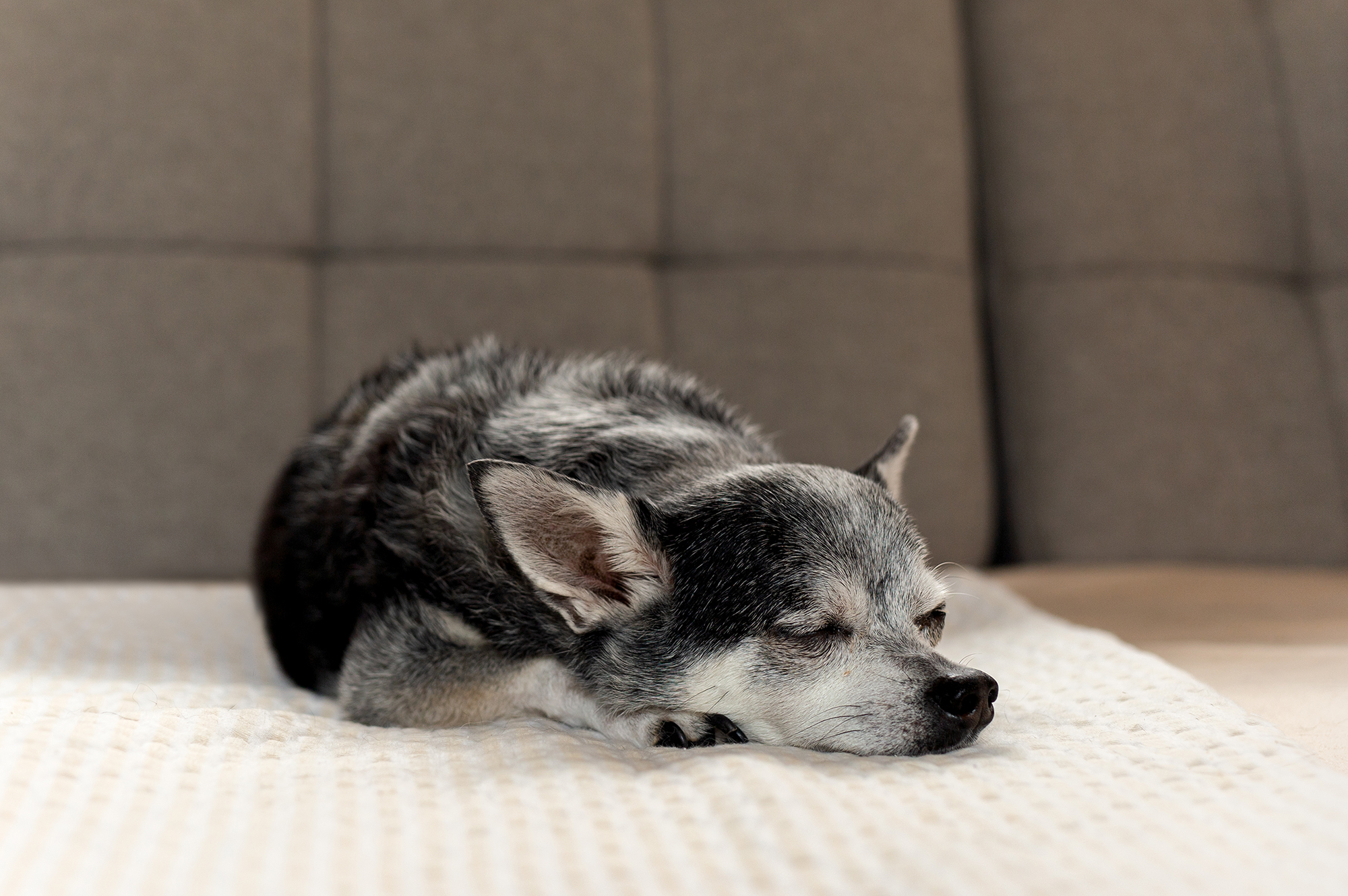
Everybody wants their dogs to live forever. Unfortunately, that's just not possible. Many people have to say goodbye to dogs (and sometimes multiple dogs ) in their lifetimes. The amount of time that you have with your dog often depends on its breed. Typically, the larger the breed is, the shorter its lifespan will be. If you are looking for a family pet that will live for many years, consider these breeds that have the longest lifespans.
1. Chihuahuas
One of the smallest and longest living dog breeds, chihuahuas typically weigh less than six pounds, are shorter than eight inches tall, and live for an average of 15-20 years. Tiny but mighty, they are often affectionate with older members of a family but may not be a good fit for young kids, especially if you rescue an older dog. Each chihuahua has its own distinctive personality.
Because of their tiny size, many chihuahuas enjoy being carried around in purses or dog carriers, especially as they age. They also get cold easier than larger breeds and often need to wear sweaters. Long-coated members of the breed require regular brushing and grooming, for example. Although healthy overall, some members of the breed have poor eyesight or cardiovascular problems. Because of their size and weight, it is easy to overfeed the breed, so be sure to check with the veterinarian for diet recommendations.
2. Dachshunds
If you love weenie dogs, you'll love knowing that they commonly live to be 15 years old or older. A small to medium breed, dachshunds are 5-9 inches tall and weigh up to 32 pounds, depending on height and length. While classic dachshunds are brown in color, they can range from white to black, can be dapple-colored, and can have short, wiry, or long hair. They are extremely loyal and affectionate, can be good with young children when properly trained, and often love to spend time with other dogs.
Dachshunds are very smart and tend to have a big bark despite their short size, making them excellent watchdogs. Although a generally healthy breed, they love to eat and are prone to being overweight, which can cause back problems. Your veterinarian can help you determine the best diet. Dachshunds shed and will require regular grooming, regardless of the type of hair they have. Dachshunds love long walks and tend to be stubborn dogs, so they require lots of playtime and mental stimulation with new toys.
3. Toy Poodles
If you love poodles but want a smaller dog, consider adopting a toy poodle. Toy poodles don't get any taller than 10 inches, weigh six pounds or less, and can live as long as 18 years. An excellent family dog, this breed is known to be loyal not only to adult family members but to the small children in a family as well. They don't always fare as well with other dogs, so if you plan to introduce a toy poodle to a home that already has dogs, they should meet on neutral ground first. Toy poodles also have a low-allergen coat, so they are sometimes a good fit for people who cannot otherwise live with dogs.
Despite their small stature, toy poodles are very confident and intelligent dogs who are eager to learn and to please their owners. Although they typically live long and healthy lives, members of the breed should be tested for eyesight problems, hip dysplasia, and luxating patellas. Toy poodles require a lot of grooming, including daily brushing to prevent matting. You can also opt to keep your pet clipped to a short trim every 4-6 weeks. Bred as hunting dogs, poodles are very active and require lots of walks or jobs. They also love to swim when they have the proper life jackets.
4. Jack Russell Terriers
A smell- to medium-sized breed that stands at 10-12 inches and weighs up to 15 pounds, Jack Russell Terriers have an average life expectancy of 12-14 years. These loyal family dogs are often good with young children and love to live with other dogs who will run and play with them. Jack Russell Terriers are an upbeat breed that is always ready to play and always full of energy. The naturally intelligent breed is easy to train but can be stubborn. Although they can lead long and healthy lives, proper medical care is essential, as Jack Russells can have loose kneecaps or have eyesight and hearing problems as they age.
Jack Russell Terriers may have smooth, broken, or rough coats that require brushing about once a week. Due to their hearing problems, it is important to check a Jack Russel Terrier's ears weekly and use an ear cleaner as needed. This breed does best as part of a high-energy family. It loves hiking, long walks, swimming, and playing fetch for hours at a time, so be sure to stock up on tennis balls. Keep in mind that Jack Russells have a strong prey drive and may not do well in a home with caged pets.
Remember, regardless of the breed that you choose, owning a dog is a lot of responsibility. Adding a pet to the family should not be taken lightly. Be sure to thoroughly research all the breeds that you are interested in before making a decision about bringing one home. Consider adopting from a shelter and remember that all breeds need an adjustment period when moving into a new home, so having patience is the key.