Save 15% on your 1st Autoship learn more

 Email us
 Live Chat
 FAQs
FAQs





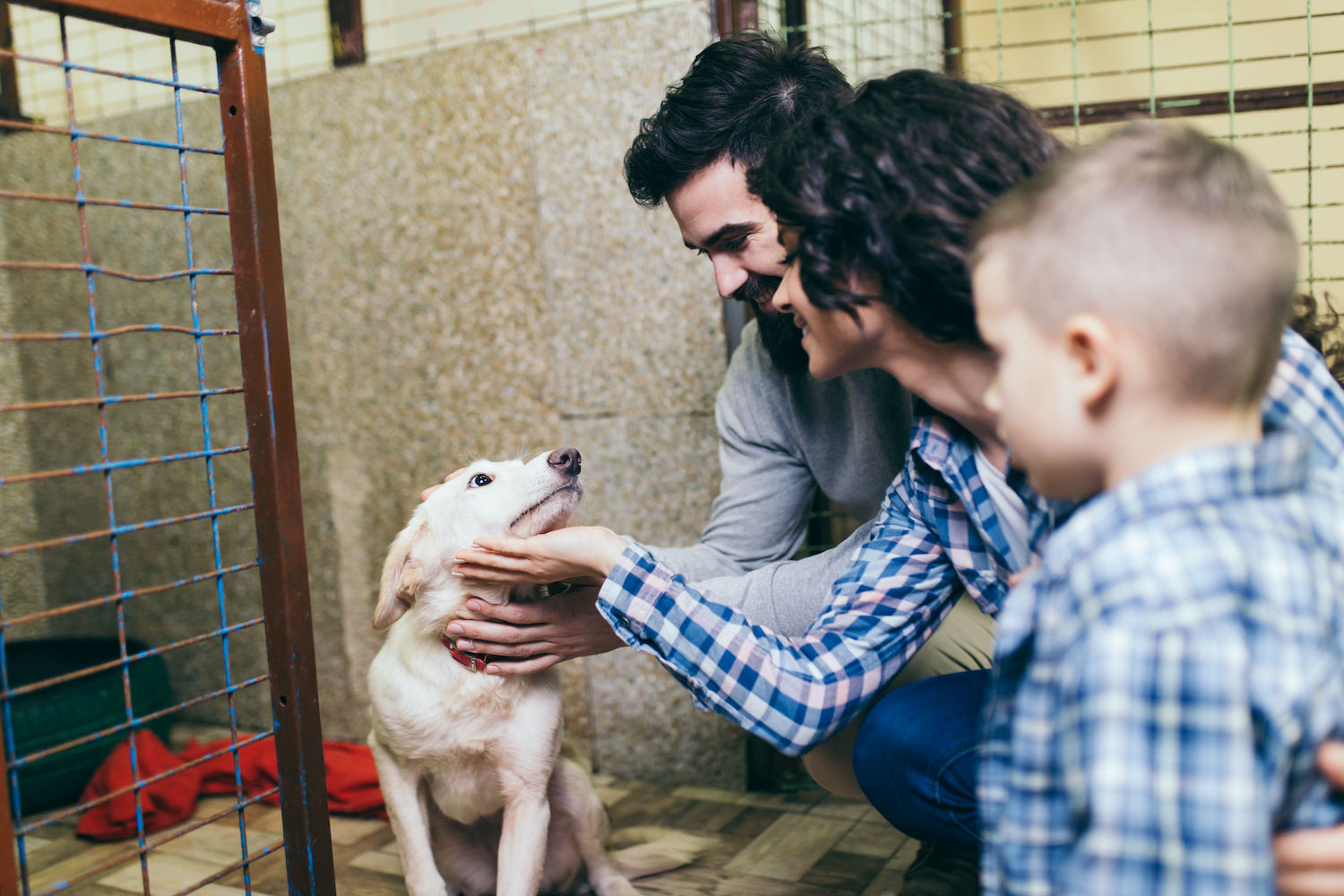
When you adopt a dog or cat from a shelter or rescue, you gain a loyal companion who provides unconditional love. The animal you adopt gets to live a happy life in a safe environment where she can count on care and affection. Pet adoption can be mutually beneficial, and here are some ways to increase the chances of success.
1. Assess Your Family's Requirements
The type of pet you adopt depends on your circumstances and lifestyle. Thinking carefully and honestly about these can help you match with the right pet the first time.
For example, if you live in a small apartment, you may want to consider a cat rather than a dog. Big dogs need room to move around and sprawl, while small dogs may bark and disturb the neighbors. If anyone in your family has any pet allergies, you would obviously have to take that into consideration as well.
Be honest with yourself about how much time you have to spend training, grooming, and exercising your pet. While some pets require less attention than others, every dog and cat requires some quality time with his human beings.
Additionally, consider your energy level and that of the other members of your family. If your household is more active, look for a pet with a high energy level. On the other hand, if your household is more laid back, look for a pet with a low energy level.
2. Familiarize Yourself With Any Applicable Regulations
While adopting a pet is a personal decision, there are rules, laws, or regulations that you may have to follow. For example, if you live in a rented residence or are part of a homeowners association, there may be rules about the type of pets you can own. Sometimes cats are allowed but not dogs, or small dogs are allowed but not big ones.
Most communities have laws that require pet owners to restrain animals when not on their own property. This typically means keeping your dog on a leash when outside your own home.
While most cat owners don't take their kitties on walks, it is an option. If you decide to walk your cat, she should wear a harness for you to attach her leash to. Some dogs, such as small breeds and sighthounds, also do better with a harness rather than having the leash attached directly to their collars.
When you know the rules and regulations pertaining to pets ahead of time, you can make sure you and your new friend are in compliance and avoid any legal entanglements.
3. Consider Older Pets
Many people adopting a pet for the first time only consider young animals. As a result, shelters and rescues usually don't have much trouble finding homes for puppies or kittens.
However, shelters are often full of adult animals who are also looking for homes. These pets often stay in the shelter longer, but there can be advantages to adopting an older pet. Adult dogs and cats have often lived in human homes before and may already be housetrained or litter-trained. Adult pets may also be calmer than rambunctious younger pets.
Regardless of how old your pet is when you take him home, make sure you buy pet food that is appropriate to his age. For example, puppies have unique dietary needs and have to eat puppy food. Senior pets may also have special dietary requirements.
4. Budget for Pet-Related Expenses
Having a pet can be expensive. When you adopt a new pet, there are one-time expenses that you need to take care of upfront, as well as ongoing costs. Make sure you budget for both so you are prepared to buy food, pet toys, treats, and other necessities for your pet on an ongoing basis.
5. Start With the Essentials
There are certain things that your pet will need immediately when you first bring her home, while other supplies can wait. Before you bring your pet home, make sure you obrain these must-haves first:
- Food and water dishes (which you should fill before going to pick up your new pet)
- Pet bedding of some sort
- Treats
- Toys
Pets also need a place to urinate and defecate. For a cat, this is usually a litter box. For a dog that is not yet housetrained yet, you might have to use pee pads. Even after your pet is housetrained, you'll have to either scoop out the litter box or pick up after your dog.
6. Provide Outlets for Your Pet's Instinctual Behaviors
Dogs and cats have instinctual behaviors that are holdovers from their wild ancestors but can cause damage in a home. Specifically, dogs need to chew and cats need to scratch. You can't train them out of these behaviors, so you need to provide acceptable outlets. For example, dogs need chew toys, and cats need scratching posts.
7. Look for Opportunities for Positive Reinforcement
Positive reinforcement means rewarding your pet for good behavior rather than punishing him for bad behavior. Research shows that positive reinforcement is much more effective at changing pets' behaviors than punishment. Look for opportunities to reward your pet for good behavior with treats, physical affection, or encouraging words in a happy tone of voice. For example, instead of punishing your cat for scratching the furniture, reward him when he uses the scratching post.
Not all people and pets are compatible. Sometimes pet adoptions just don't work out, and it's usually not the fault of either the people or the pets. Nevertheless, preparing beforehand can help you find a pet you are compatible with. Additionally, shelters and rescues are often willing to work with you to find a good match.