
 Save 15% on your 1st Autoship learn more

 Email us
 Live Chat
 FAQs
FAQs






Why Dog Health Matters for Every Pet Parent
Dog health is the foundation of a long, happy life for your furry companion. It covers everything from nutrition and exercise to preventative care and disease recognition. As a pet parent, your highest priority is your dog's well-being, and the good news is that most serious health problems are preventable with proper care and owner education.
Quick Answer: Essential Dog Health Basics
- Regular Vet Visits: Annual check-ups for adults, every 3-4 weeks for puppies (until 16 weeks), and twice-yearly for seniors.
- Preventative Care: Core vaccinations, year-round parasite control, and consistent dental hygiene.
- Proper Nutrition: A balanced, life-stage-appropriate diet to prevent obesity.
- Daily Exercise: 30 minutes to 2 hours of activity, depending on breed and age.
- Safety Awareness: Keeping toxic foods and household chemicals out of reach.
Understanding what your dog needs at each life stage makes all the difference. With issues like obesity on the rise, routine vet exams are more important than ever to catch small problems before they grow. This guide will walk you through the essentials of canine wellness, from puppyhood to their senior years.
Foundational Preventative Care for Lifelong Wellness
The secret to a long, vibrant life with your dog is consistent, proactive preventative care. Catching small issues before they become serious problems is the best way to ensure more years of happy memories.
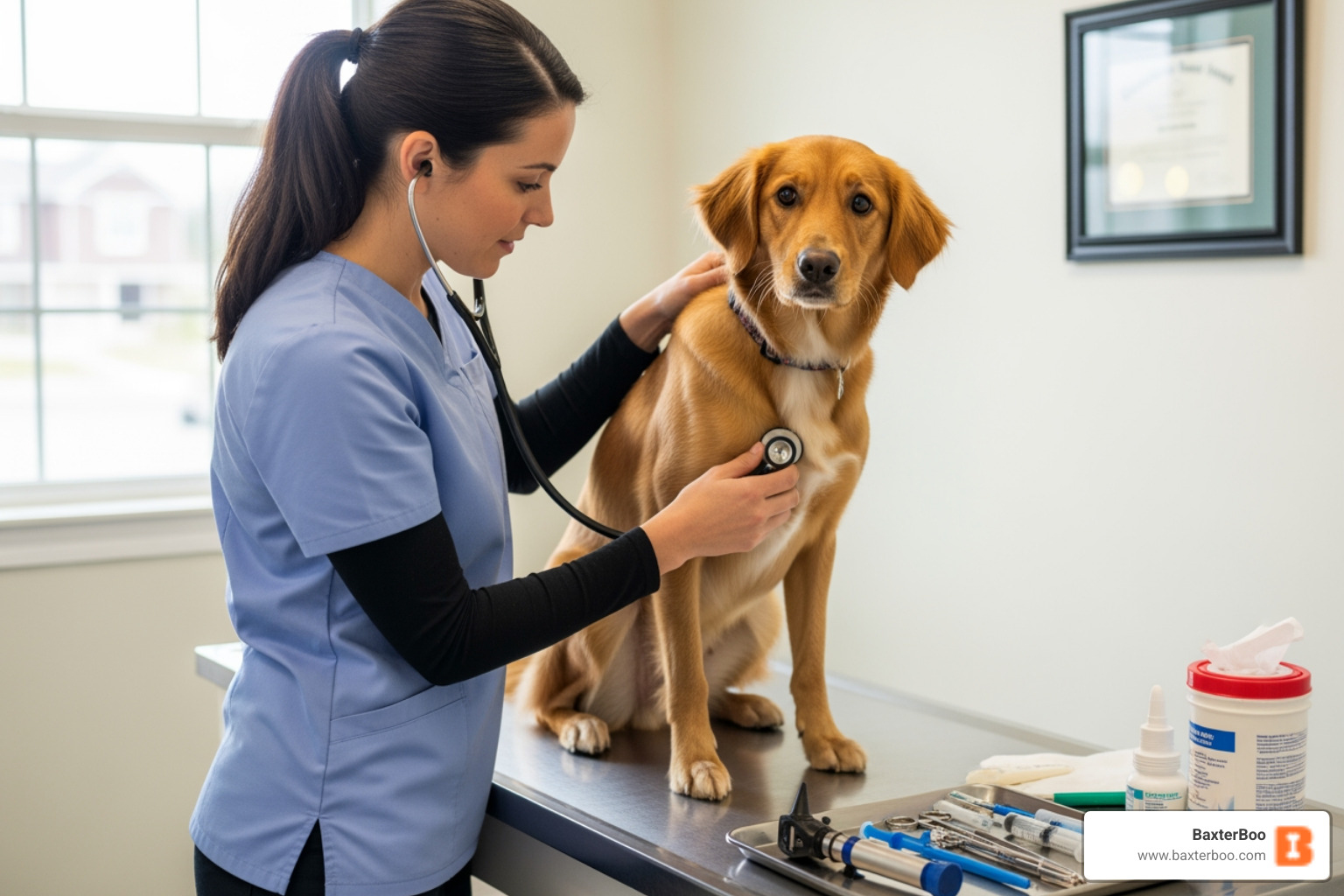
Regular veterinary check-ups are the cornerstone of good dog health. Healthy adult dogs need an annual exam, while puppies require visits every 3-4 weeks until 16 weeks old to complete their vaccinations and monitor development. As dogs enter their senior years (around age 7-8), exams should happen twice a year. Older dogs are more susceptible to arthritis, heart disease, and organ issues, and early detection dramatically improves outcomes.
Spaying and neutering offer major health benefits. Spaying females reduces the risk of mammary tumors and uterine infections. Neutering males eliminates the risk of testicular cancer and can reduce roaming. Talk to your vet about the best timing for your dog's breed and size.
Key Aspects of Preventative Dog Health Care
Vaccinations shield dogs from serious, often fatal, diseases.
- Core vaccines are essential for all dogs and protect against widespread threats like Rabies, Distemper, and Parvovirus.
- Non-core vaccines depend on your dog's lifestyle. Pups who frequent dog parks or boarding facilities may need the Bordetella vaccine, while outdoorsy dogs might need the Lyme disease vaccine.
Puppies receive a series of shots until about 16 weeks of age, as maternal antibodies wear off. Adult dogs need periodic boosters to maintain immunity. Your vet will recommend a schedule custom to your dog.
Parasite Control and Dental Hygiene
Parasite prevention is critical for protecting your dog and your family. Heartworm, transmitted by mosquitoes, is a deadly but preventable disease that requires year-round monthly medication. Most preventatives also handle intestinal worms. Fleas and ticks cause everything from itching and allergic reactions to serious illnesses like Lyme disease. Regular use of preventatives like topical treatments or oral medications is essential. Explore BaxterBoo's selection of dog dewormers and parasite preventatives to find the right protection.
Dental hygiene is vital to overall dog health, as periodontal disease affects most adult dogs and can damage the heart, kidneys, and liver. It begins with plaque and tartar and can lead to infection and tooth loss. Daily tooth brushing with dog-specific toothpaste is the best defense. Dental chews and water additives can also help. Watch for warning signs like bad breath, which is often the first indicator of a problem. Signs of dental problems like bad breath shouldn't be ignored—they're a sign of pain.
A Guide to Common Dog Health Problems
Even with excellent preventative care, dogs can face health challenges. Recognizing the signs of common conditions helps you seek timely veterinary care.

From contagious infections to inherited conditions, a range of ailments can affect dog health. Knowing what to watch for is key to getting your dog the help they need quickly.
Infectious and Genetic Diseases
Many infectious diseases are preventable with vaccines. Canine Parvovirus is a highly contagious virus causing severe vomiting and diarrhea, and it is especially dangerous for puppies. Canine Distemper is another serious viral disease affecting multiple body systems. Both are preventable with core vaccinations. Bacterial infections like Leptospirosis can cause kidney and liver damage and can spread to humans. Ringworm, a fungal infection, causes circular patches of hair loss and is also contagious.
Genetic disorders are common in many purebred dogs. Hip Dysplasia, an improper development of the hip joint, is prevalent in large breeds and leads to arthritis. Other inherited conditions include heart defects and eye diseases like Progressive Retinal Atrophy. Researching your breed's predispositions is a proactive step. Understanding inherited disorders in dogs helps you know what to watch for.
Prevalent Skin, Orthopedic, and Cancerous Conditions
Skin problems are a frequent reason for vet visits. Atopy (allergic skin disease) causes chronic itching and ear infections. "Hot spots" are painful, inflamed patches of skin that appear suddenly. Orthopedic issues like arthritis and cruciate ligament injuries (similar to an ACL tear) can cause pain and lameness. Keeping your dog at a healthy weight is one of the best ways to protect their joints. For dogs with joint discomfort, mobility supplements for joint health can offer support, but always consult your vet first.
Cancer is a leading cause of death in older dogs. Early detection is critical. Perform monthly "lump and bump checks" by running your hands over your dog's entire body. While many lumps are benign fatty tumors (lipomas), any new or changing growth requires a veterinary evaluation. Certain breeds like Golden Retrievers and Boxers have higher cancer risks.
Internal Medicine: GI, Heart, and Eye Conditions
Gastrointestinal distress, like vomiting and diarrhea, is common. While minor upset may resolve in 24 hours, persistent symptoms require a vet visit. Information on dog diarrhea causes can be helpful, but professional advice is best. A true emergency is Gastric Dilatation-Volvulus (GDV), or "bloat," where the stomach twists. It is life-threatening and requires immediate surgery, with signs including a distended abdomen and unproductive retching.
Eye diseases like Cataracts (clouding of the lens) and Glaucoma (increased eye pressure) become more common with age. Watch for redness, cloudiness, or squinting. Heart disease also affects many older dogs. Congestive heart failure is common in small breeds, while certain breeds like Boxers have specific cardiac risks. Signs include a persistent cough, lethargy, and difficulty breathing.
The Impact of Lifestyle on Your Dog's Health
Daily choices about nutrition, exercise, and mental enrichment are just as crucial to dog health as vet visits. These lifestyle factors are within your control and strengthen your bond while supporting long-term wellness.

Understanding Your Dog's Nutritional Health
A balanced diet is essential, but the biggest nutritional concern today is obesity. Up to 40% of dogs are overweight, increasing their risk for diabetes, heart disease, and arthritis. Weight management starts with knowing what a healthy body looks like. You should be able to feel your dog's ribs and see a defined waist. Learn more about assessing body condition to check your dog's status.
Avoid feeding table scraps, which add unnecessary calories and can be dangerous. When considering vitamins or supplements, always consult your vet first, as too much of certain nutrients can be toxic. It's also wise to discuss your dog's diet with your vet, especially regarding trends like grain-free foods, to ensure you're making the best choice for their specific needs.
The Importance of Exercise and Mental Well-being
Regular physical activity is vital for maintaining a healthy weight, strengthening muscles, and supporting heart health. Most dogs need 30 minutes to two hours of activity daily, depending on their breed and age. Consistency is key.
Mental stimulation is just as important as physical exercise. Puzzle toys, training, and scent games keep your dog's mind sharp, prevent boredom-related behaviors like chewing or barking, and can help stave off cognitive decline in senior dogs. A comfortable dog hoodie can make chilly outdoor adventures more pleasant for everyone.
Some dogs also face psychological challenges like separation anxiety or noise phobia. These are real medical issues that often require professional guidance, including training and sometimes medication, to manage.
Household Dangers: Toxic Foods and Substances
Our homes can contain hidden dangers for curious dogs who explore the world with their mouths. Knowing which common items are toxic is a critical part of protecting your dog health and preventing emergencies.
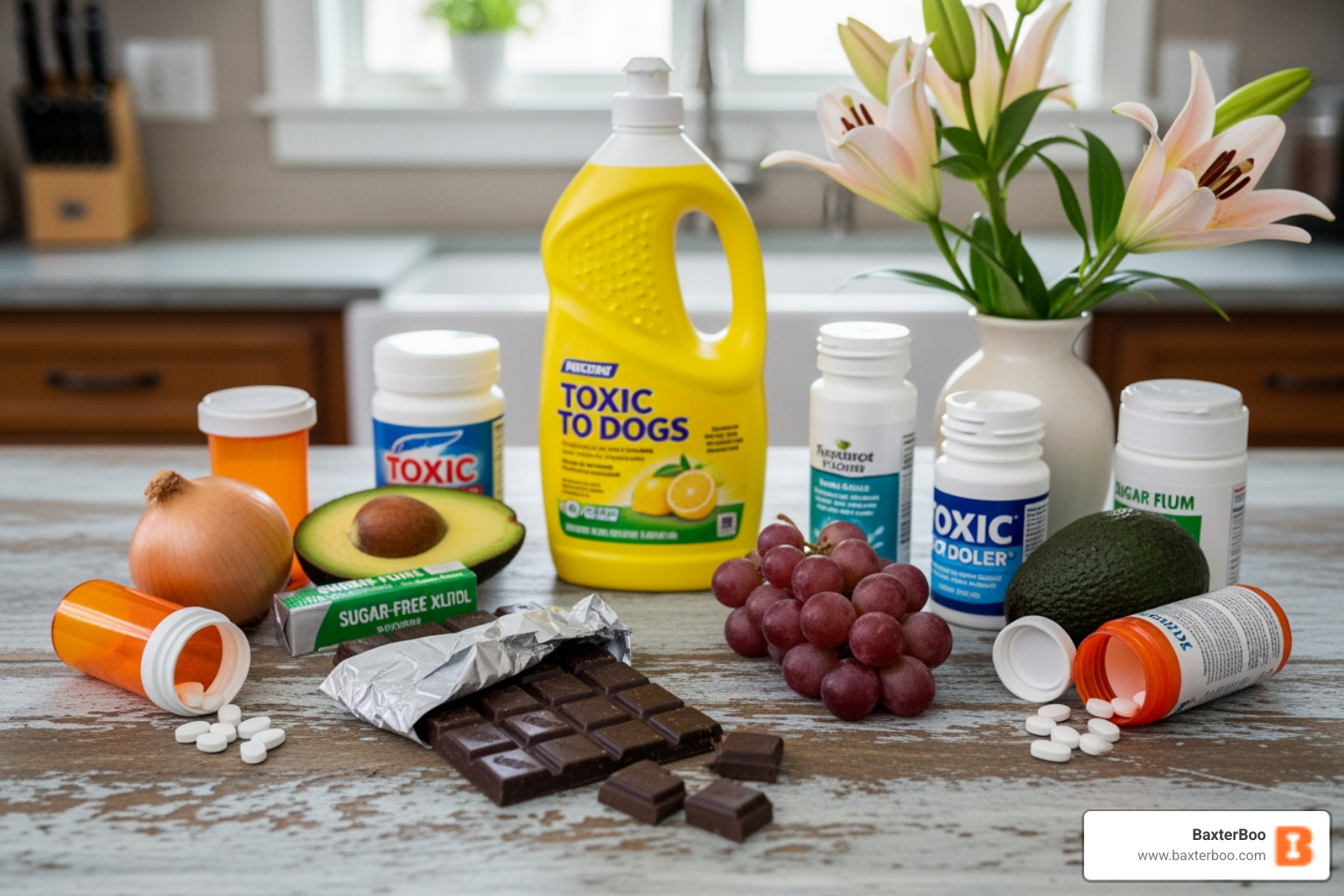
Most poisonings are preventable with awareness and by keeping dangerous items securely out of reach.
Common Toxic Foods and Household Items
Many human foods and household products are poisonous to dogs. Be especially careful with the following:
- Chocolate: Contains theobromine, which is toxic to dogs. Darker chocolate is more dangerous.
- Grapes and Raisins: Can cause acute kidney failure.
- Xylitol: A sugar substitute in gum, candy, and some peanut butters that causes a rapid, dangerous drop in blood sugar and can lead to liver failure.
- Onions and Garlic: Damage red blood cells, causing anemia.
- Macadamia Nuts and Alcohol: Both are highly toxic and can cause a range of serious symptoms.
- Human Medications: Pain relievers like ibuprofen (Advil) and acetaminophen (Tylenol) are extremely dangerous, causing kidney or liver damage.
- Household Chemicals: Antifreeze is sweet-tasting but deadly, and cleaning products can cause chemical burns or systemic toxicity.
Many common houseplants are also toxic. Use the ASPCA guide to poisonous plants to check if your plants are safe. And remember to keep your dog safe from internal threats with regular parasite control. Explore BaxterBoo's selection of dog dewormers and parasite preventatives.
Recognizing and Responding to Poisoning
Time is critical in a poisoning emergency. Common signs include vomiting, diarrhea, lethargy, drooling, seizures, or collapse.
Do not wait for symptoms to appear if you suspect your dog has ingested something toxic. Contact your veterinarian or the ASPCA Animal Poison Control Center immediately. Never induce vomiting unless instructed to do so by a professional. Have the product packaging available if possible. Your quick action is your dog's best defense.
Frequently Asked Questions about Dog Health
Caring for a dog comes with many questions. Here are answers to some of the most common concerns about dog health.
How often should my dog see a veterinarian?
Vet visit frequency depends on your dog's age and health:
- Puppies: Every 3-4 weeks until they are 16 weeks old for vaccinations and to monitor development.
- Adult Dogs: Annually for a wellness exam, booster shots, and routine screening.
- Senior Dogs (7+ years): Twice a year to proactively screen for age-related illnesses like arthritis, heart disease, and kidney problems.
What are the most critical signs that my dog is sick?
Since dogs can't tell us they feel ill, watch for key changes. Contact your vet if you notice:
- Significant changes in appetite or thirst
- Lethargy or extreme weakness
- Persistent vomiting or diarrhea (especially with blood)
- Difficulty breathing, gasping, or constant coughing
- Limping, yelping when touched, or reluctance to move
- A hard, distended abdomen, especially with unproductive retching (a sign of bloat)
- Seizures or collapse
If symptoms are severe or persist for more than 24 hours, call your veterinarian. Trust your instincts.
Can I give my dog human pain medication?
No, you should never give your dog human pain medication unless specifically directed by a veterinarian. Common over-the-counter drugs are highly toxic to dogs.
- Ibuprofen (Advil, Motrin) can cause severe stomach ulcers and kidney failure.
- Acetaminophen (Tylenol) can cause liver damage and destroy red blood cells.
- Naproxen (Aleve) is also highly toxic and can cause kidney failure.
These medications are a leading cause of pet poisoning. If your dog is in pain, contact your vet for a proper diagnosis and a prescription for safe, dog-specific pain relief.
Conclusion: A Partnership for a Healthy, Happy Life
Caring for your dog is a partnership built on your commitment to their well-being. By understanding the essentials of dog health—from preventative care and nutrition to recognizing health problems early—you can ensure your companion lives a long, full life. Prevention is key, and most serious issues are manageable when caught early.
Your veterinarian is your most valuable partner on this journey. Build a strong relationship with them and never hesitate to ask questions. They can provide personalized guidance for your dog's unique needs.
At BaxterBoo, we're committed to supporting you with expertly curated, high-quality products that promote your dog's wellness every day. From parasite preventatives to joint supplements, we're here to make your job as a pet parent easier and more effective.
Explore our full range of dog health products and let us help you create a healthy, happy life for your beloved dog. Here's to many more years of adventures and unconditional love






