
 Save 15% on your 1st Autoship learn more

 Email us
 Live Chat
 FAQs
FAQs





Introduction
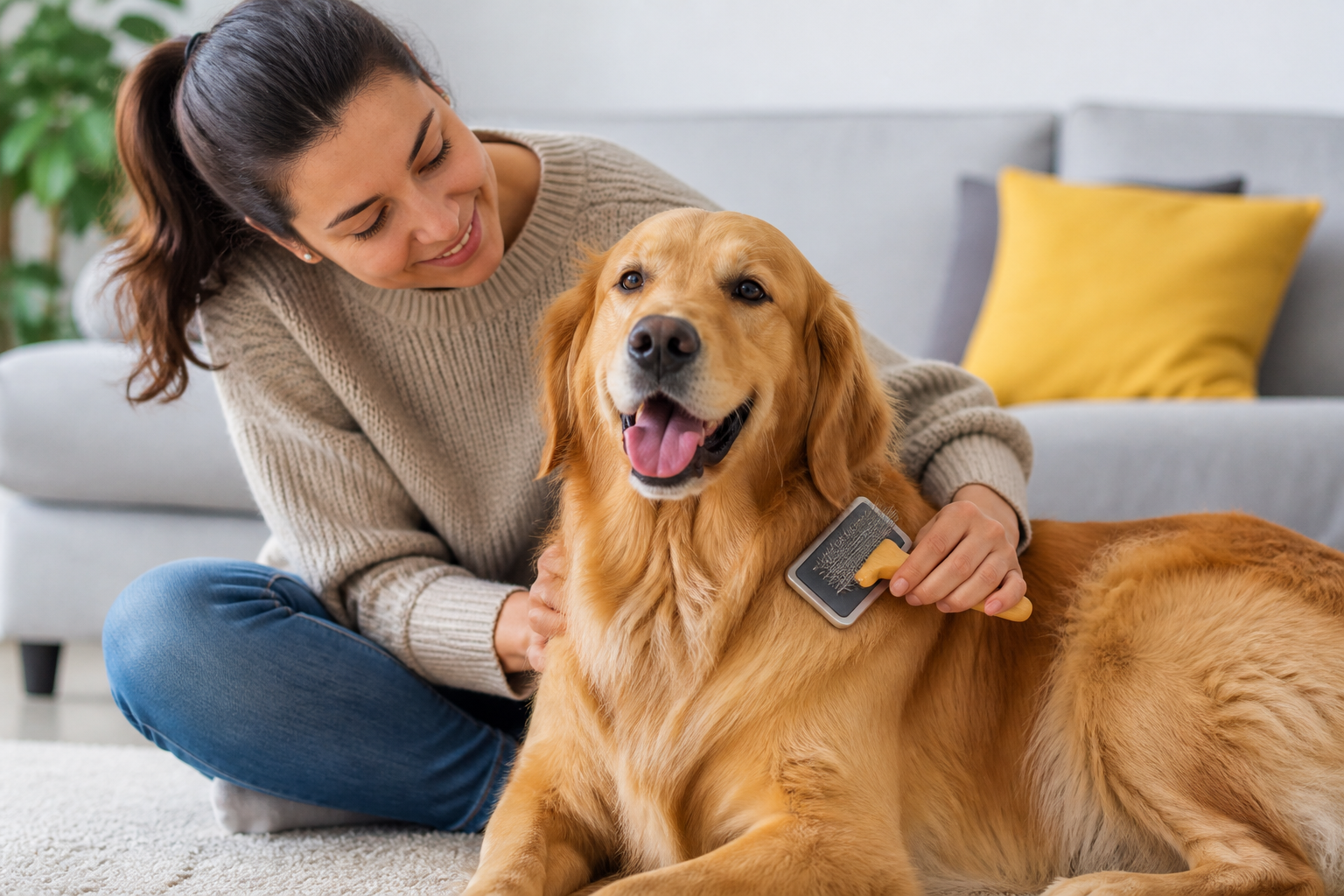
Finding a stubborn mat behind your dog’s ears or a cluster of burrs after a hike can be frustrating for any pet owner. You want a tool that clears the mess without hurting your dog’s skin. At BaxterBoo, we have spent years helping pet parents in Vernon Hills and across the country find the right gear for every coat type. This article explores whether the slicker brush is the right choice for your dog. We will cover how these brushes work, which breeds benefit most, and the best techniques for a pain-free grooming session. A slicker brush is often the most versatile tool in a grooming kit, but using it correctly is the key to a happy, healthy pet.
What Exactly Is a Slicker Brush?
A slicker brush is a grooming tool characterized by its flat or slightly curved head populated with rows of fine wire pins. These pins are usually angled or slightly hooked at the ends. This specific design allows the brush to grab onto loose hair and debris without needing to dig deep into the skin.
The primary purpose of a slicker brush is to remove mats, tangles, and dead undercoat. Because the wires are so thin and closely spaced, they can catch individual hairs that a standard comb might miss. This makes them highly effective for dogs with medium to long hair or those with dense double coats.
You will find these brushes in various sizes and firmness levels. Some are designed with soft, flexible pins for sensitive skin. Others have firm, rigid pins to tackle heavy matting in thick-coated breeds like Newfoundlands or Bernese Mountain Dogs. Many modern versions also include a self-cleaning feature where a plate pushes the hair off the pins with a single click. The Master Grooming Tools Self-Cleaning Slicker Brush is one example with a push-button pin retraction feature.
Quick Answer: Yes, slicker brushes are excellent for most dogs with medium, long, curly, or double coats. They effectively remove mats and loose undercoat, though they should be used with a light touch to avoid skin irritation.
Which Coat Types Benefit Most?
Not every dog needs a slicker brush. If you have a short-haired breed like a Beagle or a Greyhound, a slicker brush might be too abrasive for their thin coat. However, for many other breeds, it is the gold standard for daily maintenance. You can compare brushes, combs, and other tools in our dog brushes and combs collection.
Curly and Wavy Coats
Poodles, Goldendoodles, and Bichon Frises have hair that grows constantly. This hair easily traps dirt and forms knots near the skin. A slicker brush helps fluff these curls and separate the hairs. This prevents the "pelted" matting that often leads to a mandatory shave-down at the groomer.
Double-Coated Breeds
Dogs like Golden Retrievers, German Shepherds, and Huskies have a soft undercoat and a tougher outer coat. The slicker brush is perfect for reaching through the top layer to pull out the dead undercoat before it ends up on your furniture. This is especially helpful during "blowing coat" season in the spring and fall. For another perspective on seasonal shedding, read how Australian Shepherds shed and how to manage it.
Long and Silky Coats
Breeds like Yorkies or Shih Tzus require gentle grooming to maintain their flowy hair. For these dogs, a soft slicker brush is ideal. It smooths the hair and removes small tangles without the pulling associated with heavy-duty combs.
Surprisingly Sheddy Short Coats
Some short-haired dogs, like Pugs or Labradors, shed far more than you might expect. Even though their hair is short, it is very dense. A slicker brush can help lift the dead hair from these thick, short coats more effectively than a standard bristle brush.
Key Benefits of Using a Slicker Brush
Using a slicker brush regularly does more than just make your dog look good. It is a vital part of their overall wellness routine. For everyday coat maintenance, explore our dog grooming supplies.
- Mat Prevention: By catching small tangles early, you prevent them from turning into painful mats that pull on the skin.
- Skin Health: The gentle brushing action stimulates the skin and distributes natural oils across the coat. This leads to a shinier, healthier appearance.
- Debris Removal: If your dog loves the outdoors, a slicker brush is the best tool for removing dried mud, seeds, and burrs.
- Bonding and Inspection: Regular grooming sessions allow you to check for lumps, bumps, or parasites. It is much easier to spot a tick on a well-groomed dog than one with a tangled mess of fur.
Key Takeaway: A slicker brush is a multi-purpose tool that prevents matting, improves skin health, and makes it easier to keep your home hair-free.
Choosing the Right Slicker Brush for Your Dog
At BaxterBoo, we carry a wide selection of grooming tools from trusted brands like Safari and Coastal Pet. When you are looking through our collection, keep these three factors in mind.
Pin Firmness
If your dog has a very thick, coarse coat, you need firm pins that will not bend away when they hit a knot. If your dog has thin hair or sensitive skin, look for a "soft" slicker. These have more give and are much gentler on the dog's body.
Brush Size
A large brush might cover more ground on a Great Pyrenees, but it will be impossible to use on a Toy Poodle. You should have a brush that fits the contours of your dog's body. Many owners find it helpful to have a large brush for the back and sides and a smaller "slicker" for the legs and armpits. The Master Grooming Tools Ergonomic Slicker Dog and Cat Brush is available in a design intended to reduce hand fatigue during brush-outs.
Handle Ergonomics
If you have a large dog, you might be brushing for 20 minutes at a time. Look for a handle with a rubberized grip. This prevents hand fatigue and gives you better control so you do not accidentally scrape your dog's skin.
Proper Technique: How to Brush Without Irritation
The most common mistake owners make with a slicker brush is using too much pressure. This can cause "brush burn," which is a painful red irritation on the skin. Following a proper technique ensures the experience is pleasant for your dog.
Step 1: Start with a light touch. Hold the brush loosely and use short, gentle strokes.
Step 2: Brush in the direction of hair growth. Never pull the brush against the grain of the fur.
Step 3: Use the "Pat and Pull" method for tangles. Instead of dragging the brush through a knot, pat the brush into the mat and gently pull away. This breaks the knot apart without yanking on the skin.
Step 4: Check your progress. Periodically run a metal comb through the area you just brushed. If the comb catches, there is still a knot that needs attention.
Step 5: Reward your dog. Give them a treat and praise throughout the process to build a positive association with grooming.
Vet Tip: Always check the skin for redness during and after grooming. If your dog has pre-existing skin conditions or allergies, consult your veterinarian. Our pet pharmacy carries prescription treatments when your dog needs professional care.
Safety Precautions and Sensitive Areas
While slicker brushes are safe, they do have sharp wire pins. You must be careful around certain parts of your dog’s body.
The Face and Ears
The skin around the eyes, nose, and ears is very thin. One wrong move with a slicker brush can cause a scratch. It is usually better to use a small comb or a soft bristle brush for the face.
Bony Prominences
Be extra careful when brushing over the spine, hips, and elbows. There is very little fat or muscle buffering the skin from the bone in these areas. Use almost zero pressure when moving the brush over these spots.
The Underbelly
The skin on the stomach is highly sensitive. Most dogs prefer a very soft brush or even a grooming glove in this area. If you must use a slicker on the belly, ensure it is a soft-pin version and move slowly.
When to Reach for Other Tools
A slicker brush is a powerhouse, but it is not a complete grooming kit on its own. You will often need to pair it with other tools for the best results. For additional options, browse our dog brushes, combs, and clippers.
| Tool Type | Best Used For | Why You Need It |
|---|---|---|
| Metal Comb | Deep knots and finishing | To ensure you reached the skin and no mats remain. |
| Undercoat Rake | Heavy shedding breeds | To pull out huge clumps of loose fur during seasonal sheds. |
| Rubber Curry Brush | Short-haired breeds | To massage the skin and remove surface hair on breeds like Boxers. |
| De-matting Tool | Hardened mats | For knots that are too tight for a standard slicker brush. |
Managing Mats and Tangles
If you find a mat that is too tight for the slicker brush, do not just pull harder. This will cause your dog pain and make them hate grooming. Instead, try using a detangling spray to lubricate the hair fibers.
Once the spray is applied, use your fingers to pull the mat apart as much as possible. Then, use the corner of the slicker brush to gently pick at the edges of the mat. If a mat is tight against the skin and cannot be budged, it is safer to have a professional groomer or vet remove it. Cutting mats out with scissors at home is risky because it is very easy to accidentally snip the skin.
Caring for Your Grooming Tools
To keep your slicker brush working well, you must keep it clean. A brush full of old hair cannot reach down into the coat to pull out new shedding.
If you have a standard brush, use a comb to lift the hair out of the pins after every few strokes. If you have a self-cleaning model, simply click the button and wipe the hair away. Once a month, you should wash the brush with warm water and a tiny bit of mild soap. Make sure to dry it thoroughly, pins facing down, to prevent any rust from forming on the wire bristles.
The Connection Between Grooming and Health
Regularly using a slicker brush is your first line of defense against skin issues. As you brush, you might notice redness, flakes, or even parasites like fleas and ticks. For more information about parasite prevention, read our guide to flea and tick prevention products.
Early detection of skin problems can prevent them from turning into serious infections. If you notice your dog is constantly itchy or has "hot spots," grooming alone might not be enough. Our pharmacy offers a variety of prescription medications for skin allergies and flea prevention. Because we offer repeat-order savings, you can also explore our Autoship programme for eligible items.
Key Takeaway: Grooming is an ideal time to monitor your dog's health. If you spot issues, consult your vet and check our pharmacy for the necessary treatments.
Training Your Dog to Enjoy Brushing
Not every dog loves being brushed right away. If your dog is nervous, start with very short sessions. Brush for only thirty seconds, then give a high-value treat.
Slowly increase the time as your dog becomes more comfortable. Always stop before your dog gets stressed. If they start to wiggle or growl, you have gone too far. The goal is to make grooming a relaxing bonding time. Many owners find that brushing their dog while they are relaxed after a long walk is the most successful strategy.
Summary of Slicker Brush Use
Slicker brushes are an essential tool for the vast majority of dog owners. They handle the tough jobs of de-matting and de-shedding that other brushes simply cannot manage. By choosing the right size and firmness for your specific breed, you can keep your dog's coat looking professional between visits to the groomer.
Remember to always use a light touch. The goal is to glide through the hair, not scrape the skin. With a little patience and the right technique, your dog will soon look forward to their daily brush-out.
Bottom line: For dogs with medium to long hair, a slicker brush is the most effective tool for preventing mats and managing shedding when used with a gentle hand.
Conclusion
A slicker brush is a powerful addition to your pet care routine. It keeps coats shiny, prevents painful matting, and helps manage the amount of fur left on your carpets. While it requires a bit of practice to master the light touch needed, the benefits for your dog's comfort and health are well worth the effort. We invite you to explore the wide range of grooming supplies at BaxterBoo, where we handpick every item for its quality and effectiveness. Whether you are looking for a self-cleaning slicker or a gentle soft-pin version, we have the tools to help your dog look and feel their best. Sign up for our MVP Rewards programme to earn points on your grooming essentials and keep your pet's coat in peak condition year-round.
FAQ
Can I use a slicker brush on a puppy?
Yes, you can use a slicker brush on a puppy to get them used to the grooming process. Choose a very soft-pin version and keep the sessions extremely short with plenty of treats. Starting early helps ensure they will be cooperative for grooming as adults.
How often should I use a slicker brush on my dog?
For most long-haired or double-coated dogs, brushing every two to three days is ideal. This frequency prevents mats from forming and keeps shedding under control. If your dog has a coat prone to tangles, like a Doodle, daily brushing may be necessary.
Does a slicker brush hurt dogs?
A slicker brush should not hurt if used correctly with a light touch. However, because the pins are wire, applying too much pressure can cause skin irritation or scratches. Always test the brush on your own skin first to see how much pressure is appropriate.
What is the difference between a pin brush and a slicker brush?
A pin brush has straight, widely spaced pins often with protective tips, and is best for general brushing of long, silkier coats. A slicker brush has fine, angled wire pins set closely together, making it much better at removing mats and dead undercoat.






