
 Save 15% on your 1st Autoship learn more

 Email us
 Live Chat
 FAQs
FAQs






Why Bad Breath Dog Issues Matter More Than You Think
Bad breath dog problems affect millions of pets, and they're often dismissed as normal "doggy breath." But here's the truth: persistent halitosis (the medical term for bad breath) is not normal and usually signals an underlying health issue that needs attention.
Quick Answer: Common Causes of Bad Breath in Dogs
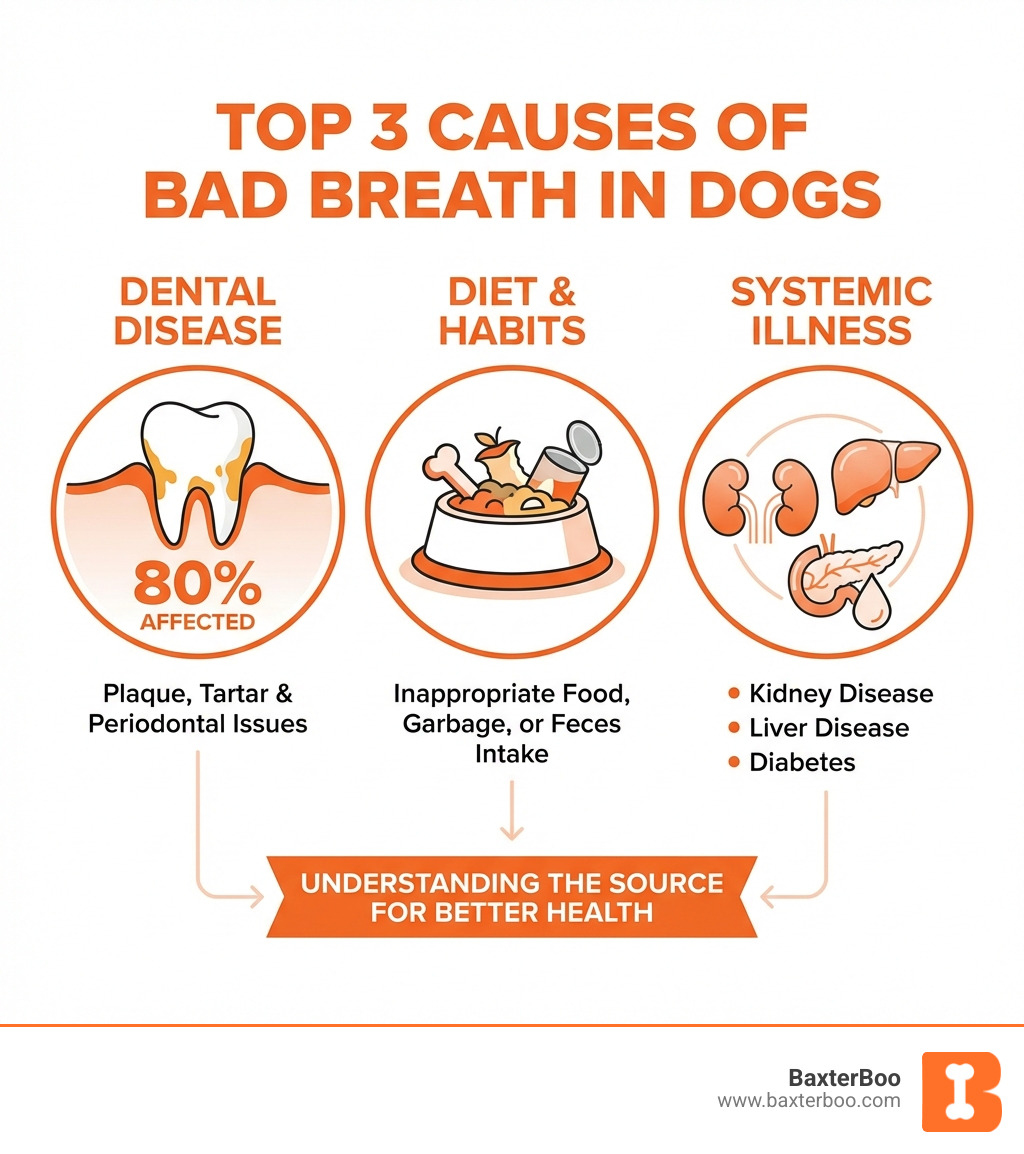
- Dental Disease - Plaque, tartar, and periodontal disease (affects 80% of dogs by age 3)
- Diet & Habits - Eating garbage, feces, or inappropriate foods
- Systemic Illness - Kidney disease, liver disease, or diabetes
- Oral Issues - Foreign objects, tumors, or infections
Loving those welcome-home kisses from your dog is easy, but not when they come with bad breath. This stinky breath isn't just unpleasant—it's often your first clue that something is wrong. Many pet parents think this is just normal "doggy breath," but a strong or persistent foul smell indicates oral disease, systemic health problems, or dietary issues. The good news is that most causes are treatable and preventable with the right care.
In this guide, we'll cover the causes of bad breath in dogs, how to treat it at home, when to see your vet, and how to prevent it. Addressing these issues early is easier, less invasive, and less expensive than waiting until the problem becomes severe.
Why Does My Dog Have Bad Breath? Uncovering the Common Culprits
When your beloved canine friend greets you with a less-than-pleasant aroma, it's natural to wonder why. The truth is, a host of factors can contribute to bad breath dog issues, ranging from simple hygiene oversights to more serious underlying health conditions. Understanding these common culprits is the first step toward getting your pup's breath back to a more agreeable state.
At its core, bad breath often stems from bacteria. These microscopic organisms thrive in your dog's mouth, especially when food particles are present. As bacteria break down these particles, they release volatile sulfur compounds, which are the primary source of that tell-tale foul odor, also known as halitosis.
How Dental Disease Causes Bad Breath
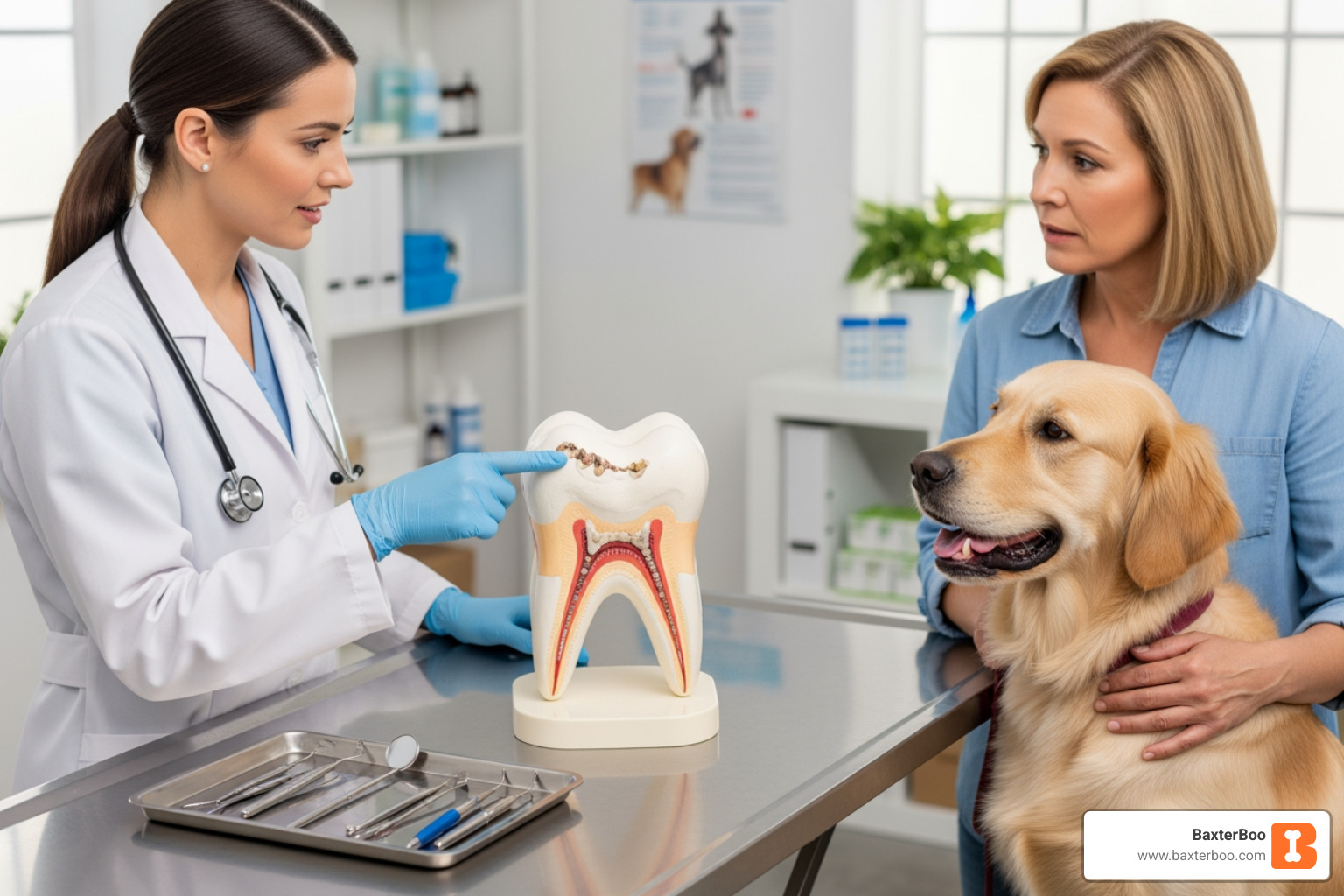
The most frequent offender when it comes to bad breath dog problems is dental disease. It's an astonishing statistic: approximately 80% of dogs show signs of dental disease by the time they reach just three years of age. This means that for many dogs, dental issues are already brewing silently, leading to that unpleasant smell.
Dental disease begins with plaque, a sticky film of bacteria and food particles that constantly forms on your dog's teeth. If not removed, plaque hardens into tartar (or calculus) within 24 hours. Tartar is rough and porous, providing an ideal surface for more bacteria to cling to, leading to even more odor.
This buildup irritates the gums, causing gingivitis – an inflammation of the gums that makes them red, swollen, and prone to bleeding. Gingivitis is the earliest and only reversible stage of periodontal disease. If left untreated, it progresses to full-blown periodontal disease, where the infection spreads below the gumline, attacking the tissues that support the teeth, including the jawbone, periodontal ligament, and cementum. This advanced stage can lead to pain, loose teeth, tooth loss, and severe infections that not only cause excruciating pain but also release a constant stream of foul-smelling bacteria into your dog's mouth. The bacteria in these biofilms are the primary source of the sulfur compounds that create that distinctly bad breath.
For a deeper dive into this common issue, you can find more information on Halitosis in Dogs.
Systemic Health Issues: When Bad Breath Signals a Deeper Problem
Sometimes, a dog's bad breath can be a critical indicator of health problems extending beyond their mouth. These systemic illnesses can cause distinct odors that act as important clues for us and our veterinarians.
-
Kidney Disease: If your dog's breath smells like ammonia or urine, it could be a sign of kidney disease. When kidneys aren't functioning properly, they can't filter waste products from the blood effectively, leading to a buildup of urea. This urea can be exhaled, causing the characteristic odor. Other symptoms might include increased thirst and urination, lethargy, and weight loss.
-
Liver Disease: A particularly foul, musty, or even decaying smell, sometimes accompanied by vomiting, diarrhea, lack of appetite, or yellowing of the gums and eyes, can point to liver disease. The liver plays a crucial role in detoxifying the body, and when it's compromised, toxins can accumulate and be released through the breath.
-
Diabetes: A sweet or fruity smell to your dog's breath can be a warning sign of diabetes. This scent, often described as acetone-like, occurs when a dog's body isn't producing enough insulin or isn't using it effectively, leading to high blood sugar and the production of ketones. Increased thirst, frequent urination, and unexplained weight loss are also common symptoms.
If you notice these specific odors or any accompanying symptoms, consult your veterinarian promptly. For more detailed information, you can refer to Bad Breath in Dogs: Causes and Treatment.
How Diet and Habits Contribute to a bad breath dog
Beyond dental and systemic health, your dog's diet and certain behavioral habits can also be major contributors to bad breath dog issues.
-
Dietary Indiscretion: Dogs are naturally curious and, let's face it, not always discerning eaters. If your dog gets into the garbage, eats decomposing animal remains, or scavenges other unpleasant items, their breath will reflect it. This "garbage breath" is usually temporary but can also indicate a need for better supervision.
-
Coprophagia (Eating Feces): As gross as it sounds, some dogs eat their own poop or the feces of other animals. This habit, known as coprophagia, will undoubtedly lead to breath that smells like, well, feces. While it can be a behavioral issue, it's also sometimes linked to nutritional deficiencies or underlying medical conditions, so it's worth discussing with your vet.
-
Fish-Based Foods/Supplements: While generally healthy, diets or supplements high in fish oil can sometimes give your dog's breath a distinct, strong fishy odor. If this is the cause, it's typically harmless, but if the smell is overwhelming, you might explore different forms of supplements or dietary adjustments with your vet.
-
Foreign Objects: Dogs love to chew, and sometimes bits of sticks, bones, toys, or other objects can get lodged between their teeth or in their gums. These trapped items can cause decay, infection, and a very foul odor. We always recommend supervising your dog during chew time and providing appropriate, safe chew toys.
-
Oral Tumors: Though less common, oral tumors can also cause bad breath. Approximately 6% of all tumors in dogs are oral tumors, and they can be both benign and malignant. As these growths develop, they can become infected, bleed, and cause tissue decay, all of which contribute to an extremely unpleasant smell. If you notice any lumps or growths in your dog's mouth, especially accompanied by bad breath, seek veterinary attention immediately. For further reading on this serious issue, refer to Information on Oral Tumors in Dogs.
Are Certain Breeds More Prone to Bad Breath?
Yes, unfortunately, some breeds are simply more predisposed to dental issues, which often translates to more persistent bad breath dog problems. This isn't about their hygiene habits as much as their unique anatomy.
-
Brachycephalic Breeds: These are the flat-faced breeds like Pugs, Bulldogs, Boxers, and Shih Tzus. Their shortened muzzles often mean their teeth are crowded and misaligned in a smaller jaw. This crowding creates more nooks and crannies where food particles and bacteria can hide, making effective cleaning much more challenging. The anatomical predisposition makes them more prone to plaque and tartar buildup, and subsequently, periodontal disease.
-
Toy Breeds: Smaller dogs such as Chihuahuas, Yorkshire Terriers, Pomeranians, and Miniature Poodles also tend to have more dental issues. Like brachycephalic breeds, their mouths are small, and their teeth can be disproportionately large or crowded. This leads to a higher incidence of plaque and tartar accumulation and periodontal disease at an earlier age.
According to research from the AKC Health Foundation, small breeds may require more dental care than large breeds precisely because their teeth are closer together, promoting plaque and tartar buildup.
While these breeds may be more susceptible, it's crucial to remember that any dog can develop bad breath and dental disease. Proactive care is key for all breeds, but especially for those with a genetic predisposition.
At-Home Care: Your First Line of Defense Against Bad Breath Dog Problems
Addressing bad breath dog issues starts right at home. Establishing a consistent at-home dental care routine is your best proactive measure against plaque, tartar, and the offensive odors they cause. Think of it as preventative medicine that can save you and your pup a lot of discomfort (and vet bills!) down the line.
The Gold Standard: Brushing Your Dog's Teeth
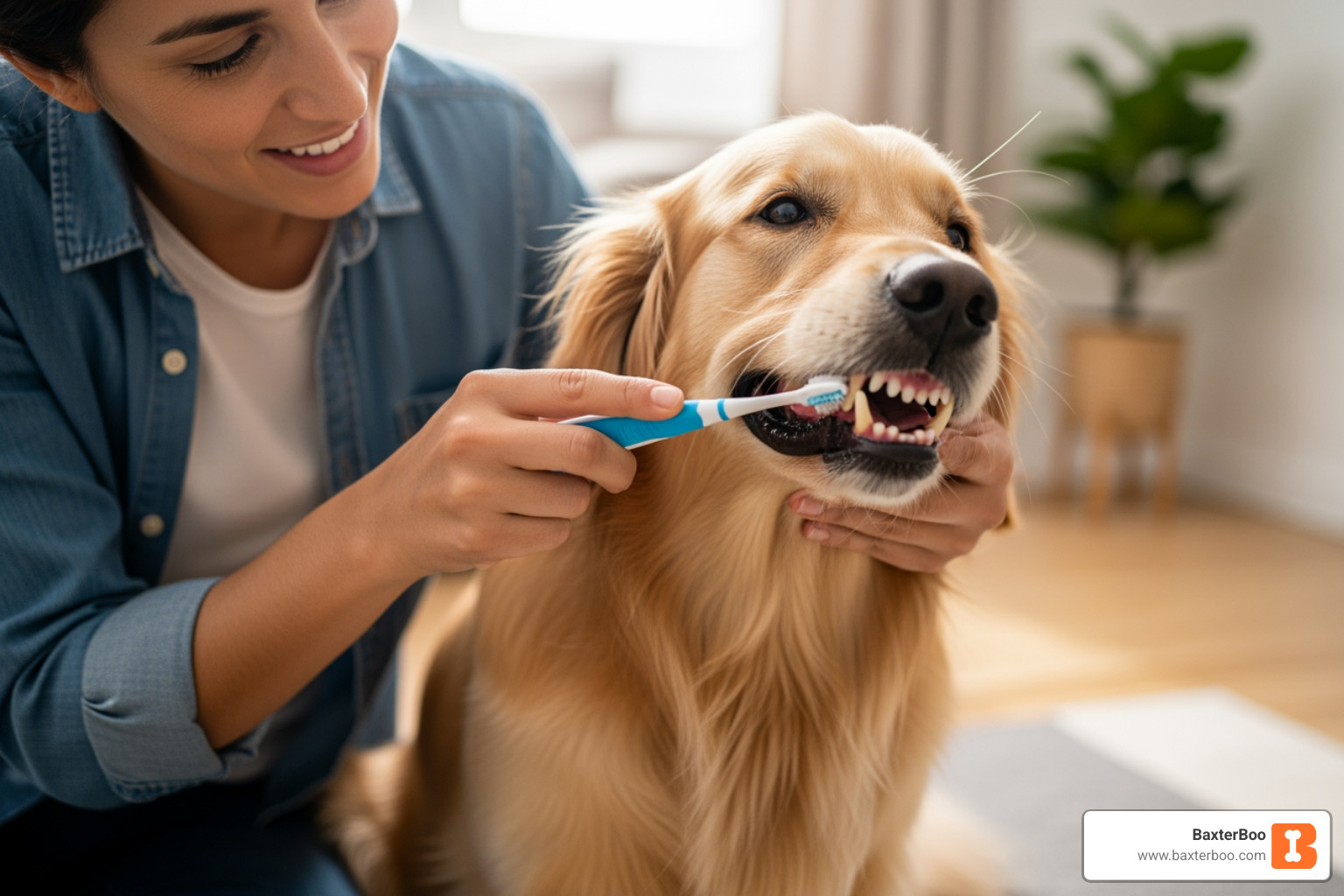
Just like humans, daily tooth brushing is the single most effective way to remove plaque and prevent tartar buildup in dogs. We know it might sound daunting, but with patience and the right tools, it can become a positive part of your dog's routine.
-
How to Brush: Start gradually. Let your dog lick a small amount of dog-specific toothpaste off your finger. Then introduce a dog toothbrush or a finger brush with a tiny bit of toothpaste. Gently lift their lip and brush the outer surfaces of their teeth in circular motions. Focus on the gumline, where plaque tends to accumulate most. Don't worry about brushing the inside surfaces; your dog's tongue usually keeps those cleaner.
-
Daily Frequency: Ideally, brushing should be done daily. If that's not possible, aiming for at least three times a week can still make a significant difference. The more frequently you brush, the less time plaque has to harden into tartar.
-
Choosing Dog-Specific Toothbrushes: Dog toothbrushes are designed with smaller heads and softer bristles to fit comfortably in your dog's mouth. Finger brushes can also be a good option, offering more direct control for some owners.
-
Using Enzymatic Dog Toothpaste: Always use toothpaste specifically formulated for dogs. These toothpastes are safe for your dog to swallow and often come in flavors they love, like poultry or peanut butter, which can make brushing more enjoyable. Many also contain enzymes that help break down plaque and bacteria.
-
Why Human Toothpaste is Toxic: Never, ever use human toothpaste on your dog. Human toothpastes often contain xylitol, an artificial sweetener that is highly toxic to dogs and can cause a rapid drop in blood sugar, liver failure, and even death. Other ingredients like fluoride can also be harmful if swallowed in large quantities.
Dental Chews, Toys, and Additives
While brushing is the gold standard, we understand it's not always easy. Fortunately, there are many excellent supplementary products that can help combat bad breath dog problems and support oral health. When choosing any dental product for your dog, always look for the Veterinary Oral Health Council (VOHC) seal. This seal indicates that the product has met standards for effectiveness in reducing plaque and tartar.
Here are some VOHC-accepted product types we recommend:
-
Dental Chews: These are designed with specific textures and shapes to physically scrape away plaque and tartar as your dog chews. Many also contain active ingredients to inhibit bacterial growth. They're a tasty way to encourage oral hygiene, but remember they are treats and should be given in moderation.
-
Dental Treats: Similar to chews, these treats are formulated to promote oral health. They often have a unique texture that helps clean teeth and can sometimes include breath-freshening ingredients.
-
Chew Toys: Providing plenty of appropriate chew toys made from durable materials can also help. Chewing helps to mechanically remove some plaque and can keep your dog engaged and happy. Just ensure the toys are size-appropriate and won't splinter or be swallowed.
-
Water Additives: These are liquids you add to your dog's drinking water. They contain ingredients that help reduce bacteria in the mouth and can freshen breath. They're a convenient option, especially for dogs who resist other forms of dental care.
-
Dental Powders: These powders are typically sprinkled onto your dog's food. They work systemically or locally in the mouth to reduce plaque and tartar buildup and improve breath.
These products work through various mechanisms, from mechanical abrasion to enzymatic action, all aimed at reducing the bacteria and plaque that cause bad breath. While helpful, they are generally not a substitute for regular brushing or professional veterinary cleanings.
Natural Remedies to Help Freshen Breath
Beyond commercial products, some natural options can help support your dog's oral health and provide a little extra breath-freshening power. These are supplementary and should not replace a comprehensive dental care routine or veterinary attention for underlying issues.
- Carrots and Apple Slices: These crunchy, healthy snacks can act as natural toothbrushes, helping to scrape plaque off teeth as your dog chews. Always remove seeds and the core from apples, as apple seeds contain cyanide. Ensure pieces are appropriately sized to prevent choking.
- Parsley: A small amount of fresh, finely chopped parsley added to your dog's food can act as a natural breath freshener. It contains chlorophyll, which is known for its deodorizing properties.
- Coconut Oil: This versatile oil can be added in small amounts to your dog's food. Some owners even use it as a natural, edible toothpaste due to its antimicrobial properties. Always introduce new foods slowly to avoid stomach upset.
- Plain Yogurt & Probiotics: The beneficial bacteria in plain, unsweetened yogurt (ensure it contains live and active cultures) or specialized probiotic supplements can help balance the oral and gut microbiome. A healthy gut can sometimes contribute to fresher breath.
- Hydration: Ensuring your dog drinks enough water is crucial. Water helps rinse away food particles and bacteria from the mouth. You can use a dog water intake calculator to determine how much your dog should drink daily based on their weight and activity level. For every 1 pound of body weight, a dog should consume ½ to 1 ounce of water per day.
These natural approaches can be a wonderful addition to your dog's overall wellness plan, contributing to better breath and general health.
When to See a Vet and What Professional Treatments to Expect
While at-home care is crucial, there are times when your dog's bad breath demands professional veterinary attention. Ignoring persistent or unusually foul breath can lead to serious health consequences, as it's often a symptom of something more significant.
Red Flags: When to Call Your Veterinarian Immediately
We encourage dog owners to be vigilant about changes in their pet's health. When it comes to bad breath dog issues, certain signs warrant an immediate call to your veterinarian:
- Sudden, Foul Odor: A sudden onset of extremely offensive breath, especially if it's much worse than usual, can indicate a foreign object, a severe infection, or even a rapidly growing oral tumor.
- Sweet or Urine-like Breath: As discussed, a sweet, fruity odor can signal diabetes, while an ammonia or urine-like smell points to kidney disease. These are medical emergencies.
- Drooling or Pawing at Mouth: Excessive drooling, difficulty chewing, or your dog constantly pawing at their mouth suggests pain or discomfort in the oral cavity, possibly due to a broken tooth, abscess, or foreign body.
- Loss of Appetite or Difficulty Eating: If your dog suddenly stops eating or shows reluctance to chew hard food, it could be due to severe dental pain or an underlying systemic illness.
- Lethargy, Vomiting, or Weight Loss: These generalized symptoms, when accompanied by bad breath, are strong indicators of a serious underlying health problem like liver disease, kidney disease, or other systemic issues.
If you notice any of these red flags, try to inspect your dog's mouth if it's safe to do so, but prioritize contacting your veterinarian in Vernon Hills, IL, or a nearby clinic in Illinois right away.
The Importance of Professional Veterinary Care for a bad breath dog
Regular professional veterinary care is indispensable for managing and preventing bad breath dog problems. Even with the most diligent at-home routine, plaque and tartar can accumulate in hard-to-reach areas, and underlying health issues can develop unnoticed.
- Annual Check-ups: These routine visits are not just for vaccinations. Your veterinarian will perform a thorough physical examination, including a visual check of your dog's teeth and gums. They can spot early signs of dental disease, malocclusions, or other oral abnormalities that you might miss.
- Oral Exams: During these exams, your vet can assess the stage of any existing dental disease, recommend appropriate preventative measures, and advise on when a professional dental cleaning might be necessary.
- Early Diagnosis: Veterinary professionals are trained to recognize the subtle cues that indicate more serious conditions. Early diagnosis of dental disease or systemic illnesses means earlier intervention, which is often less invasive, more effective, and ultimately better for your dog's long-term health and your wallet.
For comprehensive dental care services and to assess your pet's dental health, we recommend reaching out to local experts in our area, such as Companion Animal Hospital in Vernon Hills or checking resources like Rate Your Pet's Dental Health Mundelein, IL.
Professional Dental Cleaning and Other Treatments
When dental disease progresses beyond what at-home care can manage, professional intervention becomes essential. This typically involves a procedure known as a Comprehensive Oral Health Assessment and Treatment (COHAT).
- Anesthesia: A COHAT is performed under general anesthesia. This is crucial for several reasons: it ensures your dog feels no pain, allows for a thorough and safe examination, and enables the use of specialized instruments. We understand concerns about anesthesia, but modern veterinary anesthesia protocols are very safe, and the benefits of a proper cleaning far outweigh the minimal risks.
- Scaling (Above and Below the Gumline): Once under anesthesia, your vet will carefully scale your dog's teeth, removing plaque and tartar both above and, critically, below the gumline. Removing subgingival plaque and tartar is vital, as this is where much of the destructive periodontal disease occurs.
- Polishing: After scaling, the teeth are polished. This smooths the tooth surface, making it harder for plaque to adhere, thus slowing down future buildup.
- Dental X-rays: Just like in human dentistry, dental X-rays are essential for evaluating the health of the tooth roots and jawbone. Much of dental disease occurs below the gumline, invisible to the naked eye. X-rays can reveal abscesses, bone loss, unerupted teeth, or other hidden problems.
- Tooth Extractions: If a tooth is severely diseased, fractured, or causing pain, extraction may be necessary to alleviate discomfort and prevent further infection.
- Biopsies for Tumors: If any suspicious growths or lesions are found during the oral exam, a biopsy will be taken to determine if they are benign or malignant, guiding further treatment.
Professional dental cleanings are not just about aesthetics; they are a critical health procedure that can significantly improve your dog's quality of life and prevent systemic health complications.
Frequently Asked Questions about Bad Breath in Dogs
We often hear similar questions from concerned pet parents. Let's address some of the most common ones about bad breath dog issues.
What can I put in my dog's water for bad breath?
Dental water additives can be a helpful tool in your arsenal against bad breath. These products are formulated to be added directly to your dog's drinking water. They typically contain ingredients that work to reduce the bacteria in the mouth that cause plaque, tartar, and odor. By cutting down on harmful bacteria, they contribute to better oral hygiene and fresher breath.
When choosing a water additive, always look for products that carry the Veterinary Oral Health Council (VOHC) seal. This seal assures you that the product has been scientifically proven to reduce plaque and/or tartar. While effective for some dogs, it's important to understand that water additives are a supplementary measure and are not a substitute for regular tooth brushing or professional dental cleanings. They can help maintain oral health between brushings and professional visits, but they can't remove existing tartar or treat advanced dental disease.
Is it normal for a dog's breath to stink?
This is one of the biggest misconceptions we encounter! Many people believe that "doggy breath" is just a normal part of owning a dog, but we're here to tell you: no, it's not normal. While a very mild odor might be present after eating, a strong, persistent, or foul smell is almost always an indicator of an underlying issue.
Think of it this way: "puppy breath" is often described as sweet or mild, largely because puppies typically haven't developed plaque and tartar buildup yet, and their diet is often milk-based. As dogs age, and their teeth accumulate plaque and tartar, the odor changes. So, while a puppy's breath might be agreeable, an adult dog's stinky breath is a red flag that something needs attention, most commonly dental disease.
How can I fix my dog's bad breath fast?
We understand the desire for a quick fix when your dog's breath is particularly offensive. However, there's no instant cure for bad breath dog problems, especially if the cause is an underlying health issue.
- Temporary Relief: Brushing your dog's teeth or using dental wipes can offer immediate, albeit temporary, relief by physically removing some surface bacteria and food particles. Dental rinses can also help mask the odor for a short period.
- Addressing the Root Cause: The only true, lasting fix for bad breath is to identify and address its underlying cause. If it's dental disease, it will require consistent at-home care and potentially a professional dental cleaning. If it's a systemic issue like kidney disease or diabetes, it will require medical treatment.
- See a Vet for Diagnosis: If you're concerned about your dog's bad breath, the fastest and most effective "fix" is to schedule an appointment with your veterinarian. They can accurately diagnose the problem and recommend the appropriate treatment plan, ensuring your dog's long-term health and, yes, fresher breath.
A Proactive Approach to Your Dog's Oral Health
Managing bad breath dog issues boils down to a proactive and holistic approach to your pet's health. We've learned that bad breath is rarely just a cosmetic problem; it's a significant health indicator that should never be ignored.
The key takeaways are clear:
- Bad breath is a health indicator: Whether it's a sign of dental disease, dietary indiscretion, or a serious systemic illness like kidney disease, liver disease, or diabetes, foul breath is your dog's way of telling you something is amiss.
- Prevention is key: Consistent daily home care, including regular tooth brushing, VOHC-approved dental chews and additives, and a healthy diet, forms the foundation of good oral hygiene.
- Regular vet visits are essential: Annual check-ups and professional dental cleanings in our Vernon Hills facility, when recommended, are vital for early diagnosis, comprehensive treatment, and preventing serious health complications.
At BaxterBoo, we are committed to pet wellness, understanding that a happy, healthy pet starts with preventative care and a keen eye for early signs of trouble. By taking these steps, you're not just improving your dog's breath; you're safeguarding their overall health and ensuring many more years of happy, healthy cuddles (without the nose-wrinkling!).
Explore our range of dog health and wellness products to support your furry friend's journey to optimal health and fresher breath.






