
Can cats eat shrimp? Yes, they can, and many enjoy it as a tasty treat. Shrimp provides several nutritional benefits for cats, but there are also risks that pet owners should be aware of. Proper preparation is essential to ensure shrimp is safe for your feline friend.
Pros of Feeding Shrimp to Cats
When given in moderation as a treat or meal topper, shrimp can offer cats several nutritional benefits:
- Rich in Protein: Shrimp is a fantastic source of protein that helps with muscle development and general well-being.
- Low in Fat and Calories: They are a great treat for cats that need to maintain or lose weight because they are low in fat and calories.
- High in Vitamins and Minerals: B12, phosphorus, and iodine are just a few of the vital minerals found in shrimp, which contribute to a balanced diet.
Including shrimp in your cat's food could offer them a high-protein treat without adding too many extra calories to their diet.
Cons of Feeding Shrimp to Cats
Although shrimp has advantages, improper feeding can put them at risk due to:
- High Sodium Levels: A lot of shrimp items, particularly store-bought ones, have a high sodium content that may be toxic to cats.
- Allergic Reactions: Some cats can develop skin problems, vomiting, or diarrhea as a result of an allergic reaction to shrimp.
- Risk of Choking: If you don't completely remove shrimp shells, tails, or poorly cooked shrimp before serving, they could lead to choking concerns.
It's crucial to keep an eye on how your cat responds to shrimp and steer clear of anything that has extra salt or seasoning.
How To Prepare Shrimp for Cats
If you correctly prepare shrimp, your cat can safely eat it. Get shrimp that are either fresh or frozen and free of any seasonings or preservatives, and make sure you thoroughly clean the shrimp and devein them to get rid of any possible contaminants. The safest method for cooking shrimp for your cat is to boil or steam it, and you want to avoid seasoning, frying, or using oil to prepare it.
Cut the shrimp into tiny, bite-sized pieces after they are ready. Before adding it to your cat's rotation of soft and chewy treats, give them a small amount to see how they respond, and make sure your cat only gets shrimp as a treat occasionally rather than as a staple food.
Monitoring Your Cat’s Response to Shrimp
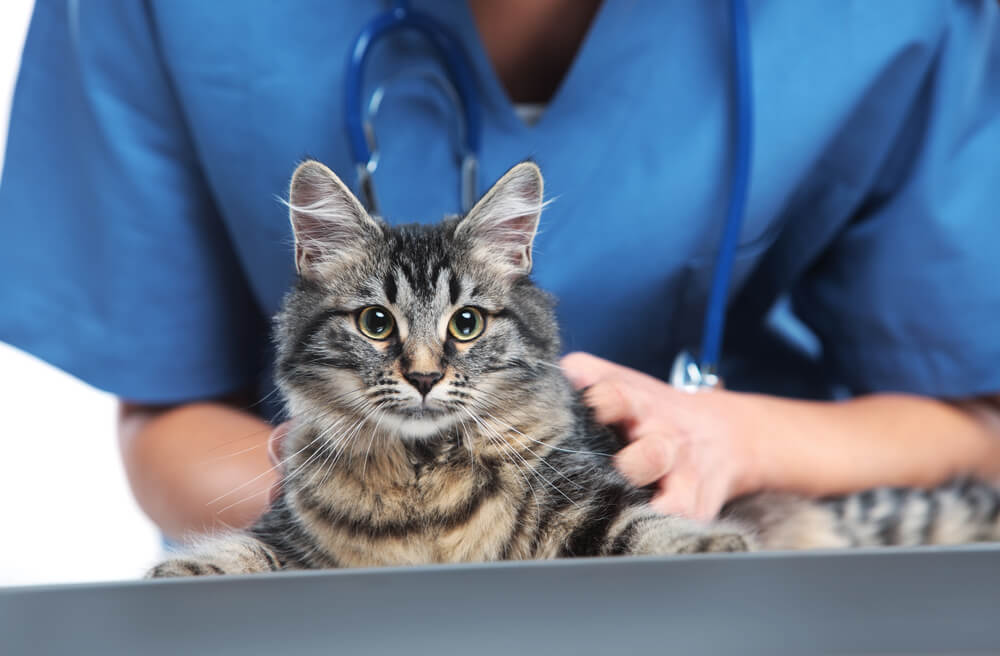
Keep an eye out for symptoms of allergic reactions or stomach distress whenever you introduce new foods to your cat's diet, and start with a small amount and pay close attention to your cat. A shrimp allergy can show up as symptoms like:
- Vomiting
- Diarrhea
- Persistent itching
Should these happen, stop feeding your cat shrimp right away and talk with your veterinarian. Moderation is still important even if your cat fails to show any symptoms right away because overeating shrimp could lead to upset stomachs or nutritional deficiencies.
Give Your Cat Balanced Nutrition With Baxterboo
Shrimp can be an exciting, occasional treat for your cat, but it’s important to approach it with care. For additional guidance on pet nutrition or finding top-tier products for your cat, contact BaxterBoo today!


