
 Save 15% on your 1st Autoship learn more

 Email us
 Live Chat
 FAQs
FAQs





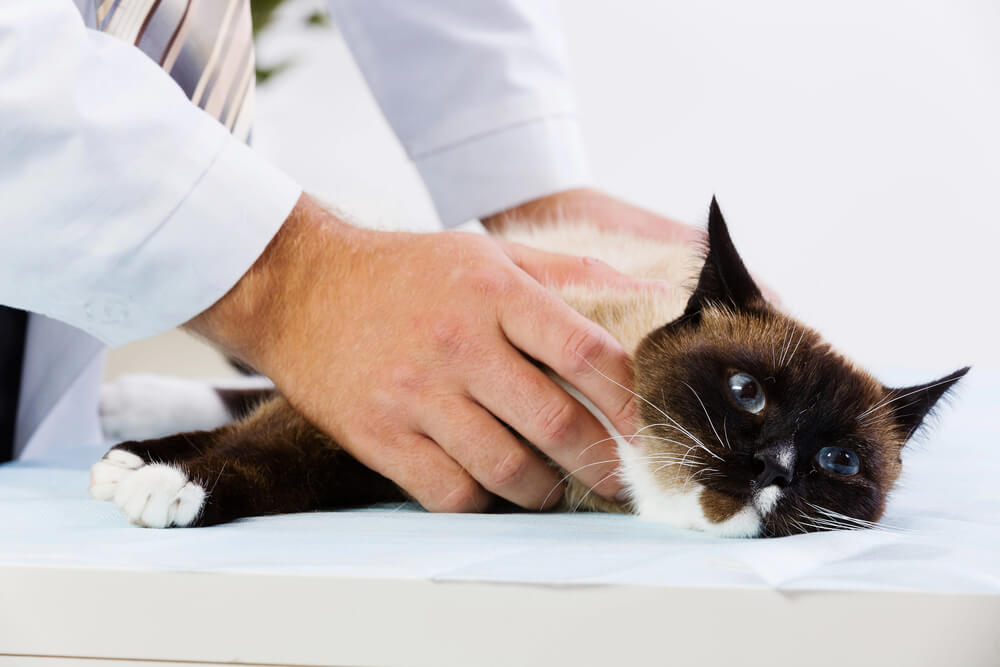
Cats, like humans, are susceptible to various respiratory issues, which can cause symptoms similar to a cold. If you’ve ever asked yourself if cats can get a cold, you’re not alone. Understanding these symptoms and knowing how to care for a sick cat is crucial for maintaining their well-being and ensuring a swift recovery.
How Can Cats Get a Cold?
Cats can catch a cold, just like humans. If you noticed your cat sneezing, sniffling, or seeming more fatigued than usual, you might be wondering, can cats get a cold? While they won’t catch the same cold viruses as you, they can experience similar symptoms due to upper respiratory infections.
Bacterial or viral infections are the common causes of cat colds, and they are extremely contagious among cats, especially in environments like multi-cat households or shelters. The two most common viral culprits behind feline upper respiratory infections are
- Feline calicivirus (FCV): This virus spreads by direct contact with an infected cat or through contact with contaminated objects like food bowls, litter boxes, or bedding. It can also spread if an infected cat goes into a carrier and you put another cat in the carrier without sanitizing it first.
- Feline herpesvirus (FHV): Also known as feline viral rhinotracheitis (FVR), it spreads through direct contact with an infected cat or contaminated objects. Cats can also contract FHV through inhalation of airborne particles from an infected cat’s sneeze. It stays dormant in your cat’s system, and stress or an illness can trigger a flare.
Additionally, bacterial infections, such as those from Bordetella bronchiseptica or Chlamydia felis, can cause cold-like symptoms in your cats. Pinpointing the underlying cause will help you pick the most effective treatment and preventative measures.
What Are Cat Cold Symptoms?
When your pet has a cat cold, they display symptoms very close to what a human does, including sneezing, runny nose, coughing, or watery eyes. You may also notice lethargy or a decrease in appetite.
Some cats may get a mild fever or start swelling around their eyes. It’s essential to monitor any cat cold symptoms as they pop up. To help them breathe better, consider using a holistic easy breather spray to support their respiratory health.
How Long Does a Cat Cold Last?

How long your cat’s cold lasts depends on the infection’s severity and your cat’s overall health. Mild cases tend to resolve within one or two weeks, and more severe cases may take over two weeks. During this time, keep your cat comfortable and monitor them.
If the cold symptoms persist over two weeks or if your cat’s condition starts to deteriorate, it’s essential to contact a vet. These worsening or ongoing symptoms could indicate there is an underlying health issue or a secondary infection.
Do Cats Get Colds That Go Away On Their Own?
In many cases, a mild cold will resolve by itself. However, this doesn’t mean you want to ignore the symptoms. Ensuring your cat stays well-hydrated and comfortable can help them recover quicker.
For more support, you may want to try something like the PetAlive Respo-K Support. It can help strengthen your cat’s respiratory system as they recover. It's also important to keep them in a stress-free environment, as stress can make the symptoms worse and prolong recovery time.
How Do You Treat a Cat With a Cold?
If your cat gets a cold, ensure they have a quiet, warm place to rest as they recover and encourage them to drink. Humidifiers can help reduce their congestion levels. If your cat has persistent issues, something like the lung care supplement offers more respiratory support to help lessen severe symptoms. Also, mixing warm water with your cat’s food makes it more palatable, especially if nasal congestion causes them to not want to eat much.
Preventing the Spread of Cat Colds
Preventing the spread of cat colds, especially in multi-cat households, is essential. Since cat colds are extremely contagious, it’s important to isolate the affected cat from other pets until they make a full recovery.
Ensure every cat in the household has all their vaccinations because this reduces the frequency and severity of upper respiratory infections. Make a point to regularly clean your cat’s bedding, bowls, and litter box to reduce the chances of the infection spreading.
What Can I Give My Cat for a Cold?

There isn’t a direct cure for a cat cold, but there are several products available that can help reduce any symptoms and support their immune system. For example, Pet Honesty’s Immune Support supplement is for cats, and it offers doses of lysine and other nutrients that strengthen the immune system, helping your cat recover faster. You can also offer your cat wet food instead of dry as it can be easier for a sick cat to eat, and ensure you offer them plenty of fresh water to help ward off dehydration.
When Should You Worry About a Cat Cold?
While most colds are mild and will go away by themselves, certain symptoms need immediate veterinary attention or advice. It’s time to consult a veterinarian if your cat:
- Stops eating or drinking
- Develops difficulty breathing
- Shows signs of extreme lethargy
These all indicate you could have a more serious problem on your hands, such as a secondary bacterial infection or pneumonia, which requires quick treatment. Also, senior cats, kittens, and cats with pre-existing conditions are more vulnerable to cold complications and require closer monitoring.
Should I Take My Cat to the Vet for a Cold?
It’s always a good idea to consult with a veterinarian if your cat shows signs of a cold, especially if the symptoms persist or worsen. Some cat colds can develop into more severe conditions, such as pneumonia, if left untreated.
If your cat's cold symptoms don’t start to get better after a few days, or if they refuse to eat or drink, it’s time to seek professional help. Products like the KC-Defense Granules can provide additional support, but they are not a substitute for veterinary care. Your vet may prescribe medications or recommend additional treatments to help your cat recover more quickly.
Helping Your Feline Friend Through the Sniffles
When a cat gets a cold, it can be worrisome. But knowing how to care for your furry friend can make all the difference. By recognizing symptoms early, providing supportive care, and seeking veterinary advice when necessary, you can help your cat recover quickly.
For personalized product recommendations or any questions about your cat's health, don’t hesitate to reach out to BaxterBoo. We're here to help you keep your cat happy and healthy, offering a range of products designed to support their overall well-being.






