
 Save 15% on your 1st Autoship learn more

 Email us
 Live Chat
 FAQs
FAQs





Introduction
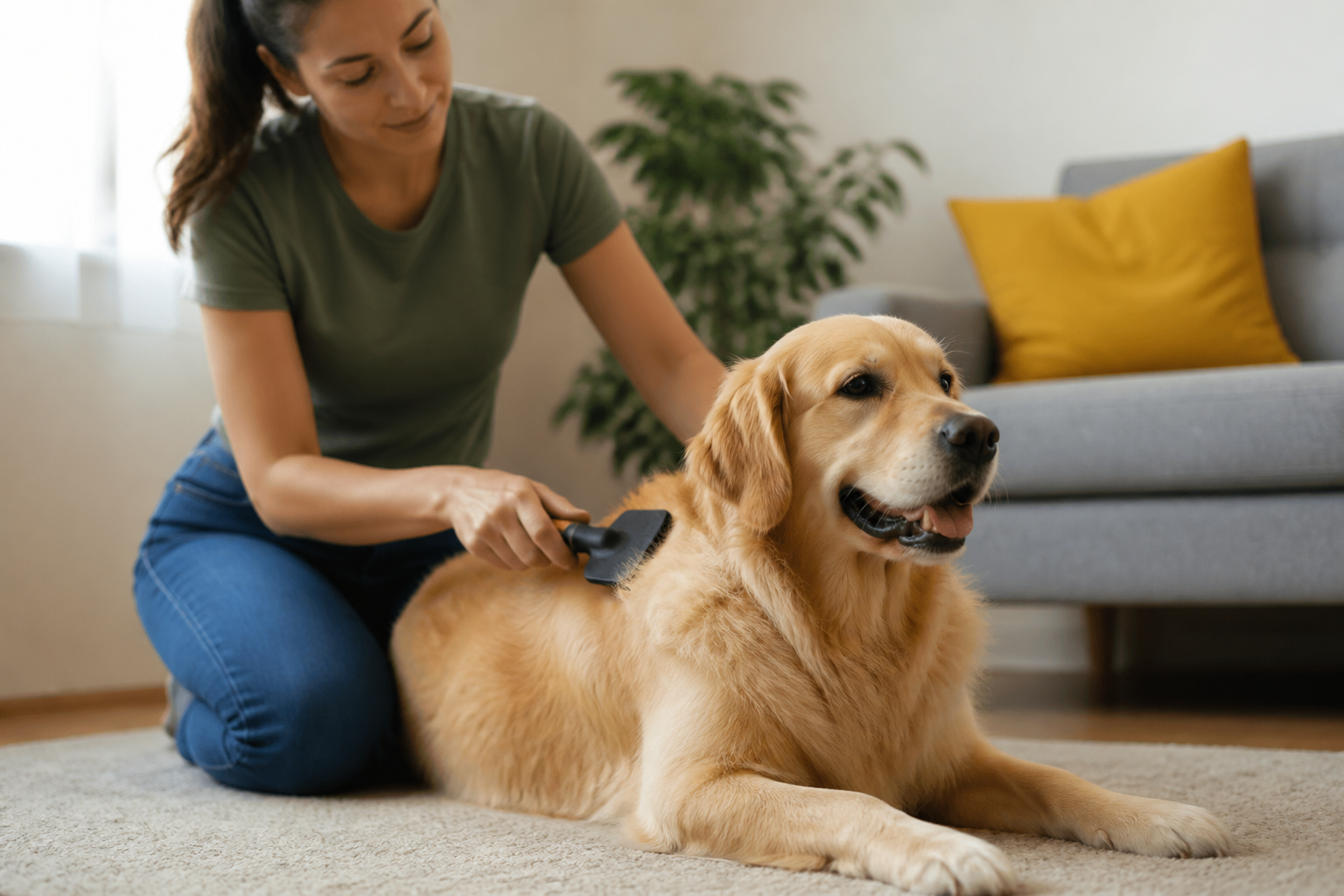
You might find yourself sitting on the floor with your dog after a long walk. You have a slicker brush in hand and a pile of fur growing beside you. It feels productive to keep going until every loose hair is gone. However, many owners wonder if there is a point where helpful grooming becomes harmful. At BaxterBoo, we see many pet parents who are dedicated to their dog's hygiene but worry about causing discomfort. Brushing is essential for health, yet it requires a gentle touch and the right timing. This post covers how to identify your dog's coat type and the risks of over-grooming. We will also look at the best tools for each job and how to keep the skin healthy. Finding the right balance ensures your dog stays comfortable and their coat stays shiny.
Quick Answer: Yes, you can over-brush your dog. Excessive brushing or using too much pressure causes skin irritation known as brush burn and can damage the hair shafts.
The Risks of Over-Brushing Your Dog
Brushing is usually a positive activity. It removes dead hair and spreads natural oils across the skin. But you can definitely have too much of a good thing. When you brush the same spot repeatedly, you risk hurting the underlying skin. This is the most common issue we see when owners use de-shedding tools too aggressively.
The skin of a dog is thinner and more sensitive than human skin. Constant friction from metal bristles or blades can scrape the surface. This leads to redness, bumps, and even open sores. Beyond the physical pain, over-grooming can damage the quality of the fur. You might snap healthy hairs or strip away too much of the protective undercoat.
Key Takeaway: Proper grooming requires a balance between removing dead hair and protecting the living skin and fur.
Identifying Brush Burn
Brush burn is a specific type of skin irritation. It happens when a brush or comb is used with too much force or for too long in one area. It looks like a red, rectangular patch or a series of scratches. You might notice it most on areas where the skin is thin. This includes the belly, the inner thighs, and the tops of the ears.
If your dog flinches when you touch a specific spot after grooming, check for redness. Some dogs will start licking the area constantly to soothe the sting. This licking can lead to "hot spots," which are painful, wet skin infections. If you notice raw skin or discharge, it is time to stop grooming that area entirely.
Vet Tip: If your dog develops red, raw, or weeping skin after brushing, consult your veterinarian. Our pet pharmacy offers prescription topical treatments and medicated shampoos to help manage irritated skin.
Understanding Your Dog's Coat Type
Every dog has a different set of grooming needs based on their genetics. A Boxer does not need the same routine as a Husky. To avoid over-brushing, you must understand exactly what kind of coat you are working with. We carry tools for every variety, but the frequency of use changes significantly between types.
Smooth and Short Coats
Dogs like Boxers, Dalmatians, and Beagles have very short hair that sits close to the skin. These dogs are the easiest to over-brush because there is no thick fur to act as a buffer. Using a metal slicker brush on a Greyhound can cause immediate irritation.
For smooth coats, you only need to brush once or twice a week. A rubber curry brush or a soft bristle brush is usually enough. These tools massage the skin without scratching it. If you use a shedding blade, use almost no pressure. Let the weight of the tool do the work.
Double Coats
German Shepherds, Huskies, and Samoyeds have a soft undercoat and a coarse outer coat. These dogs shed a lot. It is tempting to brush them for hours to stop the fur from covering your furniture. However, these dogs need a specific approach to avoid skin damage.
Use an undercoat rake to pull out the loose fluff. Work in sections and move on once the rake glides through easily. Do not keep scraping the same spot once the bulk of the hair is gone. Brushing these dogs three times a week is usually plenty. During "blow out" seasons in spring and fall, you can increase this to daily sessions, but keep them short.
For more guidance on seasonal coat changes, read about how dogs manage seasonal shedding.
Curly and Drop Coats
Poodles and Bichons have curly hair that does not shed much but mats easily. Yorkies and Maltese have "drop coats" which are more like human hair. These dogs need frequent brushing to prevent tangles. Because their hair is fine, it is easy to pull on the skin by accident.
Daily brushing is often recommended for these types to keep mats away. The trick is to use a high-quality pin brush or a soft slicker. If you find a knot, do not yank it. Hold the base of the hair near the skin so you do not pull on the dog's body while you work the knot out.
Wire and Silky Coats
Wire-haired breeds like Schnauzers have a tough outer layer. They need weekly brushing with a slicker brush to prevent the undercoat from matting. Silky coats, like those on Cocker Spaniels, are prone to tangles in the "feathers" on their legs. These dogs need a gentle touch to avoid breaking the long, beautiful hairs.
The Danger of Brushing a Dry Coat
One of the most common mistakes owners make is brushing a completely dry coat. This is especially risky for long-haired or curly-coated dogs. Dry hair has more friction. When you pull a brush through dry fur, it creates static electricity. This static makes the hair stand up and tangle even faster.
Dry brushing also leads to hair breakage. Think of it like brushing your own hair when it is full of hairspray. It snaps instead of stretching. Always use a light mist of grooming spray or detangler before you start. This lubricates the hair shafts. The brush will glide through much easier, which means you do not have to brush the same spot as many times.
For tools that can be used on wet or dry hair, consider the BASS Bathing Dog Brush.
How to Apply Grooming Sprays
Step 1: Choose a spray suited to your dog's coat type.
Step 2: Hold the bottle about six to eight inches away from the fur.
Step 3: Lightly mist the area you plan to brush first. Do not soak the dog.
Step 4: Use your fingers to work the spray into any visible knots.
Step 5: Begin brushing gently from the ends of the hair up toward the skin.
Key Takeaway: Lubricating the coat with a spray reduces the number of passes needed with a brush, lowering the risk of skin irritation.
Choosing the Right Tools
Using the wrong tool is a fast track to over-brushing. If you use a tool that is too aggressive for your dog's coat, you will cause damage long before you finish grooming. We handpick every grooming tool we stock to ensure they meet high standards for safety and comfort.
- Slicker Brushes: These have fine wire bristles. They are great for removing loose hair and debris. Choose "soft" slickers for dogs with sensitive skin.
- Pin Brushes: These look like human hairbrushes with tipped ends. They are best for long-haired dogs to prevent breakage.
- Bristle Brushes: These use natural or synthetic bristles to smooth the coat. They are ideal for short-haired dogs and finishing long coats.
- Undercoat Rakes: These have long, wide-spaced teeth. They reach through the topcoat to grab loose undercoat hair without cutting the fur.
- Rubber Curry Brushes: These are perfect for smooth-coated dogs. They stimulate the skin and remove surface dirt without any risk of scratches.
Browse our dog brushes and combs to compare tools for different coat types.
Bottom line: Matching the tool to your dog’s specific coat type is the best way to prevent accidental skin damage.
Signs Your Dog is Stressed by Grooming
Over-brushing is not just about the skin. It is also about your dog's mental well-being. If grooming sessions go on too long, your dog may become anxious. They might start to associate the brush with pain or boredom.
Watch for these signs of stress:
- Whining or growling when the brush appears.
- Trying to crawl away or hide.
- Lip licking or yawning excessively.
- Tucking the tail between the legs.
- Trembling or shaking.
If you see these signs, stop the session. It is better to do five minutes of happy brushing than thirty minutes of stressful grooming. You can always finish the rest of the dog tomorrow. Keeping the experience positive ensures your dog will let you groom them for years to come.
Establishing a Healthy Routine
A consistent schedule is better than a marathon grooming session once a month. When you groom regularly, you prevent the massive tangles that require heavy-duty brushing. This keeps the skin calm and the coat manageable.
For most dogs, a ten-minute session twice a week is the "sweet spot." This is enough time to check for ticks, bumps, or dry skin without over-taxing the hair. It also allows you to catch small mats before they become tight clumps. Tight mats pull on the skin constantly, which is very painful for a dog.
Explore our dog grooming supplies for brushes, shampoos, conditioners, and other routine-care essentials.
Managing Shedding Without Over-Brushing
If your main goal is to stop shedding, remember that you cannot brush away a biological process. Dogs shed based on light, temperature, and health. No amount of brushing will stop a Husky from shedding entirely.
Instead of brushing more, look at other ways to manage the fur. High-quality nutrition can strengthen hair follicles. We carry brands like Open Farm and Stella & Chewy's that focus on whole-food ingredients. A healthy coat sheds less because the hair is stronger. You can also use de-shedding shampoos during bath time. These help the hair fall out in the tub rather than on your carpet, reducing the need for aggressive brushing later.
When to Contact Your Vet
Sometimes, what looks like a grooming issue is actually a medical one. If your dog is losing hair in patches, it might not be over-brushing. It could be allergies, mites, or a hormonal imbalance. Brushing an already irritated skin condition will only make things worse.
If the skin looks greasy, smells "musty," or has crusty scabs, put the brush away. These are signs of a skin infection or a fungal issue. Your vet can diagnose the problem and provide the right medication. Our pharmacy can fulfill those prescriptions once you have them. We offer a wide range of treatments to get your dog's skin back to health.
For additional skin and coat products, visit our dog skin and coat care collection.
Vet Tip: If you notice sudden hair loss or your dog is constantly scratching even when clean, schedule a vet visit. Skin issues often require professional diagnosis to ensure you are using the right treatment.
Conclusion
Brushing your dog is a key part of their care, but it is possible to overdo it. Focus on gentle, frequent sessions rather than long, intense ones. Always use a grooming spray to protect the hair and choose tools that match your dog's specific coat type. If you notice any redness or your dog seems stressed, take a break and reassess your technique. By staying mindful of your dog's comfort, you can keep their coat looking its best without causing any irritation.
- Check for skin redness after every session.
- Never brush a completely dry coat.
- Stop if your dog shows signs of stress or pain.
- Use the right tool for your dog's specific fur type.
If you need help finding the perfect brush or a soothing spray, browse our full collection of grooming supplies. We also recommend checking out the MVP Rewards programme to earn points on all your grooming and wellness purchases.
FAQ
How can I tell if I am pressing too hard while brushing?
A good test is to run the brush against the inside of your own forearm with the same pressure. If it feels scratchy, sharp, or leaves red marks on your skin, it is too much for your dog. You should use a light hand and let the bristles do the work rather than pushing into the skin.
My dog has a very thick coat. Is it okay to brush him every day?
For breeds with thick double coats or curly hair, daily brushing is often helpful to prevent mats. However, you should not brush the entire dog for a long time every day. Focus on a different area each day or do a quick "once-over" to catch new tangles before they tighten.
What should I do if I accidentally give my dog brush burn?
Stop brushing the area immediately and keep it clean and dry. You can apply a pet-safe soothing balm or consult your vet if the area looks very red or starts to ooze. Our pharmacy offers many medicated options if a vet determines the irritation has turned into a skin infection.
Does my dog need a specific type of brush if they have sensitive skin?
Yes, dogs with sensitive skin or very thin coats benefit most from rubber curry brushes or soft bristle brushes. Avoid metal rakes or stiff slicker brushes unless there is a thick layer of fur to protect the skin. Always use a conditioning spray to add an extra layer of protection during the grooming process.






