
 Save 15% on your 1st Autoship learn more

 Email us
 Live Chat
 FAQs
FAQs





Introduction
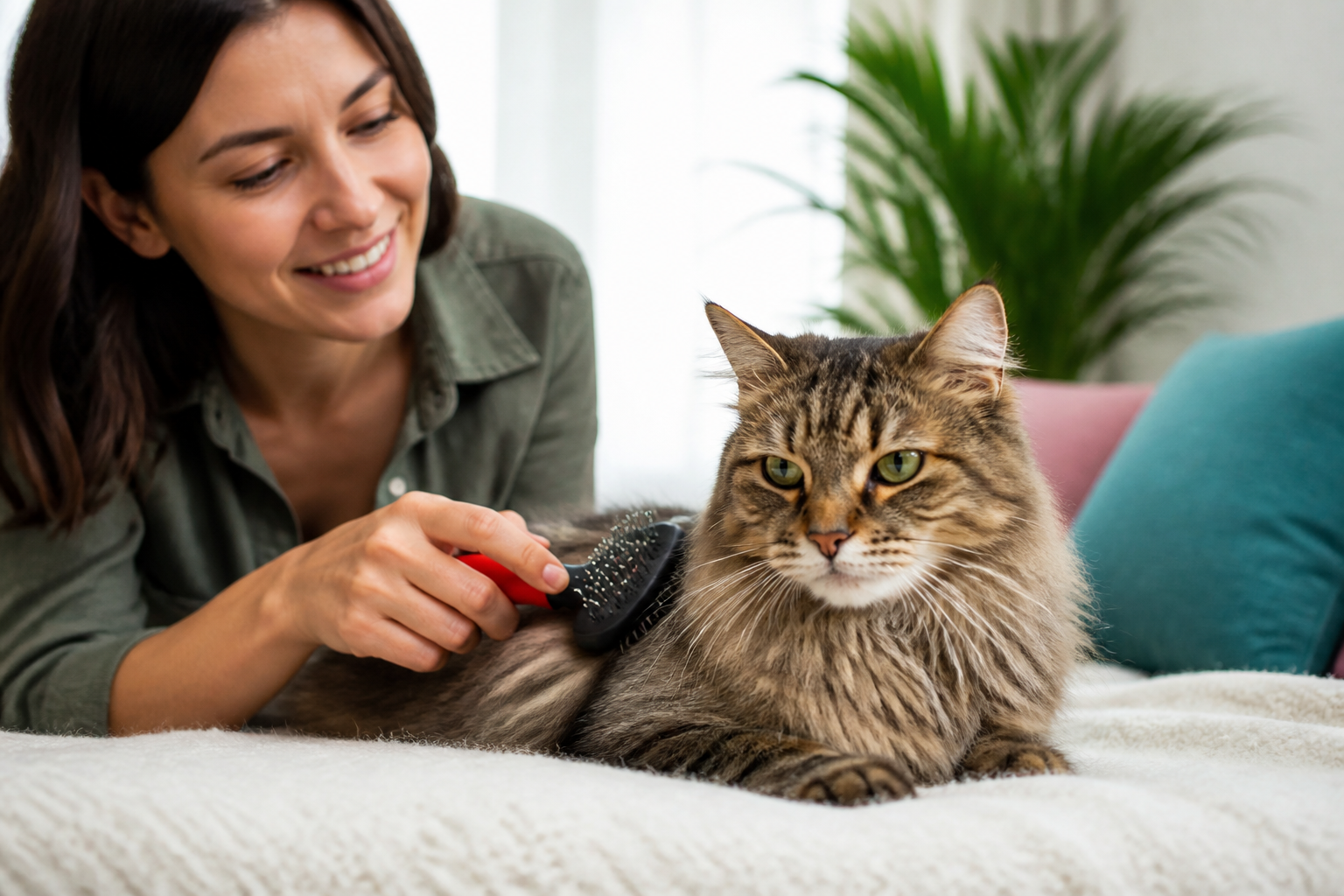
You are standing in the middle of your living room. Your cat is shedding tufts of fur across the rug. You reach into the grooming bin and pull out the brush you usually use for your Golden Retriever. Before you pull it through your cat's delicate coat, you pause. You might wonder if the tools designed for a sturdy dog are safe for a much smaller feline. It is a common question for many of our customers who share their homes with both species.
At BaxterBoo, we know that your pets are part of the family and you want to give them the best care possible. Using the wrong brush can lead to skin irritation or even small cuts. This post covers the differences between dog and cat skin. We will explain which dog brushes are safe to use on cats and which ones you should leave in the dog's bin. We will also help you identify the best grooming tools to keep your cat comfortable and shed-free.
Why Dog and Cat Skin Are Different
Before you use any tool on your cat, you have to understand their skin. Cats have much thinner skin than dogs. It is delicate and easily damaged by rough handling or sharp tools. While a dog might enjoy a vigorous scrubbing with a firm slicker brush, that same pressure can be painful for a cat.
The coat structure also varies. Many dogs have thick, double coats designed for outdoor work. Cats often have finer hair and a more sensitive undercoat. If you use a heavy-duty dog brush, you might pull on the skin rather than sliding through the fur. This causes the cat to associate grooming with pain. Once a cat decides grooming hurts, it is very hard to win back their trust.
Quick Answer: You can use some dog brushes on cats, but only if the bristles are soft and the tool is the right size. Avoid using large, sharp wire slicker brushes or heavy deshedding tools meant for big dogs, as these can easily scratch or cut a cat’s thin skin.
Assessing Your Dog Brushes for Crossover Use
If you want to use your dog's tools, you need to do a safety check first. Not all dog brushes are created equal. Some are gentle enough for a kitten, while others are essentially small rakes.
The Skin Test
The easiest way to tell if a brush is safe is to test it on yourself. Take the brush and run it along the inside of your forearm. This area has thin, sensitive skin similar to a cat's belly. If the brush feels scratchy, sharp, or leaves red marks on your arm, do not use it on your cat.
Bristle Type and Material
- Soft Bristle Brushes: These are usually safe. If the bristles are made of soft nylon or natural boar hair, they are excellent for smoothing a cat's coat. They help distribute natural oils and remove surface dust.
- Rubber Brushes: Most rubber dog brushes are safe for cats. They use friction to pull away loose hair and provide a gentle massage. These are great for short-haired cats who might be nervous about traditional brushes.
- Pin Brushes: These have long metal or plastic pins. If the pins have rounded plastic tips, they may be safe for long-haired cats. If the pins are bare metal and sharp, put the brush away.
- Slicker Brushes: This is where you must be careful. Many dog slicker brushes have very fine, bent wire teeth. These can be incredibly sharp. A small, soft-coated slicker made for toy dogs might work, but a large, firm slicker for a Husky is too aggressive.
Key Takeaway: Always prioritize the texture of the brush over the label on the package. If the bristles feel sharp to your touch, they will be painful for your cat.
Safe Crossover Tools for Cats
Some dog grooming tools are actually very useful for cats. If you have a small dog, you may already have the perfect kit in your house.
Small Sized Tools
Size is the most important factor when repurposing dog tools. A brush meant for a Great Dane is too bulky to navigate a cat’s body. You cannot get into small areas like the armpits or behind the ears with a massive brush. Small brushes designed for Yorkies or Pomeranians are much more manageable.
Grooming Mitts
Many people use rubber grooming mitts for dogs that hate being brushed. These are almost always safe for cats. They fit over your hand like a glove. Your cat feels like they are being petted rather than groomed. This is a fantastic way to introduce a kitten to grooming. It removes loose fur without any risk of scratching the skin.
Metal Combs
A high-quality metal comb, often called a greyhound comb, is a staple for dog groomers. These are excellent for cats too. Look for a comb that has rounded tines. These allow you to get down to the skin to check for mats without causing injury. Use the wide-spaced end first to loosen fur, then the fine-spaced end to finish.
For crossover options, browse our cat brushes and combs for tools designed for cats and dogs.
Dog Brushes to Avoid Using on Cats
There are several types of dog brushes that should never touch a cat. These tools are designed for thick hides and coarse fur. Using them on a cat can lead to "brush burn" or actual lacerations.
Heavy-Duty Deshedding Tools
Tools designed to reach deep into a dog's undercoat can be dangerous for cats. These often have sharp metal edges that act like a blade. Cats have very little fat under their skin compared to dogs. If you press too hard with a heavy deshedding tool, you can easily cut into the skin.
Sharp Slicker Brushes
As mentioned before, the wire teeth on many slicker brushes are very stiff. Cats have a "twitch" reflex when their skin is overstimulated. If your cat flinches while you are using a sharp slicker, the wires can snag and tear the skin. We recommend only using slickers that are specifically labeled as "soft" or "for sensitive skin."
If you are looking for a crossover option, the Master Grooming Tools Ergonomic Slicker Dog and Cat Brush has cushioned pins and a rounded design.
Large Rakes and Blades
Undercoat rakes and shedding blades are meant for large breeds with heavy coats. These tools are too big and too heavy for a feline. They lack the precision needed to groom a cat’s delicate joints and bony areas like the hips and spine.
Vet Tip: If you notice your cat has red, inflamed skin or small scabs after grooming, stop using that brush immediately. Consult your veterinarian if the skin looks infected or if your cat is over-grooming the area. Our cat healthcare products include supplies for everyday care.
Step-by-Step: How to Safely Brush Your Cat
Even if you have the right tool, the way you use it matters. Most cats do not have the same patience for grooming as dogs. You need to be efficient and gentle.
Step 1: Create a calm environment. / Choose a quiet room where your cat feels safe. Do not try to brush them when they are in a playful or "zoomie" mood.
Step 2: Let the cat investigate the brush. / Place the brush on the floor and let your cat sniff it. This helps reduce their fear of the unknown object.
Step 3: Start with the "sweet spots." / Begin brushing the areas your cat already likes being touched, such as the chin, cheeks, and the top of the head.
Step 4: Use very light pressure. / Do not press the brush into the fur. Let the weight of the brush do the work. Imagine you are brushing a delicate piece of silk.
Step 5: Move to the body. / Gently brush along the back in the direction of hair growth. Never brush against the grain, as this is uncomfortable for most cats.
Step 6: Work in short sessions. / Stop before your cat gets annoyed. Two minutes of successful grooming is better than ten minutes that ends in a scratch or a bite.
Managing Mats and Tangles
If your cat has long hair, you will eventually find a mat. Mats are clumps of tangled fur that can pull tightly against the skin. They are painful and can cause skin infections if left alone. Many dog owners use scissors to cut out mats, but this is extremely dangerous for cats.
Because cat skin is so thin and stretchy, it is very easy to accidentally pull the skin up into the mat. If you snip with scissors, you might cut the cat's skin. Instead of scissors, use a dedicated mat breaker or a wide-tooth comb.
The Comb Method
Insert a metal comb between the mat and the cat's skin. This protects the skin from any pulling. Gently pick at the outer edges of the mat with the end of the comb. Slowly work your way inward until the tangle breaks apart. If the mat is too tight, it is better to use electric clippers or visit a professional groomer.
The U-Groom Combo Brush for Dogs and Cats combines rounded stainless-steel pins with boar bristles for everyday grooming.
When to See a Professional
If your cat is severely matted or has "pelted" fur, do not try to fix it at home. This requires professional tools and expertise to avoid hurting the animal. A groomer can safely shave away the mats. Once the cat is comfortable again, you can start a regular brushing routine to prevent future tangles.
Bottom line: Never use scissors to cut mats out of a cat's fur because their skin is thin enough to be easily sliced by accident.
The Benefits of Proper Grooming
Regular grooming does more than just keep your house clean. It is an essential part of your cat's health care routine. When you brush your cat, you are acting as their partner in hygiene.
Preventing Hairballs
Cats spend a huge portion of their day licking themselves. Their tongues have tiny barbs that catch loose fur, which they then swallow. This leads to hairballs in the stomach. By removing that loose fur with a brush, you reduce the amount of hair your cat ingests. This keeps their digestive system running smoothly.
For more information about hairballs, read why cats get hairballs and how to manage them.
Skin and Coat Health
Brushing moves the natural oils from the skin down the hair shaft. This gives the coat a healthy shine and prevents the skin from becoming dry and flaky. It also allows you to feel for lumps, bumps, or parasites like fleas.
You can find additional coat-care options in our cat skin and coat care collection.
Bonding Time
When done correctly, grooming is a relaxing experience for both of you. It reinforces the bond between you and your cat. Many cats eventually learn to love their grooming sessions and will purr as soon as they see the brush come out.
Checklist for a Cat-Friendly Grooming Kit
If you are looking to build a proper kit, here is what we recommend having on hand. You can find these items at BaxterBoo, where we hand-pick every product for quality and safety.
- A soft-bristle brush for daily smoothing.
- A rubber grooming mitt for deshedding and massage.
- A fine-toothed flea comb to check for pests.
- A wide-toothed metal comb for long hair and tangles.
- High-value treats to reward your cat after every session.
You can round out your kit with our cat grooming supplies.
Key Takeaway: Proper grooming tools prevent painful mats, reduce hairballs, and allow you to monitor your cat’s skin health daily.
Training Your Cat to Enjoy Brushing
Most cats are not born loving the brush. You have to teach them that grooming is a positive experience. This is especially true if you are using a repurposed dog brush that might feel different than what they are used to.
Start by just touching your cat with the back of the brush while they eat a treat. Once they are comfortable with that, try one or two actual brush strokes. Always pair the grooming with something they love. We recommend using lickable treats or a small amount of wet food. This keeps them distracted and creates a positive association.
You can use cat treats for grooming rewards while your cat gradually becomes comfortable with brushing.
If your cat starts to twitch their tail, flatten their ears, or growl, stop immediately. Respecting their boundaries is the only way to build long-term trust. Over time, you can gradually increase the length of your sessions.
Identifying Skin Issues During Grooming
As you brush your cat, pay close attention to what you see and feel. Your fingers and the brush are great diagnostic tools. If you find anything unusual, it is a good idea to speak with your vet.
Look for:
- Redness or rashes.
- Small black specks (flea dirt).
- Scabs or crusty patches.
- Thinning hair or bald spots.
- Lumps under the skin.
If your vet identifies a skin condition or an allergy, our pharmacy is here to help. We offer products and prescription support for the care your vet recommends.
For more information about flea prevention, read how flea collars work.
Conclusion
Using a dog brush on a cat is possible, but it requires caution and common sense. Always choose the softest tools available and pay close attention to your cat's body language. Cats have delicate skin that can be easily injured by the heavy-duty tools used for dogs. By selecting small, gentle brushes and metal combs with rounded tips, you can keep your feline friend looking and feeling their best.
Regular grooming is a simple way to improve your cat's life by reducing hairballs and preventing painful mats. Whether you are using a soft dog brush or a dedicated cat tool, the goal is a happy, comfortable pet. We invite you to explore our selection of cat grooming supplies to find the perfect match for your cat's coat. Do not forget to sign up for the MVP Rewards program to earn points on every purchase, helping you save on all your pet care essentials.
FAQ
Is a dog's slicker brush too hard for a cat?
It depends on the specific brush, but many dog slicker brushes are too firm for a cat's thin skin. If the wire bristles are stiff and sharp, they can cause painful scratches. Look for a "soft" slicker brush with protective tips if you want to use this style on your cat.
Can I use a dog deshedding tool like a Furminator on my cat?
You should only use a deshedding tool on a cat if it is specifically designed for felines or very small, short-haired dogs. These tools have metal edges that can be quite sharp. Using a large version meant for a dog can easily lead to over-brushing and skin irritation on a cat.
What should I do if my cat hates being brushed?
Start with very short sessions and use a soft rubber grooming mitt instead of a traditional brush. This feels more like petting and is less intimidating. Always provide high-value treats during and after grooming to help your cat build a positive association with the process.
Can brushing my cat help with their allergies?
Brushing can help by removing dander and saliva from the fur, which are common triggers for human allergies. For the cat's own skin allergies, regular brushing allows you to monitor for flare-ups. If your cat has a diagnosed skin condition, our pharmacy can provide the prescription shampoos or medications your vet prescribes.






