
 Save 15% on your 1st Autoship learn more

 Email us
 Live Chat
 FAQs
FAQs





Introduction
You might be standing in a farm supply store or looking through your own stable kit when you see a shedding blade or a rubber curry comb. Your dog is currently leaving a trail of fur across your living room floor, and you start to wonder if that heavy duty horse tool could be the secret to a cleaner house. At BaxterBoo, we hear this question quite often from owners who want efficient tools that actually work on thick double coats or stubborn mud.
This post covers which horse brushes are safe for canine use, how to match them to your dog's specific coat type, and when to stick to traditional dog-specific gear. While many of these tools are remarkably effective, using the wrong one can cause skin irritation or discomfort. You can successfully use a horse brush on your dog as long as you prioritize the right materials and use a gentle hand.
Quick Answer: Yes, many horse brushes are safe and effective for dogs. Rubber curry combs and soft body brushes are excellent for most breeds, while shedding blades should be used with extra caution on dogs with thin skin or fine coats.
Is It Truly Safe to Cross Over?
The short answer is yes. Most grooming tools designed for horses are built for durability and are surprisingly gentle on the skin. Horses have sensitive skin despite their size, so their brushes are meant to be effective without causing pain. When you use these on a dog, you often find they are more robust than the average plastic brush found in a big-box pet aisle.
Safety depends entirely on the specific tool and your dog's coat. A stiff dandy brush meant for dried mud on a horse's hip might be too abrasive for a short-haired Beagle. However, that same brush could be the perfect solution for a Great Pyrenees that has been playing in a swamp. The key is to test the bristles on your own forearm first. If it feels scratchy or sharp to you, it will likely be uncomfortable for your dog.
We always recommend starting with the softest option available. If your dog has any existing skin conditions, rashes, or hot spots, you should pause and consult your veterinarian before trying any new grooming tool. Our dog skin and coat care category includes grooming products and supplements for dogs with skin and coat concerns.
Why Horse Brushes Are a Secret Weapon for Shedding
If you own a heavy shedder like a German Shepherd or a Labrador, you know that some dog brushes barely scratch the surface. Horse brushes are designed to move a high volume of hair and dirt quickly. They are built for animals that weigh over a thousand pounds and live outdoors, so they do not shy away from a thick undercoat.
Horse brushes also tend to last much longer than standard dog brushes. They often feature solid wood handles and high-quality natural fibers like tampico or horsehair. This durability means you are not replacing your grooming kit every few months. Many professional dog groomers actually keep horse-sized rubber curry combs in their kits because they cover more surface area and provide a better massage than the smaller canine versions.
Benefits of Using Horse Grooming Tools
- Superior durability and build quality
- Lower cost per use compared to "specialty" dog tools
- Better ergonomics for the owner's hand
- Highly effective at removing dried mud and sand
- Great for stimulating natural skin oils
Key Takeaway: Horse brushes are often higher quality and more effective for heavy shedders than standard consumer-grade dog brushes.
Matching the Brush to the Coat
Not every horse brush is a winner for every dog. You need to consider the length, density, and "hardness" of your dog's fur. Using a tool meant for a winter horse coat on a thin-skinned Greyhound will not end well. For more ideas about managing heavy shedding, read our guide to Australian Shepherd shedding.
The Rubber Curry Comb
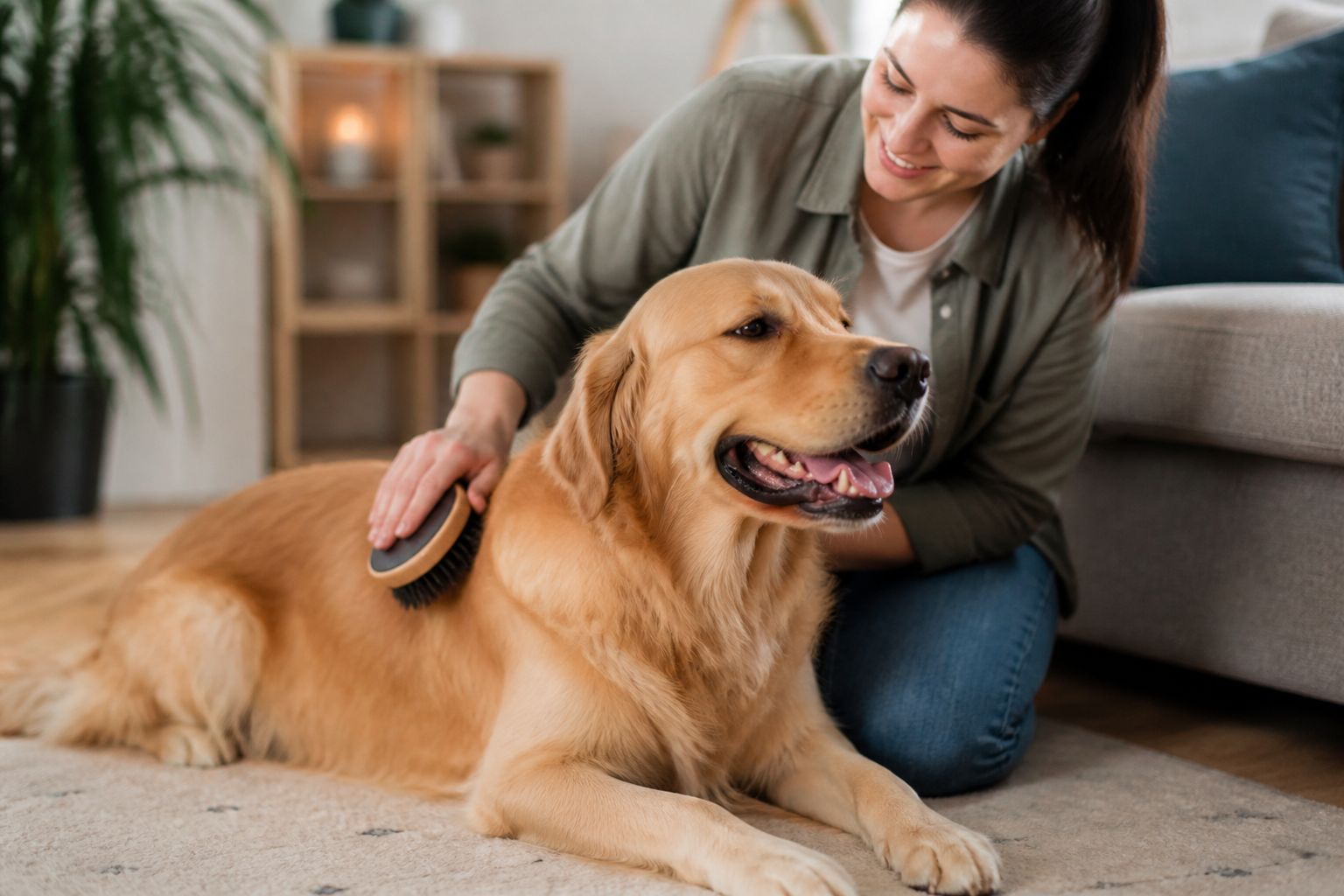
This is the gold standard for crossover tools. A rubber curry comb features short, flexible rubber teeth. On a horse, it is used in a circular motion to loosen dirt. On a dog, it is one of the best ways to remove loose hair from short to medium coats. It also provides a deep massage that most dogs find incredibly relaxing. If your dog usually runs away when the brush comes out, try a rubber curry. Our dog brushes and combs collection includes rubber curry brushes and other grooming tools.
The Dandy Brush
This is a stiff-bristled brush, usually made of synthetic or natural fibers. It is designed to flick away dirt and mud. This is an excellent tool for "wired" coats or very thick double coats. It is especially useful for cleaning paws and legs after a muddy walk. Avoid using this on the face or any bony areas like the spine or hips where the skin is thin.
The Soft Body Brush
These brushes have very dense, soft bristles. They are the final step in horse grooming to add shine. For dogs, these are perfect for puppies, seniors, or any dog with a very short, sleek coat. It helps distribute the natural oils across the fur, giving your dog a healthy glow without any risk of irritation.
The Shedding Blade
This is a looped metal blade with small teeth on one side. While it looks intimidating, it is a powerhouse for breeds with dense undercoats. You must use it with a very light touch and only in the direction of hair growth. Never use a shedding blade on a dog with a single coat or fine hair, as the metal can easily scrape the skin.
Vet Tip: If you notice your dog has persistent flaky skin or hair loss that does not improve with regular grooming, it could indicate an underlying health issue. A veterinarian can help diagnose issues like thyroid imbalance or environmental allergies.
The Correct Technique for Dog Grooming
Using a horse brush requires a slightly different approach than using a standard slicker brush. Because many of these tools are larger, you need to be mindful of the contours of your dog's body. A dog-specific option such as the Master Grooming Tools Self-Cleaning Slicker Brush can also make routine brushing easier.
Step 1: Start with a "test run." / Introduce the brush to your dog without actually grooming. Let them sniff it and reward them with a treat.
Step 2: Use long, sweeping strokes. / Unlike the short "picking" motion used with some dog brushes, horse brushes work best with long strokes that follow the lay of the hair.
Step 3: Watch the "reaction zones." / Pay close attention to the tail base, the belly, and behind the ears. These areas are more sensitive. If your dog flinches, switch to a softer brush.
Step 4: Clean the brush frequently. / Horse brushes can hold a lot of hair. To keep the tool effective, tap the hair out or use a metal comb to clear the bristles every few strokes.
Step 5: Finishing touch. / Use a soft cloth or a soft body brush to lay the hair down flat and remove any dust the coarser brushes brought to the surface.
When to Avoid Horse Brushes
There are specific situations where a horse brush is not the right choice. Dogs with "hair" instead of "fur" fall into this category. This includes Poodles, Bichons, and many "doodle" mixes. These dogs have coats that can easily mat, and horse brushes are generally not designed to detangle deep mats. For these breeds, you need a high-quality slicker brush and a metal greyhound comb.
You should also be cautious with senior dogs. As dogs age, their skin becomes thinner and less elastic. They may also have hidden lumps or bumps that can be irritated by a stiff dandy brush or a metal shedding blade. For our older friends, stick to the softest rubber curry combs or soft-bristled body brushes.
If you are grooming a dog and find a lump or a skin lesion you have not seen before, stop grooming that area. It is a good idea to have these checked by a professional. If your vet prescribes a topical treatment or a specific medicated shampoo, we can help fulfill those needs through our pet pharmacy.
Maintaining Your Grooming Tools
One of the reasons we love horse brushes at BaxterBoo is how easy they are to clean. Because they are designed for the barn, they can handle a thorough washing. Keeping your brushes clean prevents the spread of bacteria and skin irritations.
To clean your brushes, soak them in a bucket of warm water with a gentle, pet-safe soap. Use a second brush to scrub the bristles and remove trapped skin cells and oils. Rinse them thoroughly and let them air dry with the bristles facing down. This prevents water from soaking into the wooden handle, which can cause the wood to rot or the bristles to fall out.
Bottom line: High-quality horse brushes are a durable, cost-effective alternative for dog grooming if you match the bristle stiffness to your dog's coat type.
Building a Positive Grooming Routine
Grooming should not be a chore your dog fears. The goal is to make it a calm, bonding experience. Since many horse brushes provide a massage-like sensation, they are actually great tools for "resetting" a dog that has had bad experiences with grooming in the past.
Start with short sessions. Five minutes of pleasant brushing with a rubber curry is much better than thirty minutes of struggling with a shedding blade. Over time, your dog will begin to associate the grooming kit with relaxation and treats. This is especially important for puppies who are just learning to be handled.
If you find that your dog is particularly anxious during grooming, you might consider calming supplements. We carry options like Zesty Paws or Honest Paws that can help take the edge off for nervous pets. Always check with your vet before starting a new supplement routine to ensure it is appropriate for your dog's age and health status.
The Pharmacy Connection: Beyond the Brush
Sometimes, no matter how much you brush, your dog's coat stays dull or their skin remains itchy. This is often a sign that the issue is internal. Allergies, parasites, and nutritional deficiencies can all manifest as poor coat quality.
If you notice your dog is constantly scratching or has red, inflamed skin, a brush will not solve the problem. In fact, brushing irritated skin can make it worse. This is the time to visit your veterinarian. They might prescribe a flea and tick preventive like NexGard or Frontline, or perhaps a prescription diet like Farmina Vet Life to address food sensitivities. Our flea and tick pharmacy includes dog preventives and other pharmacy products.
Our pharmacy at BaxterBoo, operated through Pet's Choice, makes it easy to get these essential medications delivered to your door. We carry a full range of FDA-approved flea and tick preventives, heartworm medications, and prescription foods. When you combine the right grooming tools with professional medical care, your dog will look and feel their best.
Conclusion
Using a horse brush on your dog is a practical way to manage shedding and keep their coat clean. By choosing a rubber curry for short coats, a dandy brush for thick fur, and a soft body brush for finishing, you can achieve professional results at home. Remember to always use a light touch and monitor your dog's skin for any signs of irritation.
If you find that grooming is becoming a struggle or your dog’s skin needs more help than a brush can provide, consult your vet and check out our pharmacy for prescription support. For your everyday grooming needs, we invite you to browse our collection of dog brushes and combs to find the perfect fit for your pet.
Key Takeaway: Proper grooming is a pillar of pet health that allows you to monitor for physical changes while keeping your home cleaner.
FAQ
Can I use a metal shedding blade on my dog?
Yes, but only on dogs with thick, double coats like Huskies or Labs. You must use very light pressure and avoid all bony areas to prevent skin scrapes. Never use a metal blade on short-haired or thin-skinned dogs.
How often should I clean my horse brushes?
You should remove the hair after every use and give them a deep cleaning with soap and water once a month. This prevents the buildup of oils, dirt, and bacteria that can lead to skin irritation for your dog.
What is the best horse brush for a dog that hates being brushed?
A rubber curry comb is usually the best choice for sensitive or fearful dogs. The soft, flexible rubber feels more like a massage than a traditional brush, which helps the dog relax during the grooming session.
Why does my dog have dandruff even after I brush him?
Dandruff can be caused by dry air, poor nutrition, or over-brushing with a stiff brush. If a soft brush and regular grooming do not help, your dog may have an underlying allergy or skin condition that requires a veterinary consultation and possibly prescription treatment.






