
 Save 15% on your 1st Autoship learn more

 Email us
 Live Chat
 FAQs
FAQs





Introduction
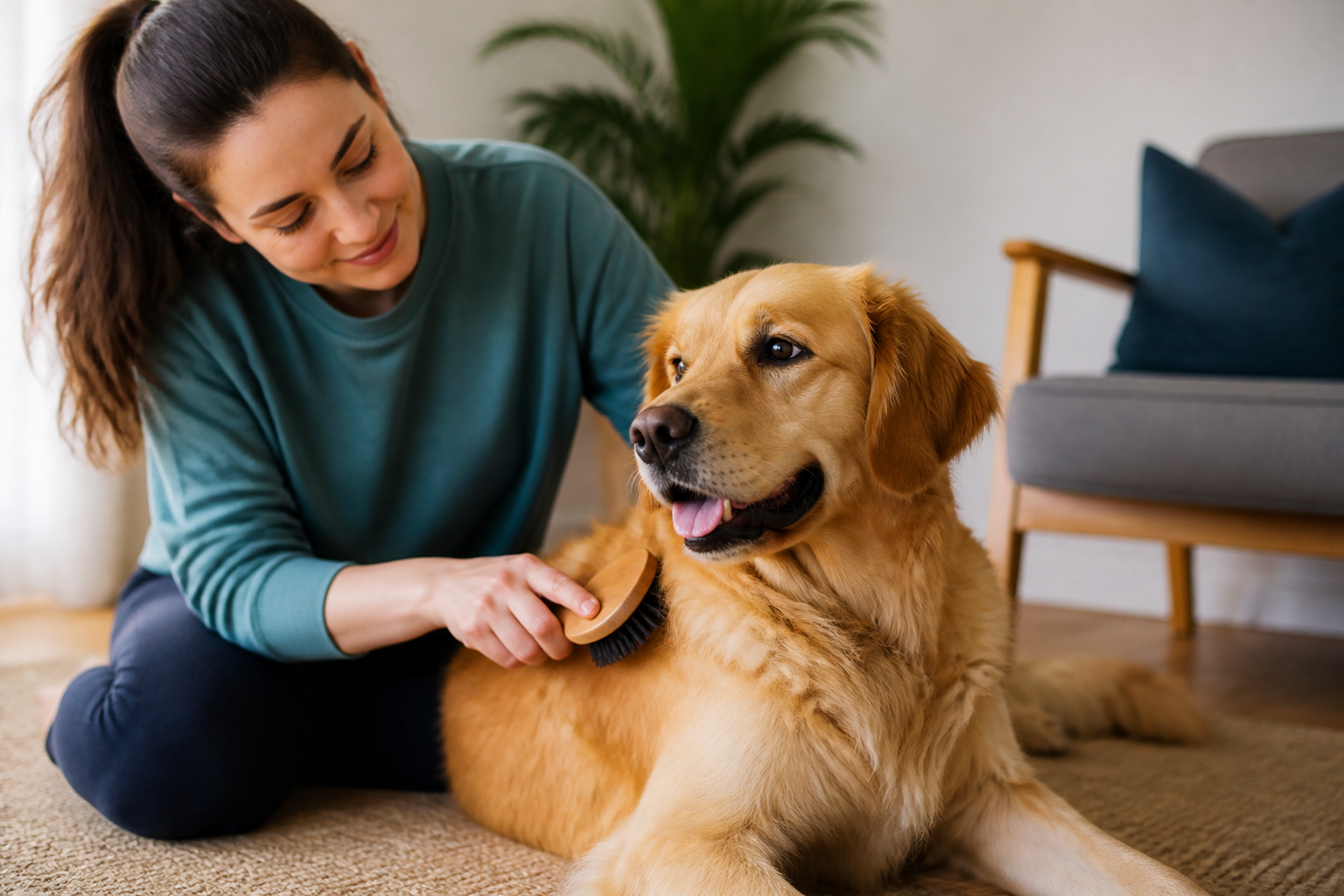
You might be standing in a tack shop or browsing the barn aisle when you see a sturdy rubber curry comb or a soft body brush and wonder if it would work on your heavy-shedding Labrador. Dog owners often find that standard plastic brushes from big-box stores do not hold up against thick double coats or stubborn dried mud. At BaxterBoo, we know that grooming is about more than just looks. It is a vital part of your pet's health and a great way to bond. This post covers which horse tools are safe for dogs, how to match them to your dog's coat type, and why these durable tools might actually be better than what you are currently using. You can absolutely use horse brushes on dogs as long as you choose the right bristles for their specific skin sensitivity and coat texture.
Quick Answer: Yes, you can use many horse brushes on dogs, particularly rubber curry combs, dandy brushes, and soft body brushes. These tools are often more durable and effective for heavy shedders than standard dog brushes, provided you match the stiffness of the brush to your dog's coat and skin sensitivity.
Why Horse Brushes Work for Dogs
Horse grooming tools are built for a demanding environment. They are designed to clean a thousand-pound animal that lives outside and grows a thick winter coat. Because of this, horse brushes are often made from higher quality materials like solid wood, natural boar hair, or heavy-duty rubber. These materials tend to last longer and perform better than the thin plastic components found in many entry-level dog grooming kits.
Horses also have surprisingly sensitive skin despite their size. This means horse brushes are designed to be efficient without being painful. A brush meant to flick mud off a horse's leg is stiff enough to handle a dog's thick undercoat but usually has rounded tips or natural fibers to prevent scratching. This balance makes them an excellent crossover tool for many dog breeds.
Key Takeaway: Horse brushes offer a combination of durability and skin-safe design that makes them ideal for dogs with thick or difficult-to-manage coats.
The Rubber Curry Comb: The Best All-Around Tool
The rubber curry comb is perhaps the most popular horse tool used in the dog world. In the horse world, it is used in a circular motion to loosen dirt and hair. For dogs, it serves as a massage tool and a shedding magnet. It is particularly effective for short-haired breeds and dogs with dense, flat coats.
The soft rubber teeth reach through the topcoat to grab loose hair from the skin. It also stimulates blood flow and helps distribute natural oils across the coat. Many dogs that run away from metal slicker brushes actually enjoy the sensation of a rubber curry comb. We have seen many owners switch to this tool because it turns a stressful grooming session into a relaxing massage. For a comparable rubber grooming option, consider the KONG Zoom Groom Natural Rubber Dog Grooming Brush.
Benefits of the Rubber Curry Comb
- Removes loose hair without scratching the skin.
- Stimulates natural oil production for a shinier coat.
- Easy to clean and virtually indestructible.
- Can be used during bath time to scrub in shampoo.
The Dandy Brush for Mud and Thick Coats
A dandy brush is a stiff-bristled brush used to remove dried mud and sweat from a horse. For a dog that loves to roll in the dirt or play in the woods, this is a fantastic tool. The long, stiff bristles can penetrate deep into a thick double coat to flick away debris that a softer brush would just skip over.
However, you must be careful with the dandy brush. Because the bristles are stiff, they can be too abrasive for dogs with very thin skin or short, single-layer coats. It is best used on the legs and the main body of breeds like German Shepherds, Labradors, or Huskies. Avoid using a stiff dandy brush on the face, ears, or belly where the skin is most sensitive. You can also compare options in our dog brushes and combs category.
Vet Tip: When using stiffer brushes like a dandy brush, always check your dog's skin for redness or irritation afterward. If you notice any skin issues, scaling, or persistent itching, consult your veterinarian. Our pet pharmacy carries prescription skin treatments and allergy medications through our Pet's Choice partnership if your dog's skin needs more than just grooming.
Soft Body Brushes for the Finishing Touch
Once the dirt is removed and the loose hair is loosened, the soft body brush comes into play. These brushes usually feature natural bristles or very soft synthetic fibers. They are designed to remove fine dust and add a high-gloss shine to the coat.
For dogs with short hair like Boxers, Greyhounds, or Pit Bulls, this might be the only brush you need. It is gentle enough for daily use and can be used all over the body, including the face. The soft bristles act like a polishing cloth, smoothing down the hair and making it look sleek. Using this brush daily can also help reduce the amount of dander and fine hair that ends up on your furniture. A two-sided option such as the U-Groom Combo Brush for Dogs and Cats can provide both pin brushing and finishing bristles.
Shedding Blades and Stones
Shedding blades are metal loops with small teeth on one side. In the horse world, they are used to "strip" the thick winter coat as it falls out in the spring. While effective, they must be used with extreme caution on dogs. You should never use a metal shedding blade on a dog with a thin coat or on bony areas like the spine or hips.
A safer alternative is a shedding stone or a tool like the EquiGroomer. These tools use a very fine, serrated edge to catch the dry, dead hair without touching the skin. At BaxterBoo, we find that these tools are much better for dogs that are sensitive to the pulling sensation of traditional deshedding tools. They are particularly helpful for dogs that dislike the "rake" style of grooming tools. For additional options, browse our dog skin and coat care selection.
How to Use a Shedding Tool Safely
Step 1: Identify the coat type. / Only use shedding blades or stones on dogs with a thick undercoat or a coat that naturally sheds. Step 2: Use short, light strokes. / Do not press hard. Let the tool catch the loose hair as you move in the direction of hair growth. Step 3: Avoid sensitive areas. / Stay away from the face, paw pads, and any area where you can feel the bone directly under the skin.
Matching the Brush to Your Dog's Breed
Not every horse brush is a good fit for every dog. You must evaluate your dog's coat before you start. A mismatch can result in a brush that is either useless or uncomfortable for your pet.
Double-Coated Breeds
Dogs like Australian Shepherds, Malamutes, and Golden Retrievers have a soft undercoat and a tougher topcoat. They benefit most from a combination of a rubber curry comb to loosen the undercoat and a stiff dandy brush to remove debris. This combination helps manage the "coat blow" that happens twice a year. For more shedding guidance, read what owners should know about Australian Shepherd shedding.
Short and Smooth Coats
Breeds like Dobermans or Beagles do not need heavy-duty shedding tools. A soft body brush and a rubber curry are the perfect pair for them. The rubber curry removes the small, stiff hairs that get stuck in fabric, while the soft brush keeps them looking shiny for the show ring or the park.
Wire-Haired Breeds
Wire-haired terriers have a unique texture that can sometimes trap dirt close to the skin. A medium-stiffness horse brush can be helpful here to get through the wiry top layer without the harshness of a wire dog brush.
Skin Health and the Role of Grooming
Grooming is your first line of defense in monitoring your dog's health. As you use these horse brushes, you should be feeling for lumps, bumps, or parasites like ticks. If your dog flinches when you brush a certain area, it might indicate a muscle ache or a hidden skin irritation.
Sometimes, grooming reveals issues that a brush cannot fix. If you find that your dog has extremely dry, flaky skin or hot spots, it may be time to look at their nutrition or medical needs. We carry 500+ trusted brands that offer specialized skin and coat supplements. Furthermore, our pharmacy provides access to FDA-approved medications for chronic skin conditions, which can be ordered easily with a prescription from your vet.
Key Takeaway: Use your grooming time as a physical exam. Catching a new lump or a skin infection early can make a massive difference in your dog's treatment plan.
Tips for a Successful Grooming Session
If your dog is used to a small, soft dog brush, a larger horse brush might be intimidating at first. You want to make the transition positive so that grooming remains a bonding activity rather than a chore.
- Introduce the tool slowly. Let your dog sniff the brush while it is on the floor.
- Use treats to create a positive association. Reward your dog for staying calm while you do a few light strokes.
- Keep sessions short. Ten minutes of happy grooming is better than thirty minutes of struggling.
- Watch for body language. If your dog's ears go back or they try to move away, ease up on the pressure.
Bottom line: The goal is a clean dog and a happy pet, so always prioritize your dog's comfort over getting every last hair in one sitting.
Maintaining Your Grooming Tools
One of the best things about horse brushes is how easy they are to maintain. Because they are built for the barn, they can handle a deep cleaning. To keep your brushes in top shape, you should clean them regularly.
Remove the hair after every session. For rubber brushes, you can simply wash them with warm soapy water and let them air dry. For wooden-handled brushes with natural bristles, avoid soaking the wood. Instead, dip the bristles into shallow soapy water, rinse, and dry them bristle-side down. This prevents the wood from rotting or the bristles from falling out.
If you use your brushes on multiple pets, cleaning becomes even more important to prevent the spread of skin issues or dander. A well-maintained horse brush can easily last for a decade or more, making it a very cost-effective choice for your home.
Choosing Quality Over Convenience
It is tempting to grab the cheapest brush available, but your dog's coat will show the difference. Higher quality brushes with natural fibers do a better job of moving oils through the coat than cheap nylon bristles. When you invest in professional-grade tools, you spend less time brushing because the tool is doing more of the work for you.
At BaxterBoo, we pride ourselves on carrying products handpicked by people who actually use them. Whether you are looking for a rubber curry comb for the bathtub or a soft finishing brush for daily shines, choosing a tool with a proven track record is always the best move. Don't forget that our MVP Rewards program lets you earn back on every grooming tool and treat you buy, helping you save while you provide the best care.
Frequently Asked Questions
Can I use a horse shedding blade on my short-haired dog?
You should be very careful using a metal shedding blade on short-haired dogs like Boxers or Greyhounds. These dogs do not have enough fur to protect their skin from the metal teeth, which can lead to scrapes or irritation. A rubber curry comb is a much safer and more effective choice for short-haired breeds as it removes hair without the risk of injury.
Will a horse brush help with my dog's seasonal shedding?
Yes, horse brushes like the dandy brush and the rubber curry are excellent for managing seasonal shedding. They are specifically designed to handle the high volume of hair that comes with a "coat blow." Using a rubber curry comb daily during shedding season can significantly reduce the amount of fur you find on your floors and clothes. If you regularly purchase grooming or skin-and-coat supplies, our Autoship programme can help simplify repeat orders.
Is a dandy brush too stiff for a puppy?
Most dandy brushes are too stiff for the sensitive, thin skin of a puppy. It is better to start a puppy with a very soft body brush or a soft rubber tool to get them used to the sensation of grooming. As they grow their adult coat and their skin becomes less sensitive, you can gradually introduce stiffer brushes if their breed requires it.
Can horse brushes be used on dogs with skin allergies?
If your dog has active skin allergies, you must be extremely gentle. A soft body brush can help remove allergens like pollen or dust from the coat, but a stiff brush might irritate already inflamed skin. Always consult your vet if your dog has a skin condition. Our pharmacy offers prescription diets and medications through our Pet's Choice partnership that can help manage the underlying causes of skin allergies.






