Save 15% on your 1st Autoship learn more

 Email us
 Live Chat
 FAQs
FAQs





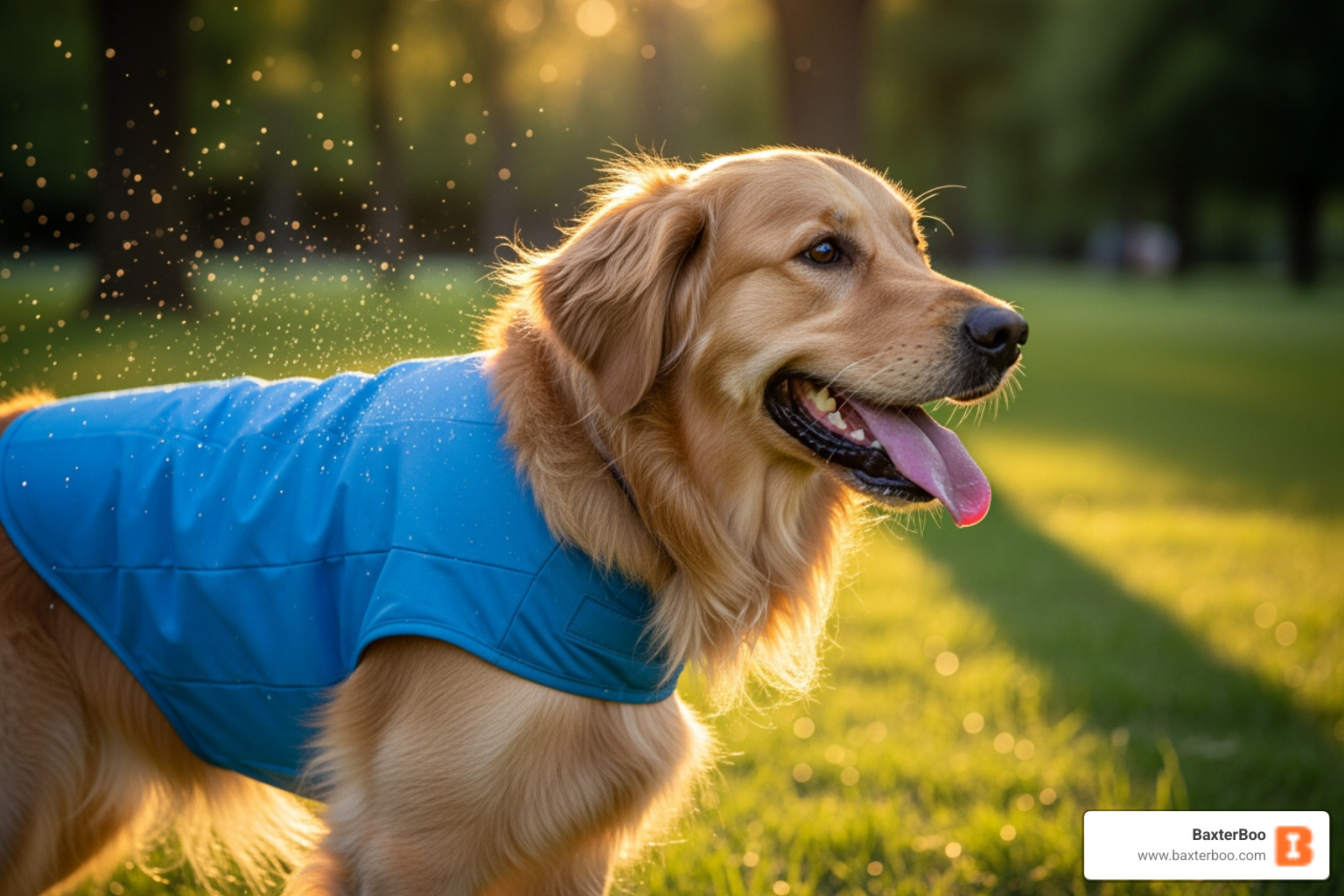
Why Your Dog Needs Help Beating the Heat
Cooling jackets for dogs are wearable vests designed to regulate your dog's body temperature in hot weather. They work through evaporative cooling, phase-change materials, or reflective technology.
Best Types of Cooling Jackets:
- Evaporative vests - Soak in water, wring out, and wear (best for dry climates).
- PCM/Ice pack vests - Use gel packs or phase-change materials for dry cooling (best for humid conditions).
- Reflective coats - Reflect sun radiation to slow heat absorption (best for direct sun exposure).
Key Selection Factors:
- Proper fit with adjustable straps covering the chest and core.
- Breathable mesh materials for airflow.
- Easy to rewet or reactivate during activity.
- Compatible with your dog's harness or leash.
When to Use: Temperatures above 80°F, especially for short-nosed breeds, dark-coated dogs, seniors, and active pups.
Dogs are more heat-sensitive than humans because they primarily cool down by panting and through their paws. This system is less efficient than human sweating, meaning your dog will likely feel hotter than you on a warm day. When temperatures climb above 85°F, dogs face real risks. Even with a cooling vest, heat-sensitive dogs shouldn't be out for long periods when it's 80°F or hotter.
Cooling jackets help extend comfortable outdoor time but are not a substitute for a comprehensive heat safety plan that includes shade, water, and smart timing of activities.
As pet parents, we must understand how our dogs regulate temperature. Their main cooling method is panting, which evaporates moisture from their respiratory tract. They also release some heat through their paw pads. This system struggles when temperatures rise above 68°F (20°C).
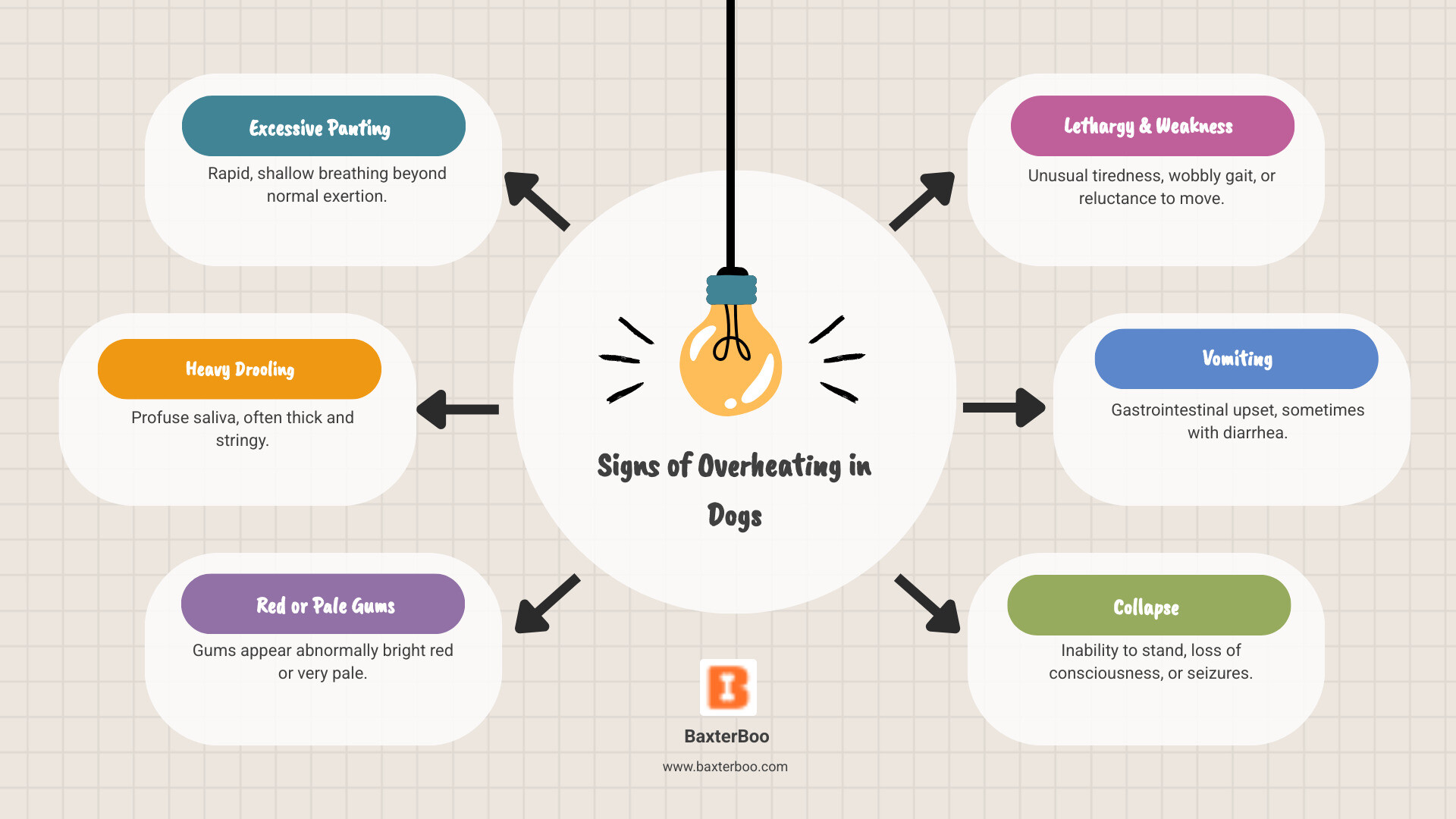
When a dog's body temperature rises too high, they risk overheating, which can escalate to heatstroke—a severe and potentially fatal condition. Signs of overheating include excessive panting, drooling, lethargy, weakness, bright red or pale gums, vomiting, and collapse. Recognizing these signs and acting immediately is crucial. This is why proactive measures, like using a cooling jacket for dogs, are so important, especially as summer approaches in Vernon Hills, IL, and across the country.
How Dog Cooling Vests Work: The Science of Staying Chill
Understanding how a cooling jacket for dogs works helps you choose the right one. These vests use three main technologies: evaporative cooling, phase change materials (PCM), and reflective fabrics. Each method either draws heat away from your dog's body or prevents it from building up.
The most common type uses evaporative cooling, which mimics sweating. A cooling vest holds water in absorbent layers. As the water evaporates, it draws heat away from your dog's skin. Air circulation is key—more airflow means faster evaporation and better cooling.
Phase change material (PCM) vests absorb and release heat as they change state, similar to how ice absorbs heat as it melts. These materials maintain a steady, comfortable temperature rather than creating extreme cold. For more on the science, ScienceDirect explains how phase change materials work.
Reflective technology prevents heat absorption by bouncing sunlight away from your dog's coat, like wearing a white shirt instead of a black one on a sunny day. Many reflective vests have high UPF ratings, indicating how well they block UV rays and reflect infrared radiation.
Good design is also strategic. The best vests cover areas where blood vessels are close to the surface, like the chest, to circulate the cooling effect. They also maintain airflow within the vest to aid evaporation and distribute coolness.
Evaporative Cooling Vests
Evaporative vests are simple and effective. You soak the vest in water, wring it out, and put it on your dog. As water evaporates from the fabric, it pulls heat away from your dog's body.
These vests have layers: an absorbent inner layer (like microfiber) and a breathable mesh outer layer that promotes airflow. This design speeds up evaporation and prevents the vest from becoming a soggy weight. The cooling power can be significant; in tests, some vests dropped a dog's surface temperature by over 80 degrees in minutes. Another reduced surface temperature by more than 70 degrees.
Evaporative cooling works best in dry climates. In humid conditions, evaporation slows, reducing the vest's efficiency. Re-wetting is easy—just use a water bottle or find a stream to recharge the cooling power.
Ice Pack & Phase Change Material (PCM) Vests
For high humidity or longer-lasting cooling, vests with ice packs or PCMs are ideal. These cooling jackets for dogs provide "dry cooling," keeping your dog cool without getting them wet.
PCM vests have inserts that solidify around 70°F. As temperatures rise, the material absorbs heat and slowly melts, maintaining a steady temperature for one to three hours. Other dry cooling options can provide cooling up to 56°F below ambient temperature and last for up to 72 hours when activated.
Reactivating these vests is simple. Most PCM packs need about 20 minutes in ice water or an hour in the refrigerator. Some vests combine freezer gel packs for immediate relief with an outer layer that can be wetted for evaporative cooling.
However, extreme cold can be uncomfortable, especially for dogs with joint issues. If a vest is too cold, it can constrict blood vessels, hindering the cooling process. Always monitor your dog for comfort.
Reflective Cooling Coats
Reflective cooling coats prevent your dog from heating up in the first place. They are perfect for dogs in direct sunlight, offering protection from UV rays and infrared radiation.
These vests deflect solar radiation away from your dog's coat, creating portable shade and slowing heat absorption. Some use materials like Aluminet, while others use specialized fabrics like Oasis, a polyester mesh that blocks UVA and UVB radiation while remaining breathable.
Many reflective coats have high UPF ratings (UPF 45 or 50+), offering excellent sun protection. This is most important for short-coated and dark-colored dogs, who absorb heat more readily. These coats are typically lightweight and won't trap heat.
How to Choose the Best Cooling Jacket for Dogs
Choosing the right cooling jacket for dogs requires considering fit, coverage, materials, and your dog's activity level. Think of it as investing in specialized gear for your pet.
Key factors include fit, coverage area, weight, durability, and ease of use. You want something effective, comfortable, and durable.
Finding the Right Fit and Coverage
A cooling jacket for dogs must fit properly. If it's too loose, it won't make contact with your dog's body; too tight, and it will restrict movement.
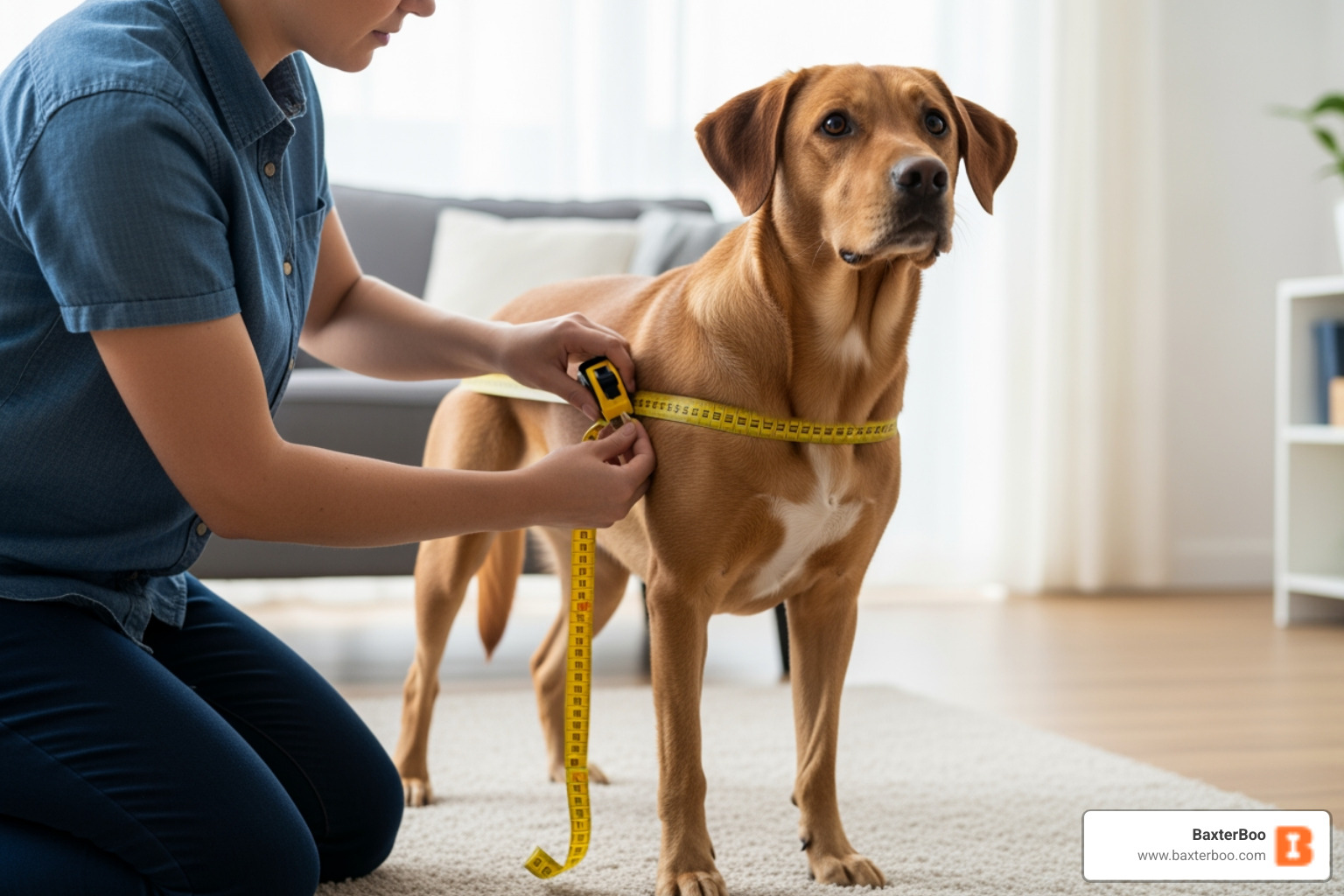
Start by measuring your dog's chest girth at the widest part of the ribcage and their back length from the neck's base to the tail's start. For long-furred dogs, measure close to the skin.
The best vests have adjustable straps at the neck and chest to customize the fit, ensuring the cooling material stays in contact with your dog's body. This is especially helpful for dogs with deep or barrel chests.
Coverage is also critical. A good vest covers the core—chest, back, and belly. The underside of the belly and neck are important cooling zones since major blood vessels run close to the surface there. A well-designed vest covers these areas without restricting natural movement.
Also, consider leash and harness compatibility. Layering a harness over a vest can compress the material and trap heat. Look for vests with a built-in D-ring for leash attachment or a cooling harness-vest combo.
Material, Breathability, and Cooling Method
The materials in a cooling jacket for dogs directly affect its cooling ability. For evaporative vests, absorbent inner layers (like microfiber) hold water, while breathable mesh outer layers promote airflow, which is crucial for evaporation.
When comparing cooling methods, evaporative vests work best in dry climates, while PCM or ice pack vests are better for high humidity. Reflective coats are ideal for sunny conditions.
Breathability is essential for performance. A vest that allows airflow won't trap heat. Some lighter, more packable vests may offer less cooling power, so consider this trade-off based on your needs.
Durability is important for active dogs. Look for robust materials and reinforced stitching. Ease of use—how simple it is to put on, take off, and reactivate—will determine if the vest becomes a regular part of your routine.
Choosing a cooling jacket for dogs based on activity level
Match the cooling jacket for dogs to your dog's lifestyle. A vest for a short walk may not be suitable for a long hike.
For light walks or backyard play, a basic evaporative vest or lightweight reflective coat is usually sufficient. They are easy to use and provide adequate cooling for low-intensity activities.
Active dogs involved in hiking, running, or working roles need something more substantial. Look for a cooling harness or a vest with a built-in D-ring for direct leash attachment. These designs maximize cooling contact while allowing freedom of movement.
Durability is non-negotiable for active dogs. Choose materials that can withstand rough terrain and frequent use. Some cooling harnesses are specifically designed for working and active dogs, offering both cooling and functional support.
For water activities, an evaporative vest is great since it can be easily re-wetted. However, for dogs that get completely soaked, a PCM vest might be better as it provides dry cooling.
The goal is proactive cooling to extend comfortable outdoor time, not to enable activity in dangerously hot conditions. No vest replaces common sense about heat safety.
Benefits, Limitations, and Safe Use
A cooling jacket for dogs is a helpful tool for your summer safety routine, but it's not a magic solution. Its real power is in proactive cooling. Putting a vest on your dog before heading into warm weather gives their body a head start on temperature regulation, extending their comfortable outdoor time.
Cooling vests also aid in post-activity cooldown, helping your dog's body return to a normal temperature more quickly and comfortably.
However, cooling vests are not a cure for heatstroke. If your dog shows signs of overheating (excessive drooling, weakness, bright red gums), a vest is not enough. Get them to a cool place, offer water, and contact your vet immediately. The vest is for prevention, not emergency treatment.
A vest's effectiveness also depends on the climate. Evaporative vests work best in dry climates but are less effective in high humidity where evaporation slows. In humid areas, a PCM or ice pack vest is a better choice.
Even with a vest, common sense is crucial. Go out during cooler hours, stick to shaded paths, bring plenty of water, and watch your dog for discomfort. A vest helps manage heat risk but doesn't eliminate it.
| Cooling Vest Type | Pros | Cons |
|---|---|---|
| Evaporative | - Highly effective in dry climates - Lightweight and breathable - Easy to activate (just wet with water) - Often more affordable - Provides significant temperature reduction (e.g., 80+ degrees in minutes) |
- Less effective in high humidity - Requires frequent re-wetting on long outings - Can leave dog damp - May not provide consistent cooling in all conditions |
| PCM/Ice Pack | - Effective in high humidity - Provides consistent, dry cooling - Longer-lasting cooling without re-wetting - Reusable gel packs/PCMs - Can maintain specific cool temperature (e.g., 70°F) |
- Can be heavier and bulkier - Risk of overcooling if not used carefully - Activation requires freezer/fridge time - May be more expensive - Potential discomfort if too cold for sensitive dogs |
| Reflective | - Excellent for sun protection (UV & infrared) - Very lightweight and breathable - Doesn't require water or freezing - Good for dark-coated or short-haired dogs in direct sun |
- Doesn't actively cool the dog - Primarily slows heat absorption - Less effective in shaded areas or when heat comes from ambient air temperature rather than direct sun |
Who Benefits Most from a Cooling Jacket for Dogs?
For some dogs, a cooling jacket for dogs is an essential safety measure.
- Brachycephalic (short-nosed) breeds like Pugs, Bulldogs, and Boxers have compromised airways that make panting inefficient. A cooling vest can be lifesaving for them.
- Dark-coated dogs absorb more solar radiation, causing their surface temperature to rise quickly in direct sunlight. A cooling or reflective vest offers crucial protection.
- Short-coated dogs, especially those with dark fur, lack natural insulation from the sun.
- Senior dogs have less efficient temperature regulation and benefit from a cooling boost.
- Overweight dogs have extra insulation that traps heat, making it harder to cool down.
- Active dogs, such as hiking partners, service animals, and sporting dogs, generate more body heat and need help maintaining safe temperatures.
Dogs with health conditions affecting thermoregulation also benefit. Consult your vet to see if a cooling vest is right for your dog.
Special Considerations for Double-Coated Breeds
Can double-coated breeds like Huskies and German Shepherds benefit from a cooling jacket for dogs? Yes, with some caveats. Shaving them is not the answer, as it removes their natural protection.
Double-coated breeds can use cooling vests, especially after shedding their winter undercoat. The key is to find a vest that doesn't compress their fur, which can trap heat. The vest should work with their coat's natural properties.
Simply wetting a double-coated dog is often ineffective, as water rolls off their water-resistant topcoat. A well-designed cooling vest provides more consistent, targeted cooling.
When choosing a vest for a double-coated dog, prioritize breathability and a fit that is snug but not tight enough to flatten their coat. Always monitor for skin irritation from prolonged dampness, though modern vests often have moisture-wicking linings to prevent this.
Cooling Vests vs. Other Cooling Methods
A cooling jacket for dogs is a key part of canine heat safety, but it works best when combined with other cooling options. Here’s how vests compare to other popular methods.
-
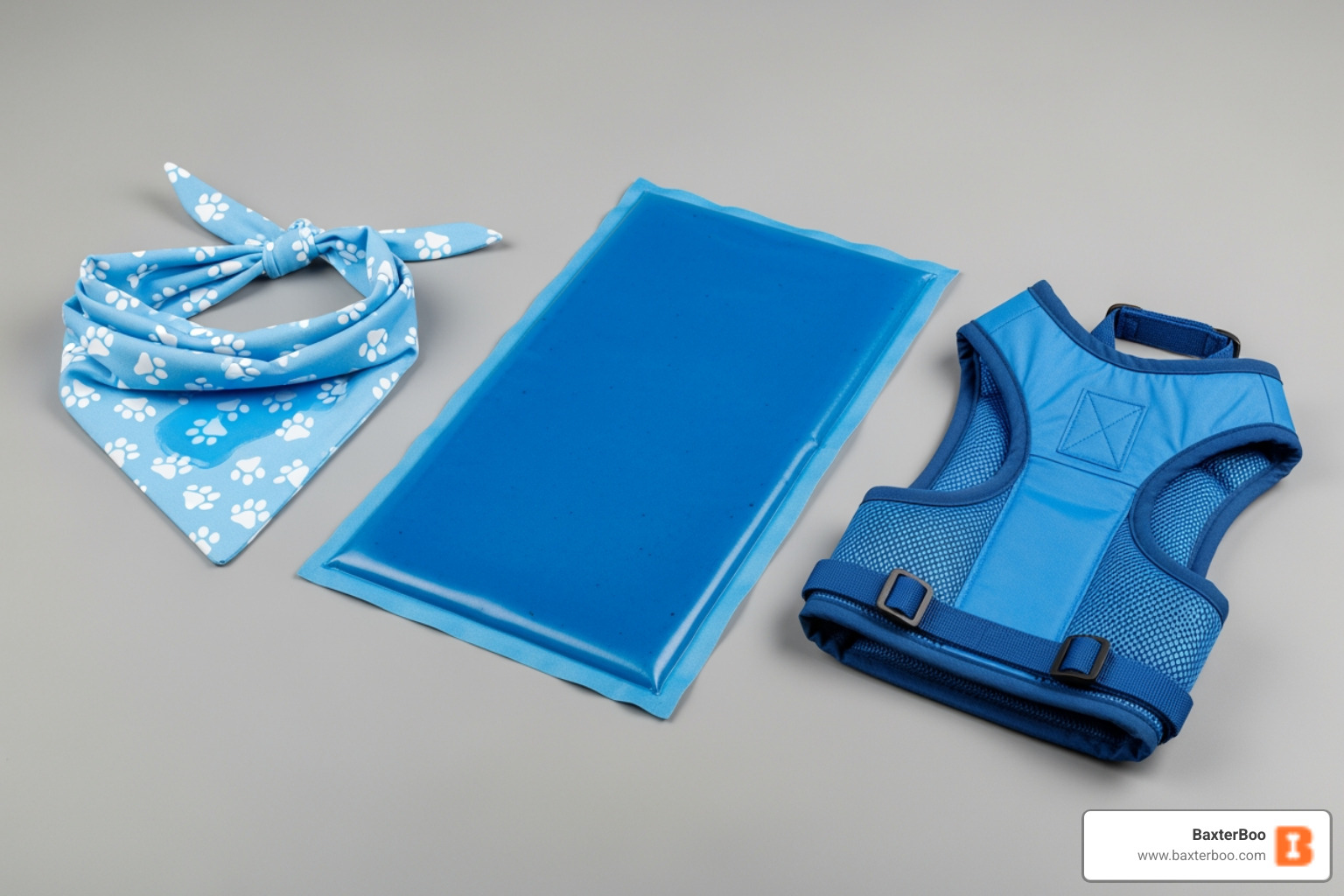
Cooling mats are excellent for creating a cool resting spot indoors, in crates, or during car travel. Many use pressure-activated gel. However, they only work when your dog is lying still.
-
Cooling bandanas and collars use the same evaporative principle as vests but cover a much smaller area. They offer some relief but have a limited impact on core body temperature. They are best as a supplement for mild heat.
-
Wetting your dog's fur directly is often less effective than it seems. Water tends to run off, especially on double-coated breeds, and dries quickly. It provides temporary relief but isn't a lasting solution for active dogs.
-
A simple fan can be helpful indoors or in a shaded area by creating airflow that aids evaporative cooling.
-
Access to shade and water are non-negotiable foundations of any hot-weather safety plan. No cooling gear can replace them.
The main advantage of a cooling jacket for dogs is that it provides active, portable cooling that moves with your dog. This allows them to walk, hike, and play while staying cooler, which other methods don't offer for active situations.
At BaxterBoo, we find that combining methods is most effective. A cooling vest for walks paired with a cooling mat for rest time, plus plenty of water and shade, creates a comprehensive heat management strategy to keep your dog safe and comfortable all summer.
Care and Maintenance for Your Dog's Cooling Vest
Proper care ensures your cooling jacket for dogs will last for many seasons. Most are easy to maintain, but each type has specific needs.
Always check the manufacturer's care label first. Most evaporative vests can be machine washed on a cold, gentle cycle. It's best to turn the vest inside out to protect the outer fabric. Some may require hand washing at around 86°F (30°C) with a mild liquid detergent.
Crucially, remove any gel packs or ice inserts before washing. These inserts typically only need to be wiped down with a damp cloth.
For drying, hang the vest to air dry in a well-ventilated area. Do not use a tumble dryer, bleach, iron, or dry cleaning, as these can damage the specialized cooling materials. Avoid fabric softeners, which can interfere with water absorption.
Storage is also important. To prevent mold and mildew, ensure the vest is completely dry before storing it for the season. Some materials can crack if folded when dry; if the instructions mention this, store the vest flat. If you notice cracks, soaking the vest before use often rehydrates and restores the material.
A quick rinse and air dry between uses is usually sufficient to keep the vest fresh during the summer.
Proper care not only extends the life of your vest but also ensures it continues to protect your companion effectively, season after season.
Keep Your Pup Cool and Safe This Summer
Our dogs depend on us to keep them safe when temperatures climb. Because they can't cool themselves as efficiently as we do, they are more vulnerable to heat. A cooling jacket for dogs is a valuable tool in any pet parent's toolkit.
We've seen how these vests can be effective, from the rapid cooling of evaporative vests in dry climates to the consistent coolness of PCM vests in humidity and the sun-blocking power of reflective coats. For vulnerable dogs—such as short-nosed breeds, seniors, and active pups—a well-chosen cooling vest can make a significant difference in their comfort and safety.
A cooling vest is a tool for proactive protection, not a magic pass to ignore the heat. It's one part of a larger safety plan that must include shade, fresh water, smart timing of activities, and constant monitoring of your dog for signs of overheating.
A proper fit is essential for the vest to work correctly. A vest that is too loose won't make good contact, while one that's too tight can be restrictive. Taking the time to measure your dog and adjust the straps is well worth the effort.
Here at BaxterBoo, whether you visit us online or at our store in Vernon Hills, IL, we are committed to your pet's wellness. We know your dog is family, and keeping them safe and comfortable in the summer heat is our priority.
As temperatures rise, be prepared and proactive. Let's make this summer full of safe, cool, and joyful moments with our dogs.
Your pup is counting on you. And we're here to help.