
 Save 15% on your 1st Autoship learn more

 Email us
 Live Chat
 FAQs





Introduction
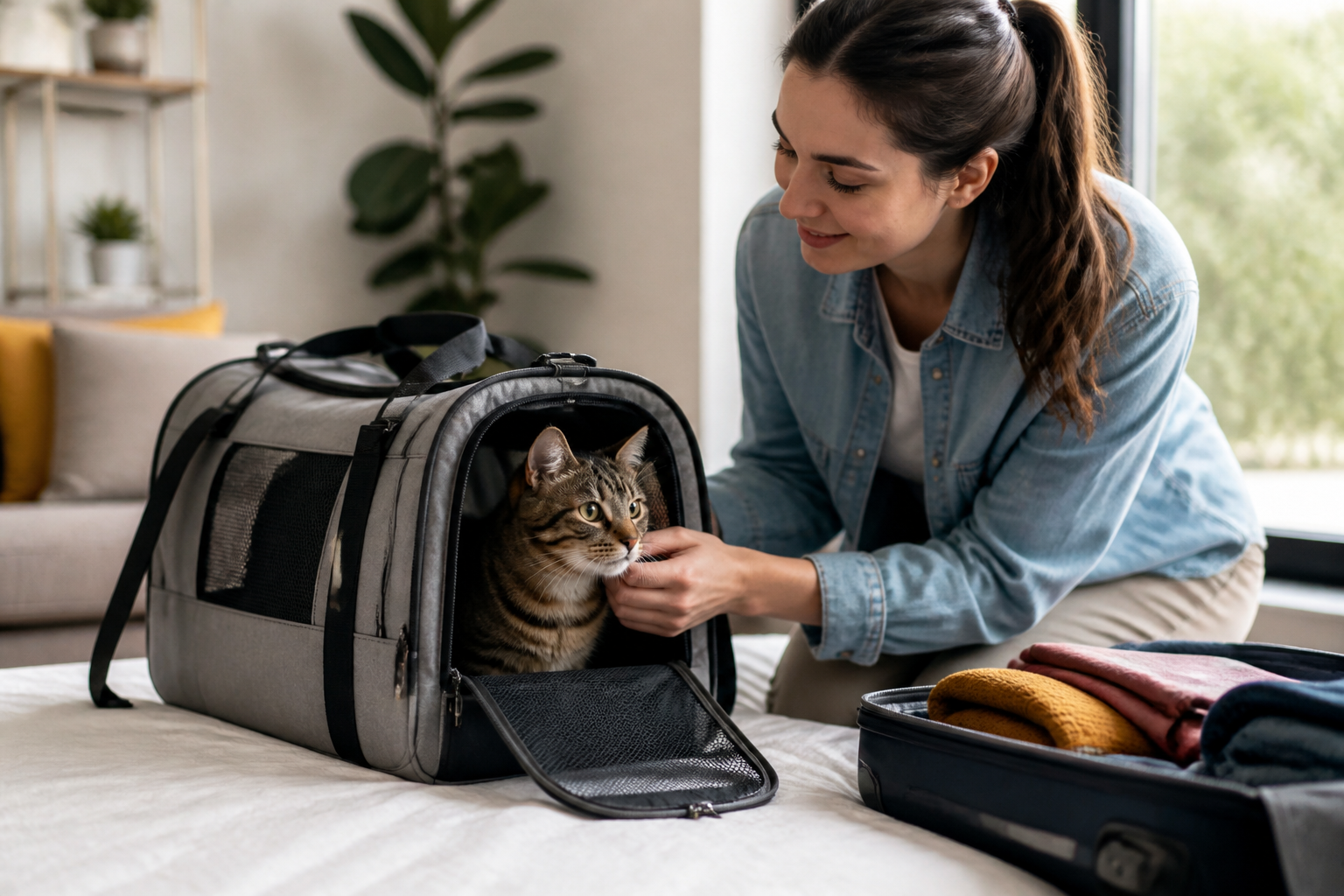
The moment you pull a dusty carrier out of the closet, your cat usually vanishes under the guest bed. Most feline owners recognize this scene. It marks the beginning of a stressful journey to the vet or the airport. We understand that travel can be a source of anxiety for both you and your cat at BaxterBoo. Choosing the right cat pet carrier is the first step toward a more peaceful experience. This post covers how to measure your cat, the differences between hard and soft materials, and specific features for air travel. We will also discuss how to help a nervous cat feel safe in a small space. Your choice of carrier depends on your specific travel goals and your cat's unique personality.
Finding the Right Size for Comfort
Size is the most important factor when you select a carrier. Many owners make the mistake of buying a carrier that is too large. If there is too much extra space, your cat may slide around during car turns or stops. This movement can lead to motion sickness or injury. A carrier that is too small is equally problematic. Your cat needs enough room to stand up without their back touching the top. They must be able to turn around easily and lie down in a natural position.
To get the right fit, measure your cat from the tip of the nose to the base of the tail. Add about four or five inches to this measurement to find the ideal length. A good rule of thumb is that the carrier should be roughly one and a half times the length of your cat. For height, measure from the floor to the top of your cat’s head while they are standing. Add two or three inches to this number to ensure they do not feel cramped.
Weight capacity is another critical metric. Manufacturers always list a maximum weight limit. Always choose a carrier that can support more than your cat currently weighs. If you have a growing kitten, look for a size that will accommodate their expected adult weight. It is better to have a slightly larger carrier that you can pad with blankets than one your cat will outgrow in six months.
Key Takeaway: A carrier should be 1.5 times the length of your cat to allow for natural movement without letting them slide during transit.
Measuring Your Cat Checklist
- Measure from nose to base of tail.
- Measure from floor to the top of the head.
- Check your cat's current weight on a scale.
- Compare these numbers to the manufacturer's internal dimensions.
- Account for extra space if you plan to include a thick bed.
Cat Carriers


Hard Sided vs Soft Sided Carriers
At BaxterBoo, we carry a wide variety of both hard and soft options to suit different lifestyles. Hard sided carriers are usually made of thick, durable plastic. They are the standard choice for vet visits and car travel. These carriers offer excellent protection if something falls on them or if you are in a minor fender bender. They are also much easier to clean. If your cat gets motion sick or has an accident, you can simply spray out the plastic shell with a hose.
Soft sided carriers are made from flexible materials like nylon or polyester. They are lightweight and often feature mesh panels for maximum ventilation. These are popular for air travel because they can compress slightly to fit under an airplane seat. However, they provide less physical protection than plastic shells. A determined cat might also be able to claw through the mesh if they are particularly aggressive.
If your cat is prone to biting or scratching when stressed, a hard plastic carrier is safer for everyone. The rigid walls prevent them from reaching through the mesh to scratch your hand. If your cat is a calm traveler who enjoys looking out the window, a soft carrier with large mesh windows might be more enjoyable. Browse our cat carrier selection to compare available styles.
Vet Tip: Hard sided carriers are highly recommended for cats with a history of travel accidents or motion sickness because the plastic does not absorb odors and is easily sanitized.
Essential Features for Vet Visits
Going to the vet is the most common reason to use a carrier. This environment is often loud and full of strange smells. To make the exam easier, look for a carrier with multiple access points. A front door is standard, but a top loading door is a life saver. It is much easier to lower a nervous cat through the top than it is to push them through the front.
Some hard carriers feature a clamshell design. This allows you to unscrew or unclip the top half entirely. Vets often prefer this because they can perform much of the exam while the cat remains sitting in the bottom half of the carrier. Staying in their familiar "nest" helps many cats stay calm during the checkup. This also avoids the "dump method," where a cat is tilted out of the front door, which can be very frightening.
Security is also a factor. Look for steel doors with spring loaded latches. These are much harder for a cat to nudge open than plastic clips. Check that the handle is integrated into the shell rather than just snapped on. A sturdy handle ensures you do not have a mid air failure while walking across a parking lot.
Bottom line: A top loading carrier with a removable top half makes veterinary exams significantly less stressful for your cat.
Navigating Air Travel Requirements
Flying with a cat requires careful planning. Most airlines allow you to bring a cat into the cabin as long as the carrier fits under the seat in front of you. This almost always requires a soft sided carrier. Every airline has slightly different dimension requirements. You must check with your specific carrier before you head to the airport.
"Airline approved" is a common label on many products, but it is not a legal guarantee. It usually means the carrier meets the general size guidelines for most major airlines. However, smaller planes or specific seat configurations can change these rules. Always call the airline to confirm your reservation and the allowed dimensions for your flight. You can explore our cat travel carriers while comparing options, but confirm dimensions with your airline.
Ventilation is another big concern in a crowded plane. Look for a carrier with mesh on at least two or three sides. This ensures fresh air can circulate even if the carrier is tucked under a seat. Some high quality travel carriers also include privacy panels. You can roll these down to block your cat's view of the busy terminal, which can reduce their fear.
Air Travel Preparation Steps
Step 1: Check airline dimensions. / Contact your airline directly to get the specific under seat measurements for your flight. Step 2: Choose a soft sided carrier. / Select a model that is flexible enough to compress without collapsing on your pet. Step 3: Test the zippers. / Ensure all zippers lock or have clips to prevent an escape in a busy airport. Step 4: Label the carrier. / Attach a tag with your contact information and your cat's name.
Alternative Styles: Backpacks and Rollers
Standard handheld carriers are not the only option available today. Backpack carriers have become very popular for short trips or urban hiking. These keep your hands free and allow your cat to see the world from a higher vantage point. Many feature bubble windows or mesh screens. While fun for social cats, backpacks can be unstable. Every step you take can cause the cat to bounce, so they are best for short durations.
Roller carriers are shaped like small suitcases with wheels and a telescoping handle. These are excellent for owners with back issues or for those who have very large cats. Carrying a fifteen pound cat through a large airport can be exhausting. Rolling them is much easier. The main drawback is the vibration. Some cats find the sound and feel of wheels on pavement to be terrifying. If you use a roller, try to find one with high quality rubber wheels that absorb shock.
Strollers are another growing category. These are perfect for cats who want to enjoy the outdoors but cannot be trusted on a leash. They provide a fully enclosed, safe space for a walk in the park. Like rollers, strollers should have good suspension to keep the ride smooth for your feline passenger. Our cat travel selection includes carriers and other travel styles to browse.
Key Takeaway: Backpacks and rollers are great for owner convenience, but always consider how the extra movement or vibration might affect your cat's stress levels.
Acclimating Your Cat to the Carrier
The biggest mistake owners make is only bringing the carrier out for negative events. If the carrier only appears before a vet visit, your cat will learn to fear it. We recommend keeping the carrier out as a permanent piece of furniture in your home. Place a soft blanket inside and leave the door open. You want your cat to view it as a safe sleeping spot or a cozy den.
You can encourage this by placing high value treats or catnip inside the carrier occasionally. If your cat starts napping in there on their own, you have won half the battle. They will have their own scent inside, which provides a sense of security when they are eventually taken out of the house.
If your cat is still very anxious, pheromone sprays can be helpful. Products like Feliway mimic natural feline calming scents. Spraying the interior of the carrier and a towel twenty minutes before travel can take the edge off their nerves. If your cat has severe travel anxiety that leads to panting or vomiting, consult your veterinarian. Our pharmacy carries a variety of calming aids through our partnership with Pet's Choice, including prescription options for pets with significant health or behavioral needs. You can also browse our cat travel supplies for carrier options.
Vet Tip: Cover the carrier with a towel during transport to block the cat's view of moving cars and strange surroundings, which significantly lowers environmental stress.
Care and Maintenance of Your Carrier
A clean carrier is a safe carrier. Over time, carriers can collect fur, dander, and odors. For hard plastic models, a simple solution of mild soap and warm water is usually sufficient. Avoid harsh chemicals with strong scents like bleach or ammonia. Cats have a very sensitive sense of smell, and lingering chemical odors can make them avoid the carrier in the future.
Soft sided carriers often have removable floor pads. These pads usually feature a fleece or faux fur cover that is machine washable. Check the manufacturer's instructions before throwing the entire bag in the wash. Most soft carriers should be spot cleaned by hand to protect the internal frame.
Always inspect your carrier for wear and tear before a trip. Check the mesh for small holes that could be expanded by a sharp claw. Ensure the zippers glide smoothly and do not catch. For hard carriers, check that the plastic has not become brittle over time, especially if it is stored in a garage where temperatures fluctuate. Compare our cat carriers when you need to consider a replacement.
- Wash bedding after every vet visit.
- Wipe down plastic interiors with pet safe cleaners.
- Vacuum out fur and crumbs from corners.
- Check all hardware and latches for rust or damage.
Safety and the One Cat Rule
It is tempting to put two bonded cats in one large carrier to keep them company. However, we strongly advise against this. Even the best of friends can become aggressive when they are terrified. If one cat gets spooked by a barking dog at the vet, they might lash out at their companion. Being trapped in a small space with an aggressive partner is a recipe for injury.
Furthermore, it is difficult for a vet to examine one cat while another is in the same box. If there is an emergency, you need to be able to access each cat individually and quickly. One cat per carrier is the safest way to travel. If you have multiple cats, look for carriers that are stackable or have straps that can be secured together on a luggage cart.
When traveling by car, the safest place for a carrier is on the floor behind the front seats. This is the most stable spot in the vehicle. If you must place the carrier on the seat, ensure it is buckled in. Many modern carriers have built in loops for seat belts. This prevents the carrier from becoming a projectile if you have to slam on the brakes. You can review cat carrier options when choosing a separate carrier for each cat.
Key Takeaway: Always use one carrier per cat to prevent "redirected aggression" caused by stress and to ensure easy access during emergencies.
Conclusion
Selecting a cat pet carrier is about balancing your cat's comfort with your own practical needs. Whether you choose a rugged plastic kennel for local vet trips or a flexible soft bag for a cross country flight, the right features make all the difference. Remember to measure your cat accurately and allow them time to get used to the carrier at home. Small steps like using a calming spray or covering the carrier with a familiar towel can transform a frantic car ride into a quiet journey.
- Choose hard sided carriers for protection and easy cleaning.
- Use soft sided carriers for air travel and under seat storage.
- Always measure your cat before buying to ensure they can stand and turn.
- Keep the carrier out at home so it becomes a familiar, safe space.
Bottom line: A well chosen carrier is more than just a box; it is a mobile safe haven that protects your cat and gives you peace of mind during every outing.
If you are preparing for an upcoming move or a stressful vet visit, check our full selection of cat travel gear and calming supplies at BaxterBoo. Our team is here to help you find the right fit for your feline friend.
FAQ
What size carrier does my cat need?
Your cat needs a carrier that is approximately one and a half times their body length. They should be able to stand up without their back touching the top, lie down comfortably, and turn around without feeling restricted. If you are unsure, it is usually better to go slightly larger and add a thick blanket to keep them cozy.
Is a hard or soft carrier better for my cat?
Hard carriers are generally better for vet visits and car travel because they are easier to clean and provide more protection. Soft carriers are preferred for air travel because they are lightweight and can fit under airplane seats. If your cat is nervous or aggressive, a hard plastic shell offers more security for both the pet and the owner.
How do I get my cat to stop crying in the carrier?
The best way to reduce crying is to help your cat feel safe. Cover the carrier with a towel to block their view of the outside world, which often reduces overstimulation. You can also use pheromone sprays like Feliway and ensure the carrier smells like home by adding a shirt or blanket you have recently used.
Can I put two cats in one carrier?
No, you should always use a separate carrier for each cat. Even cats that get along at home can become aggressive toward each other when they are under extreme stress. Separate carriers ensure each cat has enough room to breathe and allows you to manage them individually during emergencies or vet exams.






- Site & Contents BaxterBoo.com. BaxterBoo is located in the United States.
- Privacy & Security
- Terms of Use
- Accessibility Statement
