
 Save 15% on your 1st Autoship learn more

 Email us
 Live Chat
 FAQs
FAQs





Introduction
You are sitting on the couch when your dog hops up to give you a big, sloppy kiss. Suddenly, you notice a smell that is less than fresh. You lift their lip and see a bit of yellow buildup along the gum line. It is a common moment for many pet owners. You might wonder if tossing them a bone from the butcher or a leftover rib from dinner could solve the problem. At BaxterBoo, we hear this question often because every dog owner wants a bright, healthy smile for their pet without a struggle. While chewing is a natural instinct, the answer to whether bones actually clean teeth is complicated. This guide covers the benefits and the very real risks of using bones for dental health. We will help you navigate the safety rules so you can keep those pearly whites sparkling safely.
Quick Answer: Chewing bones can help reduce soft plaque through mechanical scraping. However, bones cannot remove hardened tartar and may cause tooth fractures or choking. They are a supplement to dental care rather than a replacement for brushing.
How Chewing Bones Works for Dental Health
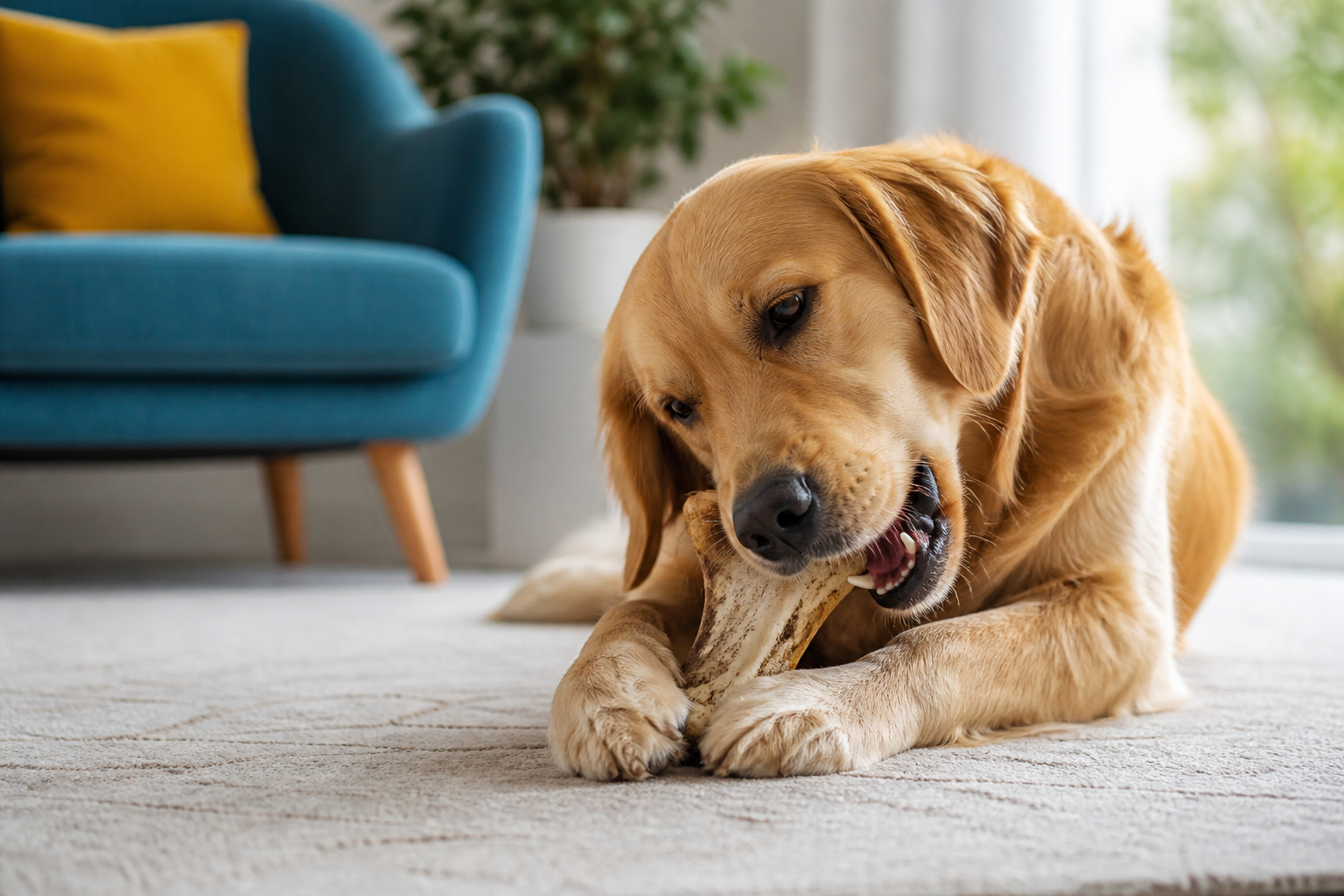
The primary way a bone helps a dog's mouth is through mechanical action. When a dog gnaws on a hard surface, the friction scrapes against the surface of the tooth. This action can rub away plaque, which is the soft, sticky film of bacteria that forms after eating. If plaque stays on the tooth, it hardens into tartar within about 48 hours. Once tartar forms, it is like concrete. No amount of chewing will safely remove it.
Raw bones also contain natural enzymes. These enzymes can help break down some of the bacteria in the mouth. When a dog chews a meaty bone, they also use their back teeth to shear off bits of connective tissue. This act of pulling and tearing is like flossing for dogs. It helps clean the areas between the teeth and near the gum line.
However, the benefit only happens if the dog is actually chewing correctly. Some dogs are "gulpers" who try to swallow large chunks. These dogs do not get any dental benefit because the bone does not spend enough time rubbing against the teeth. Other dogs are "power chewers" who bite down with so much force they risk breaking their own teeth on the hard surface.
Key Takeaway: The abrasive texture of a bone acts like a natural toothbrush to scrub away soft plaque before it hardens.
The Risks of Feeding Real Bones
While the "nature's toothbrush" idea sounds great, real bones come with significant hazards. Many veterinarians see a high number of dental emergencies caused by inappropriate chewing. The most common issue is a slab fracture. This happens when a dog bites down on a hard bone and a large piece of the tooth enamel breaks off. This exposes the sensitive pulp and is very painful.
Beyond the teeth, bones can cause internal damage. Cooked bones are the most dangerous. Heat changes the molecular structure of the bone, making it brittle. Brittle bones splinter into sharp shards that can puncture the esophagus, stomach, or intestines. Even raw bones can cause issues if they are small enough to be swallowed whole. This can lead to a life-threatening blockage in the digestive tract.
Some bones are also very high in fat. Marrow is almost entirely fat. For some dogs, this rich treat can cause an upset stomach or even pancreatitis. Pancreatitis is a serious inflammation of the pancreas that requires immediate veterinary care. If your dog has a sensitive stomach, the high fat content in a "real" bone might cause more trouble than it is worth.
Vet Tip: If you notice your dog has bleeding gums, broken teeth, or very dark brown buildup, skip the bones and head to the vet. These are signs of advanced dental disease that requires a professional cleaning under anesthesia.
Choosing the Right Type of Bone
If you decide to give your dog a bone for dental health, you must choose the right type. Not all bones are created equal. We categorize bones into two main groups: edible bones and recreational bones.
Edible Raw Bones
Edible raw bones are usually from poultry. These include raw chicken necks, wings, or backs. These bones are soft and do not contain marrow. They are safe for a dog to crunch up and swallow completely. Because they are soft, they provide some cleaning for the teeth of small dogs or light chewers. However, for large dogs, they are usually swallowed too fast to provide much dental benefit.
Recreational Bones
Recreational bones are meant to be gnawed on but not swallowed. Large beef knuckle bones are a common choice. These are big enough that the dog cannot fit the whole thing in their mouth. The goal is for the dog to spend 15 to 20 minutes scraping their teeth against the bone to get the bits of meat and gristle off. Once the meat is gone and the dog starts trying to break the actual bone, it is time to take it away.
Bones to Avoid
- Cooked Bones: Never feed any bone that has been boiled, baked, or grilled.
- Small Bones: Avoid t-bones, rib bones, or any bone small enough to swallow.
- Leg Bones of Large Animals: The leg bones of cows or bison are designed to support huge weight. They are often harder than a dog's tooth enamel.
- Pork Bones: These are often soft and salty, leading to splintering and thirst.
Essential Safety Rules for Bone Chewing
Safety should always come first when using bones for dental care. We recommend following these steps every time you give your dog a chew.
Step 1: Supervise the entire session. / Never leave your dog alone with a bone. You need to be there to step in if the bone breaks or if your dog tries to swallow a large piece.
Step 2: Limit the time. / Give the bone for only 15 to 20 minutes. This is enough time for cleaning but not long enough for the dog to cause a dental fracture from repetitive hard biting.
Step 3: Check the size. / The bone should always be larger than your dog's muzzle. If they can fit the whole thing inside their mouth, it is a choking hazard.
Step 4: Dispose of dry bones. / Once a raw bone has been chewed and sits out, it becomes dry and brittle. Throw it away after one use to prevent splintering later.
Bottom line: Supervision and strict time limits are the best ways to prevent dental injuries during chew time.
Better Alternatives for Dental Health
If the risks of real bones make you nervous, there are many safer ways to keep your dog's mouth clean. Many products are designed specifically to mimic the mechanical action of a bone without the danger of splintering or breaking teeth. You can explore our dog dental care category for chews, wipes, and water additives.
VOHC Approved Dental Chews
The Veterinary Oral Health Council (VOHC) awards a seal to products that are proven to reduce plaque and tartar. We carry several brands at BaxterBoo that meet these high standards. These chews are often made of materials that are firm but have some "give." This allows the tooth to sink into the treat, cleaning the entire surface of the tooth rather than just the tips.
Rubber and Nylon Toys
High-quality rubber toys, like those from Kong, are excellent for dental health. You can stuff them with healthy treats to encourage long chewing sessions. The textured surface of these toys helps rub away plaque. Nylon bones are another option, but you must choose the right density. If you cannot make a small dent in the toy with your thumbnail, it might be too hard for your dog's teeth. Browse our selection of KONG products for rubber and enrichment toys.
Dental Diets and the Pharmacy
For dogs with a high risk of dental disease, a specific prescription dental diet might be necessary. These kibbles are much larger than standard food. They are designed not to crumble immediately when the dog bites down. Instead, the tooth sinks into the kibble for a scrubbing effect.
Our pharmacy carries a variety of dental health products through our partnership with Pet's Choice. If your veterinarian prescribes a specific dental diet or a medicated oral rinse, you can fulfill those needs through our pet pharmacy. This is especially helpful for senior dogs who can no longer chew hard bones but still need help managing bacteria in their mouths.
Maintaining a Total Dental Routine
Chewing is just one part of a healthy mouth. Think of it like a human using mouthwash. It helps, but it does not replace the need for brushing. We recommend a multi-step approach for the best results.
- Daily Brushing: This is the gold standard. Use a dog-specific toothpaste, as human toothpaste contains xylitol which is toxic to dogs.
- Water Additives: These help kill bacteria in the mouth throughout the day.
- Regular Inspections: Once a week, lift your dog's lips and look for redness, swelling, or broken teeth.
- Professional Cleanings: Just like humans, most dogs need a professional cleaning from a vet at some point in their lives.
If your dog is already showing signs of gum disease, such as very red gums or loose teeth, do not start a chewing routine yet. The pressure of a bone on a painful tooth can be agonizing for them. Consult your veterinarian to get their mouth healthy first. Once the inflammation is gone, you can use chews or bones to maintain that health.
Key Takeaway: A combination of daily brushing, safe chews, and regular vet checkups is the only way to truly prevent periodontal disease.
Managing Your Dog's Oral Health Long-Term
As your dog ages, their dental needs will change. A young puppy with a strong jaw might handle a recreational bone well. However, a senior dog with thinning enamel or existing fillings will need much softer options. We recommend adjusting your strategy every year during your pet's annual wellness exam.
We are proud to offer a wide selection of dental care products at BaxterBoo to support you at every stage. Whether you need a finger brush for a new puppy or a specialized dental diet for an older dog, we have curated our inventory to include only the most trusted brands. Our MVP Rewards programme makes it easy to stay consistent with dental chews by earning points on every purchase. You can also use our Autoship programme to ensure you never run out of the supplies your dog needs for their daily routine.
Keeping your dog's teeth clean does not have to be a chore. When you understand the balance between the natural benefits of chewing and the safety risks involved, you can make the best choices for your specific pet. Always prioritize safety over convenience. A broken tooth is much harder to fix than a dirty one.
Bottom line: Focus on consistency and safety to ensure your dog enjoys a pain-free, healthy smile for years to come.
FAQ
Can I give my dog cooked bones from my dinner?
No, you should never give your dog cooked bones. Cooking makes bones brittle and prone to splintering into sharp shards. These shards can cause severe internal injuries, including punctures in the digestive tract. Always stick to raw, size-appropriate bones or specifically designed dental chews.
My dog swallows bones very quickly. Are they still getting dental benefits?
If your dog is a "gulper" who swallows large pieces quickly, they are getting almost no dental benefit. The cleaning action comes from the repeated friction of the bone against the teeth over 15 to 20 minutes. For these dogs, a large, non-edible rubber toy or a VOHC-approved dental chew is a much safer and more effective option. For additional guidance, read our guide to safe teething toys.
How often should I let my dog chew on a bone?
We recommend limiting bone or hard chew sessions to two or three times per week. Each session should last no more than 20 minutes. This prevents excessive wear on the teeth and reduces the risk of your dog biting down too hard out of frustration or boredom. Always supervise your dog during these sessions.
Are antlers or hooves safer than bones?
Antlers and hooves are actually much harder than most bones and carry a very high risk of breaking teeth. They are often classified as "hard chews" that do not soften with saliva. Many veterinarians advise against them for aggressive chewers. If you choose these items, be extremely cautious and watch for any signs of dental pain or broken enamel.






