
 Save 15% on your 1st Autoship learn more

 Email us
 Live Chat
 FAQs
FAQs





Introduction
You are standing over your dog with a grooming tool in one hand and a look of concern on your face. You see the fine, angled metal pins of the slicker brush and wonder if those sharp-looking wires will scratch your pet's skin. It is a common moment of doubt for many owners, especially if your dog flinches or tries to walk away during a session. At BaxterBoo, we hear this question often from pet parents who want to keep their dogs looking great without causing any pain.
A slicker brush is one of the most effective tools in your grooming kit, but its safety depends entirely on your technique and your dog's specific coat type. This post covers how to use a slicker brush correctly, why it might cause discomfort, and how to choose the right brush for your dog's unique needs. Understanding the balance between effective hair removal and skin comfort is the key to a stress-free grooming routine.
Quick Answer: A slicker brush does not hurt a dog when used with the correct technique and pressure. It can cause skin irritation or "brush burn" if you apply too much force or use a firm-bristled brush on a dog with very thin hair or sensitive skin.
Understanding the Slicker Brush
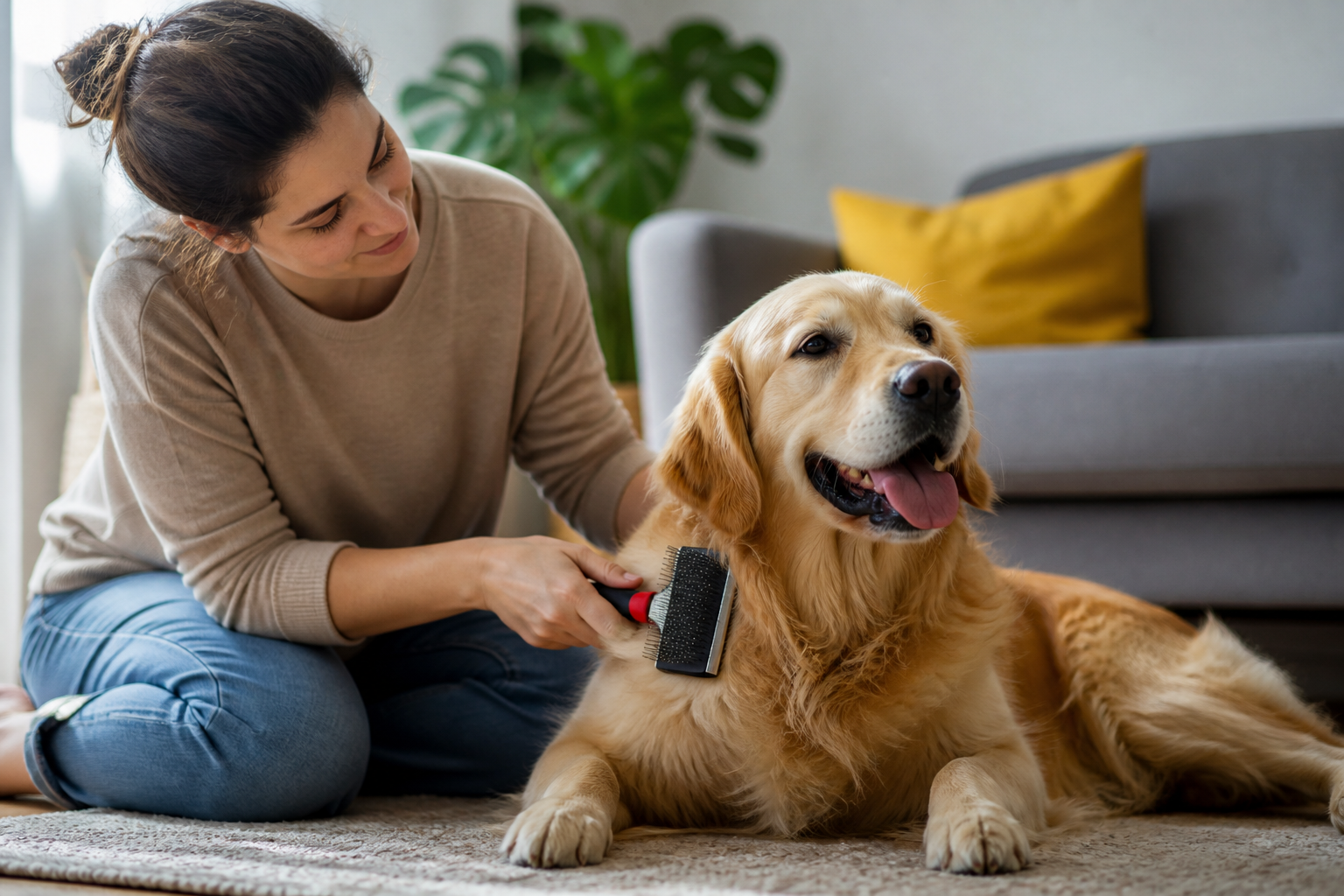
A slicker brush is easily identifiable by its rectangular or slightly curved head filled with fine wire bristles. These bristles are typically bent at a slight angle. This design is intentional. The angle allows the wires to grab loose hair and debris without the tips of the wires digging directly into the skin. When used properly, the pins glide through the fur to pull out dead undercoat and break up small tangles.
These brushes come in various sizes and levels of firmness. Some have very soft, flexible wires designed for puppies or dogs with thin coats. Others are quite firm, meant for thick, double-coated breeds like Huskies or Malamutes. The firmness of the brush determines how much "bite" it has. If you use a firm brush on a dog with very little padding or thin fur, the risk of discomfort increases.
Why the Bristles Look Sharp
The wire pins on a slicker brush can feel prickly to a human finger, which is why many owners worry. However, a dog's coat acts as a buffer. The hair creates a layer of protection between the pins and the skin. In breeds with thick coats, the pins may never even touch the skin during a standard grooming session. The trouble only starts when that buffer is missing or when the brush is pressed down too hard.
The Role of the Angled Pin
The bend in the pin is the safety feature of the brush. It creates a hook that catches dead hair. If the pins were perfectly straight, they would act more like needles. Because they are angled, they are designed to work parallel to the skin rather than perpendicular to it. This is why your brushing motion matters so much.
When a Slicker Brush Might Cause Pain
While the tool itself is safe, there are specific situations where it can cause pain or irritation. Most "brush-related" injuries are actually the result of human error or a lack of understanding about the dog's skin sensitivity.
Brush Burn
The most common issue is known as brush burn. This is a form of skin irritation that looks like a red, scraped area. It occurs when you brush the same spot repeatedly with too much pressure. Even if the bristles are soft, the friction of the metal against the skin can cause heat and tiny abrasions. You might notice your dog licking a specific area after you finish grooming. This is a major red flag that the skin has been irritated.
Tugging on Mats
If your dog has tight mats, a slicker brush can hurt if you try to pull through them in one go. Mats are clumps of hair that have become entwined with live hair near the skin. When the slicker brush catches a mat, it pulls on the skin. This tension is painful. Rather than forcing the brush through, you must work in small sections.
Sensitive Areas
Dogs have areas where their skin is much thinner and more sensitive. These include the armpits, the belly, the ears, and the "trousers" on the back legs. Using the same pressure on the back as you do on the belly can easily lead to discomfort. Always lighten your touch when moving toward these delicate zones.
Vet Tip: If you notice persistent redness, bumps, or broken skin after grooming, your dog may have sensitive skin or an underlying allergy. Our dog skin and coat care collection includes products for grooming and skin support while you adjust your grooming habits.
Matching the Brush to the Coat Type
Not every slicker brush is built for every dog. Matching the firmness and pin length to your dog's coat is the best way to ensure they stay comfortable. You can compare options in our dog brushes and combs collection.
Smooth and Short Coats
Dogs like Boxers, Beagles, and Dalmatians have very little hair to protect their skin. For these breeds, a slicker brush is often not the primary tool. If you do use one, it must be an ultra-soft version. Most owners of smooth-coated dogs find that a rubber curry brush or a soft bristle brush is much more comfortable. A firm slicker brush on a Beagle is a recipe for brush burn.
Double Coats
Breeds like Labrador Retrievers, German Shepherds, and Samoyeds have a dense undercoat. They require a slicker brush with longer pins that can reach through the topcoat to the skin level. Because their coat is so thick, they can usually handle a firmer brush. The thick hair protects the skin from the wire tips.
Curly and Wire Coats
Poodles, Goldendoodles, and Airedale Terriers have hair that traps shed fur rather than letting it fall to the floor. This leads to quick matting. For these dogs, a medium-to-firm slicker brush is essential. It fluffs the curls and pulls out the trapped dead hair. However, because these breeds often require longer grooming sessions, you must be very careful about the amount of pressure used over time.
Drop Coats
Yorkshire Terriers and Maltese have long, silky hair that is more like human hair than fur. They have very little undercoat and very thin skin. A soft-pin slicker brush is the only appropriate choice here. You should be able to press the brush against your own inner wrist without it feeling sharp. If it hurts you, it will definitely hurt them.
The Correct Technique for Pain-Free Brushing
Proper technique is what separates a pleasant massage from a painful ordeal. By changing how you hold the brush and how you move your hand, you can eliminate almost all risk of hurting your dog.
The Pencil Grip
Many people grab a slicker brush like a hammer, using their whole fist. This leads to heavy-handedness. Instead, try holding the handle with your fingertips, similar to how you would hold a pencil or a paintbrush. This grip naturally limits the amount of pressure you can apply. If the brush hits a knot, your grip will give way before the skin is pulled too hard.
The "Pat and Pull" Method
Do not drag the brush in long, sweeping motions across the dog's body. Instead, use a "pat and pull" motion. Gently pat the brush into the hair and then pull it away from the body in a short stroke. This allows the pins to engage with the hair without scraping along the skin.
Line Brushing for Thick Coats
If your dog has a very thick coat, you should use a technique called line brushing.
- Use your free hand to push the hair upward, exposing a "line" of skin.
- Brush the hair downward away from that line in small strokes.
- Move your hand up an inch and repeat the process.
This ensures you are getting through the entire coat without having to press hard or pull through thick layers of fur all at once.
Never Brush a Dry Coat
Brushing a completely dry coat is a leading cause of discomfort and hair breakage. Dry hair creates static electricity, which makes the hair stand up and tangle further. It also makes the hair more brittle.
Key Takeaway: Always use a light detangling spray or a simple mist of water before using a slicker brush. This lubricates the hair shaft, allowing the pins to glide through tangles without snagging or causing pain.
Signs Your Dog is in Discomfort
Even if you think your technique is perfect, your dog is the best judge of the situation. Watch for these behavioral and physical cues:
- Flinching or tensing of the muscles when the brush touches them.
- Trying to sit on their tail or hide their belly.
- Turning their head to watch the brush or gently putting their mouth on your hand.
- Whining or letting out a sharp yelp.
- Skin that looks pink or red immediately after the brush passes over it.
If you see these signs, stop immediately. Check the brush pins to make sure none are bent or broken, as a single damaged wire can scratch the skin like a needle. You may also need to switch to a softer brush or use more detangling spray.
Essential Grooming Checklist
Before you start your next grooming session, make sure you have the right setup to keep your dog comfortable. A little preparation goes a long way in preventing "brush anxiety."
- Check the brush pins: Run your thumb over the bristles. They should feel uniform. If any are sticking out at odd angles, replace the brush.
- Test the pressure: Brush the back of your own hand. If it leaves red marks or feels painful, you are using too much force.
- Have detangler ready: Use a spray to keep the hair hydrated. This is especially important for curly or long-haired breeds.
- Keep treats nearby: Reward your dog for staying calm. This builds a positive association with the tool.
- Check for skin issues: Look for existing scratches, hotspots, or lumps before you start. Never brush over an area that is already irritated.
Bottom line: The slicker brush is a precision tool that requires a light touch and the right coat type to be used safely.
Alternatives to the Slicker Brush
If your dog has extremely sensitive skin or a very short coat, you might find that other tools work better. Not every dog needs a slicker brush to stay clean and healthy.
Rubber Curry Brushes
These are excellent for short-coated breeds like Labradors or Pugs. The rubber "nubs" massage the skin and pull out loose hair without any risk of scratching. Many dogs actually enjoy the feeling of a rubber brush because it feels like a firm pet. Brands like Kong make durable rubber brushes that are perfect for bath time or daily deshedding.
Bristle Brushes
A natural or nylon bristle brush is the gentlest option available. It doesn't reach deep into the undercoat, but it is great for removing surface dust and spreading natural oils. If your dog is terrified of the slicker brush, starting with a soft bristle brush can help them get used to the sensation of being groomed.
Pin Brushes
A pin brush looks like a standard human hairbrush. The pins are longer, straighter, and usually have rounded tips. These are great for daily maintenance on long, silky coats where you want to avoid any potential for skin irritation. They don't remove as much dead undercoat as a slicker, but they are much more forgiving.
For a gentler all-purpose option, consider the U-Groom Combo Brush for Dogs and Cats, which combines rounded pins with bristles.
Maintaining Your Grooming Tools
A dirty or damaged brush is more likely to cause pain. Over time, the wire pins on a slicker brush can become clogged with hair, skin oils, and dander. This buildup makes the brush less effective, which often causes owners to press harder to get results.
Clean your brush after every session. Most slicker brushes allow you to pull the hair out by hand, but you can also use a fine-tooth comb to rake out the remaining fuzz. Once a month, wash the brush with a bit of mild pet shampoo and warm water. Ensure it dries completely with the pins facing down so water doesn't sit in the base, which can lead to rust.
When to Replace Your Brush
Metal pins will eventually lose their "spring" or become sharp at the tips if the protective coating wears off. If you notice any rust, or if the pad holding the pins starts to peel away from the handle, it is time for a new one. A high-quality brush is a small investment that prevents skin damage and keeps your dog's coat in top condition.
Training Your Dog to Love Grooming
If your dog already thinks the slicker brush hurts, you may need to do some "rebranding" of the tool. This process takes patience but is worth the effort for a lifetime of easy grooming.
Start by just showing the dog the brush and giving them a high-value treat. Do this for a few days without actually touching them with it. Once they are happy to see the brush, touch them with the back of the brush (the smooth side) while giving treats. Gradually move to a single, very light stroke with the bristles in a non-sensitive area like the shoulder.
By moving slowly and using plenty of rewards, you can teach your dog that the brush means good things are coming. Many dogs eventually learn to relax and enjoy the session, especially if it is followed by a favorite activity like a walk or a game of fetch.
Managing Shedding and Skin Health
Grooming is about more than just looking good. It is a vital part of your dog's overall health. Regular brushing helps you spot fleas, ticks, or unusual lumps early. It also stimulates blood flow to the skin, which encourages a healthy, shiny coat.
If your dog is shedding excessively despite regular brushing, it might be time to look at their nutrition. High-quality foods from NutriSource or Farmina are formulated with omega fatty acids that support skin elasticity and coat strength. When the skin is healthy, it is less prone to the dryness and irritation that can make brushing uncomfortable.
For dogs with chronic skin issues, regular grooming can be a challenge. If your dog has a condition that requires medicated baths or specific topical treatments, our dog skin and coat care collection can help you explore grooming and skin-support products.
Summary of Safe Brushing Habits
Using a slicker brush is an art that combines the right tool with a gentle hand. It is the best way to prevent painful mats and keep shedding under control, provided you stay mindful of your dog's comfort.
- Choose a brush firmness based on your dog's coat density.
- Always use a detangling spray to prevent hair breakage and static.
- Hold the brush with a light "pencil" grip to avoid applying too much pressure.
- Watch your dog's body language for any signs of "brush burn" or discomfort.
- Keep your tools clean and replace them if the pins become bent or rusty.
At BaxterBoo, we want every grooming session to be a bonding moment for you and your pet. Whether you are prepping for a dog show or just trying to keep the fur off your couch, having the right knowledge makes all the difference. The MVP Rewards programme can help you save on all your grooming essentials, from professional-grade brushes to soothing shampoos.
FAQ
Can a slicker brush cause a rash on my dog?
Yes, if used too forcefully, it can cause "brush burn," which looks like a red, irritated rash. This usually happens when the metal pins scrape against the skin repeatedly in the same spot. To avoid this, use light pressure and keep the brush moving to different areas of the body.
How do I know if my slicker brush is too firm?
Test the brush on the inside of your own forearm using the same pressure you would use on your dog. If the sensation is sharp or leaves red marks on your skin, the brush is likely too firm for a dog with a thin or single-layer coat. For those dogs, look for a "soft" or "flexible" slicker brush instead.
Should I use a slicker brush on a wet dog?
It is generally better to brush your dog when the coat is damp with a detangling spray rather than soaking wet. Wet hair is stretched and more prone to snapping, while bone-dry hair creates static that leads to tangles. A slightly misted coat provides the perfect amount of lubrication for the pins to glide through.
Can I use a slicker brush on a puppy?
You can use a slicker brush on a puppy, but you must choose an extra-soft version and keep the sessions very short. Puppies have very sensitive skin and are still learning to trust the grooming process. Use the brush gently for a few seconds at a time and follow up with plenty of treats to build a positive association.






