Save 15% on your 1st Autoship learn more

 Email us
 Live Chat
 FAQs
FAQs





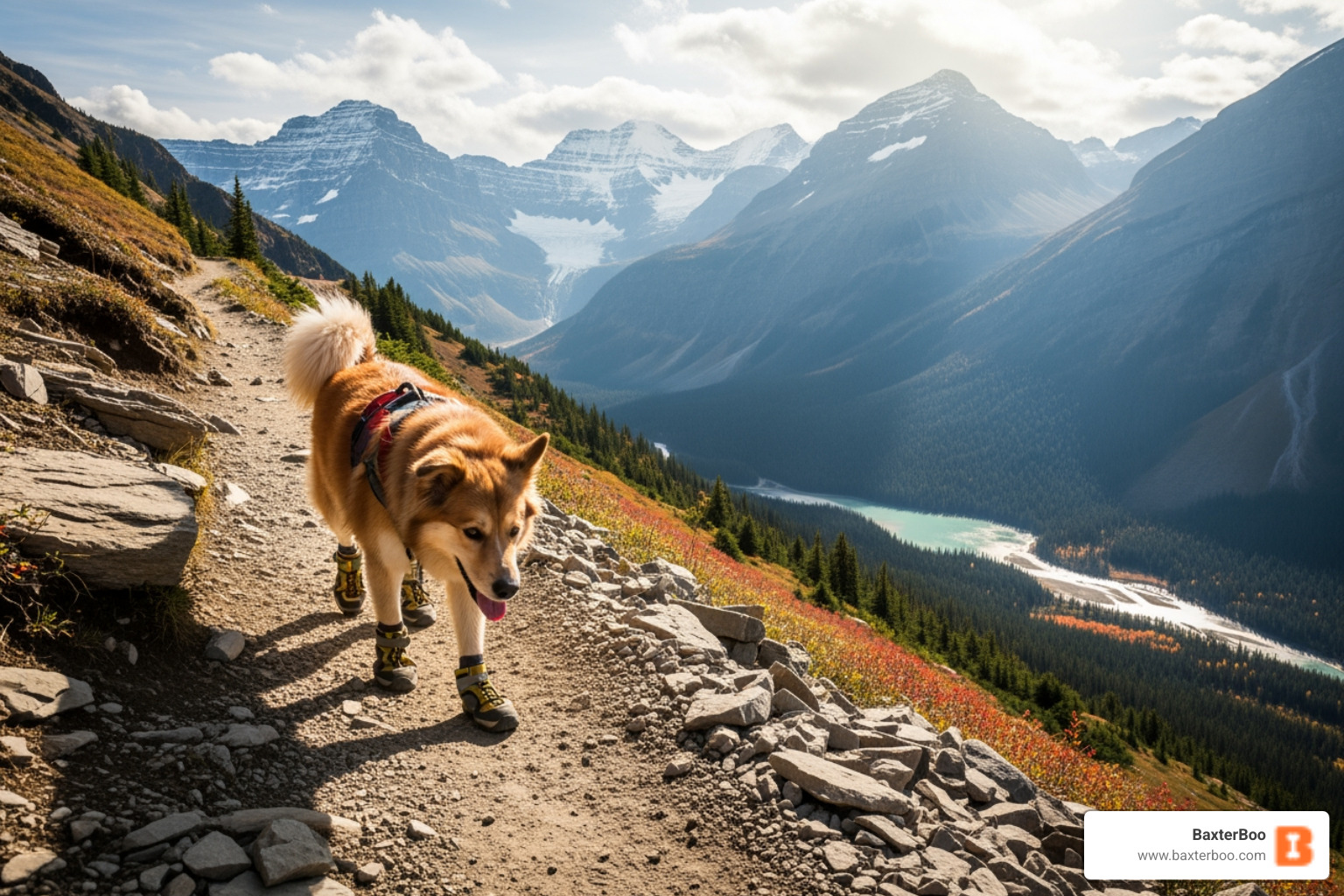
Why Dog Hiking Boots Matter for Your Adventurous Pup
Dog hiking boots protect your furry companion's paws from extreme temperatures, rough terrain, and potential injuries on the trail. Here's what you need to know when choosing the right pair:
Top Considerations for Dog Hiking Boots:
- Terrain Type: Heavy-duty boots with rugged soles for rocky trails; flexible booties for hot pavement.
- Weather Conditions: Waterproof boots for wet trails; breathable options for summer heat.
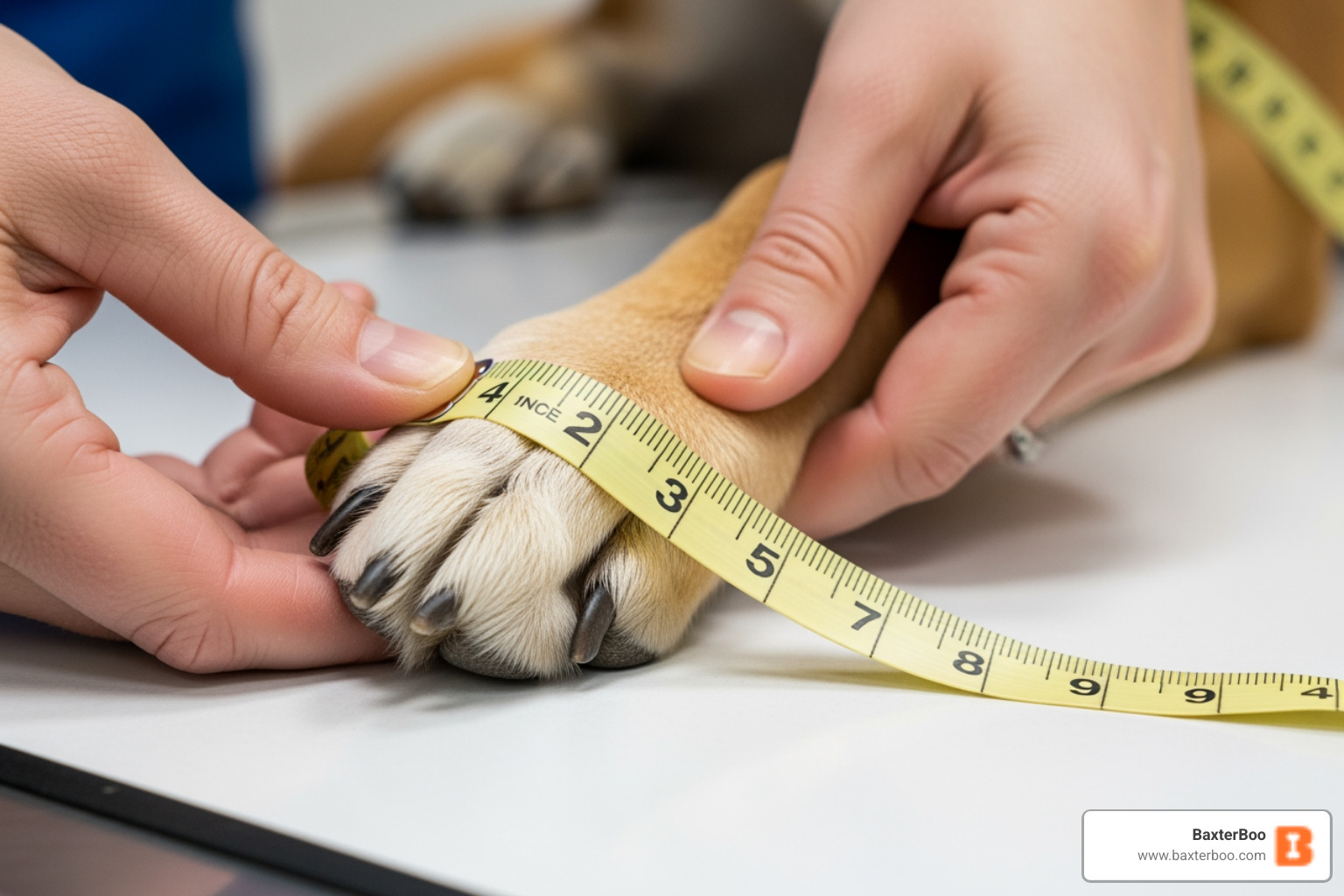
- Proper Fit: Measure paw width while your dog stands with weight on the paw.
- Boot Style: Rubber-soled boots last longer but are less flexible; sock-style booties are lighter but wear out faster.
- Price Range: Basic booties are often budget-friendly, while premium boots cost more but offer superior durability for challenging conditions.
One of the most important things to know? Most dogs don't actually need boots for regular walks. But when you're hitting challenging trails with hot pavement, sharp rocks, or icy conditions, the right boots become essential gear.
Your dog's paw pads can handle a lot, but they're not invincible. Hot asphalt can cause burns. Ice and de-icing salts lead to cracking and irritation. Sharp rocks and thorns can puncture sensitive pads. And here's something many pet parents don't realize: dogs regulate heat through their paw pads, so the wrong boots in hot weather can actually cause overheating.
The key is matching the boot to your specific hiking conditions and your dog's needs. A lightweight bootie that works great for protecting against hot sand might fall apart on a rocky mountain trail. Meanwhile, heavy-duty boots with thick soles can make your dog feel unsteady if they don't need that level of protection. While heavy-duty boots are a bigger investment, their longevity often makes them a smart choice for frequent hikers.
Why Your Dog Needs Paw Protection on the Trail
Your dog's paws might seem tough, but they are vulnerable to the elements. Paw pads provide shock absorption and traction, but they also play a crucial role in how dogs regulate temperature through their paws. Since dogs expel heat through their pads, they are sensitive to extreme temperatures.
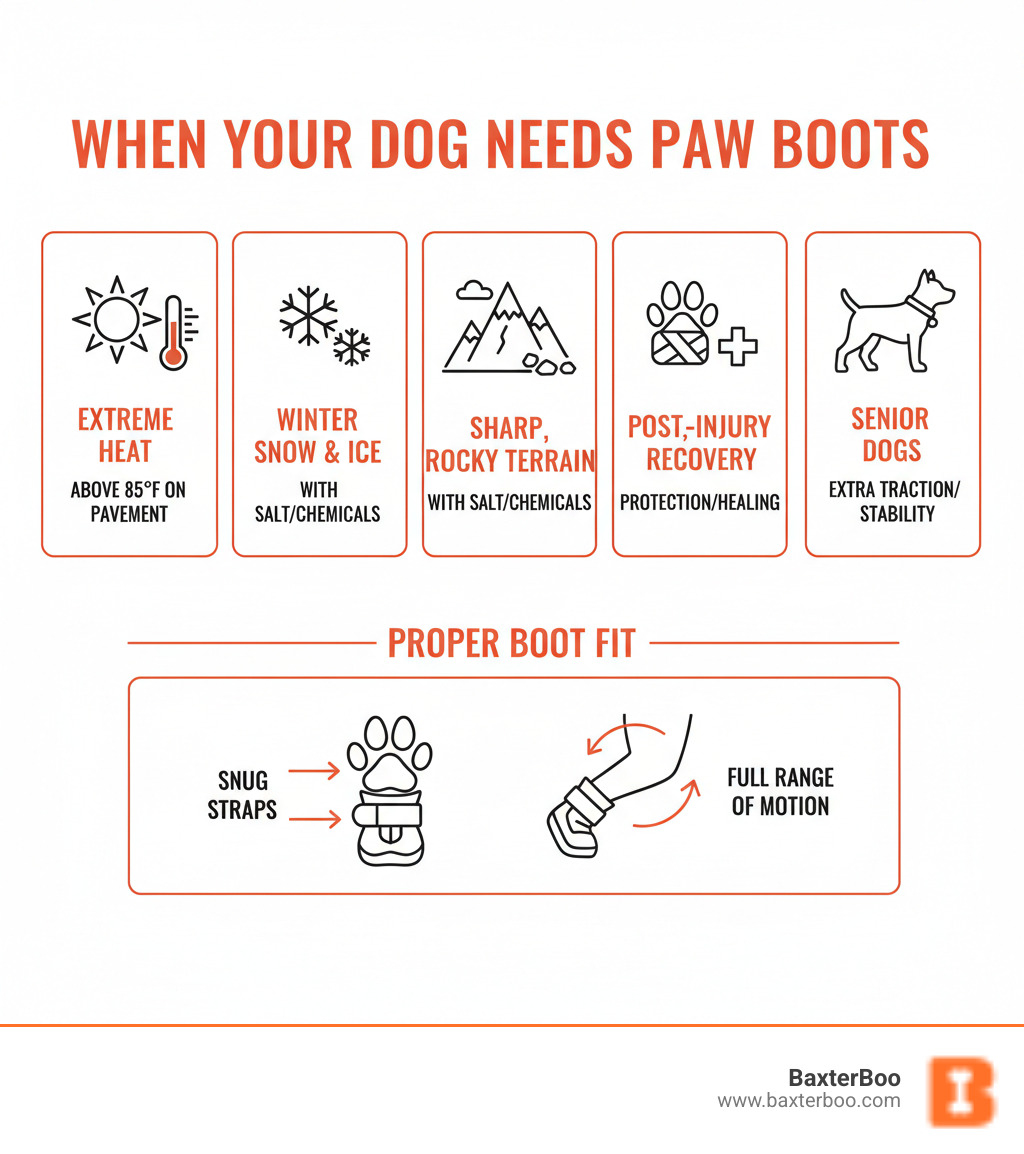
Extreme temperatures are a major threat. When the air is 85°F, asphalt can reach a scorching 135°F, causing burns in minutes. Similarly, ice and snow can lead to frostbite, while corrosive de-icing salts cause painful cracks and chemical burns.
Rough terrain also poses a risk. Sharp rocks, gravel, thorns, and other debris can cause cuts, punctures, and bruising, which can lead to infection. Dog hiking boots act as an essential barrier against these hazards, protecting paws from injury, allergens, and extreme temperatures.
When to Use Dog Boots
Not every walk requires boots, but they are a must-have in certain conditions:
- Summer Heat: If pavement or sand is too hot for your hand for seven seconds, it's too hot for your dog's paws.
- Winter Cold: Boots protect against frostbite, chapping, harsh de-icing salts, and the formation of snowballs between the toes.
- Trail Surface: Use boots on rocky, jagged paths to prevent cuts and on hot, abrasive sand to avoid irritation. They also keep paws clean and dry in mud.
- Post-Injury Recovery: Boots act as a protective bandage over cuts, scrapes, or foot wraps, keeping the area clean and allowing it to heal.
- Senior Dogs: The added traction from boots helps prevent slips and improves mobility for older dogs on slick surfaces.
Potential Risks of Improper Boot Use
While beneficial, boots can cause problems if not used correctly. These issues are easily avoidable with proper care.
- Incorrect Sizing: Boots that are too small can pinch and restrict blood flow, while boots that are too large can slip and cause chafing.
- Chafing and Hotspots: Rubbing from an improper fit can quickly lead to painful sores.
- Overheating: Since dogs regulate heat through their paws, non-breathable boots can trap heat and cause overheating, even in moderate weather.
- Reduced Proprioception: Boots can temporarily interfere with your dog's sense of balance and coordination, making them feel clumsy. Gradual introduction helps them adapt.
- Dew Claw Irritation: Many boots can press against the dew claw. Look for styles designed to sit below the dew claw or ensure the fit doesn't cause pressure.
The bottom line is that proper fit is everything. Boots must be secure without being tight, allowing for a full range of motion.
A Guide to Different Types of Dog Hiking Boots
Choosing the right dog hiking boots is like shopping for your own hiking footwear—the gear should match the adventure. The same principle applies to your pup's paw protection.
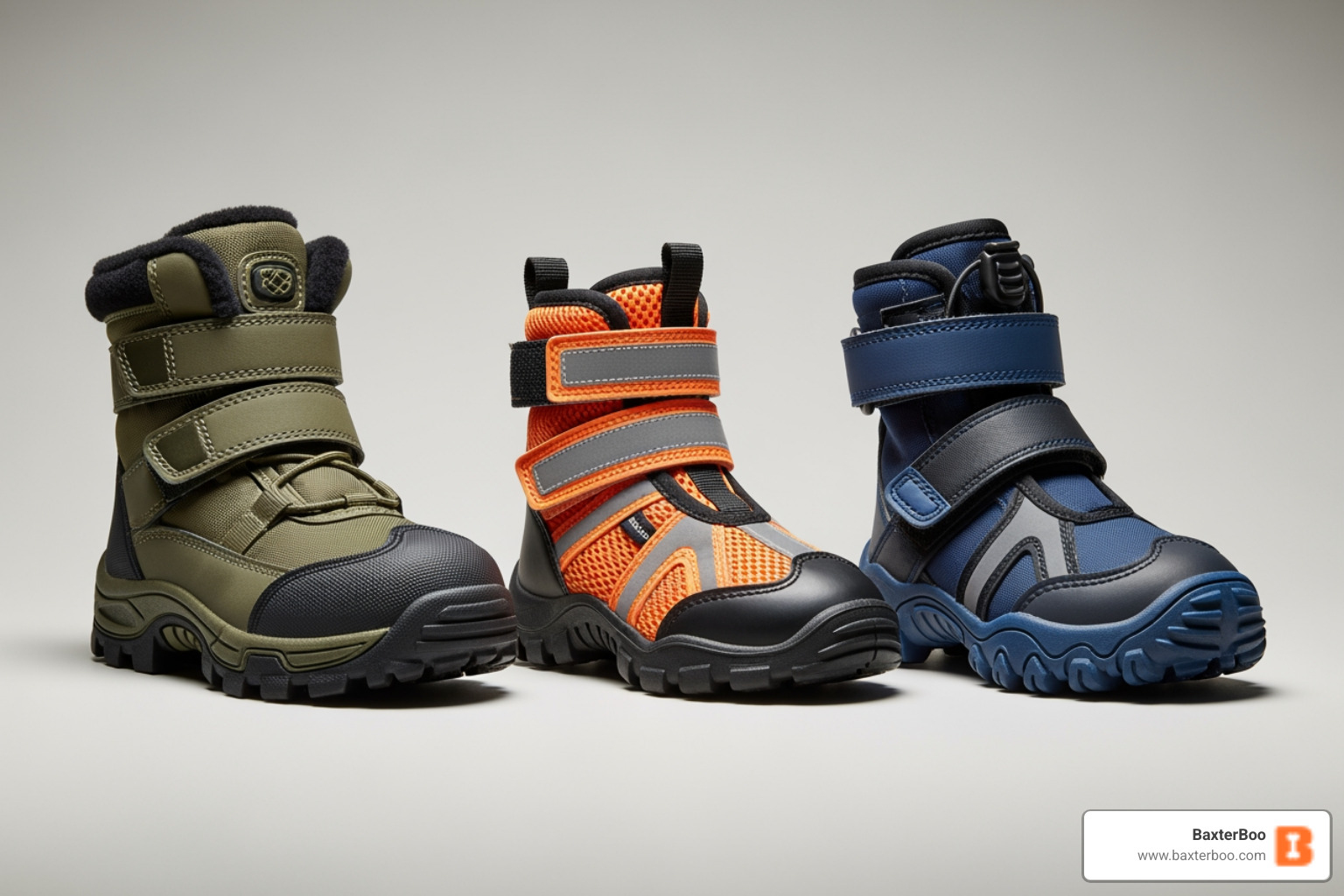
Most dog hiking boots have uppers made from durable materials like polyester or nylon and soles ranging from flexible rubber to rugged, high-traction outsoles. Fastening systems usually include hook-and-loop straps or cinch closures to keep them secure. Understanding the different types will help you choose the right protection for your dog.
Heavy-Duty Hiking Boots
For serious terrain, these boots are built tough. They often feature rugged, high-traction soles similar to those on human hiking boots, providing exceptional grip and durability. This design keeps your dog steady on challenging surfaces like sharp rocks and is excellent for long-distance hikes or extreme temperatures. Some models even offer ankle support for extra stability.
The trade-off is that these boots are less flexible and heavier, which may require an adjustment period for your dog. While they come with a higher price tag, the investment often pays off in longevity and superior protection.
All-Weather & Waterproof Boots
These boots are a versatile middle ground, perfect for when the forecast is questionable. They typically use water-resistant materials and rubber soles to handle wet conditions, moderate trails, mud, and de-icing salts. They keep paws dry and clean while offering good traction in wet environments, making them practical for everyday adventures.
That many boots marketed as "waterproof" are actually water-resistant. They handle light rain and puddles well, but heavy downpours can let moisture seep in. If water gets trapped inside, it can lead to skin irritation, so always dry the boots thoroughly after use. Some models may also sacrifice breathability for water protection.
More info about our all-weather dog apparel
Flexible & Lightweight Booties
Often called sock-style or mushing booties, these lightweight options prioritize flexibility and breathability. Made from materials like nylon, they allow for natural movement and a better feel of the trail, which can make them easier for dogs to accept. The high breathability also helps keep paws cool.
These booties are ideal for hot pavement, light trails, or sensitive paws needing gentle protection. The downside is durability; they won't last as long as heavy-duty boots and offer less protection from sharp objects. Mushing-style boots, for example, excel in snow but wear out quickly on abrasive surfaces like concrete.
Check out these lightweight booties
Paw Wax: A Boot-Free Alternative
For dogs who refuse to wear boots, paw wax is a great alternative. These waxy balms are applied directly to the paw pads, creating a breathable barrier that conditions the skin while protecting against minor irritants like salt, ice, and hot surfaces. It can also help reduce snowball buildup between the toes.
Paw wax is an inexpensive and easy-to-apply solution for less extreme conditions. However, it offers no puncture protection from sharp objects and provides limited defense against extreme temperatures or rough terrain. It's best used as a preventative measure, not a replacement for boots in harsh conditions.
Getting the Perfect Fit: A Step-by-Step Guide
Even the highest-quality dog hiking boots are ineffective if they don't fit properly. A poor fit can cause discomfort and chafing, defeating the purpose of paw protection. A proper fit ensures the boots stay on securely without being too tight, allowing your dog to move naturally.
That most dogs have wider front paws than rear paws, so you may need different sizes for the front and back. Some manufacturers sell boots in pairs for this reason.
How to Measure for Dog Hiking Boots
Accurate measurements are the key to a good fit. Have your dog stand on a piece of paper on a hard, flat surface. It's crucial that your dog is putting their full weight on the paw you're measuring for an accurate size. A helpful trick is to lift the opposite paw, which encourages your dog to splay their toes naturally.
- Trace the outline of the weight-bearing paw.
- Measure the widest part of the tracing with a ruler.
- Measure the length from the back of the largest paw pad to the tip of the longest toenail.
- Repeat for a front and a back paw, as they may differ in size.
- Compare your measurements to the manufacturer's sizing chart. Never assume a size, as it varies by brand.
Need a little help getting started? Use this printable sizing guide for help to make the measuring process easier.
How to Properly Put On and Secure Dog Hiking Boots
Once you have the right size, a proper fit depends on how you put them on.
- Open the boot wide and loosen all straps before starting.
- Guide your dog's paw all the way to the front of the boot, ensuring it's fully seated and straight.
- Secure the straps snugly around the narrowest part of your dog's leg, just above the paw. The boot should be secure enough not to twist or slip, but not so tight that it restricts circulation.
- Use the one-finger test: You should be able to comfortably slip one finger between the strap and your dog's leg. If you can fit two, it's too loose; if you can't fit one, it's too tight.
After putting the boots on, watch your dog walk. Some initial awkwardness is normal, but they should adapt quickly. If limping persists or the boots twist, they need adjustment. Dog socks or liners can help improve the fit and prevent chafing. Always check your dog's paws for redness or rubbing after a hike.
Training, Care, and Maintenance
Getting your pup comfortable in dog hiking boots takes patience and positive reinforcement. With the right approach, most dogs learn to tolerate and even enjoy their new gear.
How to Get Your Dog Accustomed to Wearing Boots
The "boot dance" is a normal first reaction. Your job is to make the experience positive.
- Introduce Slowly: Let your dog sniff the boots first. Place them near their food bowl or toys for a day or two.
- Start Small: Begin indoors with very short sessions. Put on just one boot for a minute, offer high-value treats and praise, then remove it.
- Gradually Increase: Work up to all four boots. Once they're on, use a favorite toy or game as a distraction. Many dogs forget about the boots when they're having fun.
- Move Outdoors: After successful indoor sessions, take short walks outside (5-10 minutes). The excitement of a walk often helps dogs adjust.
- Be Patient: Some dogs adapt in minutes; others take weeks. Never force the boots or show frustration. Always end on a positive note.
Caring for Your Dog's Boots and Paws
A little maintenance extends the life of your boots and keeps your dog comfortable.
- Clean and Dry: After hikes, clean the boots according to the manufacturer's instructions. Most can be hand-washed or machine-washed on a gentle cycle. Always air dry them completely; never use a machine dryer, as high heat can damage them.
- Store Properly: Keep boots in a cool, dry place away from direct sunlight to prevent material breakdown.
- Check Paws: After every hike, inspect your dog's paws for redness, rubbing, or debris that may have gotten inside the boot.
- Trim Nails: Regular nail trims are essential. Long nails can cause discomfort and damage the boots, while also affecting the fit.
For dogs on long, challenging hikes, consider supporting their overall wellness. A mobility supplement for joint health can help keep them comfortable after strenuous activity, ensuring many more adventures together.
Frequently Asked Questions about Dog Hiking Boots
Here are answers to some of the most common questions about dog hiking boots.
How do I know if my dog's boots are too tight or loose?
A proper fit is crucial. A boot is too loose if it spins on the paw or falls off during activity. It's too tight if you can't comfortably slip one finger between the strap and your dog's leg. After a walk, remove the boots and check for any redness, irritation, or chafing on the paws, especially around the ankle and dew claws. These are signs of an improper fit.
Can my dog wear boots for swimming or in water?
Most dog hiking boots are not designed for swimming. While many are water-resistant for crossing streams or walking in rain, they will trap water if fully submerged. This makes them heavy and creates a damp environment that can lead to skin infections. If your dog's boots get soaked, remove them as soon as possible and dry both the boots and your dog's paws thoroughly before the next use.
What if my dog has prominent dew claws?
Dew claws can be a common point of irritation. Look for boot designs that sit below the dew claw or have a more flexible, sock-like construction that creates less pressure. No matter which style you choose, always inspect the dew claw area for any redness or raw spots after every hike. Catching irritation early allows you to adjust the fit or try a different style before it becomes a problem.
Conclusion
Every adventure with your dog deserves to be a great one. When we set out on trails together, we're not just getting exercise – we're building memories that last a lifetime. And keeping your furry friend safe and comfortable? That's what makes those moments truly special.
Dog hiking boots aren't just another accessory. They're genuine protection for your dog's paws when the going gets tough. Whether you're facing scorching summer pavement, icy winter trails, or rocky mountain paths, the right boots can mean the difference between a comfortable hike and painful paw injuries.
Throughout this guide, we've covered the essentials you need to know. We've explored how to recognize when your dog actually needs boots (hint: not every walk requires them), how to choose between heavy-duty hiking boots and lightweight booties, and why getting the perfect fit is absolutely crucial. We've also walked through the training process, because let's be honest – most dogs don't immediately love their new footwear. But with patience, treats, and a positive approach, most pups adapt beautifully.
Proper fit and function go hand in hand. A poorly fitting boot can cause more problems than it solves. Take the time to measure carefully, introduce boots gradually, and check your dog's paws after each outing. These simple steps ensure your pup stays comfortable and protected on every adventure.
At BaxterBoo, we believe the right gear makes every adventure better. When you understand your dog's specific needs and match them with the right equipment, you're setting up both of you for success. Whether you choose rugged boots for challenging terrain, flexible booties for lighter protection, or even paw wax for dogs who refuse to wear boots, you're taking an important step in protecting your best friend's paws.
So go ahead – gear up, hit the trails, and explore the great outdoors together. Your dog's ready for adventure, and now their paws are protected too.

Find the perfect all-terrain dog boots for your next adventure