
 Save 15% on your 1st Autoship learn more

 Email us
 Live Chat
 FAQs
FAQs






Why Diet is Critical for Managing Feline Diabetes
Diabetic cat food is a specialized diet with high protein and low carbohydrates designed to manage blood glucose in cats with diabetes mellitus. The right diet is a cornerstone of treatment, and the good news is that feline diabetes can often be managed—and sometimes even reversed—with the proper nutritional approach.
Key Requirements for Diabetic Cat Food:
- Protein: 50% or more of calories from animal-based sources
- Fat: 20-40% of calories
- Carbohydrates: Less than 10% of calories (lower is better)
- Format: Wet/canned food is generally preferred over dry kibble
- Consistency: Feed the same food daily on a schedule coordinated with insulin injections
As obligate carnivores, cats are biologically designed to thrive on animal protein and fat, not the high-carb fillers in many commercial foods. Feeding a species-appropriate diet addresses the root cause of blood sugar instability.
Many cases of feline diabetes could be prevented if cats maintain a healthy weight. For diagnosed cats, weight loss combined with a proper diet can lead to remission, especially when treatment begins early.
Understanding Feline Diabetes: Signs, Causes, and Diagnosis
Feline diabetes mellitus is remarkably similar to Type 2 diabetes in humans. It's a condition of insulin resistance, where a cat's pancreas doesn't produce enough insulin, or their body's cells stop responding to it. As a result, sugar builds up in the bloodstream instead of fueling the body.
Obesity is the single biggest risk factor for feline diabetes. Fat cells produce hormones that interfere with insulin's function. The good news is that this link to weight means many cases are preventable. For cats diagnosed early, gradual weight loss can even lead to remission, where insulin therapy is no longer needed. This is why the right diabetic cat food and portion control are so powerful.
For detailed guidance, the resource Nutrition for Cats With Diabetes offers valuable veterinary insights.
Key Symptoms to Watch For
Early symptoms can be subtle, so it's important to be observant.
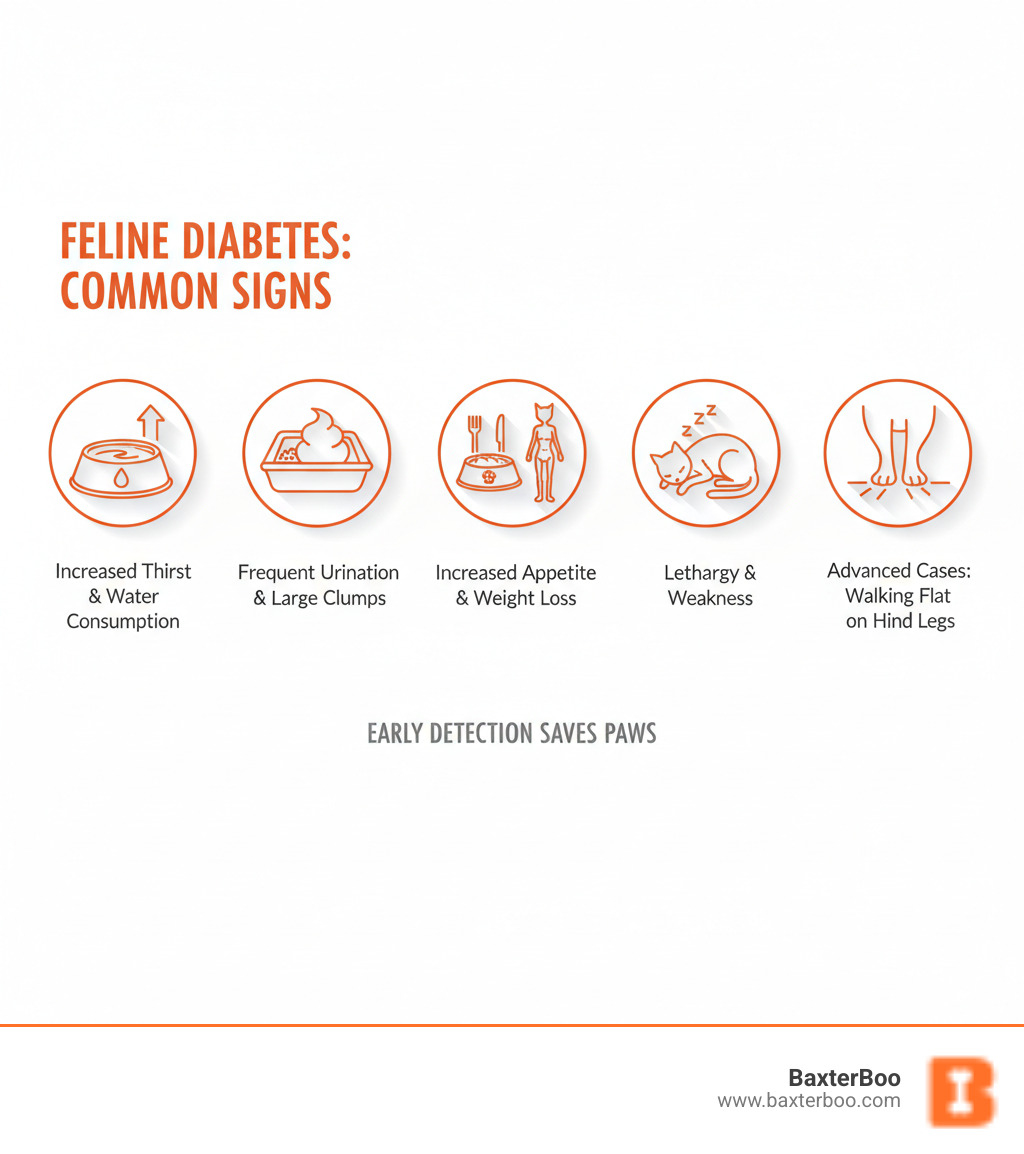
- Increased Thirst and Urination: Often the first red flag. The body tries to flush excess sugar through urine, leading to dehydration and a powerful thirst. You may notice larger clumps in the litter box.
- Ravenous Appetite with Weight Loss: Your cat may seem to be starving, yet lose weight. This happens because their cells can't access glucose for energy, so the body breaks down muscle and fat for fuel.
- Lethargy and Weakness: Without the ability to convert food into energy, your cat may seem tired and less interested in their usual activities.
- Walking Flat on Hind Legs: In advanced cases, nerve damage from high blood sugar can cause a cat to walk with their hocks on the ground (a plantigrade stance) instead of on their toes.
Any of these signs warrant a call to your veterinarian. Early diagnosis improves the chances of successful management.
The Vet's Role in Diagnosis and Management
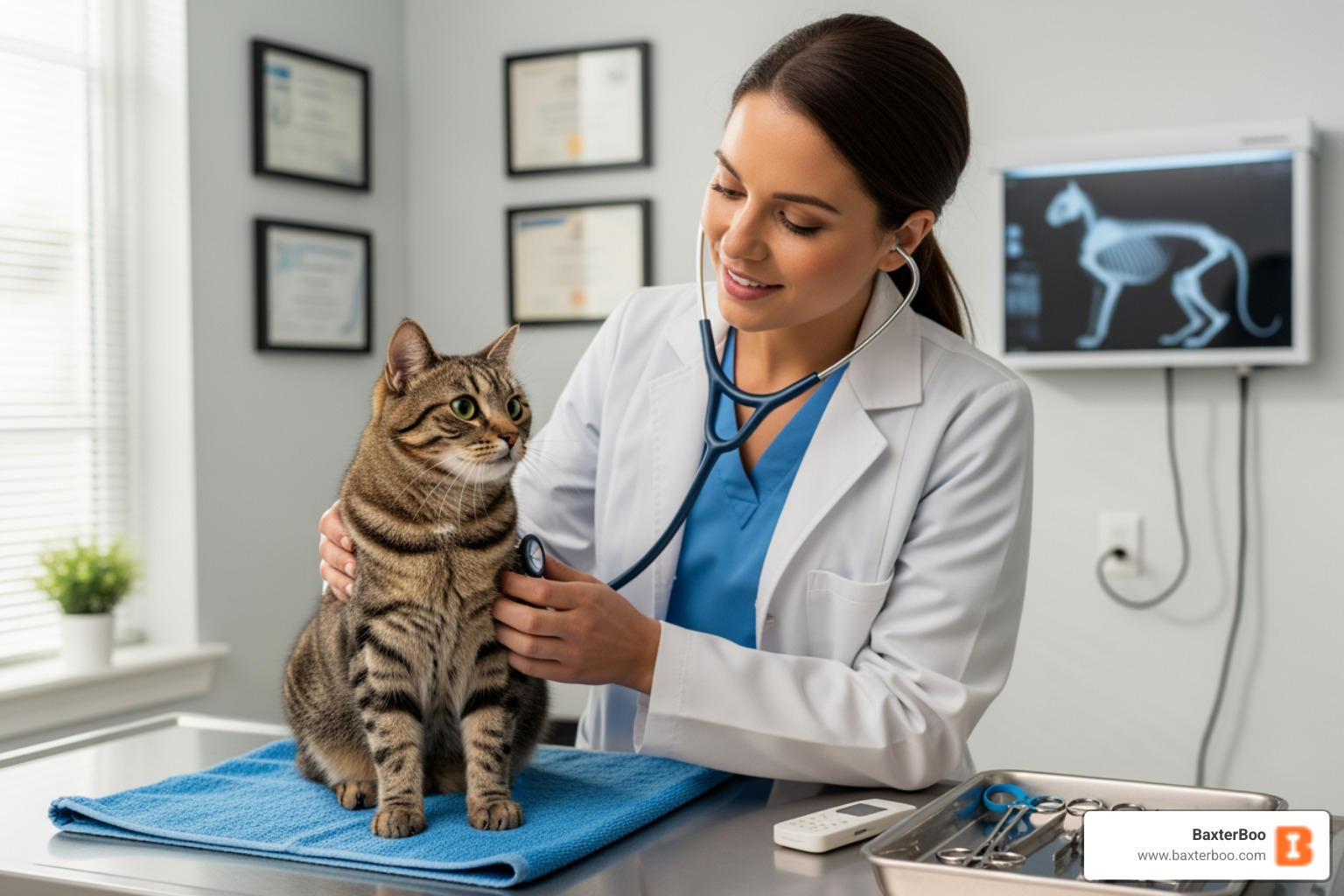
Your veterinarian is your most important partner. Diagnosis is confirmed with blood glucose tests and urine analysis to check for high sugar levels.
Once confirmed, your vet will create a treatment plan that includes:
- Insulin Therapy: Most cats require insulin injections. Your vet will teach you how to administer them safely.
- Diet Recommendations: The right diabetic cat food is crucial and can dramatically reduce insulin needs.
- Regular Monitoring: This involves tracking blood glucose, weight, and symptoms to fine-tune the treatment. Many owners learn to test blood glucose at home.
Successful management is a partnership between you and your vet to give your cat the best chance at a long, healthy life.
The Nutritional Blueprint: What Every Diabetic Cat Needs
Cats are obligate carnivores, meaning their bodies are designed to process meat. Their metabolism is optimized for a prey-based diet rich in protein and fat, with very few carbohydrates. The high-carb content in many commercial cat foods, often from grains and fillers, is at odds with their biology and causes blood sugar spikes that complicate diabetes management.
The solution is a diet that honors their carnivorous nature: high in protein and low in carbohydrates. This approach addresses the root cause of blood sugar instability, helps maintain lean muscle mass, and keeps your cat feeling full.
For a deep dive into feline nutrition, feline nutrition expert Lisa A. Pierson, DVM offers invaluable resources and food composition charts.
Let's look at why the format of food matters:
| Nutrient | Typical Wet Cat Food (as fed) | Typical Dry Cat Food (as fed) | Ideal for Diabetic Cats (Dry Matter Basis) |
|---|---|---|---|
| Protein | 8-12% | 30-45% | 50% or more of calories |
| Fat | 4-8% | 10-20% | 20-40% of calories |
| Carbohydrates | 1-5% | 25-50% | Less than 10% of calories (lower is better) |
| Moisture | 70-85% | 5-10% | High |
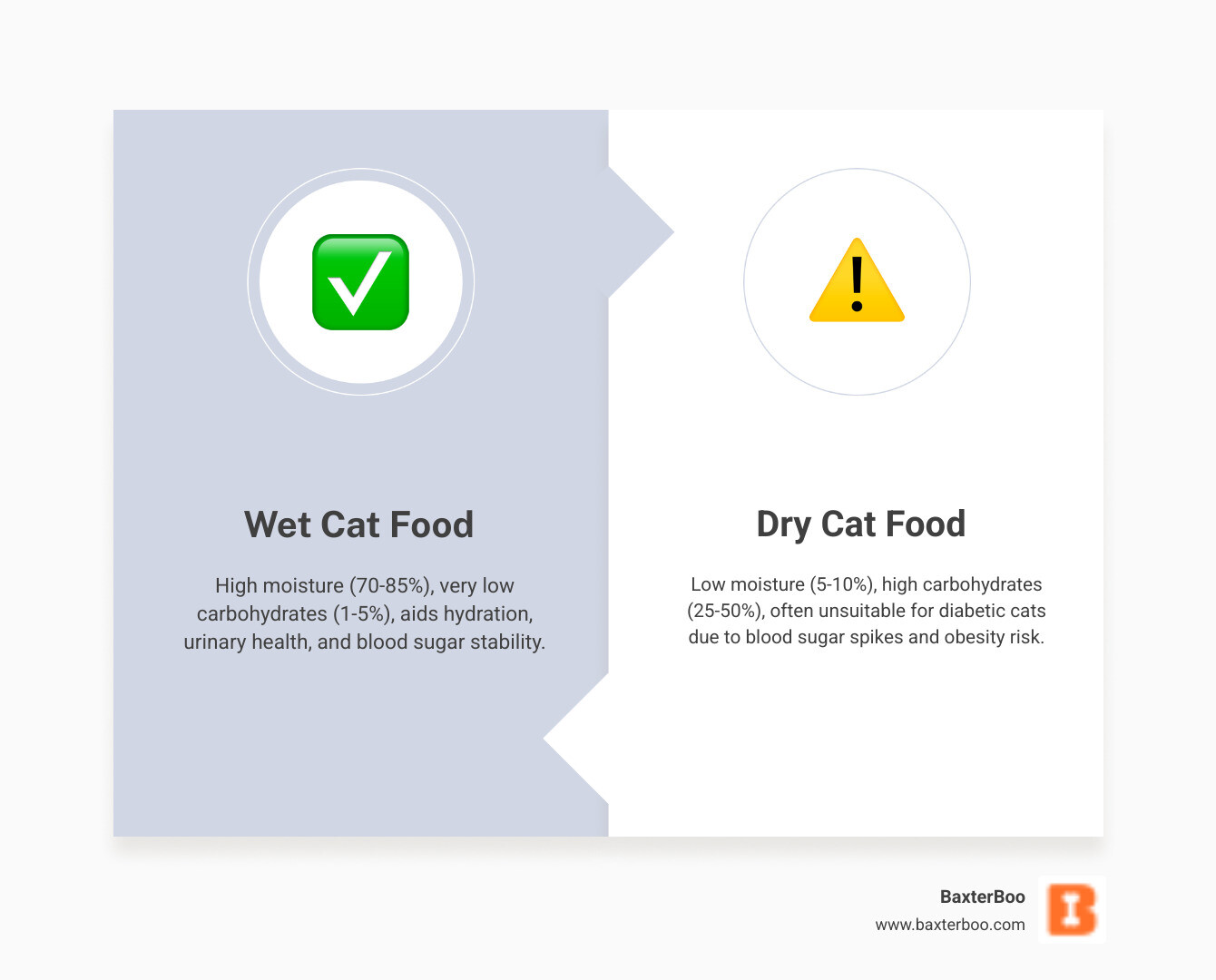
Note: These are general ranges. Always check the guaranteed analysis and consult your vet.
The table shows a striking difference: dry food requires high carbohydrate levels to hold its shape, while wet food can deliver the low-carb, high-protein profile diabetic cats need.
Macronutrient Goals: Protein, Fat, and Carbs
Getting the macronutrient balance right is essential for stabilizing blood sugar.
- Protein: Should provide at least 50% of calories. High-quality animal protein maintains muscle mass, which is crucial for glucose metabolism and better blood sugar control.
- Fat: Should contribute 20-40% of calories. Fat is an efficient energy source for cats and provides essential fatty acids.
- Carbohydrates: Must be strictly limited to less than 10% of calories (and lower is better). Cats have no dietary need for carbs, and starches cause dramatic blood sugar spikes after meals. Minimizing these spikes is the primary goal of dietary management.
Why Wet Food is a Winning Choice
For diabetic cats, wet food is almost always the superior choice due to basic feline physiology.
- Moisture: With 70-85% moisture content, wet food mimics the hydration cats would get from prey, supporting kidney and urinary health—both vital for diabetic cats.
- Low Carbohydrates: Unlike kibble, which requires carbs as binders, wet food can be formulated with the ultra-low carbohydrate levels that diabetic cats need.
- Palatability: The aroma and texture of wet food are more appealing to most cats, ensuring they eat their prescribed meals consistently.
- Portion Control: Wet food encourages meal feeding, making it easy to measure portions and coordinate meals with insulin injections.
For cats needing both diabetes and weight management, products like Purina Pro Plan Veterinary Diets OM Savory Selects Canned Cat Food Chicken show how wet food can address multiple health needs.
Choosing the Best Diabetic Cat Food for Your Feline
Navigating the pet food aisle can be daunting, but selecting the right food for a diabetic cat becomes clearer once you know what to look for. Your first stop should always be your veterinarian, who can provide authorization for prescription diets or guide you on suitable over-the-counter (OTC) options.
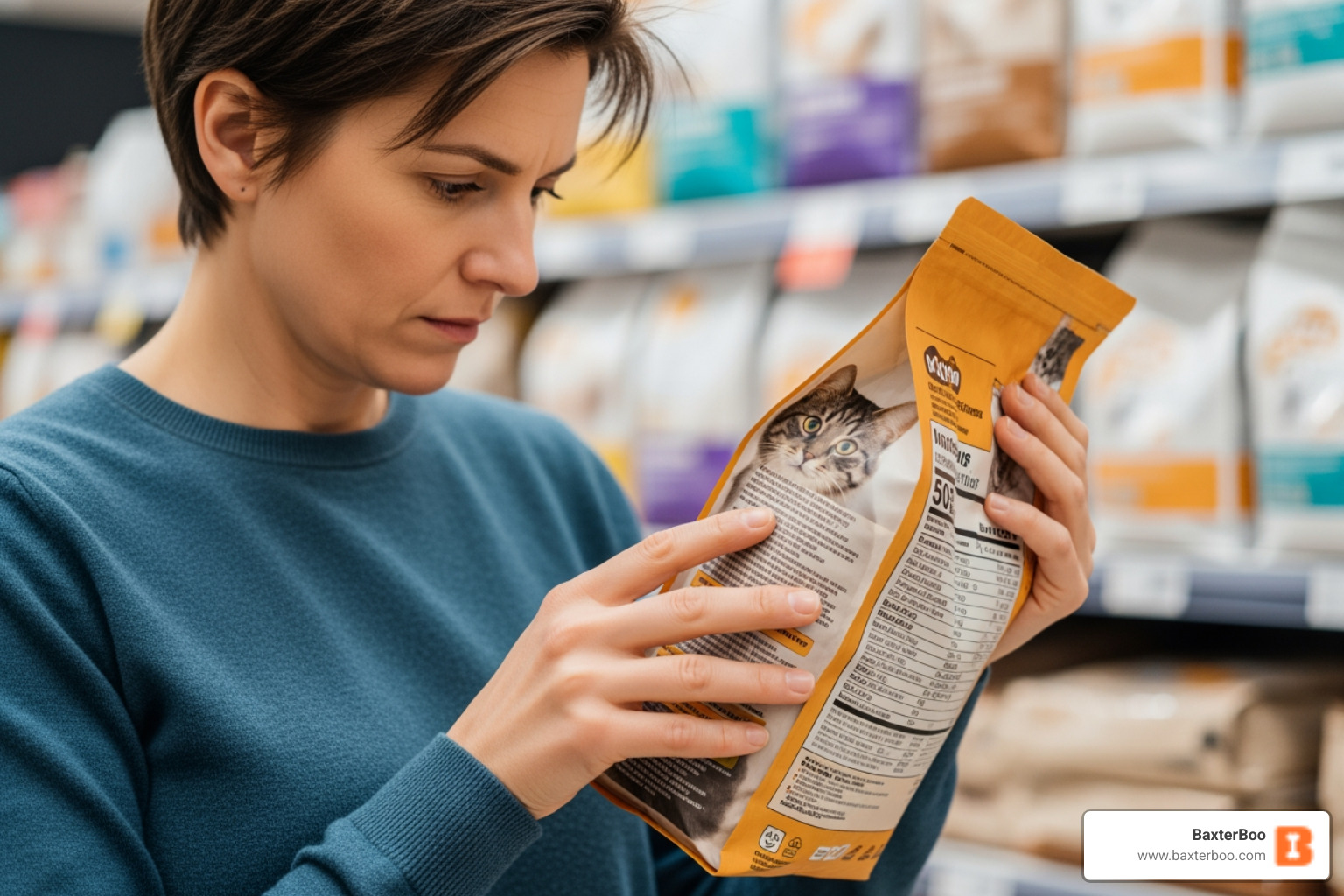
When reading labels, look for meat as the first ingredient and avoid grains (corn, wheat, soy) and added sugars.
Prescription Veterinary Diets vs. Over-the-Counter Options
Your vet may recommend a prescription diet. These are scientifically formulated with precise nutritional profiles for diabetic cats and require veterinary authorization, ensuring their use is properly monitored.
However, many high-quality OTC canned foods are also excellent choices. The key is knowing how to identify them. The food composition charts from feline nutrition expert Lisa A. Pierson, DVM are an invaluable tool for evaluating the carbohydrate content of hundreds of commercial wet foods.
What to Look for in an Over-the-Counter Diabetic Cat Food
When exploring OTC options, focus on these characteristics:
- Pate-Style Wet Foods: These typically have far fewer carbs than foods with gravies or sauces, which often contain hidden starches and sugars.
- High-Quality Animal Protein First: Look for chicken, turkey, beef, or fish at the top of the ingredient list.
- Low Carbohydrate Content: Aim for less than 10% of calories from carbohydrates on a dry matter basis. Use resources like Dr. Pierson's charts to verify this, as it's not always clear from the label.
- No Hidden Sugars: Scan the ingredient list for corn syrup, molasses, or other sweeteners, which have no place in a diabetic cat's diet.
Risks of an Improper Diabetic Cat Food Diet
Feeding an inappropriate diet to a diabetic cat is dangerous and can lead to serious complications:
- Blood Sugar Instability: High-carb foods cause glucose spikes that undermine insulin therapy.
- Worsened Insulin Resistance: The wrong diet can make the condition harder to manage and reduce the chance of remission.
- Organ Damage: Persistently high blood sugar (hyperglycemia) damages vital organs over time.
- Weight Gain: High-carb foods contribute to obesity, a primary risk factor for diabetes.
- Diabetic Ketoacidosis (DKA): A life-threatening complication that can occur when the body breaks down fat too rapidly. It requires emergency veterinary treatment.
Choosing the right diabetic cat food gives your cat the best chance at stable blood sugar and a long, healthy life. At BaxterBoo, we're committed to helping you find high-quality options that support your cat's wellness.
Practical Feeding Guide: Portions, Schedules, and Treats
Managing feline diabetes is not just about what you feed, but also how and when. Consistency in portions and timing is key to maintaining stable blood glucose levels. Proper weight management is also critical, as slimming down an overweight cat can dramatically improve insulin sensitivity and may even lead to remission. For structured weight control, specialized options like Purina Pro Plan Veterinary Diets OM Overweight Management Formula Dry Cat Food can be helpful.
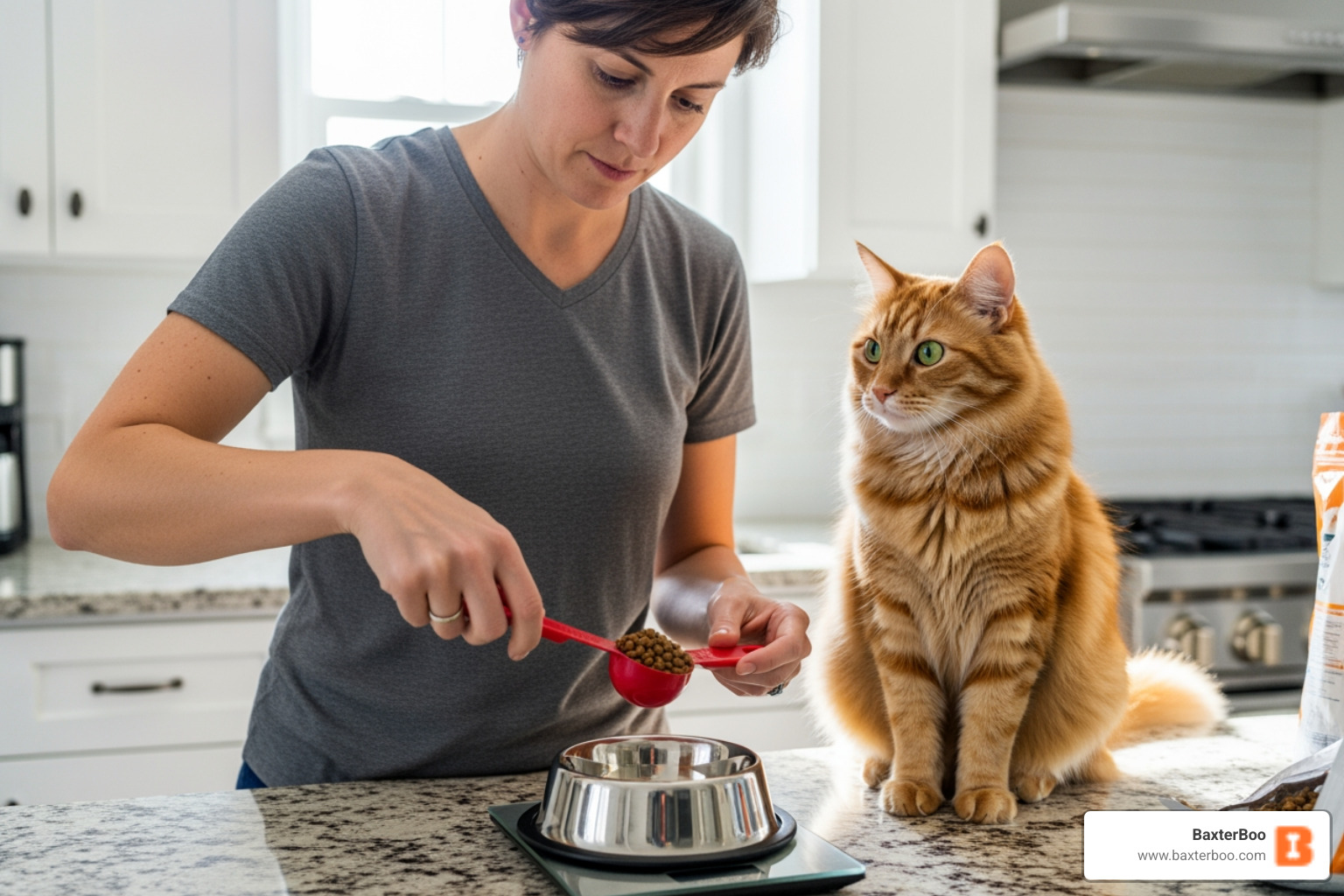
Portion Control and Weight Management
Precision is crucial. Your veterinarian will calculate the exact daily calories your cat needs based on their ideal body weight and activity level. For overweight cats, aim for a safe, gradual weight loss of about 1 percent of body weight per week.
Use a digital kitchen scale to measure food accurately. This ensures your cat receives consistent nutrition, making it easier to manage their diabetic cat food intake and blood sugar levels.
The Importance of a Consistent Feeding Schedule
For cats on insulin, a strict feeding schedule is essential. Most diabetic cats do best with twice-daily feeding, with meals spaced about 12 hours apart to align with insulin injections. Free-feeding is not recommended.
Offer food just before administering insulin. This allows you to confirm your cat has eaten. Giving insulin to a cat that hasn't eaten can cause dangerously low blood sugar (hypoglycemia), which is a medical emergency. This predictable rhythm helps stabilize blood glucose and allows your vet to fine-tune insulin doses effectively.
Treats and Transitioning to a New Diet
Diabetic cats can still have treats, but they must be high-protein and low-carb. Good options include freeze-dried chicken, salmon, or liver, or small pieces of unseasoned cooked meat. Treats should make up no more than 10% of your cat's daily caloric intake.
When switching to a new diabetic cat food, do it gradually over 7-10 days to avoid food refusal. Start by mixing a small amount of the new food (25%) with the old, and slowly increase the proportion of the new food until the transition is complete. If your cat is picky, try warming the wet food slightly. Never starve a cat into eating a new food; if they refuse to eat for 24 hours, call your vet immediately.
Frequently Asked Questions about Diabetic Cat Diets
Navigating a new diabetes diagnosis can bring up many questions. Here are answers to some of the most common concerns from cat parents.
Can diet alone manage my cat's diabetes?
For most cats, diet alone is not enough, especially at diagnosis. The majority will require insulin therapy to get their blood sugar under control. However, a strict low-carbohydrate, high-protein diabetic cat food is a critical part of management. It can significantly reduce insulin needs and, in some cases, help a cat achieve diabetic remission (where insulin is no longer needed). This process must always be managed by a veterinarian, who will monitor your cat and adjust medication accordingly.
What happens if my diabetic cat doesn't eat?
If your cat skips a meal, it can be a serious issue. Giving a full dose of insulin to a cat that hasn't eaten can cause a dangerous drop in blood sugar called hypoglycemia, which is a medical emergency. Contact your veterinarian immediately if your cat misses a meal. They will provide specific instructions on whether to give insulin and how to adjust the dose. Do not make this decision on your own.
Can my non-diabetic cats eat diabetic cat food?
Yes, in most cases. A high-protein, low-carbohydrate diet is not just for diabetic cats; it's a species-appropriate diet for all adult cats. It mimics the natural prey-based diet their bodies are designed for. Feeding this type of food to your healthy cats can help prevent obesity and support their overall wellness. It also simplifies feeding time in a multi-cat household. Just be sure to portion food for each cat based on their individual caloric needs.
At BaxterBoo, we're here to support you through every aspect of your pet's health journey. We can help you find the right nutritional solutions for all the cats in your home.
Conclusion: Partnering in Your Cat's Long-Term Health
Managing feline diabetes is a journey, and educating yourself is the most important first step. The cornerstone of this journey is diet. By feeding your cat a high-protein, low-carbohydrate diet—preferably wet food that honors their carnivorous nature—you are giving their body the fuel it was designed for. This approach, combined with consistency in feeding schedules and portion control, creates the stable environment a diabetic cat needs to thrive.
Your veterinarian is your essential partner. Regular check-ups, open communication, and adherence to their treatment plan are the foundation of successful management. With the right care, your cat's diabetes diagnosis does not define their future.
At BaxterBoo, we believe every pet deserves the highest quality care. Whether you visit us online or at our Vernon Hills, IL location, you'll find expertly curated products to support your companion's wellness. We offer vet-approved medications, organic options, and a comprehensive range of nutrition solutions to help you manage conditions like diabetes.
With species-appropriate nutrition and vigilant care, your diabetic cat can live a full, joyful life. We're honored to be part of that journey with you.
Explore our selection of high-quality pet foods to support your feline's optimal health.






