
 Save 15% on your 1st Autoship learn more

 Email us
 Live Chat
 FAQs
FAQs





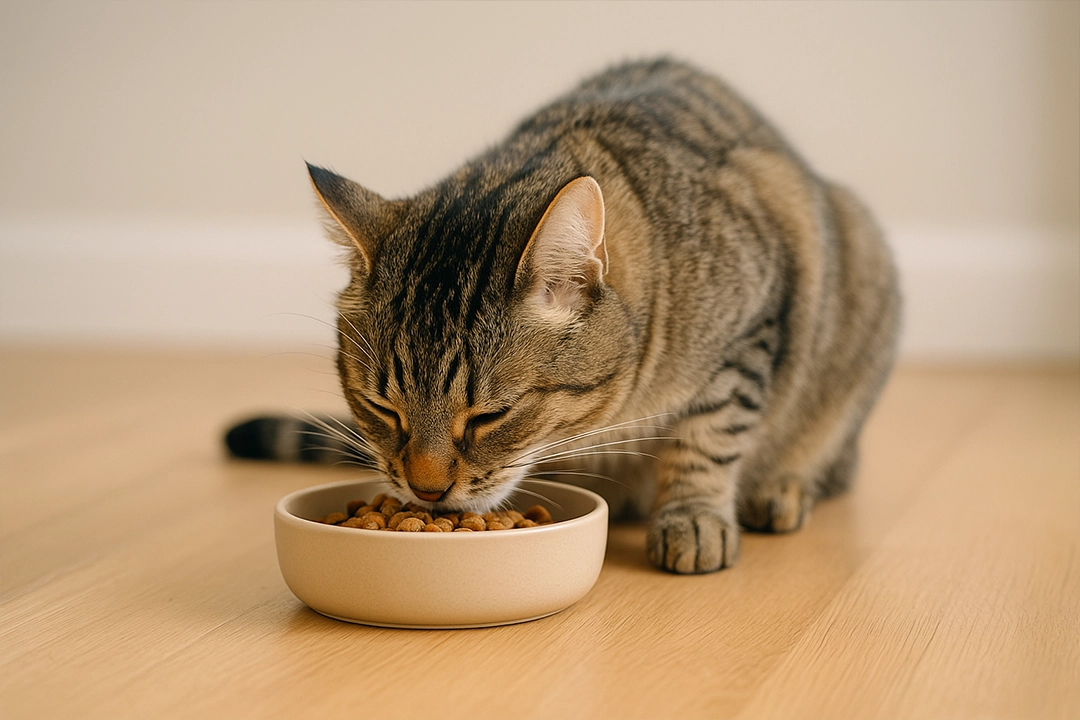
Understanding Your Cat's Sensitive Stomach
A sensitive stomach cat often shows signs like vomiting, diarrhea, or loss of appetite. Finding the right food can make all the difference.
Top Features in Sensitive Stomach Cat Food:
- Highly digestible proteins (novel proteins like duck, rabbit, or venison work best)
- Limited ingredient formulas to reduce allergen exposure
- Probiotics and prebiotics for gut health support
- Moderate fat content with omega-3 fatty acids
- High moisture content (wet food or rehydrated options)
- Avoid common allergens like beef, chicken, fish, and dairy
If your cat is acting "off," leaving food, or you're finding unpleasant surprises, it could be a sensitive stomach. You're not alone in this.
While it's easy to dismiss occasional vomiting as "normal," frequent digestive upset shouldn't be ignored. Even regular hairballs can signal an underlying problem, as a cat's body is designed to pass ingested hair.
The good news is that most cats find relief through a proper diet. Whether it's a food intolerance, stress, or a rare food allergy (affecting less than 1% of cats), choosing the right food can transform your cat's quality of life. This guide will help you spot the signs, understand the causes, and find the best food to help your cat feel their best.
Spotting the Signs & Understanding the Causes

Your cat can't tell you when they're feeling queasy, which is why watching for subtle changes is so important. Cats are masters at hiding pain, so by the time we notice something's wrong, they've often been dealing with it for a while. Once you know what to look for, spotting digestive issues becomes much easier.
Common Symptoms of a Sensitive Stomach in Cats
When your cat's digestive system isn't happy, it lets you know in several ways.
Vomiting is a primary red flag. While many think hairballs are normal, they aren't. A cat's digestive system is designed to pass hair swallowed during grooming. Regularly vomiting hairballs—even once a month—can signal an underlying digestive issue.
Diarrhea and loose stools indicate poor digestion. Chronic soft stool or watery diarrhea warrants a vet visit. Flatulence, or excessive gas, often points to a food intolerance. Other signs include loss of appetite, unexplained weight loss, and lethargy. A normally playful cat who seems tired may have digestive discomfort. More subtle clues include excessive lip licking (a sign of nausea) and increased hiding, as cats instinctively seek solitude when unwell.
If your cat is showing multiple episodes of vomiting and diarrhea in a month, losing weight without reason, or displaying signs of pain like a hunched posture, it's time to call your veterinarian.
Food Sensitivity vs. Food Allergy
Most people use "food sensitivity" and "food allergy" interchangeably, but they're quite different.
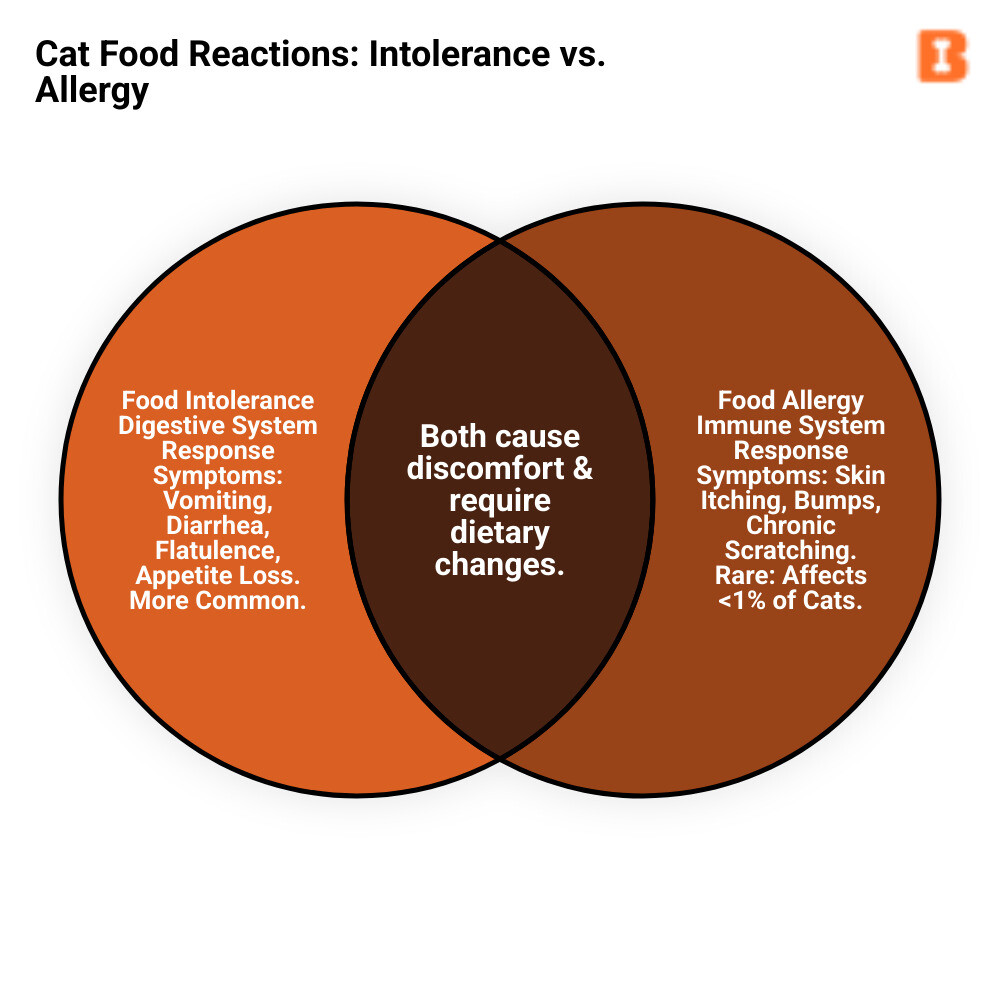
A food sensitivity (or intolerance) is a digestive issue. An ingredient doesn't agree with your cat, causing vomiting, diarrhea, or general tummy trouble. It's uncomfortable but doesn't involve the immune system.
A food allergy is an immune response to a protein. While it can cause GI upset, the most common sign is skin-related: constant, year-round itching, scratching, over-grooming, and bumps on the head and neck.
True food allergies in cats are rare. According to the Merck Manual of Veterinary Medicine, less than 1% of cats have them. Food intolerances are also uncommon, though more frequent than true allergies. This means that while it's easy to blame food, other culprits might be worth investigating first.
Other Culprits: Stress, Parasites, and More
Sometimes your cat's digestive troubles have nothing to do with their food.
Stress can trigger indigestion, vomiting, and diarrhea. As creatures of habit, changes like moving, a new family member, or even a dirty litter box can cause significant stress. Anxious or withdrawn behavior can be a clue. Reducing stress with playtime and a stable routine can help.
Parasites and bacterial infections like gastrointestinal parasites (worms) can wreak havoc. Cats can pick them up from infected animals, contaminated soil, or fleas. Watch for diarrhea, vomiting, weight loss, and a dull coat.
Foreign objects like string, hair ties, and yarn can cause anything from an upset stomach to a life-threatening blockage. Toxic plants, especially lilies, are also extremely dangerous. If you suspect your cat has swallowed something they shouldn't have, contact your vet immediately.
Underlying health conditions like inflammatory bowel disease, kidney disease, and hyperthyroidism can cause persistent stomach issues. This is why a thorough veterinary exam should always be your first step.
Choosing the Best Food for a Sensitive Stomach Cat
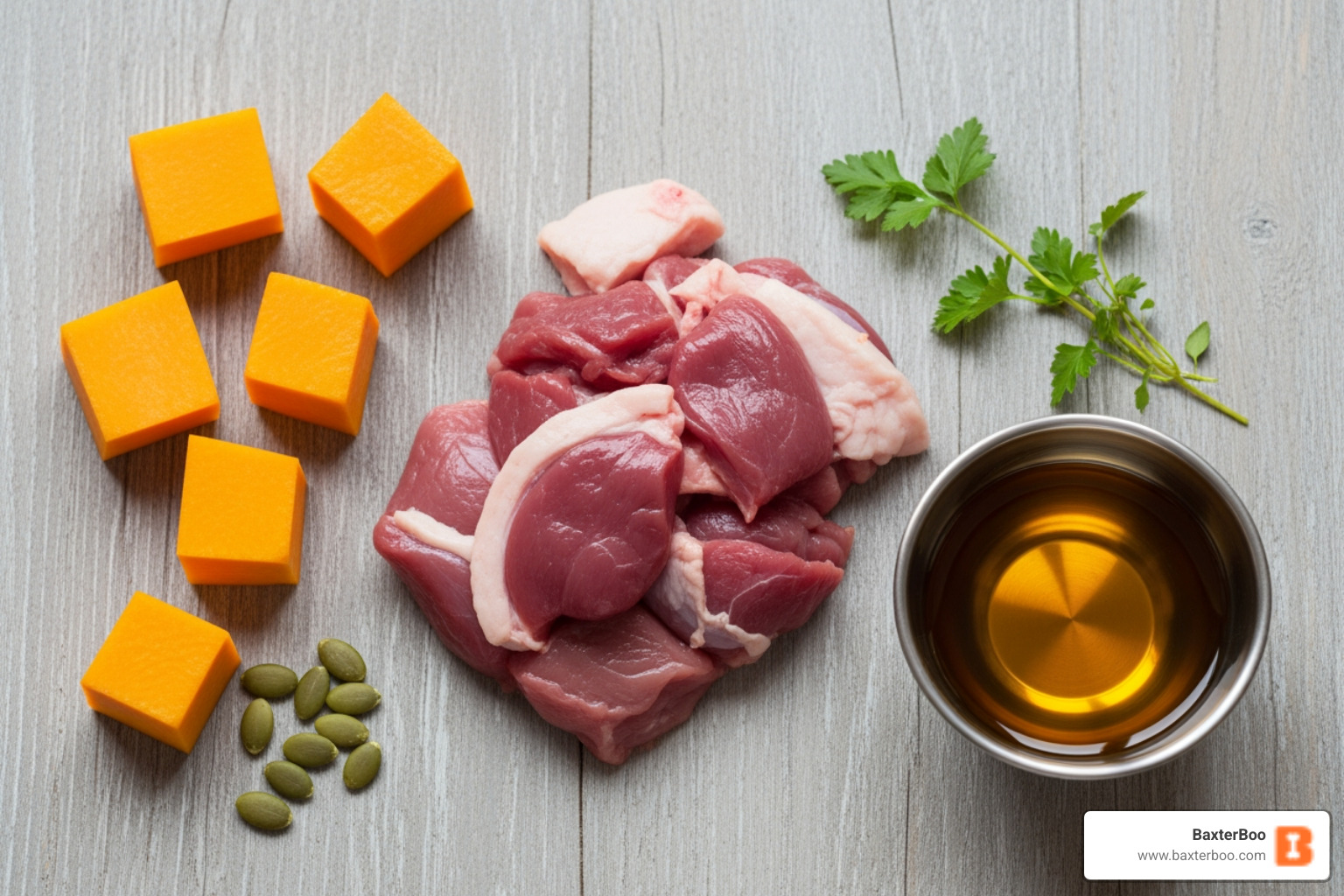
Finding the right diet is the most important tool for managing your cat's tummy troubles. It's not about the fanciest brand, but about choosing gentle, digestible ingredients free from triggers. The goal is to find food that's easy on your cat's digestive system.
What to Look For in a Cat Food
A good sensitive stomach diet starts with highly digestible proteins. As carnivores, cats process meat efficiently. Look for animal proteins like chicken or turkey as the first ingredient. If a common protein is the problem, try novel proteins like duck, venison, or rabbit. Since your cat's system is unfamiliar with them, they are less likely to trigger a reaction.
Look for beneficial additives that support gut health. Probiotics and prebiotics are key; probiotics add good bacteria to the gut, and prebiotics feed them, improving digestion. Omega-3 fatty acids (from fish oil or flaxseed) have anti-inflammatory properties that soothe the digestive tract. Soluble fiber from pumpkin or psyllium husk regulates bowel movements and helps with hairballs (look for 1-8% crude fiber).
High moisture content is another critical factor. Hydration is vital for digestive health, and wet food or rehydrated options significantly boost water intake, helping to prevent both constipation and diarrhea.
Finally, pay attention to moderate fat and carbohydrate content. Too much fat can overwhelm a sensitive stomach, while small amounts of healthy, easily digestible carbohydrates can be beneficial.
Ingredients to Avoid
Knowing what to avoid is just as crucial as knowing what to include. Research has shown that beef, chicken, and fish are among the most common proteins to cause allergies in cats, along with eggs, pork, and lamb. Most cats are also lactose intolerant, so dairy products are a no-go.
Avoid low-quality fillers like corn, wheat, and soy, which are difficult for carnivores to digest. Also, steer clear of artificial additives like colors, flavors, and certain thickeners (guar gum, carrageenan), as they can trigger digestive upset.
Foods with excessive fats can be too rich for a sensitive stomach, especially for less active indoor cats.
Types of Diets for Sensitive Cats
When exploring specialized diets, you'll encounter several options:
Limited Ingredient Diets (L.I.D.) minimize triggers by using a single protein and carbohydrate source (e.g., duck and green peas). They are often available without a prescription.
Hydrolyzed protein diets are veterinary prescription formulas where protein is broken down so small the immune system can't recognize it. They are highly effective for confirmed food allergies.
Novel protein diets use proteins your cat has likely never eaten before, like venison or rabbit, making them less likely to cause a reaction.
The debate between wet versus dry food is also relevant. The higher moisture in wet food can aid digestion, but some cats do better on dry food. A combination often works best.
Some pet parents find success with raw or raw-coated diets, which may digest more gently due to their natural composition and high moisture.
Management, Transitions, and Vet Visits
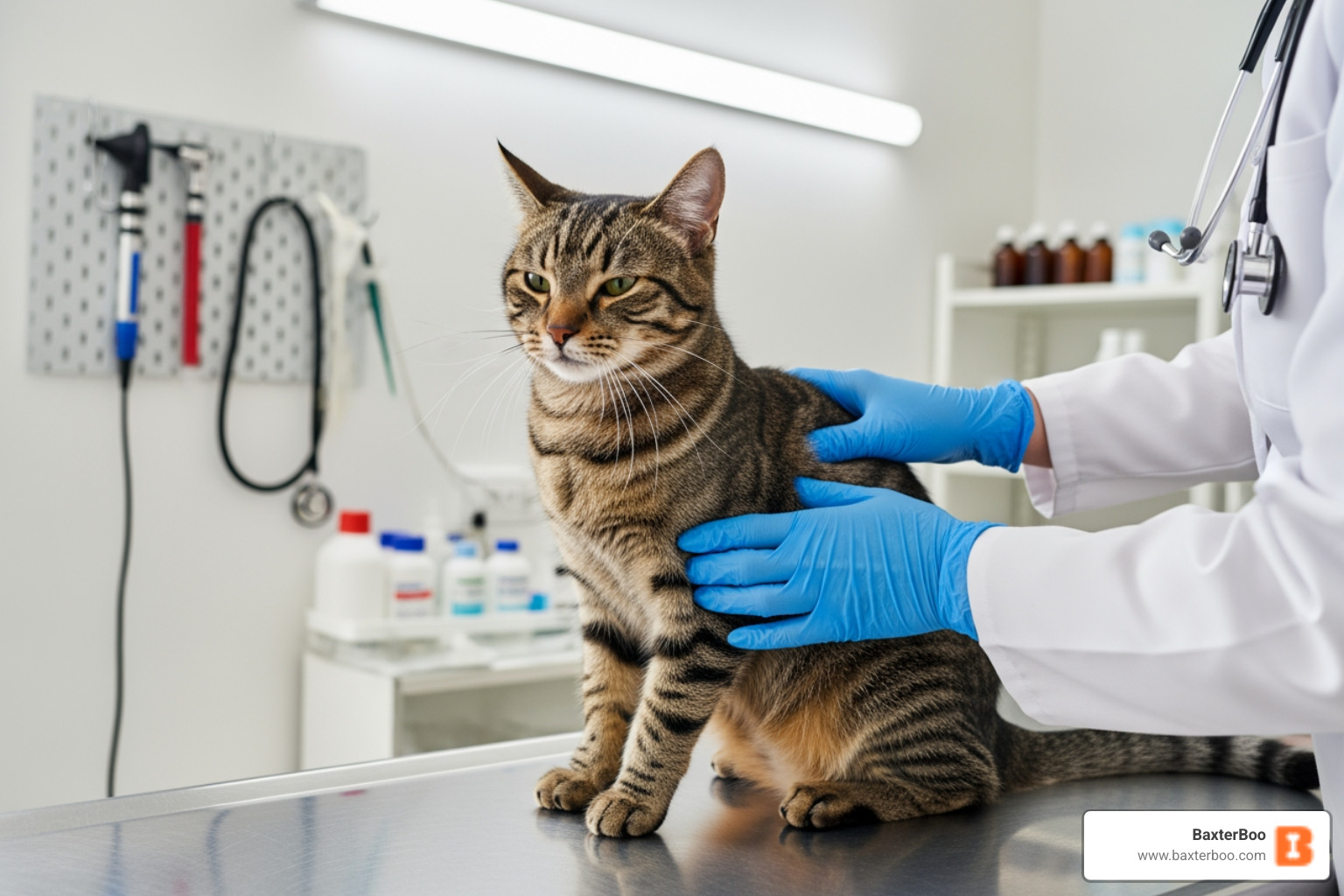
You've chosen a new food, but the transition is key. Managing your cat's sensitive stomach is a partnership between you and your veterinarian, where patience and careful observation are your most valuable tools.
How to Transition a Sensitive Stomach Cat to a New Diet
Switching food too quickly can worsen digestive issues. A sensitive stomach cat needs a slow transition over 7 to 10 days (or longer) to adapt. Start by mixing 25% new food with 75% old food. Gradually increase the new food every few days until you're at 100%.
During this time, monitor your cat's appetite, energy, and litter box habits. Be patient: it can take up to three or four months to see the full benefits of a new diet. Avoid treats and table scraps during this evaluation period to get a clear picture of how the new food is working.
The Role of Probiotics and Feeding Routines
How and when your cat eats can make a surprising difference. Probiotics add good bacteria to the gut, while prebiotics feed them. Many sensitive stomach formulas include these, but you can also add them separately after consulting your vet.
A cat's stomach is small, so they are designed to eat small, frequent meals. Eating too much at once can cause vomiting. Breaking their daily portion into smaller meals can significantly reduce digestive upset.
Consider using puzzle feeders or indoor hunting feeder kits. These tools slow down eating, provide mental stimulation, and reduce stress—all of which can ease digestive problems and turn mealtime into an engaging activity.
When to Consult a Veterinarian
While you can do plenty at home, professional help is sometimes essential. Reach out to your vet if your cat has multiple episodes of vomiting and diarrhea in a month, chronic soft stools, or vomits food or hairballs once a month or more. Any unexplained weight loss is also a red flag.
Before starting an elimination diet, talk to your veterinarian. They can guide you and ensure you're not masking a more serious condition like an infection, parasites, or an underlying disease.
If your cat is lethargic, hiding, or showing signs of pain (like a hunched posture), don't wait. These behaviors indicate they are truly uncomfortable and need help now.
Finally, annual check-ups are crucial for screening for diseases and parasites before they become serious problems.
Frequently Asked Questions
You've probably got some questions about your sensitive stomach cat. Let's tackle some of the most common concerns.
Are certain cat breeds more prone to sensitive stomachs?
Yes, genetics can play a role. Some breeds seem to have a higher predisposition to digestive issues and food allergies.
Siamese cats and their crosses are well-known for digestive sensitivities. Sphynx, Ragdoll, and Cornish/Devon Rex breeds also appear more frequently in vet offices with these issues.
However, any cat can develop sensitivities, regardless of pedigree. If you have one of these breeds, just be extra observant of their dietary needs.
Can I give my cat human food to soothe their stomach?
While tempting, most human foods can make things worse for a sensitive stomach cat. Many are hard to digest or even toxic. With your vet's approval, a few bland options may help.
Plain, unseasoned boiled chicken breast offers gentle protein. Plain canned pumpkin (not pie filling) provides soluble fiber to help regulate digestion.
Always check with your vet before offering any human food, and avoid high-fat items like beef, pork, and dairy, which are common triggers.
What are hairballs a sign of?
Contrary to popular belief, hairballs are not normal. A healthy digestive system should pass the hair a cat swallows during grooming. If your cat coughs up hairballs once a month or more, it often points to an underlying issue in your sensitive stomach cat.
This can indicate poor digestion, inflammation in the digestive tract, or a need for more dietary fiber. If hairballs are a frequent problem, consult your vet. They can rule out other conditions and may recommend dietary changes, like a high-fiber or sensitive stomach formula, to improve your cat's comfort and quality of life.
Conclusion: A Path to a Happier, Healthier Cat
Managing a sensitive stomach cat requires patience, but you now have the tools to make a real difference. Remember to spot the warning signs, understand the potential causes beyond food (like stress or illness), and work closely with your veterinarian to get a proper diagnosis.
The path forward is a partnership with your vet. Once serious conditions are ruled out, choosing the right food is your most powerful tool. Look for highly digestible, novel proteins and beneficial additives like probiotics, while avoiding common fillers and allergens. Transition to new foods slowly, and be patient—it can take months to see the full benefits.
Most cats find relief with the right diet and management. By being an observant advocate for your cat, you can help them move from discomfort to contentment. At BaxterBoo, we're passionate about supporting you on this journey with high-quality, carefully curated products for your pet's wellness.
Your cat depends on you, and with this knowledge and the support of your vet, you're well-equipped to help them thrive.
Explore our curated selection of cat foods for sensitive tummies and take the next step toward a happier, healthier companion.






