
 Save 15% on your 1st Autoship learn more

 Email us
 Live Chat
 FAQs
FAQs





Why Paw Care & Skin Protection Matters for Your Dog
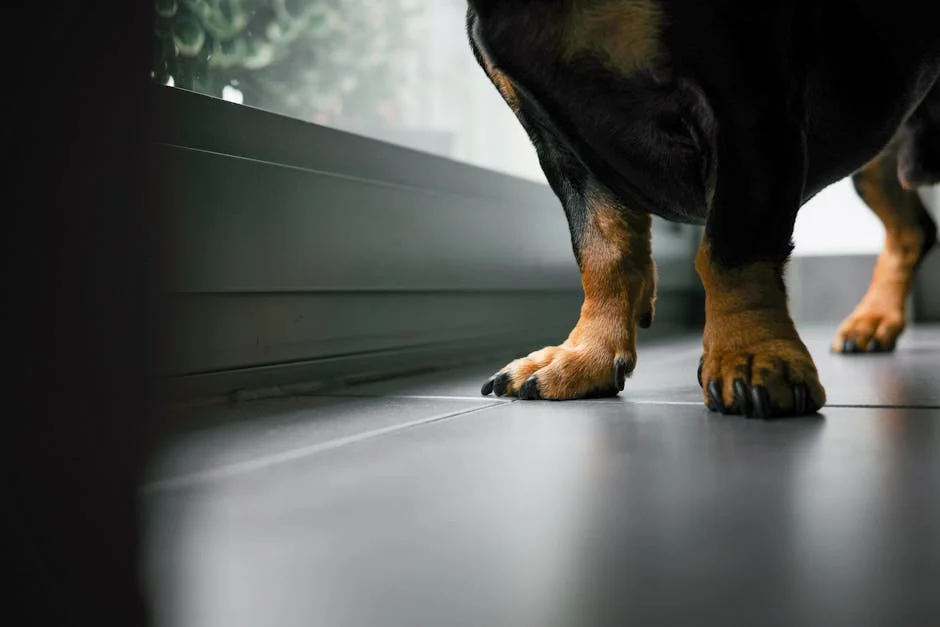
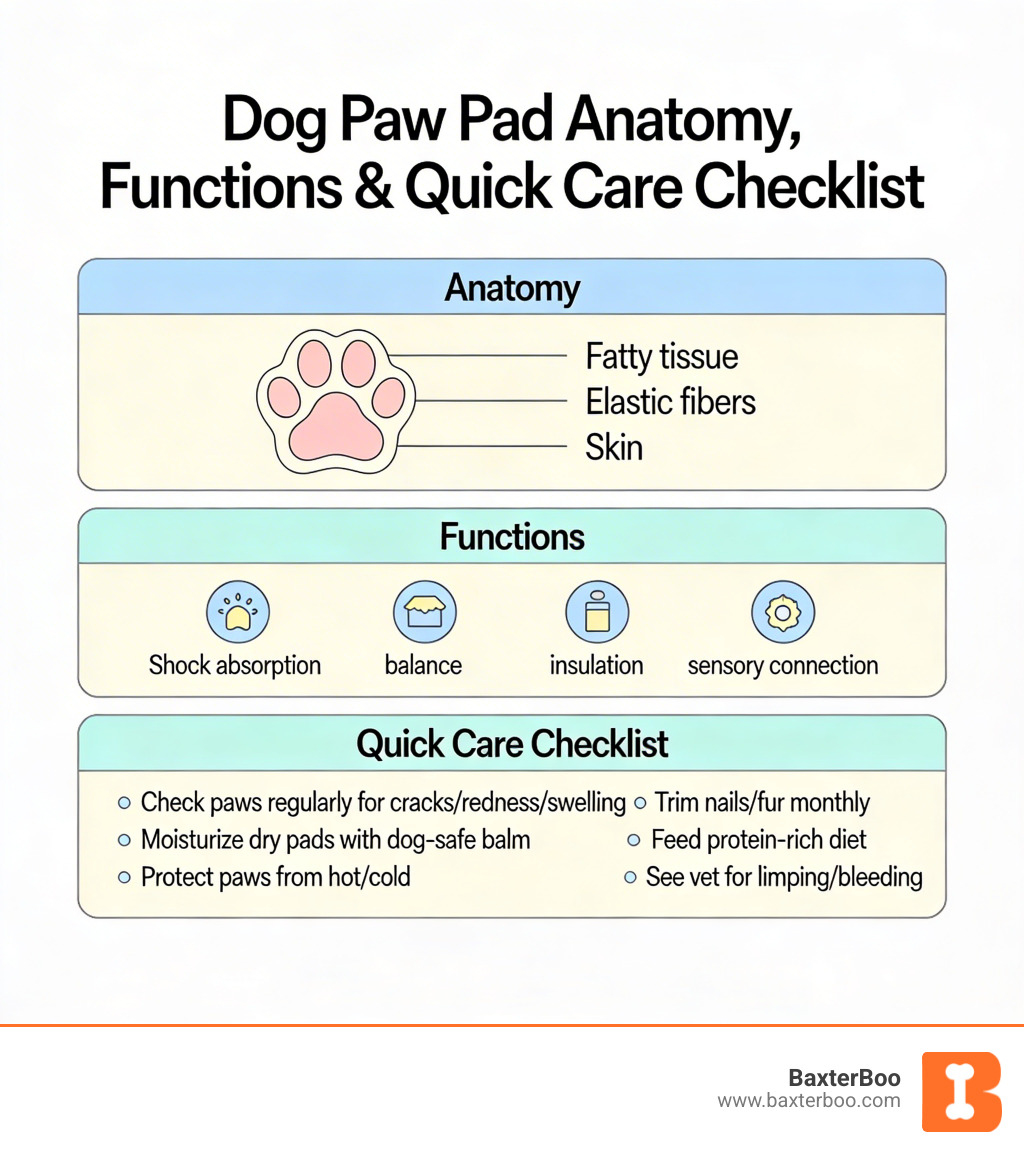
Paw Care & Skin Protection is one of the most important — and most overlooked — parts of keeping your dog healthy. Your dog's paws work hard every single day. They absorb shock, provide balance, insulate against heat and cold, and act as a sensory connection to the ground.
Here's a quick summary of what healthy paw care involves:
- Check paws regularly for cracks, redness, swelling, or foreign objects
- Moisturize dry or cracked pads with a dog-safe balm or wax
- Protect paws seasonally — from hot pavement in summer and ice/salt in winter
- Trim nails and fur between toes monthly to maintain traction and hygiene
- Feed a protein-rich diet to support skin health from the inside out
- See a vet if you notice limping, intense licking, bleeding, or signs of infection
Think of your dog's paw pads as their foundation. Without healthy paws, everything else suffers. And because paw pads are made of fatty tissue, elastic fibers, and skin, they're vulnerable to cracking, burning, freezing, and infection if left without care.
The same goes for your dog's skin overall. Skin makes up 12 to 24% of your dog's total body weight and serves as a protective barrier against infection, temperature extremes, and environmental irritants. When something is off with your dog's skin or paws, it often signals a bigger issue underneath.
The good news? Most paw and skin problems are completely preventable with a simple routine.
Recognizing Common Paw Care & Skin Protection Issues
Before we can protect our pups, we need to know what "trouble" looks like. Healthy paw pads should feel firm and smooth, though dogs who spend a lot of time outdoors will naturally develop tougher calluses. However, there is a big difference between a tough callus and a painful crack.
Signs of Irritation and Injury
If you notice your dog limping or favoring a specific leg, the paws are the first place to look. Common signs of distress include:
- Redness and Swelling: Often found between the toes, this can indicate contact allergies to grass or pollen.
- Intense Licking or Chewing: If the licking is intense and constant, it’s usually a sign of pain, allergies, or an underlying infection.
- "Frito Feet": Does your dog’s paws smell like corn chips? This is actually caused by a buildup of natural bacteria or a yeast infection. While a faint smell is normal, a strong odor paired with redness needs attention.
Hyperkeratosis and Mange
Some dogs suffer from hyperkeratosis, a condition where the body produces too much keratin, leading to "hairy" or crusty-looking paw pads. This can be genetic or related to medical issues, but keeping the area moisturized with a high-quality paw pad balm can significantly reduce discomfort.
We also have to watch out for parasites. Demodectic mange is common in younger dogs. Interestingly, research shows that 90% of localized demodectic mange cases in puppies under 18 months resolve on their own without treatment. However, if it spreads or if your dog has sarcoptic mange (which is highly contagious), a vet visit is mandatory.
For localized irritations or "hot spots" on the skin near the paws, we often recommend Silver Honey Hot Spot Wound Care Ointment for Dogs & Cats. It combines Manuka honey and MicroSilver BG to stop bacteria in its tracks while soothing the skin.
Seasonal Hazards: Protecting Paws Year-Round
Living in places like Vernon Hills, IL, means our dogs experience the full spectrum of weather—from sweltering summer sidewalks to bone-chilling, salt-covered winter streets. Each season brings unique challenges for Paw Care & Skin Protection.
| Season | Primary Hazard | Best Protection |
|---|---|---|
| Summer | Hot Pavement (up to 160°F+) | 7-Second Test, Booties, Grass Walking |
| Winter | Rock Salt & De-icers | Paw Wax, Booties, Post-Walk Rinsing |
| Fall | Allergens in Leaves/Grass | Paw Wipes, Regular Brushing |
| Spring | Mud & Dampness (Fungi) | Thorough Drying, Antifungal Balms |
Summer Paw Care & Skin Protection
Did you know that on a 77°F day, the asphalt can reach 125°F? In extreme heat, they tested the pavement, and it was 163 degrees in some sunny regions. That is hot enough to cause second-degree burns in seconds.
The 7-Second Test: Place the back of your hand on the pavement. If you can't comfortably hold it there for seven seconds, it is too hot for your dog’s paws. Stick to the grass or walk during the early morning or late evening.
For dogs with less fur—or those who are hairless—sun protection is vital. We recommend a dog-safe sunscreen with a sun protection factor (SPF) of at least 30. To keep the pads and nose from drying out in the summer sun, the Carolina Pet Body Glove Pet Soothing Nose & Paw Balm for Dogs & Cats is a fantastic travel-friendly option.
Winter Paw Care & Skin Protection
Winter is arguably the toughest season for paws. Between the freezing temperatures and the chemicals used to melt ice, your dog’s feet take a beating.
- Chemical Burns: Many common de-icing products use calcium chloride or sodium chloride, which can cause blisters and sores. If your dog licks their paws after a walk, they are also at risk of frostbite and chemical toxicity.
- Pawsicles: Long-haired dogs often get "pawsicles"—small balls of ice that freeze to the hair between their pads. These are painful and can cause the skin to crack.
To prevent this, we suggest using Warren London Paw Defense Wax. Think of it as an "invisible boot." It creates a breathable barrier that keeps salt and chemicals away from the skin. If it’s lower than 20 F outside, consider actual booties for maximum protection.
Essential Grooming and Maintenance Routines
A little bit of maintenance goes a long way. At BaxterBoo, we believe that a "paw-dicure" isn't just about looking good—it's about health.
Nail Trimming and Fur Care
If you can hear your dog’s nails clicking on the floor, they are too long. Long nails can change the way your dog walks, leading to joint pain and even skeletal issues over time. Use a sharp pair of clippers or a grinder, and always keep some styptic powder nearby just in case you nick the "quick."
Don't forget the hair between the pads! Keeping this hair trimmed prevents burrs, ice, and allergens from hitching a ride. It also helps your dog get better traction on slippery floors. For senior dogs who struggle with slipping, you might even consider Dr. Buzby's toegrips to help them find their footing.
The Cleaning Routine
After every walk, wipe your dog’s paws. This removes fleas, pollen, and dirt. For a deeper clean, especially if they have sensitive skin, use the Wondercide Shampoo Bar for Dogs & Cats - Oatmeal & Honey. It’s gentle, easy to use, and helps soothe irritation without stripping natural oils.
If your dog hates having their paws touched, try using a licking mat or a stuffed Toppl feeder smeared with peanut butter as a distraction. It turns grooming time into treat time!
Home Remedies and First Aid
Accidents happen. If your dog has a minor cut or wound, you can handle the initial first aid at home.
- Clean the area: Use an antibacterial solution or warm water.
- Soak: For irritated paws, an Epsom salts soak for 15 minutes can work wonders.
- Apply Treatment: Use MicrocynAH Wound & Skin Hydrogel for Dogs & Cats to keep the wound moist and protected from bacteria.
- Protect: If the wound is on the pad, you can use a silicone scar sheet cut to size or a clean baby sock to prevent licking.
For stubborn mats between the toes, try using olive oil to loosen the mat before gently combing it out. Never use scissors near the paw pads unless you are highly experienced, as the skin there is thin and moves easily!
The Role of Nutrition and Internal Health
We often talk about what to put on the skin, but what goes into your dog is just as important. Your dog’s skin goes toward keeping their skin and coat healthy by utilizing up to 35% of their daily protein intake.
Essential Nutrients
- Protein: High-quality proteins like lamb, chicken, or fish provide the amino acids necessary for skin repair.
- Omega-3 Fatty Acids: Often found in fish oils, these help reduce inflammation and keep the skin's barrier strong.
- Hydration: Dehydrated dogs have inelastic, dry skin that is more prone to cracking. Always ensure fresh water is available.
Regularly using bristle brushes or undercoat rakes helps stimulate hair follicles and encourage the secretion of sebum, the natural oil that keeps skin moisturized. If your dog has a dull coat or flaky skin, it might be time to look at their diet or consider a grain-free option if they have sensitivities.
Frequently Asked Questions about Paw Care
How often should I moisturize my dog's paws?
There is no "one size fits all" answer, but a good rule of thumb is to check them weekly. If they feel rough, scratchy, or show visible cracks, it's time for some Paw Soother Stick. During harsh winters or hot summers, you may need to apply a protective wax before every walk.
Can I use human lotion on my dog's skin?
No! You should avoid using human lotions or moisturizers. Many contain chemicals, fragrances, or ingredients like zinc oxide that can be toxic if licked. Additionally, human skin has a different pH than dog skin, and our lotions can actually make their paw pads too soft, making them more susceptible to rips and tears.
When should I see a vet for paw problems?
While minor dryness can be handled at home, you should see a vet if you notice:
- Deep cuts that won't stop bleeding.
- Excessive swelling or discharge (pus).
- Discoloration of the pads.
- Limping that lasts more than 24 hours.
- Signs of like anxiety or obsessive compulsive licking that leads to raw skin.
Conclusion
Healthy paws are the gateway to a happy, active life for your dog. By staying proactive with Paw Care & Skin Protection, you aren't just preventing a few cracks—you're ensuring your best friend can run, jump, and play comfortably for years to come.
From checking for "pawsicles" in the winter to testing the pavement in the summer, your vigilance makes all the difference. Remember to keep your grooming kit stocked with the right balms, waxes, and first-aid supplies so you're always prepared for the trail ahead.
Ready to upgrade your pup's paw care routine? Shop Paw Balms and Protection at BaxterBoo today and give your dog the foundation they deserve!






