
 Save 15% on your 1st Autoship learn more

 Email us
 Live Chat
 FAQs





Introduction
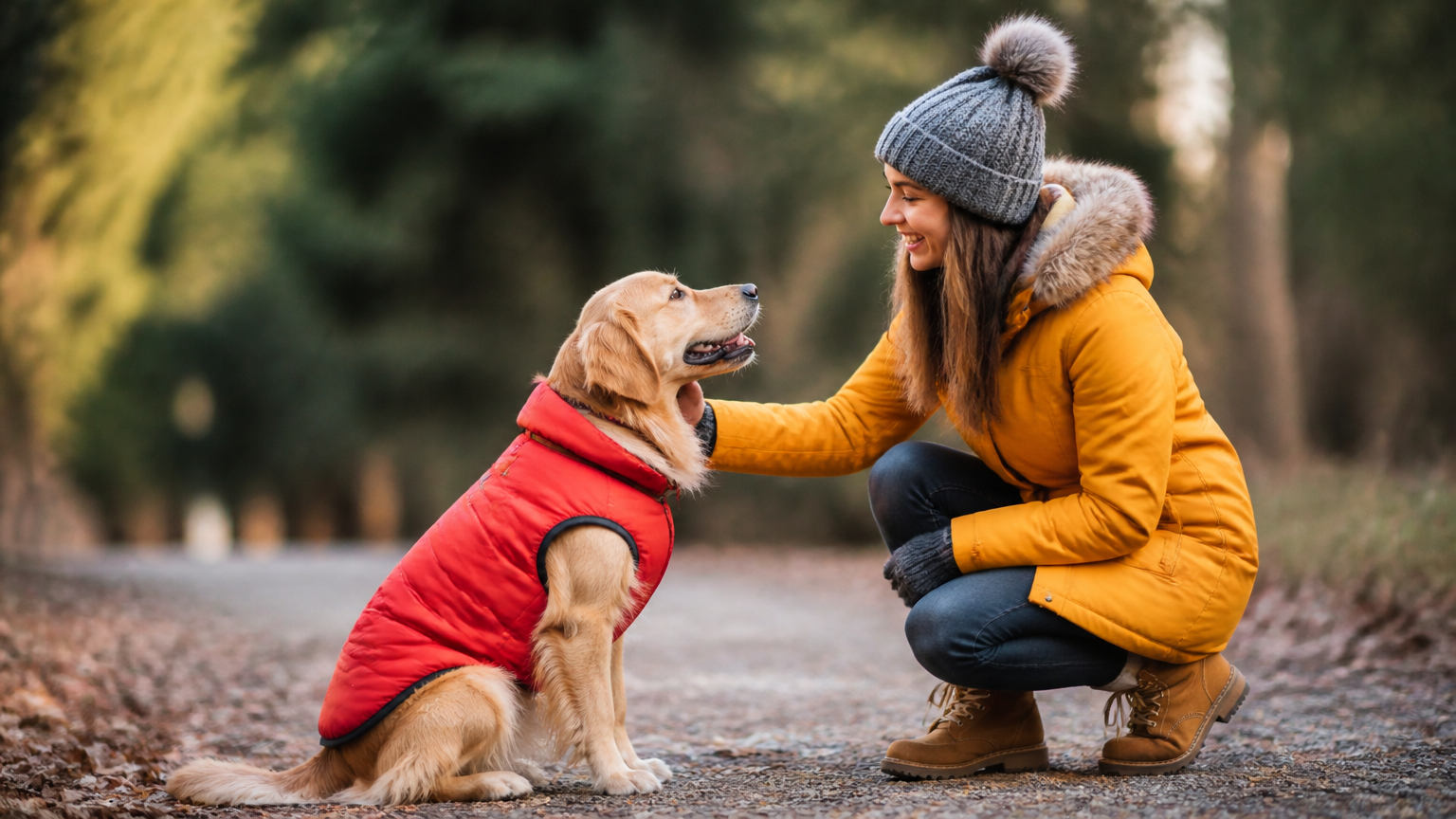
Your dog may hurry outside for a walk, then start lifting their paws or pulling back toward the door. A warm layer can make cold-weather outings more comfortable, but choosing between heated dog clothes and a regular coat isn’t always straightforward.
At BaxterBoo, we recommend starting with your dog’s size, coat, activity level and the weather you walk in. Battery-heated garments add warmth, while insulated coats and sweaters hold in body heat without electronics. The best choice also needs to fit comfortably and work with your dog’s leash or harness. For many dogs, a well-fitting, non-heated layer is a practical first option.
How Heated Dog Clothes Work
Heated dog clothes use a power source and heating elements built into the garment to provide added warmth. Designs vary, so check the product instructions for the power source, controls, cleaning method and any limits on use.
A heated coat or vest typically covers the back and part of the chest or belly. A heated sweater may offer a softer, closer-fitting shape, but the name alone doesn’t tell you how much of your dog it covers or where it warms. Look at the garment’s construction rather than assuming two items with similar names work alike.
Some clothing is described as warming or self-warming but has no powered heating element. These garments use fabric or insulation to help retain body heat. They can be useful layers, but they are different from battery-heated clothes.
Dog Clothes







Heated Coats, Sweaters and Non-Heated Layers
The right style depends on where your dog needs coverage and how they move. This comparison can help you narrow the choices before checking individual products.
| Clothing type | Useful qualities | What to check |
|---|---|---|
| Heated coat or vest | Added warmth with coverage over the body | Heating controls, battery placement, weather instructions and freedom of movement |
| Heated sweater | Added warmth in a garment that may fit closer to the body | Coverage, fit around the legs, power source and cleaning instructions |
| Insulated coat | Warmth without a battery, often with a protective outer layer | Fit, coverage and whether the outer fabric suits the weather |
| Non-heated sweater or fleece | A soft layer for cool indoor spaces or dry outings | Stretch, ease of removal and how the fabric handles moisture |
A coat can be a practical choice for a windy or damp walk if its outer layer is suited to those conditions. A sweater may be easier to wear indoors or under another layer, provided it doesn’t bunch up or restrict movement.
Check the care and weather instructions even if an item looks water-resistant. A garment’s outer fabric and its electrical components may have different restrictions.
Is a Heated Garment Necessary?
Not every dog needs powered heat. A healthy, active dog with a thick coat may be comfortable without clothing during a brief outing. A small, short-haired or lean dog may appreciate an insulated layer sooner. (akc.org)
Age, health, wind, wet weather and how long your dog spends outside also matter. If your dog seems comfortable in a regular coat, a heated garment may add complexity without being necessary. If your dog still struggles in the cold, ask your veterinarian about their needs rather than relying on a hotter setting.
Vet Tip: Ask your veterinarian for guidance if your dog has a health condition, reduced sensation or difficulty regulating body temperature. These dogs may need an individual cold-weather plan.
Measure Your Dog Before Choosing a Size
A coat that shifts, rubs or restricts walking won’t be a good choice, even if it provides warmth. Use a soft measuring tape and compare your dog’s measurements with the size chart for the specific garment.
Step 1: Measure the chest. Wrap the tape around the widest part of your dog’s chest, usually just behind the front legs. Keep it close to the body without pulling it tight.
Step 2: Measure the neck. Measure around the base of the neck where the garment will sit. Your dog should be able to move their head comfortably.
Step 3: Measure the back. Measure from the base of the neck to the base of the tail. Check the product’s measuring directions in case it uses different starting or ending points.
Step 4: Compare the measurements. Use the maker’s size chart rather than your dog’s usual sweater size. If your dog falls between sizes, check the maker’s fit guidance before choosing.
Step 5: Check the fit in motion. With the garment unheated, watch your dog walk, sit and turn. Make sure the leg openings, closures and any battery pocket do not rub or interfere.
Your dog’s build matters as much as a size label. A deep-chested dog may need a different cut from a dog with the same back length and a narrower chest.
Before keeping a garment, check that:
- It stays in place without pulling across the shoulders.
- Your dog can walk and sit normally.
- The neck and belly closures aren’t tight or rubbing.
- The battery and controls are secure and accessible to you.
- The garment leaves room for bathroom breaks.
What to Look for in a Heated Coat or Sweater
Start with clear instructions. You should be able to tell how the garment turns on and off, which power source it uses, how to care for it and when not to use it. If those details are unclear, choose an option with information you can verify.
Controls and Power
Look for controls you can find and operate easily while your dog is wearing the garment. Check whether the power source is included, how it is secured and what the manufacturer specifies for charging or replacement.
A battery pocket should sit where it won’t press awkwardly against your dog or interfere with the harness. Follow the manufacturer’s instructions for batteries and chargers. Don’t substitute parts or modify a human heated garment for your dog.
Some garments may list temperature settings or safety features. These features do not replace supervision or guarantee that every setting will be comfortable for every dog.
Coverage and Weather Protection
Look at where the coat covers your dog, not just its overall length. A garment may protect the back but leave the chest or belly exposed. Coverage around the neck, chest and underside can be helpful, as long as it doesn’t obstruct movement or bathroom breaks.
For wet or snowy walks, check exactly what the maker says about moisture. Don’t assume a heated garment can be used in rain, washed with its battery attached or dried with heat. Follow the instructions for that particular item.
Harness Access and Closures
Check how you’ll attach the leash before heading outdoors. Some garments have an opening for a harness or collar, while others need to fit over or under your walking gear.
Try the full setup at home. The harness should still fit properly, and the leash attachment should be easy to reach without pulling on the garment. Avoid a combination that bunches fabric against the chest or makes straps difficult to adjust.
For a useful comparison, check:
- Whether the garment is powered or simply insulated.
- Where the heating areas and battery sit.
- How the garment fastens and works with your harness.
- The instructions for moisture, charging and cleaning.
- The size chart, care requirements and replacement parts.
Use Heated Dog Clothes With Supervision
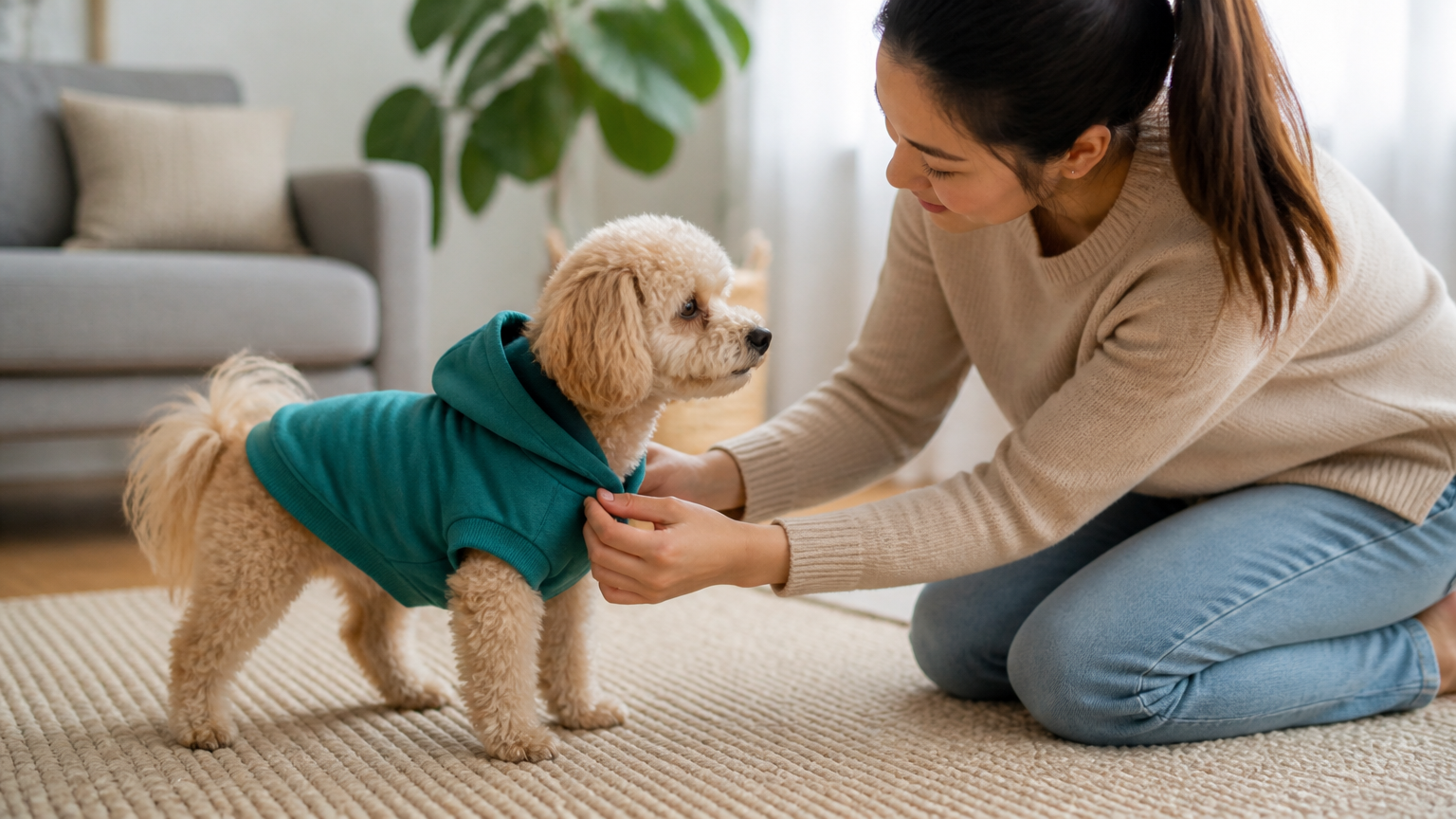
Let your dog get used to the garment before turning on the heat. Put it on for a short period indoors while you’re watching, then check that your dog can move freely. If they freeze, paw at the clothing or try to remove it, take it off and introduce it more gradually.
When you first use the heat, follow the manufacturer’s directions and use a low setting if one is available. Stay with your dog, check their comfort often and remove the garment if they seem distressed or too warm. Panting, restlessness or trying to escape the clothing are reasons to stop and check on them.
Don’t leave your dog unattended, sleeping or confined while wearing a powered garment. A dog who cannot easily move away from a heat source may not be able to tell you they’re uncomfortable.
Inspect the garment before use. Stop using it if the fabric, wiring, controls or battery compartment is damaged, or if your dog chews at any part of it. Keep charging equipment out of your dog’s reach and follow the maker’s charging instructions.
Know When to End the Outing
Clothing is not a reason to keep walking when your dog is uncomfortable. Shivering, lifting paws repeatedly or trying to turn home can be signs that it’s time to go inside. Dry your dog if they’re wet and give them a warm, comfortable place to settle.
If your dog appears overheated, remove the garment and move them to a cooler place. Contact a veterinarian promptly if they show serious signs such as weakness, collapse or difficulty breathing. If symptoms are severe or worsening, seek emergency veterinary care. (vet.cornell.edu)
Care and Value
A useful garment is one you can keep clean and use comfortably. Before buying, check whether the battery must be removed for cleaning and whether the garment can be washed or needs spot cleaning. Let it dry according to the manufacturer’s directions before using it again.
Think about the full ownership experience, too. A battery-powered coat may require charging, extra care and eventual replacement parts. A washable insulated coat or sweater may be simpler for short daily walks, especially if your dog is already comfortable in it.
Conclusion
Start with your dog’s comfort and the weather they actually face. Heated clothing can be an option for supervised outings, but a well-fitting insulated coat or sweater may meet your dog’s needs without a power source.
- Measure the chest, neck and back before selecting a size.
- Check the garment’s heat controls, care instructions and fit with walking gear.
- Watch your dog closely and end the outing if they seem uncomfortable.
Vet Tip: If cold weather consistently limits your dog’s activity, ask your veterinarian what kind of protection and outing length are appropriate.
For a practical next step, explore seasonal dog apparel at BaxterBoo and compare the coverage and fit your dog needs.
FAQ
Are heated dog coats safe?
A dog-specific heated coat needs proper fit, clear operating instructions and close supervision. Check your dog’s comfort often, and stop using the coat if it is damaged or your dog seems distressed.
What is the difference between a heated dog sweater and a regular sweater?
A powered heated sweater has a heat source, while a regular sweater provides warmth through its fabric. Check the product details because a sweater described as warming or self-warming may not use electricity.
Can my dog wear a heated coat in rain or snow?
That depends on the garment’s instructions. Check the maker’s directions for both the outer fabric and the electrical components, and don’t assume a water-resistant coat is suitable for every wet condition.
Does my dog need a heated coat for winter walks?
Not necessarily. Your dog’s coat, size, age, health, activity and the weather all affect how much protection they need. A regular insulated coat may be enough, but your veterinarian can help if your dog has trouble staying comfortable.



- Site & Contents BaxterBoo.com. BaxterBoo is located in the United States.
- Privacy & Security
- Terms of Use
- Accessibility Statement
