
 Save 15% on your 1st Autoship learn more

 Email us
 Live Chat
 FAQs
FAQs





When Your Feline Friend Refuses to Eat
Appetite stimulant for cats can be a crucial tool when your feline companion stops eating. If your cat hasn't eaten for 24 hours or more, it's time to consult your veterinarian immediately. Here are the most common solutions:
Quick Solutions for Cat Appetite Loss:
- Prescription Medications: Mirtazapine (transdermal or oral), Capromorelin (for kidney disease), Cyproheptadine
- Medical Interventions: Anti-nausea medications like Cerenia, short-term benzodiazepines for stress
- Food Improvements: Warming food, adding tuna juice or bone broth, using high-calorie gels
- Environmental Changes: Quiet feeding areas, food puzzles, reducing household stress
Cats usually love mealtimes. When your kitty starts picking at their food or stops eating entirely, there's typically a medical problem that needs attention. Unlike dogs, cats are intolerant of prolonged inadequate nutrition—not eating for just 24-36 hours can cause serious health problems, including a potentially fatal condition called hepatic lipidosis (fatty liver disease).
Appetite loss in cats is never normal. It's a symptom that something is wrong, whether that's illness, pain, stress, dental disease, or an underlying condition like kidney disease or cancer. The sooner you address it with your veterinarian, the better the outcome for your cat.
Your vet will work to diagnose the underlying cause while also providing symptomatic support to get your cat eating again. This might include prescription appetite stimulants, anti-nausea medications, pain relief, or nutritional support. In some cases, simple changes like warming food or adding appetizing toppers can make a difference—but these should complement veterinary care, not replace it.
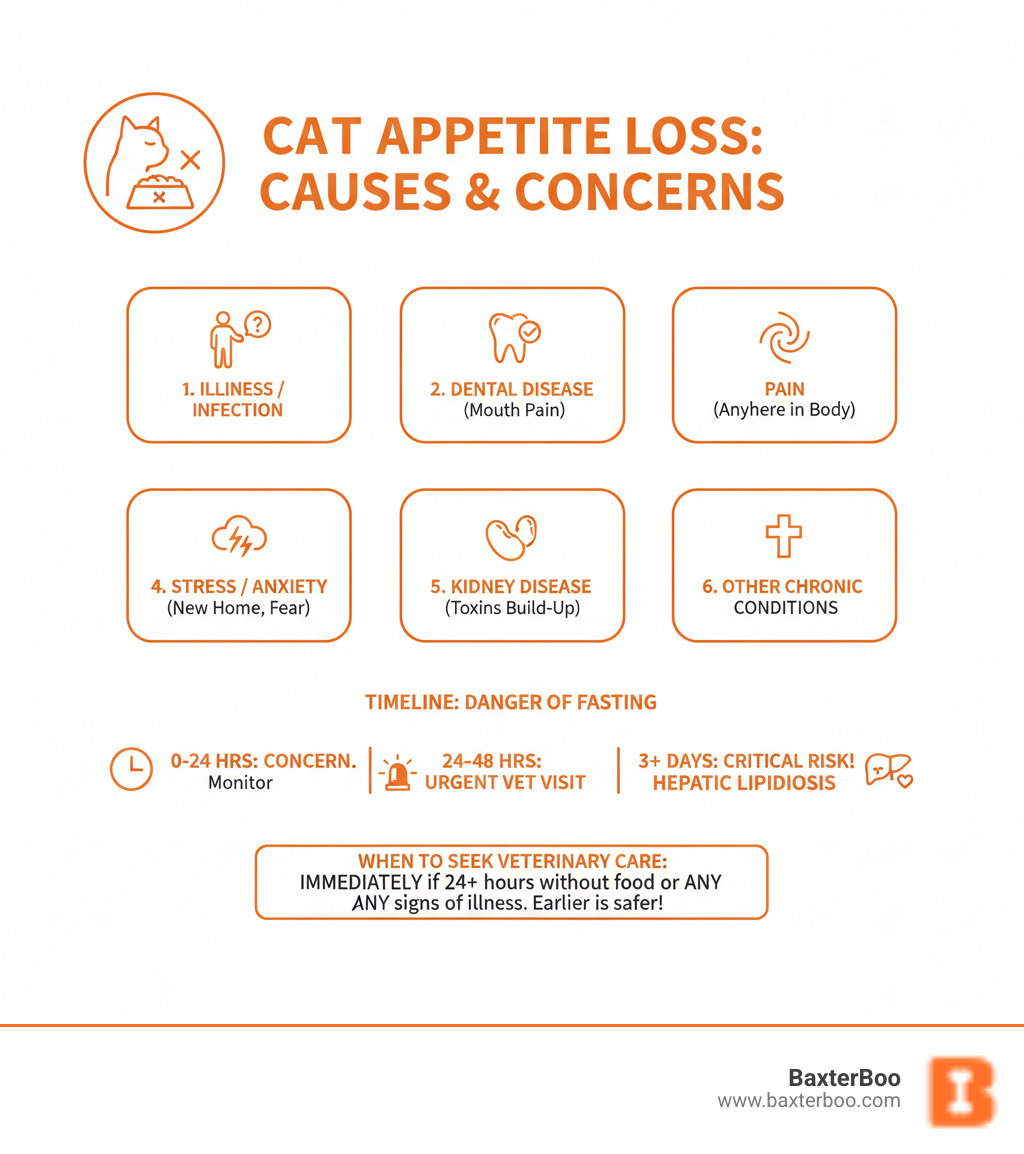
Why Has My Cat Stopped Eating? Understanding Feline Appetite Loss
When your cat suddenly turns up their nose at dinner, it's natural to worry. Cats are creatures of habit, especially when food is involved. When a cat skips meals, something is usually wrong.
Loss of appetite has medical names: anorexia (complete refusal to eat) or hyporexia (eating less than normal). It's rarely just picky eating when a cat stops eating entirely; their body is signaling that something isn't right.
Common Causes of Inappetence in Cats
Medical issues are the main culprit. Cats are masters at hiding illness, so a change in eating habits may be the first clue they're unwell. A wide range of conditions can suppress appetite, including infections, inflammatory diseases (like IBD), kidney or liver disease, pancreatitis, diabetes, cancer, and heart disease. These illnesses cause pain, nausea, or metabolic imbalances that make food unappealing.
Dental disease is another frequent cause. Painful teeth or inflamed gums make chewing unbearable, even if the cat is hungry.
Pain from any source—arthritis, injuries, or recent surgery—can significantly reduce a cat's desire to eat. Proper pain management is often key to restoring appetite.
Gastrointestinal problems like nausea, vomiting, constipation, or diarrhea naturally make eating less appealing. Certain medications, including antibiotics or chemotherapy drugs, can also upset a cat's stomach.
Stress and anxiety affect cats more than many people realize. Environmental changes (a new home, a new pet, houseguests), separation anxiety, or hospitalization can cause a cat to stop eating.
Sometimes, environmental factors around the food bowl are the problem. A dirty bowl, an uncomfortable location, a change in food, or "whisker fatigue" (when whiskers touch the sides of a deep bowl) can deter eating. While picky eating exists, a complete refusal to eat almost always signals a more serious issue.
The Serious Risk: Hepatic Lipidosis (Fatty Liver Disease)
Here's why an appetite stimulant for cats is so critical: cats cannot safely go without food. If a cat doesn't eat for even 24-36 hours, they risk developing hepatic lipidosis, or fatty liver disease.
This condition occurs because of a cat's unique metabolism. As obligate carnivores, when they stop eating, their bodies break down fat for energy. However, a cat's liver isn't designed to process large amounts of fat quickly. This leads to excessive fat accumulation in the liver cells, impairing liver function and potentially causing fatal liver failure without prompt, aggressive nutritional support.
When to See a Vet
Given the risk of hepatic lipidosis, appetite loss in cats is a medical emergency. If your cat stops eating for more than 24 hours, contact your veterinarian immediately. Even if they are eating significantly less than usual, a vet visit is necessary.
Your veterinarian will perform an exam and may recommend diagnostic tests to identify the cause. While investigating, they'll also start supportive care to get your cat eating again, which may include prescribing an appetite stimulant for cats. Acting quickly is key to a full recovery.
Veterinarian-Prescribed Appetite Stimulant for Cats
When a cat refuses to eat, a vet's priority is to find and treat the cause. However, diagnosis and treatment take time. Meanwhile, a cat that isn't eating is at risk for serious complications like hepatic lipidosis.
Prescription appetite stimulant for cats medications act as a bridge, keeping your cat nourished while their body heals. They are prescribed by a vet based on your cat's specific condition, other medications, and overall health.
Here's a comparison of the most commonly prescribed appetite stimulants:
| Appetite Stimulant | Administration | Onset Time | Primary Use | Mechanism of Action | FDA-Approved for Cats? |
|---|---|---|---|---|---|
| Mirtazapine | Oral (tablet), Transdermal (ointment) | Oral: Few hours; Transdermal: 1-2 days (full effect 14 days) | General inappetence, nausea, weight loss (especially with CKD) | Blocks nausea/appetite-suppressing signals, stimulates appetite | Transdermal (Mirataz) is FDA-approved |
| Capromorelin | Oral (liquid) | Within hours | Unintended weight loss, especially with Chronic Kidney Disease (CKD) | Mimics hunger hormone ghrelin | Yes (Elura) |
| Cyproheptadine | Oral (liquid, tablet) | ~2.5 days | General inappetence, sometimes used if allergies are a factor | Antihistamine, serotonin antagonist | No (extra-label use) |
| Maropitant (Cerenia) | Oral (tablet), Injectable | Within hours | Nausea and vomiting (indirectly helps appetite) | Blocks vomiting center in brain | Injectable is FDA-approved for vomiting; oral is extra-label for nausea |
| Oxazepam | Oral (tablet) | Rapid | Short-term, stress-related inappetence (hospitalized cats) | Benzodiazepine (calming, appetite-stimulating effect) | No (extra-label use) |
Mirtazapine: A Common Appetite Stimulant for Cats
Mirtazapine is a frequently prescribed appetite stimulant for cats. Originally a human antidepressant, it has a remarkable effect on feline appetite.
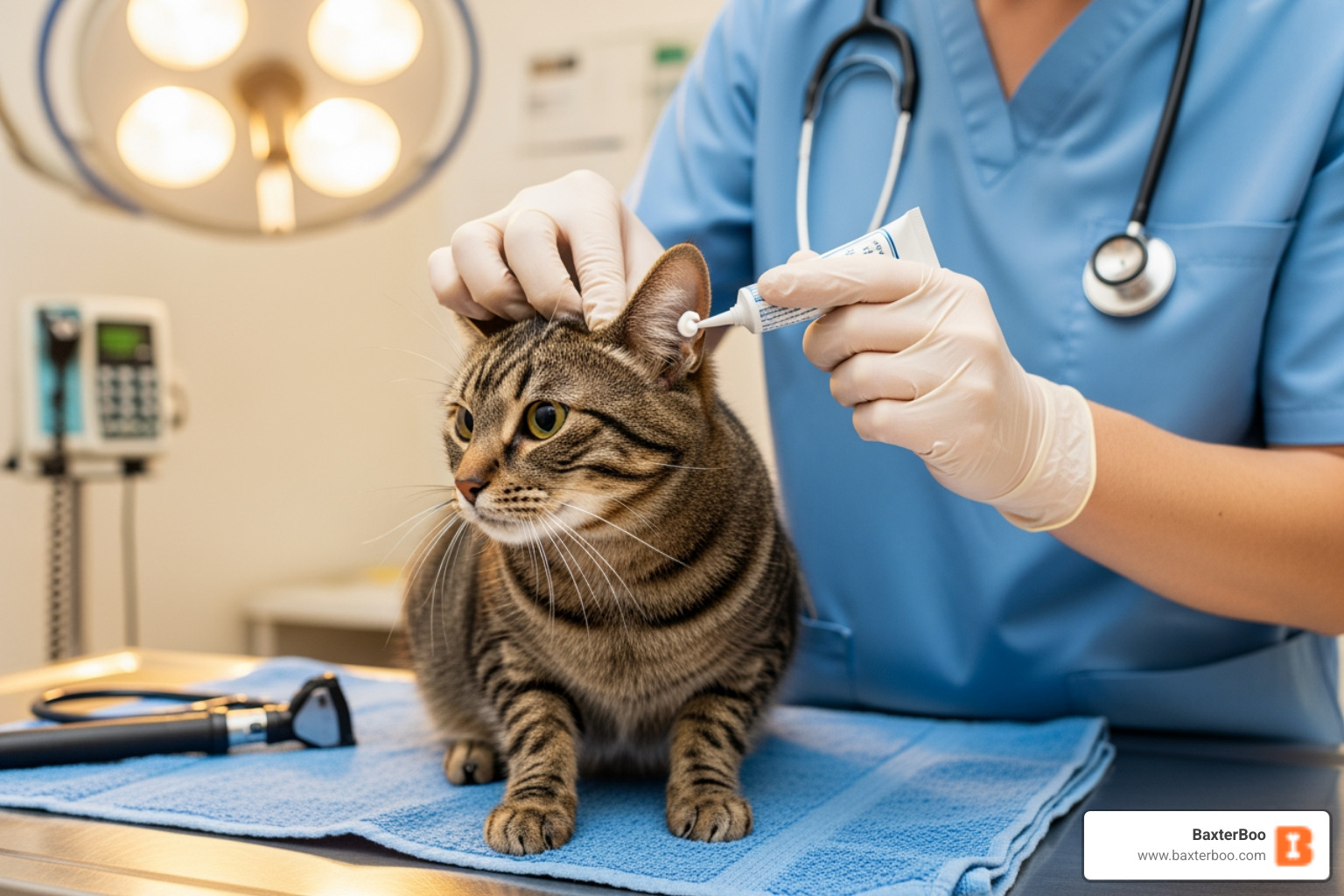
How it works: Mirtazapine targets brain receptors that control nausea and appetite. It blocks signals that suppress hunger and trigger nausea, effectively encouraging the cat to eat.
Administration: Mirtazapine is available as an oral tablet that works within hours or a transdermal ointment (Mirataz), which is FDA-approved. The ointment is applied once daily to the inside of the cat's ear, making it a great option for cats that are difficult to pill. When applying, wear gloves, clean the inner ear, apply the dose, and rub gently. Alternate ears daily to prevent irritation. The transdermal form starts working in one to two days.
Side effects: Most cats tolerate it well, but side effects can include increased vocalization, restlessness, hyperactivity, or drowsiness. Less common effects are vomiting, drooling, or an unsteady walk. Side effects are often dose-related, so vets may prescribe a lower frequency for cats with kidney or liver disease.
Capromorelin: An Appetite Stimulant for Cats with CKD
For cats with chronic kidney disease (CKD) and weight loss, a vet may prescribe capromorelin (Elura). It is FDA-approved for managing unintended weight loss in cats with CKD.
How it works: Capromorelin mimics ghrelin, the body's natural hunger hormone. When it activates ghrelin receptors, the cat's brain receives a strong "time to eat" signal.
Administration: Elura is a liquid oral solution, which allows for precise dosing based on weight and is often easier to administer than pills.
Side effects: The most common side effect is vomiting. Others may include low energy, paradoxical appetite loss, excessive salivation, or behavioral changes. Vets will use it with caution in cats with cardiovascular disease or diabetes.
Cyproheptadine
Before mirtazapine, cyproheptadine was a common appetite stimulant for cats. It is still used, especially if allergies are a suspected factor in appetite loss.
How it works: Cyproheptadine is an antihistamine and a serotonin antagonist. It stimulates hunger by blocking serotonin receptors that suppress appetite.
Administration: It comes in liquid and tablet forms, sometimes in flavored compounded versions. It is slower to act than other stimulants, taking about two and a half days to show results, making it better for ongoing management than emergencies. Cyproheptadine is not FDA-approved for veterinary use and is prescribed "extra-label."
Side effects: The most common side effect is drowsiness, though some cats may become hyperexcitable. Dry mouth or drooling can also occur. It should be used with caution in elderly, pregnant, or nursing cats, or those with liver or kidney disease.
Other Medical Interventions
Sometimes, the best way to stimulate appetite is to treat the underlying cause of inappetence.
Maropitant (Cerenia) is a powerful anti-nausea and anti-vomiting medication. A nauseous cat will not eat. By relieving nausea, maropitant removes the barrier to eating, often restoring appetite indirectly.
Oxazepam is a benzodiazepine used for its calming effects, which can also stimulate appetite. It is most useful for short-term, stress-related inappetence, such as in a hospitalized cat. It is not recommended for long-term home use due to a risk of liver damage with repeated oral doses.
At BaxterBoo, we carry a comprehensive range of vet-approved medications to support your cat's health, including prescription options when provided by your veterinarian. Our Vernon Hills, IL location and online store make it convenient to access the treatments your cat needs.
Natural & Over-the-Counter Ways to Encourage Eating
Alongside prescription medications, many natural and over-the-counter strategies can help coax a reluctant cat back to their bowl. These methods should complement, not replace, veterinary care. Always consult your vet before adding new supplements or making significant dietary changes.

Enhancing Food Appeal
Cats rely heavily on their sense of smell, and they have strong preferences for texture and temperature. Simple tweaks can make a meal more appealing.
- Warm the food: Warming wet food to body temperature (about 10-15 seconds in the microwave) releases its aroma. Stir well and test the temperature before serving.
- Use strong-smelling foods: Fish or chicken-based foods are often enticing. Canned food has a stronger scent and more moisture than dry kibble.
- Add toppers: A small amount of tuna or sardine juice (from cans packed in water) can be a powerful lure. Unseasoned, cat-safe bone broth is also a favorite.
- Try enticing sprinkles and treats: Probiotic sprinkles like Purina Pro Plan FortiFlora can support digestive health and are palatable to many cats. Other popular options to sprinkle or mix into food include freeze-dried raw dusts, lickable tube treats, and other healthy food toppers. Experiment to find your cat's preference.
Environmental & Behavioral Tricks
Sometimes the issue isn't the food, but the feeding environment.
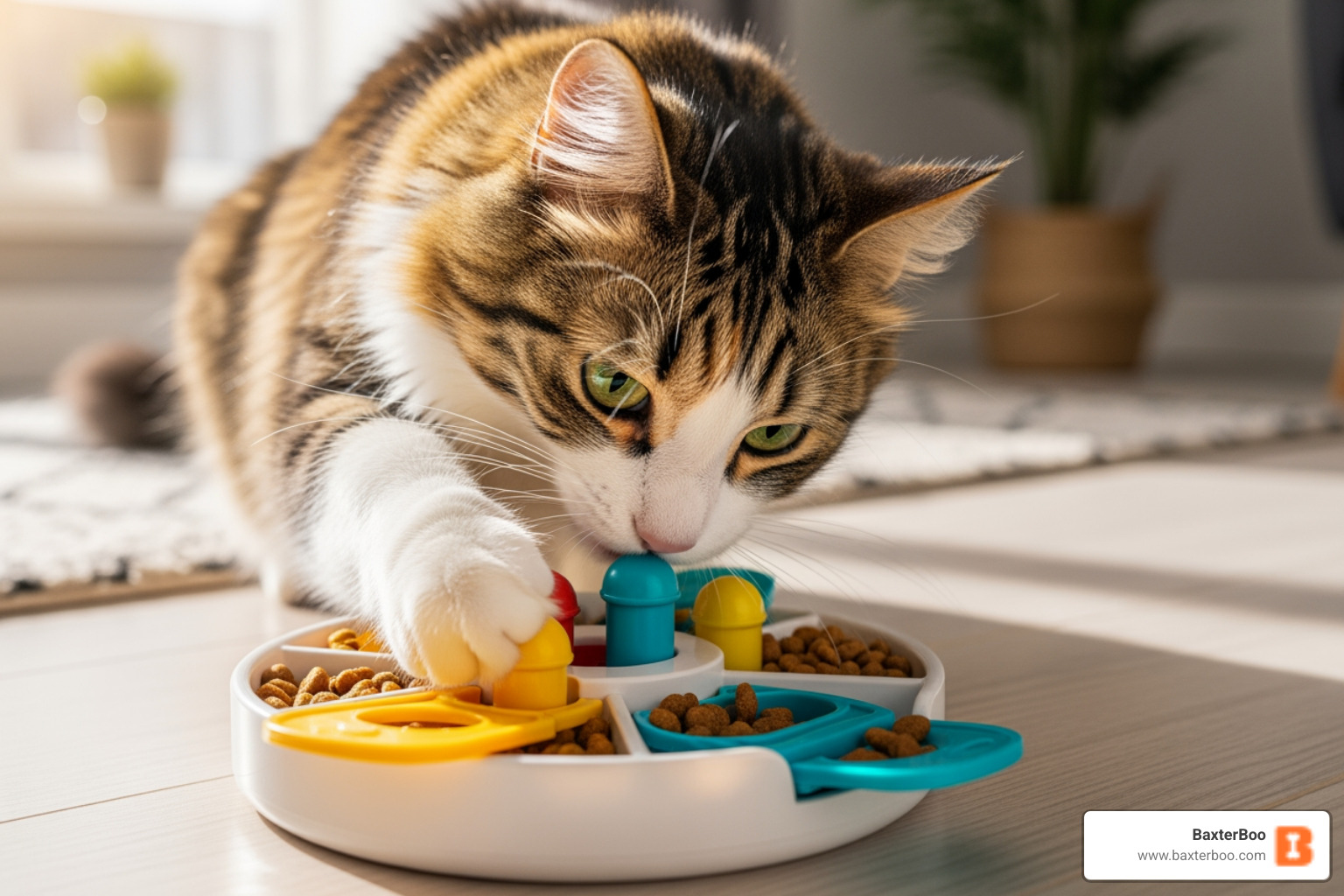
- Create a quiet feeding area: Cats need a calm, private space away from household traffic and noise.
- Reduce stress: A stressed cat won't eat. Provide hiding spots, use calming pheromone diffusers, and maintain a consistent routine.
- Separate cats at mealtime: In multi-cat homes, ensure each cat has their own bowl in a separate, safe location to prevent competition.
- Use food puzzles: These can turn mealtime into an engaging hunting game, sparking a cat's natural instincts and interest in food.
- Try catnip: A pinch of dried catnip on food can sometimes trigger enough excitement to encourage eating. This only works for about half of all cats.
- Hand feed: Offering small amounts of food from your fingers can provide comfort and reassurance to an unwell or nervous cat.
Supplements
Certain supplements can provide nutritional support, but they should always be used under veterinary guidance.
- High-calorie nutritional gels: Products like Tomlyn Nutri-Stat deliver concentrated calories and vitamins, providing a quick energy boost for cats eating very little.
- Vitamin B12: Often recommended for cats with chronic illnesses, B12 injections or oral supplements can help improve energy and appetite.
- Omega-3 fatty acids: Fish oils have anti-inflammatory benefits that can improve overall well-being, making a cat more inclined to eat.
- CBD oil: This is a controversial topic. Some owners report it helps with appetite, but the industry is unregulated. You must consult your veterinarian first and only use lab-tested products with proven safety and purity. Never assume "natural" means safe.
For a curated selection of nutritional supplements and wellness products to support your cat's appetite and overall health, explore the comprehensive range at BaxterBoo.
Frequently Asked Questions about Feline Appetite Stimulants
When you're caring for a cat who won't eat, questions about medications are common. Here are answers to the most frequent concerns.
What is the difference between FDA-approved and compounded appetite stimulants?
Understanding this distinction is important for your cat's care.
An FDA-approved appetite stimulant for cats, like Mirataz or Elura, has undergone rigorous testing by the U.S. Food and Drug Administration. This process verifies the drug's safety, effectiveness, and consistent manufacturing for its specific use in cats. FDA approval means the benefits outweigh the risks for the intended condition.
Compounded formulations are custom-prepared medications mixed by a pharmacist based on a vet's prescription. A vet might prescribe a compounded version if a cat needs a specific dosage, a liquid instead of a pill, or has an allergy to an ingredient in the commercial product. The critical difference is that compounded drugs have not undergone FDA testing for safety and efficacy. They serve an important role but discuss the potential risks and benefits with your veterinarian.
What should I do if my cat misses a dose of an appetite stimulant?
If you miss a dose of your cat's appetite stimulant for cats, the safest first step is to contact your veterinarian for guidance.
As general advice: Never double up on doses. Giving two doses at once can cause an overdose. If it's almost time for the next scheduled dose, skip the missed one and continue the regular schedule. If there's still a lot of time before the next dose, your vet may advise giving the missed dose and adjusting the timing of the next one. Always follow the specific instructions on the medication's label.
How should I store my cat's appetite stimulant?
Proper storage keeps medication effective and safe. Always follow the storage instructions on the drug label.
Most appetite stimulants for cats should be stored at room temperature (below 77°F or 25°C), away from direct sunlight and moisture. Avoid storing them in humid bathrooms or on windowsills.
Always store all medications securely out of reach of children and pets. Accidental ingestion can be dangerous. Discard any expired medication. Some products, like Mirataz, have specific disposal dates after opening (e.g., 30 days), so pay close attention to these guidelines.
Following these recommendations helps ensure your cat's medication works as intended. For a curated selection of vet-approved medications and wellness products, explore the comprehensive range at BaxterBoo's pet pharmacy.
The Takeaway: Partnering with Your Vet for Your Cat's Health
Watching your cat refuse food is one of the most stressful experiences for any pet parent. As we've explored throughout this guide, a loss of appetite is never "just pickiness"—it's your cat's way of telling you something is wrong. Whether the cause is dental disease, kidney problems, stress, or another underlying condition, the message is clear: your cat needs help, and they need it quickly.
Cats can develop life-threatening hepatic lipidosis in as little as 24-36 hours without adequate nutrition. This isn't a situation where you can "wait and see" or try home remedies alone. Your veterinarian is your essential partner in identifying what's causing your cat's appetite loss and creating an effective treatment plan.
Appetite stimulant for cats like mirtazapine, capromorelin, and cyproheptadine are powerful tools, but they work best when they're part of a comprehensive approach. Your vet will diagnose the root cause, prescribe appropriate medications, address pain or nausea, and monitor your cat's response to treatment. Meanwhile, you can support their recovery with the strategies we've discussed—warming food, creating a calm feeding environment, trying appetizing toppers, and providing plenty of love and patience.
We know how much your cat means to you. Every purr, every head bump, every moment curled up together—these are the reasons we do everything we can to keep them healthy and happy. At BaxterBoo, we're committed to supporting that mission. Our team carefully curates every product we offer, from prescription medications to nutritional supplements, ensuring they meet our high standards for quality and safety.
If you notice your cat eating less or showing any signs of illness, don't wait. Call your veterinarian in Vernon Hills, IL, or wherever you're located. Early intervention makes all the difference in your cat's recovery and long-term health. Proactive care today means more healthy, happy years together.
For a curated selection of vet-approved medications and wellness products to support your cat's health, explore the comprehensive range at BaxterBoo. More info about our vet-approved pet medications. We're here to help you provide the best care for your furry family members, every step of the way.






