
 Save 15% on your 1st Autoship learn more

 Email us
 Live Chat
 FAQs
FAQs





Introduction
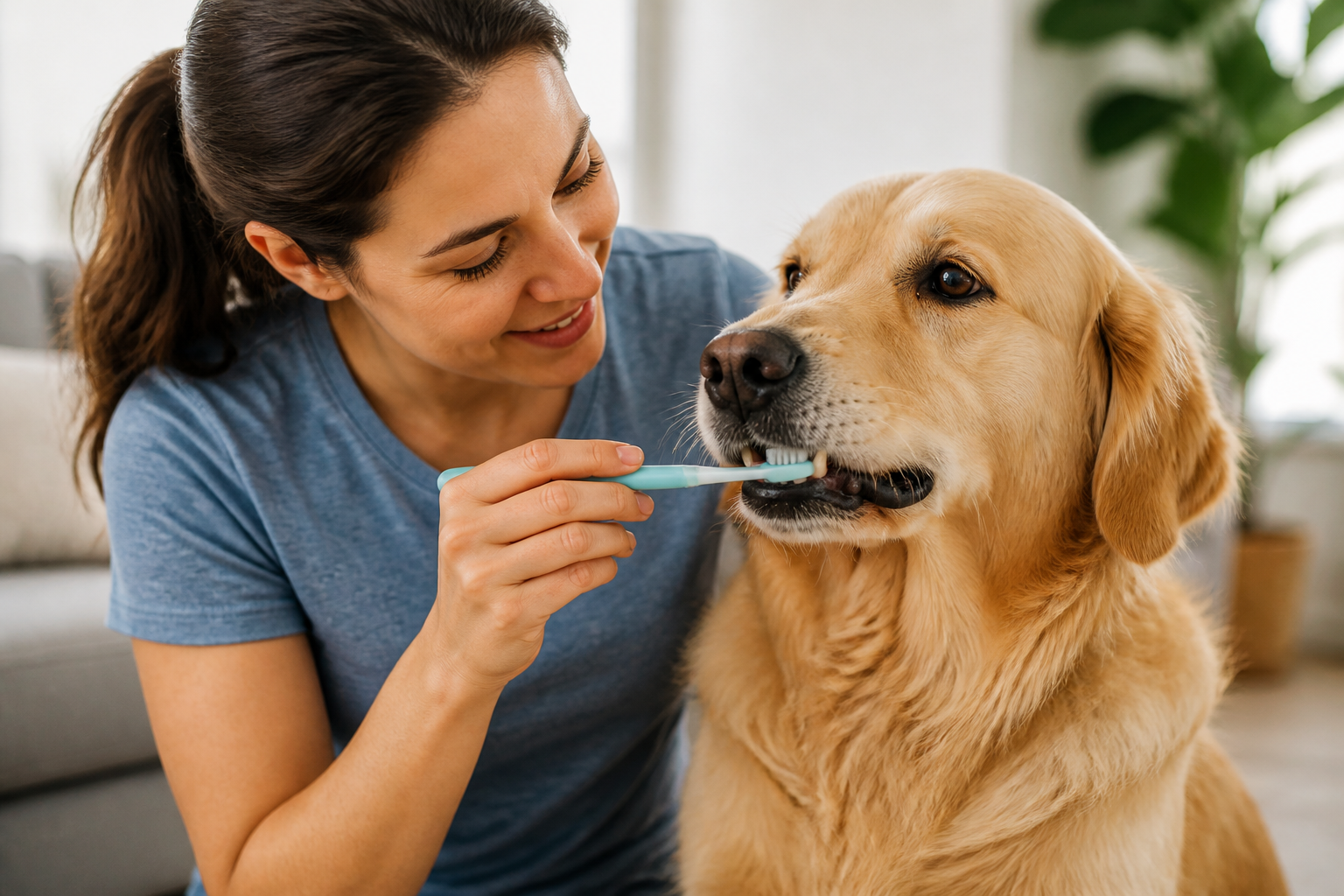
You are sitting on the couch with your dog when they lean in for a friendly lick. Instead of a sweet moment, you are hit with a wave of breath that smells like old socks. This is a common scenario for many pet owners, but it is often the first sign that a dog needs dental attention. At BaxterBoo, we know that keeping your dog's mouth healthy is about much more than just fresh breath. It is a vital part of their overall wellness that can prevent pain and expensive vet visits later in life. This post covers the most effective ways to clean your dog's teeth at home and when you should seek professional help. We will walk you through the tools you need and the steps to take for a cleaner, healthier canine smile.
Quick Answer: To clean your dog’s teeth, use a dog-specific toothbrush and enzymatic toothpaste at least three times a week. Start slowly by letting them taste the paste and then gently brush in circular motions along the gum line.
Why Dog Dental Care Matters
Most dogs show signs of dental disease by the time they are three years old. This happens because food particles and bacteria build up on the teeth to form plaque. If this plaque is not removed, it hardens into tartar. Unlike plaque, which you can brush away at home, tartar is a rock-hard substance that requires professional tools to remove.
Neglecting dental health can lead to more than just a smelly mouth. Bacteria from infected gums can enter the bloodstream. Once there, it can potentially affect the heart, liver, and kidneys. Maintaining a routine is not just about vanity. It is about protecting your dog from systemic health issues that could shorten their lifespan.
The Importance of Starting Early
It is much easier to teach a puppy to accept a toothbrush than it is to convince an older dog. Puppies are naturally curious and often more willing to let you handle their mouths. However, even if you have an older dog who has never had their teeth cleaned, it is not too late to start. You simply need to move a bit slower and use plenty of positive reinforcement.
Key Takeaway: Consistent dental care at home reduces the risk of periodontal disease and helps protect your dog's vital organs from bacterial infections.
The Difference Between Plaque and Tartar
Understanding what you are fighting is the first step to winning the battle for your dog's oral health. Many owners confuse plaque and tartar, but they require very different treatments.
Plaque is a soft, sticky film that develops on the teeth within hours of eating. It contains millions of bacteria. Because it is soft, you can easily remove it with a toothbrush or a dental wipe. If you brush your dog's teeth daily, you are effectively stopping plaque from progressing.
Tartar, also called calculus, forms when plaque mineralizes. This happens when the minerals in a dog's saliva mix with the plaque. Tartar is usually yellow or brown and sticks firmly to the tooth enamel. You cannot brush tartar away. If you see hard, discolored buildup near the gums, your dog likely needs a professional cleaning from a veterinarian.
Vet Tip: Check your dog's mouth once a week for signs of tartar or red, swollen gums. If the gums bleed when you touch them, schedule a veterinary exam to check for underlying infection.
Essential Supplies for Cleaning Dog Teeth
Before you start, you need the right tools. Never use human dental products on your pet. Human toothpaste often contains xylitol, which is an artificial sweetener that is highly toxic to dogs. It also contains foaming agents that can upset a dog's stomach if swallowed.
Dog-Safe Toothpaste
Dog toothpaste comes in flavors like poultry, beef, and peanut butter to make the experience more enjoyable. Most are enzymatic. This means they contain enzymes that help break down plaque chemically even if you cannot reach every corner of the mouth. We carry several trusted brands in our dog dental care category that are formulated specifically for canine safety.
Choosing the Right Brush
You have a few options when it comes to the actual tool:
- Standard Pet Toothbrushes: These look like human brushes but have angled handles to help reach the back teeth.
- Finger Brushes: These are small silicone caps that fit over your finger. They are great for dogs that are intimidated by a long plastic handle.
- Double-Headed Brushes: These allow you to clean the inside and outside of the teeth at the same time, which can speed up the process.
Additional Aids
While brushing is the gold standard, other products can help. Dental wipes are great for dogs that absolutely refuse a brush. Water additives and dental sprays can also help lower the bacterial count in the mouth. These are best used as supplements to brushing rather than replacements.
Step-By-Step Guide to Brushing Dog Teeth
Brushing a dog's teeth for the first time can feel overwhelming. The key is to break it down into small, manageable steps. Do not expect to do a full cleaning on the first day.
Step 1: Get Them Used to Touch
Spend a few days just rubbing your dog's muzzle and lifting their lips. Give them a small treat or praise every time they let you touch their mouth. You want them to associate this handling with something positive.
Step 2: Introduce the Taste
Put a small dab of dog toothpaste on your finger. Let your dog lick it off. Since the paste is flavored like treats, most dogs will be happy to oblige. Do this for two or three days until they get excited when they see the tube.
Step 3: Test the Motion
Rub your finger, covered in toothpaste, along their teeth and gums. Use a gentle circular motion. This mimics the feeling of a brush without the scary tool. Focus on the outside of the teeth, as this is where the most plaque accumulates.
Step 4: Introduce the Brush
Once they are comfortable with your finger, move to the toothbrush. Wet the bristles and add a dab of paste. Gently brush the front teeth first. If your dog stays calm, move toward the back molars.
Step 5: Reward and Repeat
Always end the session with praise or a dental-friendly treat. Aim to brush at least three times a week. Daily brushing is ideal, but even a few times a week makes a significant difference.
Key Takeaway: Patience is the most important part of home dental care. Moving slowly and keeping things positive ensures your dog will cooperate for years to come.
Beyond Brushing: Dental Chews and Wipes
Some dogs simply will not tolerate a toothbrush. If you find yourself in this situation, do not give up. There are other ways to keep the mouth clean.
Dental Chews
Dental chews are designed to scrape the teeth as the dog bites down. Look for products that have the Veterinary Oral Health Council (VOHC) seal of approval. Brands like Greenies are popular because they are effective and easy for dogs to digest.
While chews are helpful, they are not a perfect solution. Most dogs tend to chew on one side of their mouth. This means the other side might not get as clean. Also, chews add extra calories to your dog's diet. If you give a dental chew every day, you might need to slightly reduce their meal portions to prevent weight gain.
Dental Wipes
Wipes are textured pads that you rub over the teeth. They are excellent for removing soft plaque and food debris. They are much easier to use than a brush for many owners, though they cannot reach the tiny crevices between teeth as well as bristles can.
Toys for Teeth
Certain toys are specifically textured to clean teeth during play. Kong toys and other durable rubber options can help stimulate the gums and scrape away some surface plaque. These are great for "power chewers" who need constant enrichment.
Comparing Home Dental Care Options
| Method | Effort Level | Effectiveness | Best For |
|---|---|---|---|
| Brushing | High | Excellent | All dogs, especially those prone to disease. |
| Dental Wipes | Medium | Good | Dogs that dislike brushes or have sensitive gums. |
| Dental Chews | Low | Fair | Supplemental cleaning and enrichment. |
| Water Additives | Low | Minimal | Dogs that won't allow any mouth handling. |
Bottom line: Brushing is the most effective way to prevent tartar, but using a combination of wipes and chews is a great backup plan for difficult pets.
Recognizing the Signs of Dental Disease
Even with the best home care, some dogs are genetically predisposed to dental issues. Smaller breeds and flat-faced dogs like Pugs or Bulldogs often have crowded teeth. This creates more places for bacteria to hide. You should be aware of the red flags that indicate a problem.
Persistent bad breath is the most common sign. While "dog breath" is normal, a truly foul or rotting smell is not. Other signs include:
- Yellow or brown buildup on the teeth
- Red, swollen, or bleeding gums
- Difficulty picking up food or dropping food while eating
- Pawing at the mouth or face
- Loose or missing teeth
- Excessive drooling
If you notice these symptoms, it is time for a vet visit. These signs often point to periodontal disease, which is an infection of the tissues surrounding the teeth. Left untreated, it can lead to tooth loss and bone decay in the jaw.
Vet Tip: If your dog stops chewing on their favorite toys or suddenly prefers wet food over dry kibble, they might be experiencing dental pain. A vet can determine if an extraction or a deep cleaning is necessary.
Professional Cleanings and Prescription Support
Sometimes, home care is not enough to reverse existing damage. A professional veterinary dental cleaning is a thorough procedure performed under general anesthesia. This allows the vet to clean deep under the gum line where a toothbrush cannot reach.
Why Anesthesia is Necessary
Many owners worry about anesthesia, but it is the only way to perform a safe and complete dental exam. While the dog is asleep, the vet can take X-rays to look for problems with the tooth roots and jawbone. They use ultrasonic scalers to vibrate tartar away and then polish the enamel to make it harder for plaque to stick in the future.
Modern veterinary anesthesia is very safe. Most clinics perform pre-anesthetic blood work to ensure your dog's organs are healthy enough for the procedure. This is a standard precaution that gives you peace of mind.
Prescription Diets and Medications
After a professional cleaning, your vet might recommend a prescription dental diet. These kibbles are specially sized and textured to act like a toothbrush as the dog eats. Some also contain ingredients that prevent plaque from mineralizing.
Our dog pharmacy offers a wide selection of prescription pet foods through our partnership with Pet's Choice. We also carry FDA-approved medications that your vet might prescribe for post-dental surgery, such as antibiotics or pain relievers. Having access to a real pharmacy means you can get the specific health products your dog needs to recover quickly and maintain their oral health.
Diet and Its Role in Oral Health
What your dog eats every day has a direct impact on their teeth. There is a long-standing debate about whether dry food is better for teeth than wet food. Generally, dry kibble provides some mechanical scraping as the dog crunches down. However, many standard kibbles shatter too easily to provide much benefit.
Prescription dental diets, such as those from Royal Canin or Farmina Vet Life, are different. They are designed to stay in contact with the tooth longer. If your dog has a history of dental problems, switching to a specialized diet can be a game-changer. Always consult your veterinarian before making a major change to your dog's diet, especially if they have other health conditions like kidney or heart issues.
The Problem with Soft Treats
Treats that are very soft or sticky can get stuck between teeth, providing a feast for bacteria. If you give these types of treats, try to follow up with a quick tooth brushing or a dental wipe. Choosing crunchy treats or those designed for dental health is usually a better option for long-term hygiene.
Building a Lifelong Dental Routine
The best way to ensure your dog’s teeth stay healthy is to make dental care a habit. It should be as routine as going for a walk or filling the water bowl.
Start by picking a specific time of day for dental care. Many owners find that brushing after the final walk of the evening works best. This ensures that the enzymatic toothpaste stays in the mouth overnight without being washed away by food or water.
If you have multiple people in your household, make sure everyone knows the routine. You can even keep a small log or use an app to track when the teeth were last brushed. Consistency is what prevents a small amount of plaque from turning into a major health crisis.
Step-by-Step Transitioning
Step 1: Buy a dog-specific toothbrush and flavored toothpaste. / Choose a time when your dog is calm and relaxed. Step 2: Start with short sessions. / Focus on just one or two teeth per day until your dog is comfortable with the process. Step 3: Gradually increase the time. / Work your way up to brushing all the teeth, including those hard-to-reach molars in the back.
Key Takeaway: A few minutes of dental care each week can save you thousands of dollars in veterinary bills and prevent your dog from experiencing unnecessary pain.
Conclusion
Keeping your dog's teeth clean is one of the most impactful things you can do for their long-term health. While it takes a bit of time and patience to build a brushing routine, the benefits are well worth the effort. By removing plaque regularly, you are protecting your pet from the pain of dental disease and the risk of more serious systemic infections. We are here to help you every step of the way with a carefully curated selection of brushes, pastes, and dental treats.
If you notice that your dog's dental issues are progressing, remember that our pharmacy offers a reliable way to access prescription diets and medications through our partnership with Pet's Choice. Staying proactive means your dog can enjoy a lifetime of happy smiles and healthy licks.
- Start with a dog-safe toothpaste and move slowly.
- Use dental chews and wipes as helpful supplements.
- Watch for signs like bad breath or bleeding gums.
- Schedule regular veterinary checkups for professional assessments.
The best next step is to explore our dog dental care supplies or sign up for our Autoship programme to ensure you never run out of dental chews or toothpaste.
FAQ
Can I use human toothpaste to clean my dog's teeth?
No, you should never use human toothpaste for dogs. Many human brands contain xylitol, which is a sweetener that is highly toxic to dogs and can cause life-threatening liver failure. Additionally, human toothpaste contains foaming agents that are meant to be spit out, and since dogs swallow the paste, it can cause severe stomach upset.
How often should I clean my dog's teeth at home?
Ideally, you should brush your dog's teeth every single day to prevent plaque from hardening into tartar. However, if daily brushing is not possible, aim for at least three times a week. Consistency is more important than the length of each session, as plaque begins to mineralize into tartar within 24 to 48 hours.
Do dental chews actually work to clean teeth?
Dental chews can be an effective way to reduce plaque and tartar buildup, but they are not a complete replacement for brushing. They work through mechanical scraping as the dog chews and can help stimulate the gums. For the best results, look for chews that are VOHC-approved and use them as a supplement to a regular brushing routine.
What should I do if my dog's gums bleed during brushing?
Minor bleeding can occur if your dog has mild gingivitis or if you are brushing too hard. However, if the bleeding is persistent or accompanied by very red, swollen gums, it is a sign of more advanced dental disease. You should stop brushing and consult your veterinarian for a professional oral exam to ensure there is no serious infection or tooth decay.






