
 Save 15% on your 1st Autoship learn more

 Email us
 Live Chat
 FAQs
FAQs





Introduction
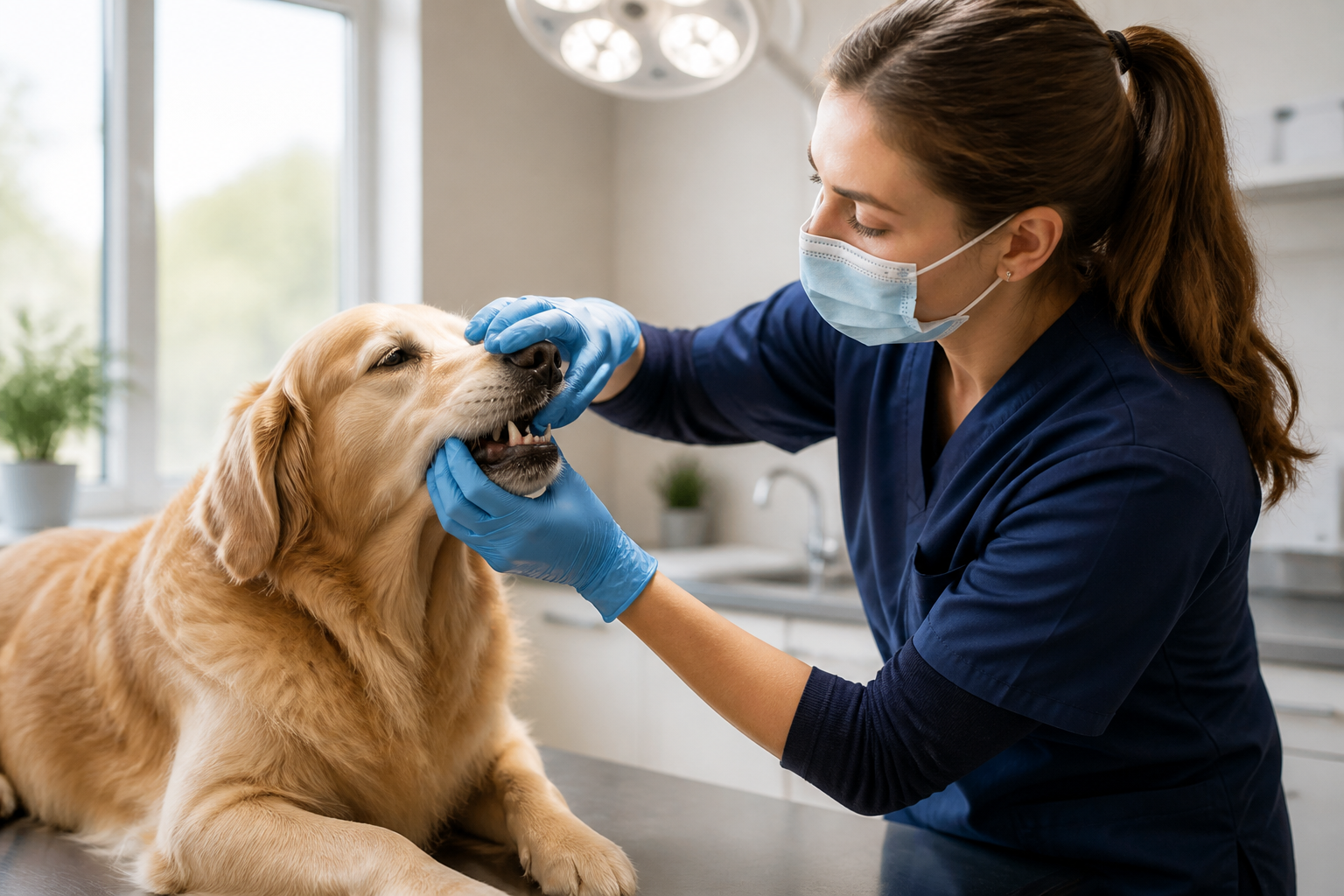
You might notice it while your dog is panting after a game of fetch or giving you an enthusiastic greeting at the door. That once-faint "dog breath" has become a pungent odor that fills the room. When you lift their lip, you see a thick layer of brown tartar along the gumline. This is usually the moment owners realize a professional dental cleaning is long overdue. At BaxterBoo, we know that dropping your dog off for a medical procedure can feel stressful. You want to know exactly what happens behind those clinic doors and how much of your day it will take. This guide explains the timeline of a professional dental cleaning and the steps involved in keeping your dog healthy. Understanding this process helps you prepare for the appointment and ensures your dog receives the best possible care.
Quick Answer: A routine professional dental cleaning usually takes between 30 and 60 minutes for the actual scaling and polishing. However, the entire veterinary visit often lasts 4 to 8 hours. This includes pre-operative exams, anesthesia induction, X-rays, and a supervised recovery period.
The Difference Between the Cleaning and the Appointment
It is helpful to distinguish between the time the veterinarian spends on the teeth and the time your dog spends at the clinic. When you ask how long the process takes, you are usually looking at two different timelines. The first timeline is the actual procedure. If your dog has a healthy mouth with minimal buildup, the cleaning itself is relatively quick. The technician uses an ultrasonic scaler to remove plaque and tartar. Then they polish the enamel to create a smooth surface. This part of the job is often finished in under an hour.
The second timeline is the total clinical stay. Most veterinary offices operate on a drop-off basis for dental procedures. You will likely bring your dog in early in the morning, often between 7:00 and 8:30 AM. They will then stay at the hospital until the mid or late afternoon. This allows the staff to perform necessary safety checks before anesthesia. It also ensures the dog is fully awake and stable before they go home.
The Professional Dental Timeline: Step by Step
A professional cleaning is officially called a Comprehensive Oral Assessment and Treatment, or COHAT. It is much more than a simple tooth brushing. Each step is designed to protect your dog while identifying hidden health issues.
Morning Check-In and Pre-Op Exam
The process begins the moment you arrive. A technician will review your dog’s recent health history and confirm they have fasted overnight. After you leave, the veterinarian performs a physical exam. They listen to the heart and lungs to ensure there are no new murmurs or respiratory issues.
Pre-Anesthetic Bloodwork
Most clinics require bloodwork before any procedure involving anesthesia. This usually takes about 20 to 30 minutes to process in-house. This testing checks liver and kidney function. Since these organs process the anesthetic medications, the vet must ensure they are working perfectly. If the bloodwork shows any concerns, the vet might adjust the medication protocol or postpone the cleaning.
Anesthesia Induction and Monitoring
Once the vet gives the "all clear" on bloodwork, the dog is sedated. Anesthesia is the only way to perform a truly thorough cleaning. It allows the vet to reach deep under the gumline where the most dangerous bacteria live. It also prevents the dog from feeling any stress or pain during the process. An IV catheter is usually placed to provide fluids and maintain blood pressure. A dedicated technician monitors heart rate, oxygen levels, and temperature throughout the entire procedure.
Dental X-Rays
This is a critical part of the timeline that many owners overlook. About 60 percent of a dog’s tooth structure is hidden below the gumline. Without X-rays, a veterinarian cannot see root abscesses, bone loss, or fractured teeth. Taking a full set of digital dental X-rays usually adds 15 to 20 minutes to the procedure. However, it is the only way to catch painful problems before they become emergencies.
Key Takeaway: While the cleaning itself is fast, the safety protocols before and after the procedure are what take up the most time. These steps are essential for a successful outcome and a safe recovery.
Factors That Can Make the Cleaning Take Longer
Every dog is different, and their oral health history plays a massive role in the timing. If it has been many years since your dog’s last cleaning, the procedure will naturally take longer.
The Severity of Tartar Buildup
Heavy calculus, which is hardened tartar, takes more time to remove. The technician must carefully chip away the thick layers without damaging the enamel. If the buildup is severe, the scaling process alone can take 45 minutes or more.
Extractions and Oral Surgery
If the X-rays reveal a rotted or broken tooth, the veterinarian will need to perform an extraction. Simple extractions for small, single-rooted teeth might only add 10 minutes. However, large chewing teeth like the carnassials have deep, multiple roots. These often require surgical sectioning and sutures. If multiple extractions are needed, the procedure can easily extend to two or three hours.
The Size and Age of the Dog
Small breed dogs, like Chihuahuas or Yorkies, often have more crowded teeth. This crowding traps food and bacteria, leading to faster decay. Their smaller mouths also require more delicate work with smaller tools. Senior dogs may also require a slower approach. The vet may take extra time during the induction and recovery phases to ensure the dog’s vitals remain stable.
Anesthesia-Free Cleaning: Is it Faster?
You may see advertisements for "anesthesia-free" dental cleanings that claim to be faster and cheaper. These usually take about 45 to 60 minutes while the dog is held in a restrained position. While this might seem like a convenient shortcut, it is important to understand the limitations.
Anesthesia-free cleanings are purely cosmetic. A technician can scrape away the brown tartar you can see, but they cannot reach the bacteria under the gumline. This is where periodontal disease actually happens. Furthermore, scaling an awake dog's teeth can lead to microscopic scratches on the enamel. Without professional polishing, which is difficult to do on a moving dog, those scratches become magnets for new bacteria.
Most veterinary experts do not recommend these services. They provide a false sense of security while leaving deep-seated infections untreated. Our pet pharmacy provides access to medications and prescription diets. We often see that dogs who receive only "cosmetic" cleanings eventually require more intensive medical treatment for advanced gum disease later on.
Vet Tip: If your dog has significant bad breath or red gums, they likely have infection under the gumline. A cosmetic, anesthesia-free cleaning will not fix this. Always consult your veterinarian for a professional COHAT to address the root of the problem.
The Recovery Period
After the cleaning is finished and the teeth are polished, the anesthesia is turned off. However, the dog is not ready to go home immediately. The recovery phase is just as important as the procedure itself.
Step 1: Extubation. / The technician monitors the dog until they are awake enough to swallow and breathe on their own. At this point, the breathing tube is removed.
Step 2: Observation. / The dog is moved to a warm, quiet recovery area. Staff members check their temperature and alertness every 15 to 30 minutes.
Step 3: Stabilization. / The dog needs time for the grogginess to wear off. They are usually kept for 2 to 4 hours after the procedure to ensure they can walk steadily and have no adverse reactions to the medication.
Step 4: Discharge. / When you pick up your dog, the vet or technician will walk you through the dental X-rays. They will explain any extractions and provide instructions for home care.
Preparing for the Appointment
To make the day go as smoothly as possible, there are a few things you should do at home. Most clinics will give you specific instructions, but the basics usually remain the same.
- Fast your dog: Do not give any food after midnight the night before. This prevents vomiting during anesthesia, which is a serious safety risk.
- Ask about medications: If your dog takes daily meds for heart issues or anxiety, ask your vet if they should have them on the morning of the procedure.
- Provide a contact number: Ensure the clinic has a phone number where you can be reached at all times. If the vet finds a tooth that needs extraction, they will often call you for permission before proceeding.
- Prepare a quiet space: When your dog gets home, they will be tired. Have a soft bed ready in a quiet area away from other pets and children.
If your vet discovers an infection, they may prescribe antibiotics. You can often fulfill these prescriptions through the pet pharmacy for convenient home delivery. Having these medications on hand ensures your dog starts their healing process immediately.
Home Care After the Cleaning
Once the professional cleaning has reset your dog’s oral health, the goal is to keep it that way. You can significantly increase the time between professional cleanings by practicing good hygiene at home.
Daily brushing is the gold standard. Even if you can only do it three times a week, it makes a massive difference. Use a toothpaste specifically formulated for dogs, as human toothpaste contains ingredients like xylitol that are toxic to pets. We carry a variety of dental brushes and enzymes to make this process easier. Nutri-Vet Dog Toothpaste is one option formulated specifically for dogs.
Dental chews and treats also play a role. Look for products that have the Veterinary Oral Health Council (VOHC) seal of approval. These items are specifically tested to ensure they actually reduce plaque and tartar. You can even set up an Autoship programme for these items so you never run out of the supplies your dog needs to stay healthy.
Bottom line: A professional cleaning is a full-day commitment for your dog, but the actual time under anesthesia is usually less than an hour for routine cases.
Why Small Breeds Need More Frequent Cleanings
Small dogs often require more frequent dental attention than large dogs. A Great Dane has a large jaw with plenty of space between the teeth. A Pomeranian or a Pug has the same number of teeth crowded into a much smaller space. This crowding creates "pockets" where hair, food, and bacteria get stuck.
For these smaller breeds, a vet might recommend a cleaning every six to twelve months. Large breeds might be able to go two years between cleanings if their owners are diligent about brushing. If you notice your small dog is dropping food or pawing at their mouth, do not wait for their annual exam. These are signs of oral pain that require immediate attention.
Long-term Benefits of Regular Cleaning
Investing a few hours of your day and a bit of money into a dental cleaning can save your dog’s life. Periodontal disease is not just about bad breath and lost teeth. The mouth is highly vascular, meaning it has many blood vessels. When the gums are infected, bacteria can enter the bloodstream every time your dog chews.
These bacteria can travel to major organs, including the heart, kidneys, and liver. Chronic dental disease has been linked to heart endocarditis and kidney failure in older dogs. By keeping the mouth clean, you are protecting their entire body. This proactive care can add years to your dog's life and save you from the high costs of treating systemic organ failure later on.
What to Expect the Evening After
When you bring your dog home, they might not be their usual self. It is normal for them to be a little whiny or unsteady on their feet.
- Feeding: Give a small meal, about half the usual size, once they are fully alert. If they had extractions, you will need to feed soft food for several days.
- Bathroom breaks: The IV fluids they received will likely make them need to urinate more frequently than usual.
- Sleep: Expect them to sleep deeply for the rest of the evening. The combination of the medical procedure and the clinical environment is exhausting for most pets.
If your dog seems excessively lethargic the next day or refuses to eat, call your veterinarian. Most dogs are back to their normal energy levels within 24 to 48 hours.
Maintaining Your Dog's Smile
At BaxterBoo, we believe that dental health is a cornerstone of overall wellness. A professional cleaning is the most effective way to address existing disease, but your work at home is what prevents it from coming back. Whether you are using dental wipes, water additives, or traditional brushing, consistency is key. Our dog dental care collection includes products for maintaining an at-home routine.
Our MVP Rewards programme is a great way to earn points on the dental supplies you use every day. By staying on top of your dog's oral hygiene, you ensure their breath stays fresh and their heart stays healthy for years to come.
Key Takeaway: Routine dental care is an investment in your dog's longevity. While the appointment takes a full day, the benefits of removing hidden infection and pain are immeasurable.
FAQ
How long does it take for a dog to wake up from a dental cleaning?
Most dogs begin to wake up within 15 to 30 minutes after the anesthetic gas is turned off. However, they will remain groggy and uncoordinated for several hours. Veterinarians keep them in the clinic for this period to monitor their vitals and ensure they can walk safely before they are discharged to their owners.
Can my dog eat right after a dental cleaning?
It is usually best to wait a few hours until the anesthesia has completely worn off. Once your dog is fully alert and walking normally, you can offer a small meal. If your dog had teeth extracted, your vet will likely recommend a soft food diet for 7 to 10 days to allow the surgical sites to heal.
Why is anesthesia necessary for a dog's teeth cleaning?
Anesthesia is the only way to safely clean under the gumline and perform dental X-rays. It prevents the dog from moving, which protects them from injury by the sharp dental tools. It also allows the veterinarian to place a breathing tube that protects the dog’s lungs from the water and bacteria being sprayed out of the mouth during the cleaning.
How much do extractions add to the time of a dental cleaning?
A single simple extraction might only add 10 to 15 minutes to the procedure. However, complex extractions of large teeth with multiple roots can take 30 to 45 minutes each. If a dog requires a "full mouth" extraction due to severe disease, the total time under anesthesia can extend to several hours.






