
 Save 15% on your 1st Autoship learn more

 Email us
 Live Chat
 FAQs
FAQs





Introduction
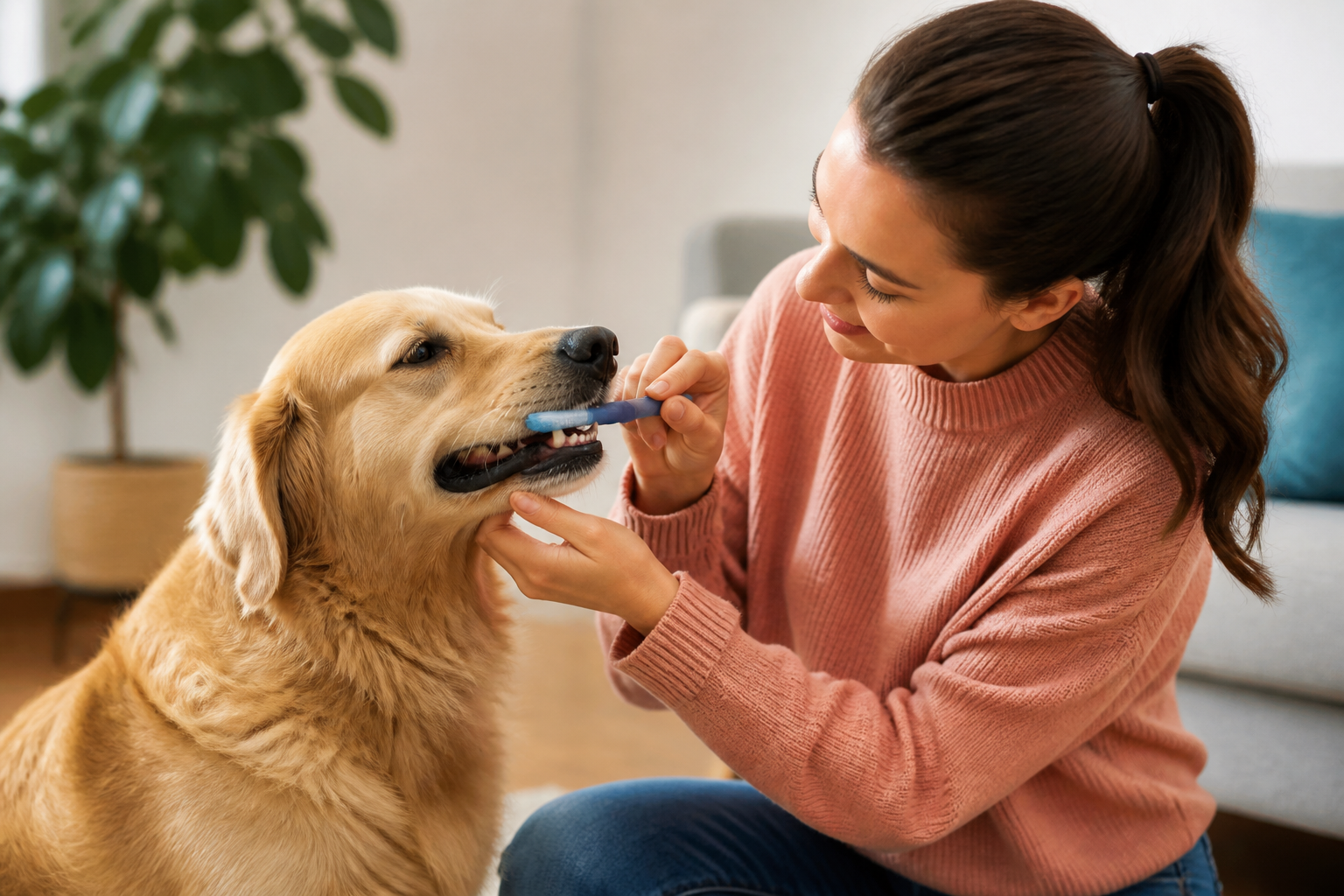
You lean in for a morning cuddle and your dog greets you with a big, enthusiastic lick. Instead of the usual joy, you find yourself pulling back because their breath is suddenly quite strong. You might notice a hint of yellow along the gum line or see them pawing at their mouth after eating. At BaxterBoo, we talk to pet owners every day who are surprised to learn that dental health is one of the most overlooked parts of dog ownership. This article covers the ideal frequency for at-home brushing and professional cleanings while explaining why your dog's breed and age change those requirements. Understanding how often to clean those teeth is the first step in preventing painful infections and expensive vet bills.
Quick Answer: You should ideally brush your dog’s teeth every single day to prevent plaque from hardening into tartar. If daily brushing is not possible, aim for at least three times per week, combined with an annual professional cleaning by your veterinarian.
The Science of Plaque and Tartar
To understand why frequency matters, you have to look at how quickly a dog's mouth changes. Plaque is a sticky film of bacteria that begins forming on teeth just hours after a meal. If you do not brush it away, it reacts with the minerals in your dog's saliva. Within 48 to 72 hours, that soft plaque hardens into tartar, also known as calculus.
Once plaque turns into tartar, you cannot remove it with a toothbrush at home. Tartar creates a rough surface that allows even more bacteria to grow. This leads to gingivitis, which is the inflammation of the gums. If left alone, it progresses to periodontal disease. This condition destroys the bone and tissues that hold the teeth in place.
Key Takeaway: Dental bacteria do not stay in the mouth. They can enter the bloodstream through inflamed gums and travel to the heart, liver, and kidneys, causing serious systemic health issues.
Daily Brushing Is the Gold Standard
Most veterinarians and dental experts agree that daily brushing is the best way to maintain oral health. Think of it like your own dental routine. You would not go a week without brushing your teeth and expect your gums to stay healthy. Dogs are the same.
Daily brushing ensures that you are catching plaque before it has any chance to calcify. It also makes the process a routine part of your dog's day. When you do it every morning or evening, your dog learns what to expect. This reduces anxiety and makes the task much faster for you.
Why Every Other Day Is Not Quite Enough
While brushing three times a week is significantly better than not brushing at all, it still leaves a window for tartar to form. Because plaque can harden in as little as two days, a 48 hour gap gives bacteria a foothold. If your schedule is packed, at least try to target the large "chewing" teeth in the back of the mouth where buildup is heaviest.
The Role of Professional Cleanings
Even with perfect at-home care, most dogs still need a professional cleaning. We recommend a Comprehensive Oral Assessment and Treatment (COHAT) at least once a year. This is performed by your veterinarian while your dog is under general anesthesia.
Some owners feel nervous about anesthesia, but it is the only way to provide a safe and thorough cleaning. A vet needs to scale the teeth below the gum line where the most dangerous bacteria hide. They also take X-rays to check for abscesses or bone loss that are invisible to the naked eye.
Factors That Increase Cleaning Frequency
Some dogs may need a professional visit every six months rather than once a year. This is common for:
- Small and toy breeds with crowded mouths.
- Senior dogs with existing gum recession.
- Dogs with a history of frequent extractions.
- Pets that refuse at-home brushing entirely.
Vet Tip: If your veterinarian prescribes a specific dental diet or medication to manage oral infections, our pet pharmacy can help. We provide FDA-approved medications and prescription diets through our partnership with Pet's Choice to support your dog's ongoing health needs.
Breed Specific Dental Needs
Not all dogs are created equal when it comes to their mouths. If you own a large breed dog like a Labrador, they have plenty of space between their teeth. This allows for natural cleaning when they chew on toys. However, smaller breeds face much higher risks.
Small and Toy Breeds
Breeds like Yorkies, Chihuahuas, and Poodles often have the same number of teeth as a large dog but in a tiny fraction of the space. This crowding creates nooks and crannies where food and bacteria get trapped. These breeds often require daily brushing and professional cleanings starting as early as two years old.
Brachycephalic (Flat-Faced) Breeds
Pugs, Bulldogs, and Shih Tzus have shortened jaws that lead to misaligned teeth. When teeth do not line up correctly, the natural self-cleaning mechanism of chewing does not work. These dogs are highly prone to early-onset periodontal disease. If you have a flat-faced dog, you should check their mouth weekly for signs of inflammation.
Age and Dental Health
A puppy's dental needs look very different from a senior dog's needs. You should start a "cleaning" routine as soon as you bring a puppy home. Even though they will lose their baby teeth, the goal is to get them used to having your fingers in their mouth. This training makes life much easier once their permanent adult teeth arrive.
As dogs age, their immune systems change and their gum tissue may naturally recede. Senior dogs are more likely to suffer from cracked teeth or deep infections. For dogs over the age of seven, a dental exam should be a part of every twice-yearly wellness check.
Bottom line: Your dog's breed and age determine the "danger zone" for dental disease, so adjust your cleaning schedule based on their specific biology.
Signs Your Dog Needs an Immediate Cleaning
Sometimes you cannot wait for the annual appointment. Dental disease can be incredibly painful, but dogs are experts at hiding discomfort. They will often continue to eat even if they have a throbbing toothache. Watch for these red flags:
- Extreme Halitosis: While "dog breath" is normal, a truly foul or rotting smell indicates infection.
- Bleeding Gums: You might see blood on their chew toys or in their water bowl.
- Difficulty Eating: Dropping food, chewing only on one side, or whining while eating.
- Facial Swelling: This often indicates a tooth root abscess, which is a medical emergency.
- Discolored Teeth: Dark brown or grey teeth often mean the pulp inside the tooth has died.
If you notice these symptoms, skip the toothbrush and head straight to the vet. Brushing a diseased or painful mouth can cause your dog to associate the toothbrush with pain, making future care impossible.
Choosing the Right Tools
At BaxterBoo, we believe having the right gear makes the job easier for both you and your pet. You do not need a lot of equipment, but the quality of the items matters.
Toothpaste
Never use human toothpaste. It contains xylitol (which is toxic to dogs) and foaming agents that can upset their stomach. Dog-specific toothpaste comes in flavors like poultry, beef, or peanut butter. This makes the experience feel like a treat rather than a chore.
Brushes
You have several options based on your dog's comfort level:
- Finger Brushes: Great for beginners or small dogs. These silicone caps fit over your finger and give you more control.
- Triple-Headed Brushes: These clean the top and both sides of the tooth at the same time, cutting your brushing time in half.
- Long-Handled Brushes: Necessary for reaching the very back molars in large dogs.
Supplemental Aids
If your dog is extremely resistant to brushing, you can use supplemental tools. These are not a total replacement for brushing, but they help slow down plaque accumulation:
- Dental Chews: High-quality chews like Greenies are designed to scrape the tooth surface as the dog bites down.
- Water Additives: These contain enzymes that help break down bacteria in the mouth.
- Dental Wipes: Good for dogs that hate the sensation of a brush against their gums.
For more options, explore our dog dental care collection.
How to Start a Brushing Routine
If your dog is not used to having their teeth cleaned, do not try to do the whole mouth on day one. Follow these steps to build trust.
Step 1: Let them taste the paste. / Put a small amount of dog-safe toothpaste on your finger and let them lick it off. Do this for a few days so they associate the flavor with something positive.
Step 2: Rub the gums. / Gently rub your finger along their gums and teeth without a brush. This gets them used to the sensation of their lips being lifted.
Step 3: Introduce the brush. / Put some paste on the brush and let them lick it. Then, gently brush just the front canine teeth in a circular motion.
Step 4: Gradually expand. / Each day, move further back into the mouth. Focus on the outside of the teeth, as this is where most tartar accumulates.
Key Takeaway: Consistency is more important than perfection. Even thirty seconds of brushing is better than none at all.
Diet and Dental Health
What your dog eats also impacts how often you need to clean their teeth. There is a common myth that dry kibble cleans teeth perfectly. While the crunch helps slightly, most kibble crumbles too quickly to provide real scrubbing action.
If your dog eats a diet of primarily wet or raw food, they lack that abrasive action entirely. These dogs often need more frequent at-home brushing because the soft food can easily stick to the gum line. Some prescription dental diets use a specific fiber matrix that does not crumble, essentially acting like a squeegee for the teeth.
Maintaining Results Between Cleanings
Once your vet has performed a professional cleaning, the clock starts again. The goal is to keep those pearly whites clean for as long as possible. We recommend using a multi-pronged approach.
- Daily Brushing: The most effective tool in your kit.
- Daily Dental Treats: Use these as a reward after the brushing session.
- Routine Inspections: Lift your dog's lips once a week to look for new redness or buildup.
- Safe Toys: Avoid extremely hard items like antlers or cow hooves, which can actually fracture teeth.
Many of our customers use our Autoship program to ensure they never run out of dental chews or toothpaste. This keeps the routine consistent, which is the secret to avoiding dental surgery down the road.
For additional ideas, read our guide to the best dental chews for dogs.
The Cost of Neglect
It is much cheaper to buy a tube of toothpaste than it is to pay for a full mouth of extractions. Advanced periodontal disease can lead to jaw fractures because the infection eats away at the bone. It can also cause or worsen heart murmurs. By investing five minutes a day into your dog's oral care, you are protecting your wallet and your pet's life.
We have seen countless senior dogs get a "second wind" of energy after having a diseased tooth removed. This is because they have been living with chronic, low-grade pain for years. Preventing that pain through regular cleaning is one of the kindest things you can do as an owner.
Bottom line: A proactive dental routine can extend your dog's life by two to three years by preventing systemic infections.
Summary Checklist
- Brush daily if possible, or at least three times a week.
- Schedule a professional veterinary dental exam once a year.
- Use only dog-safe toothpaste and appropriately sized brushes.
- Monitor small breeds and seniors more closely for rapid buildup.
- Supplement with VOHC-approved dental chews and water additives.
- Watch for red flags like bad breath, bleeding, or changes in eating habits.
Our team at BaxterBoo is here to help you find the right supplies to make this process easier. Whether you need a starter kit for a new puppy or a specific dental chew for a picky eater, our dental food and treats can help you explore available options. If your dog requires specialized care, remember that our pharmacy partnership offers a reliable way to get the prescription items your vet recommends.
FAQ
Can I use a human toothbrush on my dog?
Yes, you can use a human toothbrush as long as the bristles are soft. A child-sized toothbrush often works best for medium and small dogs because the head is smaller and easier to maneuver in their mouth. However, you must still use dog-specific toothpaste, as human toothpaste is dangerous for pets.
My dog's gums bleed a little when I brush. Should I stop?
Minor bleeding can be a sign of early gingivitis, which means you actually need to brush more often to improve gum health. However, if the bleeding is heavy or if your dog seems to be in significant pain, stop immediately and consult your veterinarian. This could be a sign of more advanced periodontal disease that requires professional treatment.
Are dental chews enough to keep teeth clean without brushing?
Dental chews are a helpful supplement, but they are not a replacement for brushing. They mostly clean the chewing surfaces of the teeth and may miss the gum line where most disease starts. Think of dental chews like sugar-free gum for humans; it helps a little, but it doesn't mean you can stop using a toothbrush. For more ideas, see our dog dental supplements.
How do I know if my dog needs a professional cleaning?
The best way to know is to look for "tartar," which appears as hard, yellow or brown crusty buildup near the gums. If you cannot brush this off, your dog needs a professional scaling. Other signs include persistent bad breath, red and inflamed gums, or your dog favoring one side of their mouth when chewing on toys. For more warning signs, read what to do when your dog has damaged teeth.






