
 Save 15% on your 1st Autoship learn more

 Email us
 Live Chat
 FAQs
FAQs





Introduction
You are relaxing on the couch with your dog when your hand hits a solid, hard lump in their fur. You try to run your fingers through it, but the hair is tightly knotted and won't budge. This is a common moment for many pet owners, especially those with curly or long-haired breeds. At BaxterBoo, we understand that finding a mat can be frustrating, but it is a normal part of life with many dogs.
This article covers the best tools and techniques for removing mats safely at home. We will explain why mats form, which areas need the most attention, and when it is time to put down the brush and call a professional. Our goal is to help you keep your dog comfortable and their coat healthy. Brushing out matted hair requires patience, the right approach, and a gentle hand to ensure your dog remains happy during the process.
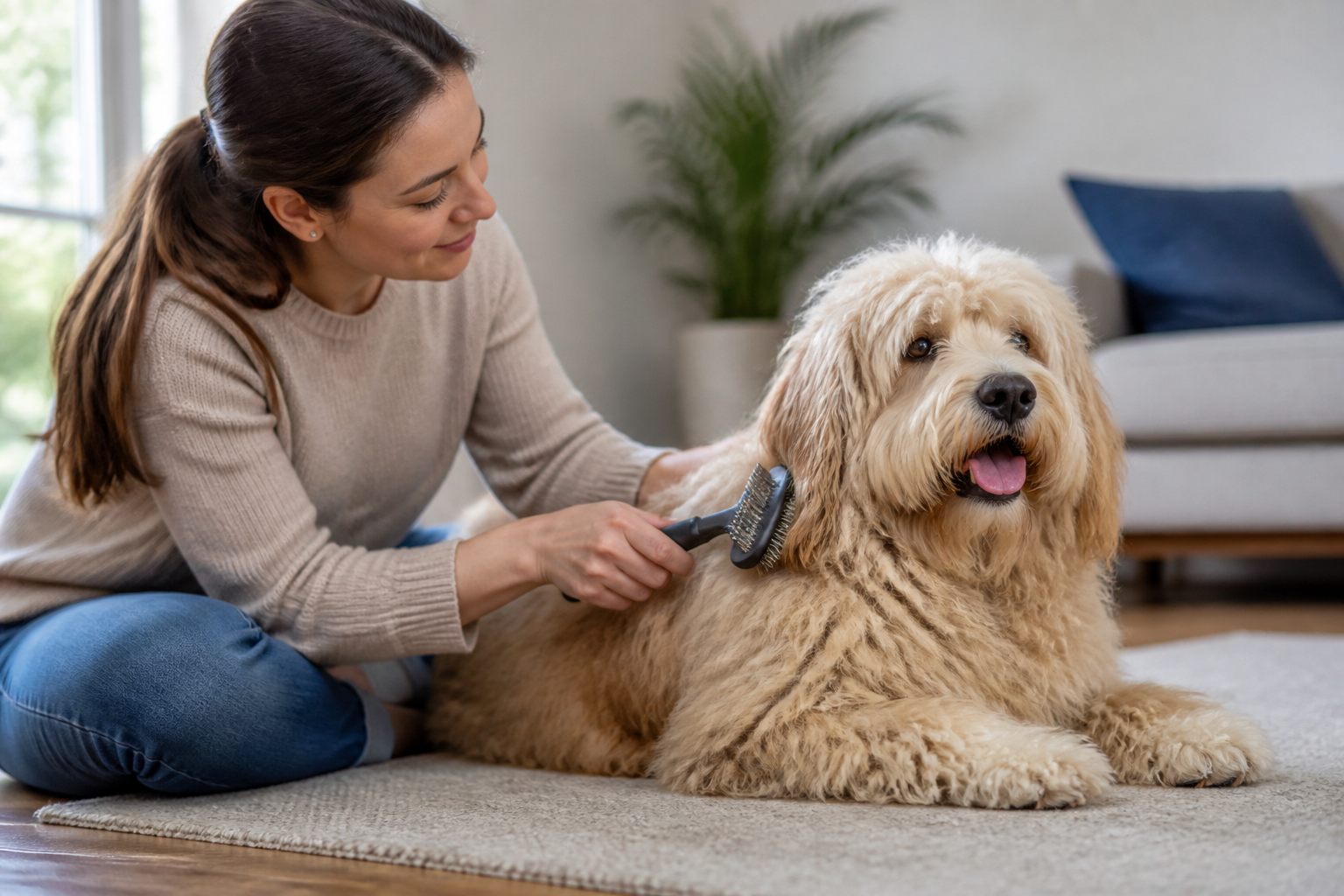
Quick Answer: To brush matted dog hair, isolate the knot and apply a pet-safe detangling spray. Use your fingers to loosen the outer edges, then gently work through the mat with a slicker brush starting from the tips of the hair and moving toward the skin.
Why Does Dog Hair Mat?
Mats are more than just messy tangles. They are dense clumps of live and dead hair that have twisted together with dirt, oils, and moisture. When loose hair shed from the undercoat gets trapped instead of falling away, it wraps around the healthy hair. Over time, this creates a tight knot that can pull on the skin.
Friction is one of the primary causes of matting. You will often find mats in high-motion areas like the armpits, behind the ears, and where the legs meet the body. Equipment also plays a role. Collars and harnesses rub against the fur throughout the day. If you do not remove these items and brush the area regularly, the constant rubbing will eventually create a knot.
Moisture is another major factor. When a dog gets wet from a bath, a swim, or a walk in the rain, the hair can curl and shrink as it dries. If there are already small tangles present, the drying process tightens them into hard mats. This is why we always recommend a thorough brushing before you give your dog a bath.
Identifying Different Types of Mats
Not all knots are created equal. Understanding the severity of the matting helps you decide how to handle it. A simple tangle is loose and can usually be pulled apart with your fingers or a comb. A true mat is dense and solid. You cannot see through it, and it feels like a hard lump of felt.
The most severe form of matting is called pelting. This happens when mats become so numerous that they join together to form a solid layer of felted fur across large areas of the body. Pelting is very serious because it traps moisture and heat against the skin. This can lead to sores, infections, and extreme discomfort.
Key Takeaway: Regular inspection of friction zones like the armpits and collar area can help you catch tangles before they turn into painful, dense mats.
The Essential Toolkit for Dematting
Having the right tools makes a significant difference in how much hair you can save and how comfortable your dog remains. You should never try to use human hairbrushes or combs. Dog fur has a different texture and density that requires specialized equipment.
We suggest keeping the following items in your dog brushes and combs collection:
- Slicker Brush: This brush has fine, short wire bristles that are close together. It is the best tool for breaking up the outer layers of a mat.
- Metal Greyhound Comb: A long, thin metal comb is essential for checking your work. If the comb cannot pass through the fur from the skin to the tips, a small knot is still there.
- Detangling Spray: These sprays provide "slip" to the hair. This allows the strands to slide past each other rather than snapping or pulling.
- Undercoat Rake: For double-coated breeds, this tool reaches deep into the fur to pull out the loose dead hair that causes mats in the first place.
How to Brush Matted Dog Hair Step by Step
Before you start, ensure your dog is relaxed. If your dog is nervous, use treats or a licking mat with some peanut butter to keep them occupied. Work in a well-lit area so you can see exactly where the mat ends and the skin begins.
Step 1: Isolate the Mat
Use your fingers to separate the matted clump from the surrounding healthy hair. This prevents you from accidentally pulling on fur that is not part of the problem.
Step 2: Apply Detangler
Spray the mat thoroughly with a pet-safe detangling spritzer. Let it sit for a minute or two. This gives the product time to penetrate the clump and soften the hair shafts.
Step 3: Finger Work
Before reaching for a brush, try to pull the mat apart with your fingers. Think of it like untying a very tight shoelace. Gently peel the outer edges of the knot away from the center. This reduces the size of the mat and makes the brushing stage much faster.
Step 4: The Brushing Technique
Hold the base of the mat firmly with your thumb and forefinger. This is the most important part of the process. By holding the hair near the skin, you ensure that the pulling force of the brush stays in your hand and does not tug on the dog's sensitive skin. Start at the very tip of the mat and use short, fast strokes with the slicker brush. Slowly work your way down toward the skin. A product such as the Master Grooming Tools Ergonomic Slicker Dog and Cat Brush is designed for brush-outs and mat removal.
Step 5: The Final Comb Through
Once the slicker brush moves through the area easily, follow up with your metal comb. Start at the base of the hair and pull outward. If the comb catches, go back to the slicker brush for a few more strokes.
Vet Tip: If you notice the skin under a mat is red, moist, or has a foul odor, stop brushing immediately. These are signs of a skin infection or a "hot spot" that requires veterinary attention. Our pet pharmacy offers a variety of medicated treatments through our partnership with Pet's Choice for these types of conditions.
Dealing with Stubborn Mats and Shaving
Sometimes a mat is simply too tight to brush out. If you spend more than five minutes on a single knot without making progress, it is probably too painful for the dog to continue. In these cases, the safest option is to remove the mat entirely.
Never use scissors to cut out a mat. A dog's skin is incredibly thin and can easily be pulled up into the knot of hair. It is very common for owners to accidentally cut their pet while trying to "trim" a mat. Instead, use electric clippers. Small, quiet clippers are less likely to scare your dog.
When using clippers, keep the blade flat against the skin. Do not dig the corner of the blade into the mat. Let the clippers slowly slide under the knot. If the matting is extensive or close to the skin, we recommend visiting a professional groomer. They have the experience and equipment to shave a pelted coat safely without causing razor burn or nicks.
Protecting Skin Health and Comfort
Matted hair is not just a cosmetic issue. It can lead to significant health problems. When hair is pelted, the skin cannot breathe. This traps moisture from sweat or rain against the body, creating a breeding ground for bacteria and fungus.
If your dog has chronic skin issues or allergies, they may scratch more often. Constant scratching and licking can cause the hair to tangle and mat very quickly. For dogs with sensitive skin, we offer a range of supplements and prescription diets that support coat health. A healthy coat is more elastic and less prone to breakage and tangles.
If you find that your dog's skin is irritated after you remove a mat, keep a close eye on the area. You can find soothing ointments and specialized shampoos in our dog health and wellness category. For persistent irritation or signs of infection, consult your veterinarian to see if a prescription treatment from our pharmacy is necessary.
Key Takeaway: Removing a mat is only half the job. You must also monitor the skin underneath for signs of irritation or infection that were hidden by the fur.
Prevention is the Best Medicine
The best way to handle mats is to stop them from forming. This saves your dog from discomfort and saves you from hours of difficult grooming. A routine is the most effective tool for prevention.
Create a Brushing Schedule
The frequency of brushing depends on your dog's breed.
- Long-haired or curly breeds (Poodles, Doodles, Yorkies): Brush every day or every other day.
- Double-coated breeds (Goldens, Shepherds, Huskies): Brush twice a week, and more often during shedding season.
- Short-haired breeds (Boxers, Labs): Once a week is usually sufficient to remove loose hair.
For more guidance on maintaining curly coats, read our guide to grooming a dog with curly hair.
Management of Gear
Always remove your dog's harness when they are inside the house. Harnesses cause significant friction in the armpits and across the chest. If your dog wears a collar all the time, make sure to brush the hair underneath it every few days. We also carry a variety of rolled leather collars at BaxterBoo that are designed to minimize matting on long-haired dogs.
Post-Activity Care
If your dog goes for a swim or plays in the mud, do not let them air dry without attention. Rinse the coat thoroughly to remove salt, sand, or dirt. Towel dry them as much as possible, then run a brush through the fur while it is still damp. This prevents the hair from curling into knots as it finishes drying.
Nutrition and Coat Quality
A dog's diet directly impacts the texture and strength of their fur. If a dog is not getting enough essential fatty acids, their hair can become dry and brittle. Brittle hair breaks easily and is much more likely to snag and tangle.
Look for foods and supplements that are rich in Omega-3 and Omega-6 fatty acids. Brands like Stella & Chewy's or Zesty Paws offer great options for skin and coat support. When the hair is strong and healthy, it has a natural sheen and a smoother surface, which helps prevent mats from "sticking" together.
We also offer an Autoship program that can help you stay consistent with your dog's nutrition. By setting up recurring deliveries for their favorite skin-supporting food or supplements, you ensure they never miss a dose. This program also includes a free MVP Gold membership, giving you even more value as you care for your pet.
Bottom line: Consistent grooming combined with high-quality nutrition is the most effective way to keep your dog's coat mat-free and healthy.
Making Brushing a Positive Experience
Many dogs learn to hate the brush because they associate it with the pain of pulling on mats. To fix this, you must change their perspective. Start by using the brush on areas where they do not have tangles. Use very light pressure and follow up with a high-value treat.
Keep your grooming sessions short. It is better to brush for five minutes every day than to have one grueling hour-long session once a month. If you are working on a specific mat, give the dog frequent breaks. Let them walk around, get a drink of water, and receive some praise before you go back to the work.
If your dog is particularly anxious, consider using calming aids. We carry a range of options from brands like Honest Paws and Jackson Galaxy that can help take the edge off their stress. When a dog is relaxed, their muscles are not tense, which makes it easier for you to access areas like the belly and armpits.
When to Seek Professional Help
There is no shame in admitting that a matting situation is beyond your control. If your dog is showing signs of aggression, extreme fear, or if the matting is too close to the skin, it is time to call a professional. Professional groomers have specialized tables and tools that make the process safer for the animal.
Similarly, if the matting is caused by an underlying health issue like a flea infestation or a fungal infection, a vet visit is necessary. Our pharmacy partnership with Pet's Choice provides access to FDA-approved flea and tick preventives and other medications that may be required to get your dog's skin health back on track.
Working with a professional groomer every 4 to 6 weeks can help keep the coat at a manageable length. This is especially helpful for owners of "designer" breeds with complex coat types that are notoriously difficult to maintain at home.
Final Thoughts on Grooming Success
Maintaining a dog's coat is a significant part of being a responsible pet owner. While mats are common, they are also manageable with the right tools and a bit of patience. By focusing on friction points and keeping up with a regular schedule, you can keep your dog's fur soft, clean, and comfortable.
At BaxterBoo, we have been helping pet owners since 2006 with expertly curated products that make life with pets easier. Whether you need a new slicker brush, a high-quality detangling spray, or a prescription diet for skin health, we have the selection and expertise to help you find the right solution.
- Check high-friction areas daily for small tangles.
- Always brush your dog before they get wet or have a bath.
- Use your fingers to loosen mats before reaching for the brush.
- Invest in high-quality metal tools rather than plastic alternatives.
Key Takeaway: Brushing is a bonding opportunity. When done correctly and without pain, it becomes a soothing ritual for both you and your dog.
Explore our full collection of dog grooming tools and skin health supplements to find everything you need for a mat-free home. If you are a new customer, don't forget that you can earn a 10 dollar reward on your first order of 39 dollars or more when you sign in at checkout.
FAQ
Can I use scissors to cut out a mat?
No, you should never use scissors to remove a mat from your dog's fur. A dog's skin is very elastic and can easily be pulled up into the knot of hair without you realizing it. It is very common to accidentally cut the skin, which may require stitches or lead to an infection. If a mat cannot be brushed out, use electric clippers or visit a professional groomer.
Does cornstarch help remove dog mats?
Cornstarch can be used as a home remedy to help loosen a mat by absorbing oils and providing some "slip" to the hair. You can rub a small amount into the knot before using your fingers or a brush. However, a professional pet detangling spray is generally more effective because it conditions the hair and helps prevent the knot from forming again immediately.
Why does my dog get mats even though I brush them?
If you only brush the top layer of fur, mats can still form in the undercoat near the skin. This is often called "surface brushing." To prevent this, you must use a tool like a metal comb or an undercoat rake to ensure you are reaching all the way through the coat. Make sure you are also checking high-friction areas like the armpits and under the collar.
What should I do if the mat is right against the skin?
If a mat is tight against the skin, it is often too painful and dangerous to brush out. In this situation, the best course of action is to have the area shaved by a professional. Trying to force a brush through a skin-level mat can cause bruising or skin tears. Once the mat is removed, you can focus on a prevention routine to keep the hair from matting as it grows back.






