
 Save 15% on your 1st Autoship learn more

 Email us
 Live Chat
 FAQs





Introduction
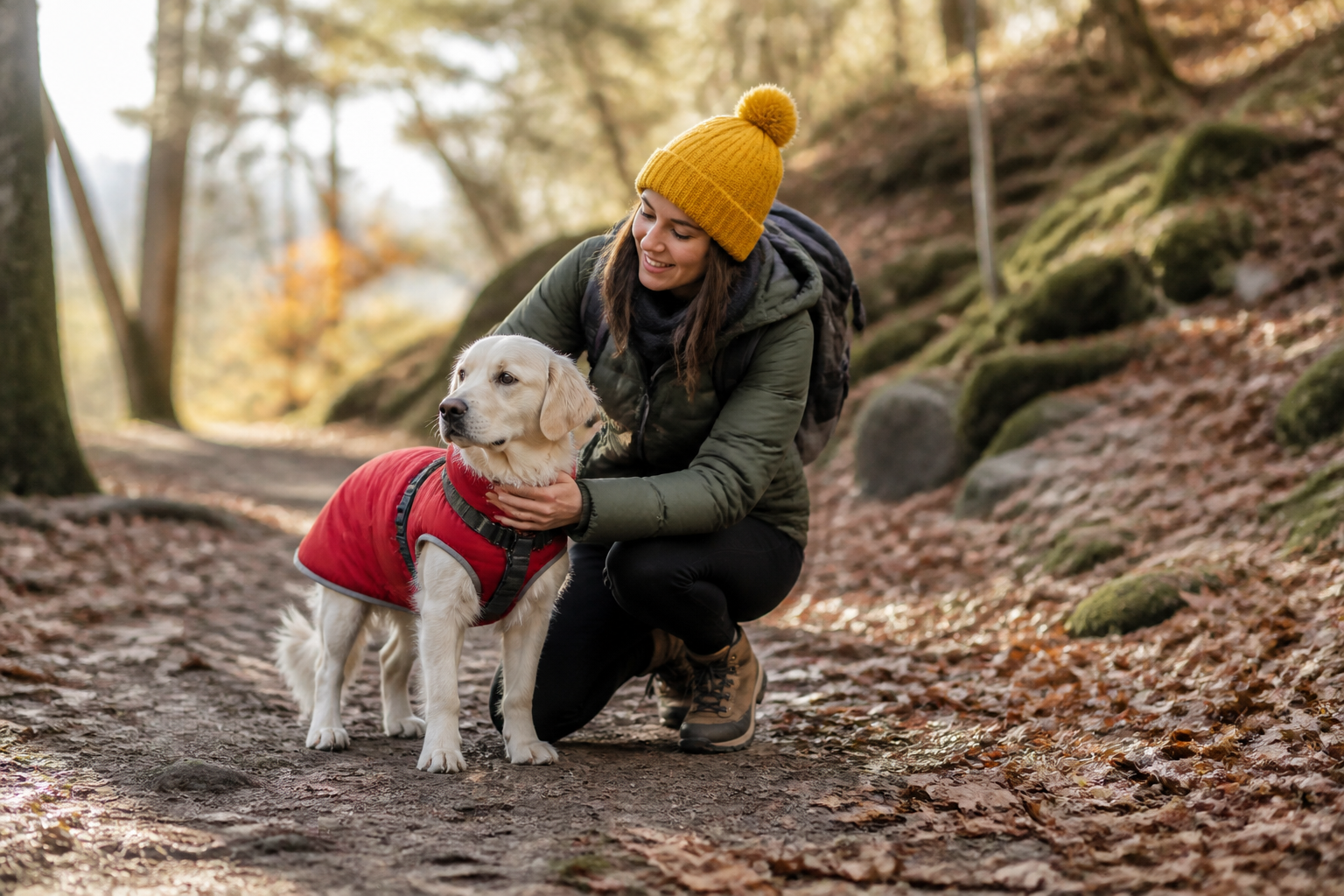
You stand at the door with a leash in hand while your dog watches the sleet hit the pavement. They give a little shiver or maybe even take a step back from the cold air. This is the moment many pet owners realize their furry friend needs more than just their natural fur to stay comfortable. At BaxterBoo, we know that choosing the right outerwear is about more than just fashion. It is about protection, safety, and extending the time you can enjoy the outdoors together. This post covers how to identify if your dog needs a coat, how to measure for a perfect fit, and which styles suit different climates. Selecting the right gear ensures your winter walks remain the best part of your dog's day.
Quick Answer: The best coat for your dog depends on their breed, size, and your local climate. Short-haired breeds and seniors usually need insulated parkas for sub-freezing temps, while double-coated breeds might only require a lightweight raincoat for wind and moisture protection.
Does Your Dog Actually Need a Coat?
It is a common myth that all dogs are naturally equipped for the cold because they have fur. While some breeds like Huskies or Malamutes thrive in the snow, many others struggle when the temperature drops below 45 degrees Fahrenheit. Small breeds have a harder time retaining body heat because they have more skin surface area relative to their weight. Puppies and senior dogs also have more difficulty regulating their internal temperature.
Thin-coated breeds like Greyhounds, Boxers, and Chihuahuas are the most frequent candidates for extra layers. These dogs lack a dense undercoat to trap heat. If you see your dog shivering, tucking their tail, or lifting their paws off the cold ground, they are likely uncomfortable. Even dogs with thick fur can benefit from a water-resistant shell to prevent their coat from getting soaked. A wet coat can actually make a dog colder by stripping away their natural insulation. Browse our dog coat selection to compare styles for different weather.
Vet Tip: If your senior dog seems extra stiff during winter walks, the cold may be aggravating their joints. Providing a warm coat can help keep their muscles and joints limber. If stiffness persists, consult your veterinarian about mobility support or prescription joint care available through our Pet's Choice pharmacy partnership.
Dog Coats


Understanding the Different Styles of Dog Coats
When you browse through our collection of outerwear, the variety can feel overwhelming. Each style serves a specific purpose based on the weather conditions. Choosing the wrong type might lead to your dog overheating or remaining unprotected in a downpour.
Insulated Parkas and Puffers
These are the heavy hitters of the dog clothing world. They are designed for sub-freezing temperatures and heavy snow. Brands like GF Pet often use technical linings that reflect the dog's own body heat back toward them. A good puffer should cover the major muscle groups in the chest and back. Look for options with high collars to protect the neck and adjustable cinches to keep the wind out. You can explore our selection of GF Pet products for outerwear options.
Lightweight Vests
Vests are perfect for active dogs who need core warmth without restricted movement. Because they are sleeveless, they minimize the risk of chafing in the armpits. This makes them a great choice for dogs with broad shoulders or barrel chests. A vest is often enough for a brisk fall day or for a thick-coated dog who just needs a little extra help during a long hike.
Raincoats and Windbreakers
Not every coat is about warmth. In rainy climates, the goal is to keep the dog dry to prevent that "wet dog" smell and long drying times at home. A lightweight raincoat like those from Ruffwear provides a waterproof barrier without adding bulk. These often feature reflective trim, which is a vital safety feature for walks during dark, rainy evenings. See our selection of Ruffwear products for outdoor gear.
Full-Body Snowsuits
For extreme cold or for dogs that get snowballs stuck in their belly fur, a snowsuit is the ultimate solution. These cover all four legs and the entire undercarriage. While they take a little longer to put on, they offer the most comprehensive protection. They are especially useful for low-to-the-ground breeds like Dachshunds whose bellies frequently touch the snow.
Key Takeaway: Match the coat style to the specific weather. Use parkas for extreme cold, vests for high-activity hikes, and raincoats for wet but mild conditions.
How to Measure Your Dog for a Perfect Fit
A coat that is too tight will rub and cause discomfort. A coat that is too loose will let cold air in and might cause your dog to trip. For more pointers, read these tips for measuring dog clothes. To find the right size, you need a soft measuring tape and a standing dog. Do not try to measure your dog while they are sitting or lying down as the dimensions will change.
Step 1: Measure the back length.
Place the tape at the base of the neck where the collar sits and measure to the base of the tail.
Step 2: Measure the chest girth.
Wrap the tape around the widest part of the ribs, usually right behind the front legs. This is the most important measurement for most brands.
Step 3: Measure the neck circumference.
Measure around the base of the neck where a coat's collar would naturally rest.
Step 4: Check for adjustability.
Look for coats with Velcro straps, buckles, or elastic cinches. These allow you to fine-tune the fit even if your dog falls between sizes on a chart.
Sizing Checklist
- Dog is standing squarely on all four paws.
- Measuring tape is snug but not tight.
- Chest measurement is taken at the deepest point of the ribs.
- Length measurement stops before the tail begins.
Materials and Technical Features
The quality of a dog coat is often determined by the materials used in its construction. At BaxterBoo, we look for fabrics that can withstand the wear and tear of a dog's daily life. A dog running through brush needs a different fabric than a dog walking on city sidewalks.
Denier Ratings
You might see a "denier" rating on some of our tougher jackets. This refers to the thickness and durability of the outer fabric. A 600D polyester shell is highly resistant to tears and snags. This is ideal if your dog likes to explore off-trail or play roughly with other dogs. Lower denier fabrics are lighter and more flexible but may not last as long in rugged environments.
Lining Types
Fleece is a popular lining because it is soft and provides immediate warmth. However, it can sometimes trap pet hair. Sherpa linings offer a thicker, more plush feel that is excellent for very cold days. For high-performance gear, look for breathable mesh linings that allow moisture to escape. This prevents your dog from getting sweaty and chilled during intense exercise.
Fasteners and Hardware
Consider how easy the coat is to put on and take off. Velcro is convenient but can sometimes get clogged with fur or lose its stickiness over time. Buckles are more secure for high-energy dogs. Many of our coats also feature a leash portal or a zippered opening on the back. This allows you to attach a leash to a harness worn underneath the coat.
Bottom line: Durable outer shells and breathable linings ensure a coat stays functional and comfortable through multiple winter seasons.
Health and Safety Considerations for Winter Gear
A coat is a tool for wellness. When a dog is too cold, their body diverts energy away from the immune system to maintain core temperature. Keeping them warm can help prevent the stress that leads to illness. This is particularly important for dogs managing chronic conditions.
For dogs with skin allergies, a coat can serve a dual purpose. It protects the skin from environmental irritants and prevents the dog from over-grooming sensitive areas. If your dog is dealing with ongoing skin issues or requires specialized medication, our Pet's Choice pharmacy partnership can help with prescription orders. Always consult your vet if you notice new skin redness or irritation after your dog wears a new piece of clothing.
Visible safety is another major factor. Winter months mean shorter days and more walks in low-light conditions. Many dog coats now incorporate 3M reflective material or loops for attaching safety lights. This makes you and your dog much more visible to passing cars. For more apparel ideas, see this guide to dog clothing.
Winter Safety Tips
- Rinse paws after walks to remove salt and de-icing chemicals.
- Never leave a wet coat on a dog once you are back indoors.
- Monitor your dog for signs of overheating, such as excessive panting.
- Ensure the coat does not interfere with your dog's ability to relieve themselves.
Managing Senior Dogs in Cold Weather
Cold weather is notoriously difficult for senior pets. As dogs age, they lose muscle mass and body fat, both of which help with insulation. They may also experience more joint discomfort when the barometric pressure drops or the temperature hits freezing. A well-fitted coat acts as a thermal barrier that keeps their muscles warm.
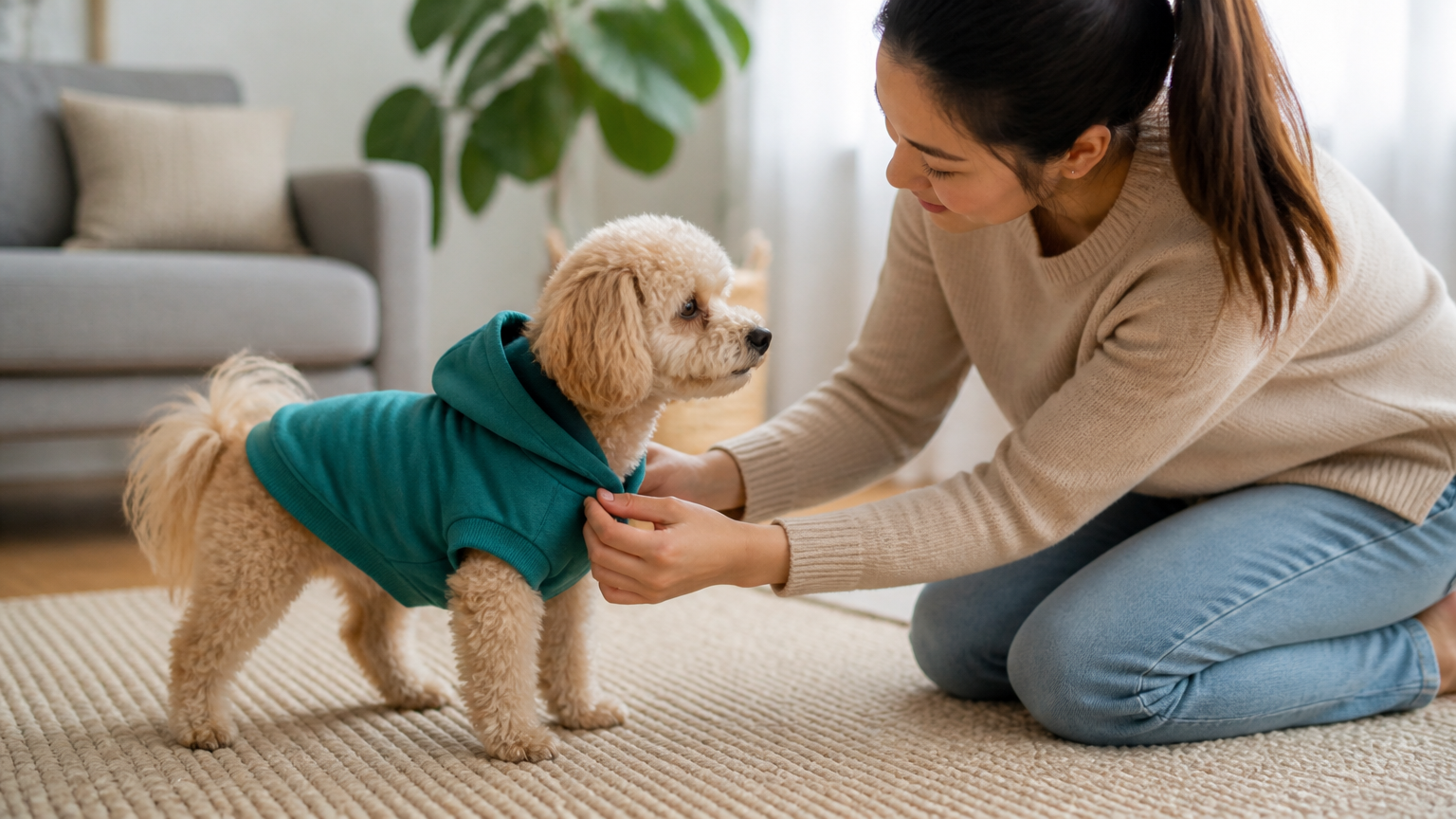
We often recommend that senior dog owners look for coats that are easy to put on. Jackets that require a dog to lift their legs high into sleeves can be painful for an arthritic pet. Look for "wrap" style coats that go over the head and secure around the belly with simple straps. This minimizes the physical stress of getting dressed for a walk.
If your senior dog is struggling significantly with winter mobility, a coat is just one piece of the puzzle. You might also look into orthopedic support or talk to your veterinarian about prescription diets formulated for joint health. Our Pet's Choice pharmacy partnership can fulfill specialized food orders and medications to help your older friend stay active.
Vet Tip: Keep an eye on your dog's behavior during winter. If they start refusing to go outside or seem lethargic after a walk, it is time for a check-up. A vet can help determine if they need a warmer coat or if an underlying health issue is making them more sensitive to the cold.
Care and Maintenance of Dog Apparel
A good dog coat is an investment, and proper care will help it last for years. Most of the brands we carry, including WeatherBeeta and GF Pet, design their products to be machine washable. However, you should always check the care label before throwing it in the wash.
To keep a coat in top shape, start by shaking off any loose dirt or hair before washing. Use a gentle cycle with cold water and a mild detergent. Avoid using fabric softeners, as these can strip away the waterproof coating on rain shells and parkas. It is usually best to hang the coat to air dry. The high heat of a dryer can damage synthetic fibers and shrink fleece linings. For additional cold-weather coat ideas, read this article about dog bubble coats.
If the waterproof coating starts to fail after a season of heavy use, you can often find spray-on treatments to restore the water-repellency. Regularly check the Velcro and buckles for any signs of wear. Keeping the fasteners clean of hair and lint will ensure they continue to work effectively throughout the season.
Choosing the Right Brand for Your Dog's Needs
We curate our selection at BaxterBoo to include brands that prioritize function and fit. Each brand has its own unique strengths. Ruffwear is the go-to for outdoor adventurers who need technical fabrics and extreme durability. Their gear is built like human hiking apparel, making it perfect for trail dogs.
For owners who want a blend of fashion and function, GF Pet is an excellent choice. Their Elasto-Fit technology is a standout feature. It allows the coat to stretch and contour to the dog's body, providing a much more customized fit than standard stiff fabrics. This is particularly helpful for dogs that are usually hard to fit, like Bulldogs or Pugs.
WeatherBeeta is known for their "horse blanket" style coats. These are incredibly durable and offer great coverage. They are easy to wrap around the dog and secure, making them a favorite for those who want a quick on-and-off solution. No matter which brand you choose, the focus remains on keeping your dog protected from the elements.
Key Takeaway: Different brands cater to different body types and activities. Use GF Pet for hard-to-fit breeds and Ruffwear for high-intensity outdoor adventures.
Summary of Dog Coat Selection
Finding the right coat involves more than just picking a cute color. It requires an understanding of your dog's physiology and the specific challenges of your environment. A properly fitted coat can mean the difference between a miserable walk and a fun outdoor experience. We take pride in offering a wide variety of sizes and styles to ensure every dog can find their perfect match.
- Identify your dog's specific needs based on breed, age, and hair type.
- Measure carefully to ensure the chest and length fit properly.
- Choose a style that matches the weather, such as a parka for snow or a shell for rain.
- Prioritize technical features like leash portals and reflective trim for safety.
Bottom line: A well-chosen dog coat provides essential protection, supports joint health in seniors, and makes winter activities safer for everyone.
For more specialized health needs or prescription items to keep your dog healthy this winter, explore our Pet's Choice pharmacy partnership for prescription medications and veterinary diets.
FAQ
How can I tell if my dog is too cold?
The most common signs that a dog is cold include shivering, lifting paws off the ground, and a tucked tail. You might also notice them hunching their back or acting reluctant to continue their walk. If your dog is seeking shelter under bushes or behind your legs, they are likely feeling the chill and need an extra layer.
Should I get a coat with sleeves or a vest?
Sleeves provide more coverage and warmth, which is great for short-haired dogs in extreme cold. However, vests are often easier to put on and offer a better range of motion for active dogs. If your dog has very broad shoulders or sensitive armpits, a vest might be more comfortable and less likely to cause chafing.
Can my dog wear a coat indoors?
While most dogs do not need a coat inside, a lightweight sweater or fleece can be helpful for senior dogs or thin-haired breeds in drafty homes. However, you should always monitor them to ensure they do not overheat. If your dog is panting or acting restless, remove the extra layer immediately.
How do I clean a waterproof dog coat?
Most waterproof coats should be washed in cold water on a gentle cycle without fabric softener. Fabric softeners can break down the chemicals that make the fabric water-repellent. It is best to air dry these items to prevent the high heat of a dryer from damaging the specialized coatings or shrinking the lining.



- Site & Contents BaxterBoo.com. BaxterBoo is located in the United States.
- Privacy & Security
- Terms of Use
- Accessibility Statement
