Save 15% on your 1st Autoship learn more

 Email us
 Live Chat
 FAQs
FAQs





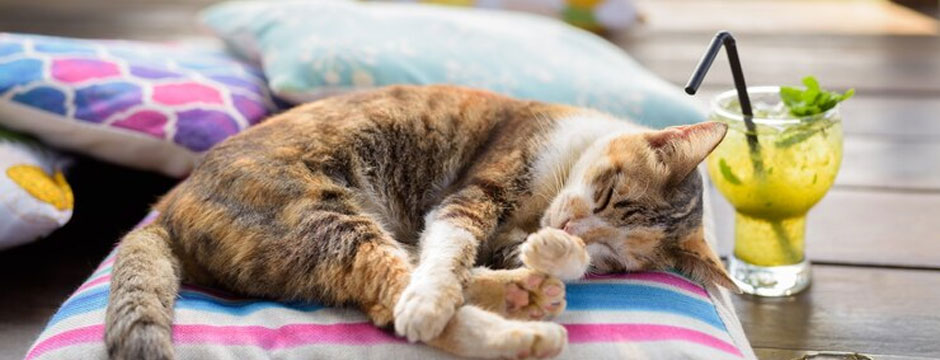
As summer temperatures soar, it becomes essential for cat owners to take proactive measures to protect their furry companions from the dangers of excessive heat. Cats are highly sensitive to heat and can easily suffer from heatstroke or other heat-related illnesses if not properly cared for during hot summer months. In this comprehensive guide by BaxterBoo, we will explore effective strategies to ensure your cat stays cool, hydrated, and safe throughout the summer season.
Understanding the Heat Sensitivity of Cats
Cats have a unique physiology that makes them more susceptible to heat. Unlike humans, cats cannot sweat through their skin and rely on panting and limited sweating through their paw pads for temperature regulation. It's important to recognize the factors that increase their vulnerability to heat, such as age, weight, breed, and pre-existing health conditions.
Creating a Cool Environment for Your Cat
Creating a cool environment for your cat is crucial during hot summer months. Ensure proper ventilation, provide access to shaded areas, and use fans or air conditioning to keep your cat's living space comfortable and safe.
-
Ensuring proper ventilation in your home: Open windows, use fans strategically, and consider air conditioning to circulate cool air throughout the living space.
-
Providing access to shaded areas: Create shaded spots in your home or yard where your cat can retreat to when the sun is at its strongest. Consider using umbrellas, canopies, or even a covered outdoor cat enclosure.
-
Using fans or air conditioning to cool the indoor space: If possible, keep the indoor temperature cool using fans or air conditioning. This is especially important during heatwaves when temperatures can rise rapidly.
Hydration and Water Availability
Hydration is vital for cats during hot summer months. Ensure your cat has constant access to fresh water, consider using interactive water sources, and place multiple water bowls throughout your home to encourage regular drinking. Proper hydration helps regulate body temperature and promotes your cat's overall well-being.
-
Importance of hydration for cats: Proper hydration is crucial for maintaining your cat's overall health and regulating their body temperature. Cats should have access to fresh, clean water at all times.
-
Providing fresh water at all times: Ensure that your cat's water bowl is consistently filled with fresh water. Consider placing multiple water bowls in different areas of your home to encourage regular drinking.
-
Using interactive water sources to encourage drinking: Some cats are more enticed to drink when water is flowing. Consider investing in a cat water fountain or provide a dripping faucet as a source of fascination for your feline friend.
Managing Outdoor Exposure
During hot summer days, limit your cat's outdoor time during peak heat hours, create a safe and shaded outdoor space, and be aware of signs of heat stress or heatstroke. Keeping your cat indoors or providing a cool, supervised outdoor area will help protect them from the dangers of excessive heat.
-
Limiting outdoor time during the hottest parts of the day: Avoid letting your cat out during peak heat hours, typically from late morning to mid-afternoon. Instead, schedule playtime and outdoor activities in the cooler mornings or evenings.
-
Creating a safe outdoor space for your cat: If your cat enjoys spending time outdoors, create a safe and shaded area for them to relax. Use cat-friendly plants, provide a comfortable shelter, and ensure there's fresh water available.
-
Identifying signs of overheating in cats: Familiarize yourself with the signs of heat stress or heatstroke in cats, including excessive panting, drooling, lethargy, rapid pulse, and vomiting. If you notice these symptoms, take immediate action to cool your cat down and contact your veterinarian.
Protecting Your Cat's Paws from Hot Surfaces
Hot pavement and surfaces can burn your cat's paws. Walk your cat during cooler times of the day, use protective booties or paw wax, and check the temperature of surfaces beforehand. Protecting their paws ensures their comfort and prevents injuries.
-
Understanding the risks of hot pavement and surfaces: Asphalt, concrete, and sand can become scorching hot during summer days and cause burns or discomfort to your cat's paws. Always check the temperature of surfaces before allowing your cat to walk on them.
-
Tips for walking your cat during summer: Opt for early morning or late evening walks when the pavement is cooler. Consider using protective booties or paw wax to provide an extra layer of insulation for your cat's paws.
-
Alternative exercise options for hot days: When the weather is excessively hot, engage your cat in indoor activities such as interactive play sessions, cat puzzle toys, or even a kitty agility course. These alternatives will keep them physically active while avoiding the risks of overheating outdoors.
Recognizing Heatstroke in Cats
Heatstroke is a serious condition in cats. Watch for heatstroke signs in cats like excessive panting, weakness, and seizures. If suspected, move your cat to a cool area, apply cool water, and seek immediate veterinary assistance. Quick recognition and proper cooling measures are crucial for their well-being.
-
Understanding the symptoms of heatstroke: Heatstroke is a life-threatening condition that requires immediate attention. Look out for signs such as excessive panting, rapid breathing, weakness, drooling, glazed eyes, seizures, or collapse.
-
Immediate actions to take if your cat shows signs of heatstroke: If you suspect your cat is suffering from heatstroke, move them to a cool, shaded area, apply cool (not cold) water to their fur, and use a fan to promote airflow. Contact your veterinarian immediately for further guidance and assistance.
-
Contacting your veterinarian for further assistance: Heatstroke can have serious consequences, even if the initial symptoms subside. Always consult your veterinarian to ensure proper evaluation and treatment to avoid complications.
Traveling with Your Cat in Summer
When traveling with your cat during summer, never leave them unattended in a vehicle. Ensure proper ventilation, use sunshades, and provide access to water. Plan frequent breaks for water, stretching, and rest in cool, shaded areas. Safely managing their travel conditions helps prevent heat-related risks.
-
Precautions to take when traveling by car: If you need to travel with your cat during hot summer months, take precautions to ensure their safety. Never leave your cat unattended in a vehicle, even for a short period. Use sunshades, keep the air conditioning on, and provide access to water during the journey.
-
Ensuring proper ventilation and temperature control in a carrier: If you use a carrier for travel, ensure proper ventilation by using carriers with sufficient airflow. Place ice packs or frozen water bottles wrapped in towels inside the carrier to help regulate the temperature.
-
Planning rest stops and breaks during long journeys: Plan your travel route in a way that allows for frequent stops, where you can provide your cat with water, allow them to stretch their legs, and offer a cool and shaded environment.
To Sum It All Up
Keeping your cat safe during the hot summer months is a responsibility that should not be taken lightly. By understanding their heat sensitivity, creating a cool environment, ensuring hydration, managing outdoor exposure, protecting their paws, recognizing heatstroke symptoms, and taking necessary travel precautions, you can safeguard your feline companion from heat-related risks. Remember, vigilance, awareness, and proactive measures are the keys to keeping your cat cool, comfortable, and safe during the summer season.