
 Save 15% on your 1st Autoship learn more

 Email us
 Live Chat
 FAQs
FAQs





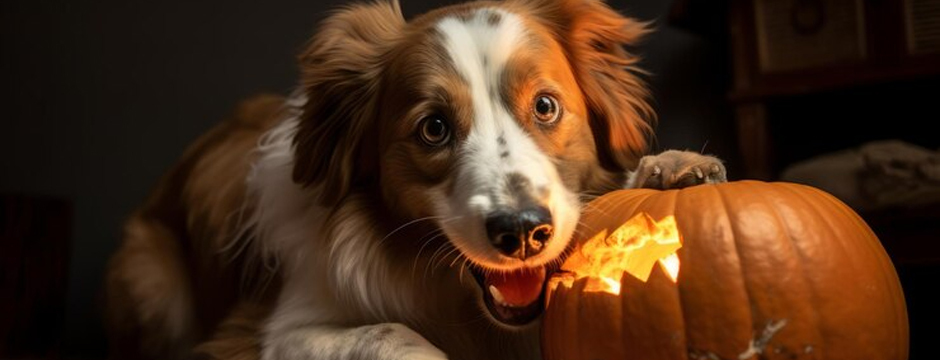
Halloween, with its vibrant costumes, eerie decorations, and sweet treats, is a cherished holiday for many. However, amid the festivities, it's crucial to remember that this spooky season can present unique challenges and potential hazards for our furry companions. As pet owners, it's our responsibility to ensure that Halloween is a time of joy and safety for our beloved pets. In this comprehensive guide, we will delve even deeper into essential safety tips and precautions to help you keep your pets safe on Halloween night.
Costume Considerations for Pets: Prioritizing Comfort and Safety
Pet costumes have become a delightful tradition during Halloween, allowing our four-legged friends to join in the festive spirit. However, as you plan your pet's attire, always prioritize their comfort and safety:
Choose the Right Fit: Just like human costumes, Halloween pet costumes come in various sizes. It's crucial to select one that fits your pet comfortably. Ill-fitting costumes can cause discomfort, restrict movement, and even lead to breathing difficulties. Before the big night, let your pet try on the costume to ensure it doesn't impede their natural movements.
Avoid Masks: While it might be tempting to adorn your pet with a mask or headgear, it's essential to remember that pets often find these additions stressful. Masks can limit their vision, impair their hearing, and cause anxiety. Instead, opt for costumes that don't cover their face or use non-intrusive accessories like hats or capes.
Test It Out: Introduce your pet to their costume well in advance of Halloween. This gives them time to acclimate to the outfit and helps you gauge their comfort level. If your pet displays signs of distress, such as excessive scratching, pawing at the costume, or trying to remove it, consider an alternative or forgo the costume altogether.
Supervise and Remove: While your pet is wearing a costume, always supervise them closely. Even the most well-fitted costume can become problematic if your pet gets tangled in it or if they attempt to chew on it. If you notice any signs of discomfort, promptly remove the costume to prevent any mishaps.
Pet-Proof Your Decorations: Creating a Safe Environment
Decorations are an integral part of Halloween, but they can pose risks to our furry friends. Here's how to ensure a safe environment for your pets amidst the spooky decor:
Candles and Flames: Traditional jack-o'-lanterns with lit candles inside can be easily knocked over by curious pets. This poses a significant fire hazard. To eliminate this risk, opt for battery-operated candles or LED lights for your decorations. These alternatives provide the same eerie glow without the danger of open flames.
Decorative Lights: If you're using decorative lights, ensure that cords and wires are secured and out of your pet's reach. Pets, particularly puppies and kittens, may be tempted to chew on electrical cords, which can result in electric shocks or other serious injuries.
Small Decorations: Small decorative items like plastic spiders, fake eyeballs, or small ornaments can easily attract your pet's attention. Ingesting these items can lead to choking or gastrointestinal problems. Keep them out of your pet's reach, and promptly pick up any that fall to the floor.
Halloween Treat Safety: Protecting Your Pets from Dangerous Delights
Halloween is synonymous with treats and sweets, but many of these can be hazardous to pets:
Chocolate: It's a well-known fact that chocolate is toxic to both dogs and cats. The compounds in chocolate, particularly theobromine and caffeine, can cause a range of symptoms from vomiting and diarrhea to seizures and even death. Ensure that all chocolate treats are stored securely and out of your pet's reach. Be especially cautious of chocolate decorations or candies that might be left within easy access.
Xylitol: Xylitol, a sugar substitute commonly found in sugar-free candies and gum, is extremely toxic to pets. Ingesting even small amounts can lead to a rapid and severe drop in blood sugar levels, seizures, and liver failure. Always check the ingredient list on any sweets or treats, and keep products containing xylitol well away from your pets.
Candy Wrappers: Pets are curious by nature and might be tempted to chew and swallow candy wrappers that carry the scent of the delicious treats they once held. Ingested wrappers can lead to gastrointestinal blockages, a painful and potentially life-threatening condition. To avoid this, immediately dispose of candy wrappers in a secured trash can.
Door Safety on Halloween Night: Preventing Escapes and Anxious Reactions
The arrival of trick-or-treaters at your door can be both exciting and stressful for your pets. To ensure their safety and minimize anxiety, consider the following:
Secure Your Pet: If your pet becomes anxious, fearful, or reactive around strangers, consider keeping them in a separate room during peak trick-or-treating hours. Equip the room with their favorite toys, fresh water, and a comfortable resting area. This prevents them from escaping through an open door or becoming agitated by frequent visitors.
ID Tags and Microchipping: Accidents can happen, and sometimes, pets manage to slip out of the house. In such cases, it's vital to ensure your pet has proper identification. Double-check that their pet collar has an updated ID tag with your current contact information. Additionally, consider microchipping your pet if you haven't already. Microchips provide a permanent means of identification, increasing the chances of reuniting with your pet if they become lost.
Keep Halloween Treats Away: Temptation Out of Reach
Halloween candies and goodies can be incredibly tempting for pets. To safeguard their health:
Secure Candy Bowls: Place candy bowls well out of your pet's reach, even if you think your pet wouldn't indulge in sweet treats. Curiosity can sometimes get the better of them, and their safety is paramount.
Dispose of Wrappers Promptly: As you distribute candy to trick-or-treaters or enjoy some yourself, be diligent about immediately disposing of candy wrappers. Pets may be drawn to the scent and may try to ingest them, which can lead to gastrointestinal issues.
Noise and Stress Management: Comfort in the Face of Spooky Sounds
Halloween can bring with it loud and sudden noises, such as fireworks or constant doorbell ringing, which can stress out your pets:
Create a Safe Space: Designate a quiet and comfortable area within your home where your pet can retreat to if they feel overwhelmed by the commotion. This space should contain their bed, toys, and other familiar items to provide a sense of security.
Background Noise: Consider playing calming background music or using a white noise machine in your pet's safe space. This can help drown out the startling sounds from outside and create a soothing atmosphere.
Behavioral Training: For pets that experience severe anxiety during Halloween or other loud events, it may be worthwhile to seek professional guidance. A veterinarian or a certified animal behaviorist can offer strategies for managing anxiety and, if necessary, prescribe medication to help your pet stay calm.
Know the Signs of Stress: Monitoring Your Pet's Well-Being
To ensure your pet's well-being during Halloween, it's essential to monitor their behavior and be aware of signs of stress:
Hiding: If your pet seeks seclusion or tries to hide, it may be an indication that they are feeling stressed or anxious. Provide them with a quiet and safe space where they can retreat.
Excessive Grooming: Some pets engage in excessive grooming as a coping mechanism when they are anxious or stressed. This can lead to hair loss or skin irritation.
Agitation: Restlessness, constant pacing, or nervous behavior are common signs of anxiety in pets. These behaviors may be more pronounced during Halloween.
Loss of Appetite: A pet that suddenly loses interest in food may be stressed or anxious. Monitor their eating habits closely, and consult a veterinarian if the issue persists.
Pet-Safe Halloween Activities: Inclusion and Fun
Include your pets in Halloween activities in a way that is safe and enjoyable for them:
Pet-Friendly Parties: Host a pet-friendly Halloween gathering where guests can interact with your pets. This can be a fantastic opportunity for socialization, provided that your pets are comfortable around strangers.
Pet Costumes: If your pet enjoys wearing costumes and is not stressed by them, consider involving them in themed costume photoshoots for fun and memorable moments. Ensure the costume is comfortable and non-restrictive.
Pet Treats: Prepare special pet-friendly treats that your pets can enjoy while you indulge in your own Halloween goodies. These can be store-bought or homemade, but always ensure that the ingredients are safe for pets.
Emergency Preparedness: Ready for Any Mishaps
In the event of any Halloween mishaps or emergencies, it's crucial to be prepared:
Have the Number: Keep the contact information for your nearest 24/7 emergency veterinary clinic readily available. This ensures that you can quickly access professional help if needed, even during the late hours of Halloween night.
Know Poison Control: Familiarize yourself with the contact information for the Pet Poison Helpline or a similar service. In the event that your pet ingests something toxic, having this information on hand can be a lifesaver.
Reiterate Safety with Visitors: Ensuring Awareness
If you're hosting Halloween gatherings or parties, it's essential to remind your guests about your pet's presence and their safety:
Guest Awareness: Make sure that your guests are aware of any pets in the house. Inform them about your pet's temperament and any specific instructions for interacting with them.
Door Safety Reminder: Remind your guests to be vigilant about keeping doors closed. This prevents pets from slipping out unnoticed, especially if they become spooked by the noise and activity.
Avoid Feeding Pets: Politely request that your guests refrain from feeding your pets any human treats, even if they insist. Many common human foods can be harmful to pets.
By following these comprehensive safety tips and precautions, you can ensure that your pets have a Halloween that is not only happy but also hazard-free. Remember that your pets rely on you for their well-being, and with a little preparation, vigilance, and consideration, you can make Halloween a safe and enjoyable time for the entire family, including your cherished furry friends. Your efforts in keeping your pets safe will undoubtedly lead to a holiday filled with unforgettable moments and shared joy.
For more information on Halloween and pets, follow us at BaxterBoo!






