
 Save 15% on your 1st Autoship learn more

 Email us
 Live Chat
 FAQs
FAQs





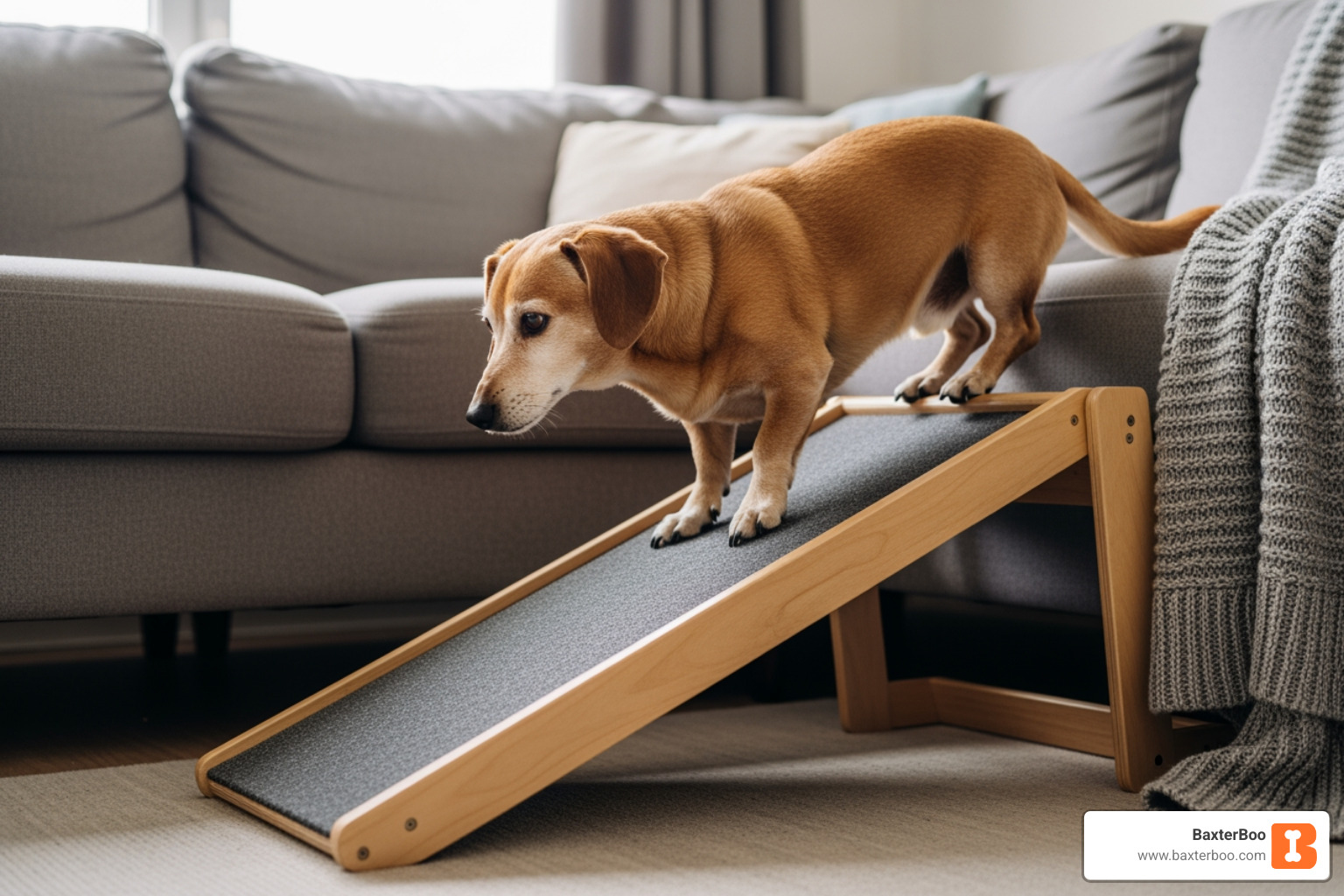
Why Dog Ramps and Stairs Matter for Your Pet's Long-Term Health
Dog ramps and stairs are essential mobility aids that protect your pet's joints from the long-term damage caused by repetitive jumping. Whether you have a senior dog with arthritis, a puppy with developing joints, or a small breed that struggles to reach liftd surfaces, these tools can prevent injuries and extend your dog's active years.
Quick Answer: Ramps vs. Stairs
| Feature | Dog Ramps | Dog Stairs |
|---|---|---|
| Best For | Dogs with severe mobility issues, arthritis, back problems, or post-surgery recovery | Small, agile dogs with good mobility who need less floor space |
| Incline/Effort | Gentle, gradual slope requiring minimal leg lift | Requires stepping motion and leg strength |
| Space Required | Takes up more floor space due to longer length | Compact, shorter footprint |
| Ideal Use | Vehicle access, dogs unable to use stairs | Beds, couches, indoor furniture |
Every time your dog jumps down from a bed, couch, or vehicle, their joints absorb impact forces that can lead to arthritis, hip dysplasia, and chronic pain over time. This is especially concerning for breeds with long bodies like Dachshunds, short-legged breeds like Corgis, and senior dogs whose joints are already compromised.
The good news? You can prevent this damage before it starts. Dog ramps and stairs help your pet reach their favorite spots without the wear and tear on their hips, knees, and spine. They're particularly crucial for puppies whose joints are still developing, older dogs managing pain, and pets recovering from surgery or injury.
Think of it as proactive care rather than reactive treatment. By providing your dog with a safe way to steer your home and vehicle, you're investing in their mobility and quality of life for years to come.
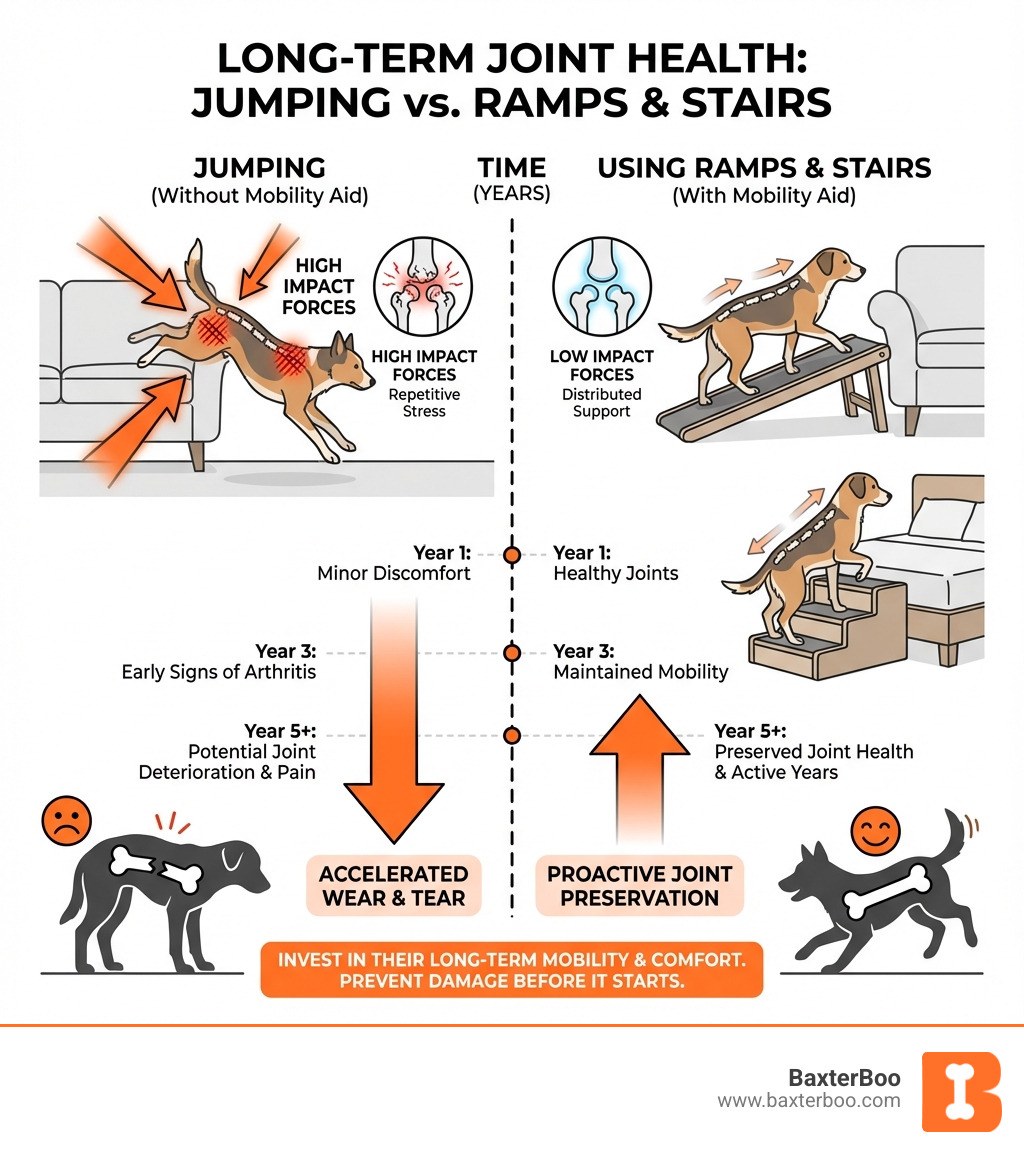
Why Your Dog Needs a Mobility Aid
We believe every pet deserves to live their happiest, healthiest life, and ensuring their comfort and mobility is a huge part of that. Dog ramps and stairs are not just conveniences; they are vital accessories that offer significant benefits for our canine companions. These helpful tools protect their joints as they steer the varying heights of our homes and even our vehicles.
The primary benefits of using these mobility aids include:
- Joint Health Preservation: Repetitive jumping, especially from high surfaces, puts immense stress on a dog's joints, leading to wear and tear over time. Ramps and stairs allow for a smoother, low-impact ascent and descent, safeguarding delicate cartilage and preventing long-term damage.
- Injury Prevention: Sudden twists, awkward landings, or slips when jumping can cause acute injuries like sprains, fractures, or even serious spinal issues. Mobility aids eliminate these risks.
- Increased Independence: For dogs who struggle to reach their favorite sleeping spots or get into the car, ramps and stairs restore their ability to do so on their own. This boosts their confidence and allows them to maintain their routines without constant human assistance.
So, when exactly are dog ramps and stairs most helpful? We've found they're incredibly beneficial for a wide range of pets:
- Senior Dogs: As dogs age, their joints naturally stiffen, and conditions like arthritis become more prevalent. Ramps and stairs prevent hip or leg strain, making it easier and less painful for older dogs to access beds, couches, or vehicles.
- Puppies: Their joints and bones are still developing, making them particularly vulnerable to injury from high-impact activities like jumping. Mobility aids can act as "training wheels" for puppies learning to steer human stairs, helping to protect their developing bodies.
- Small Breeds: Breeds with shorter legs often struggle to reach higher surfaces. Ramps and stairs give them the boost they need without the danger of overexertion or injury.
- Short-Legged Breeds: Similar to small breeds, dogs with disproportionately short legs find stairs and jumps challenging. Custom-designed steps can meet their unique needs.
- Dogs with Health Conditions: For pets suffering from arthritis, hip dysplasia), or those recovering from surgery or injury, these aids are indispensable. They reduce strain, manage pain, and facilitate a smoother recovery process.
To further support your dog's joint health, consider supplements like NutriSource Amplifull Mobility Soft Chew Dog Supplement, which can complement the physical support provided by ramps and stairs.
For Senior Dogs and Pets with Health Conditions
As our beloved companions enter their golden years, their mobility often declines. Senior dogs frequently experience conditions like arthritis, hip dysplasia, or general joint stiffness. For these pets, dog ramps and stairs are not just helpful; they are often essential.
- Reduced Strain and Pain Management: A gentle ramp or properly sized steps can significantly reduce the strain on aching joints, making daily activities less painful. This allows them to get on and off furniture or into the car without exacerbating their condition.
- Maintaining Routine and Accessing Favorite Spots: Many older dogs cherish their routines and their favorite sleeping spots. If your dog sleeps with you on an liftd bed, having their own dog ramp or steps for the bed allows them to continue this comforting routine without discomfort. This is also crucial for large dogs who are too heavy to pick up multiple times per day.
- Veterinarian Recommendations: We always recommend consulting with your veterinarian for guidance on your dog's specific mobility needs. They can provide clarification on when ramps and stairs are truly needed, especially if your dog has a severe injury or has been advised not to use stairs.
- Signs of Mobility Issues: It's important to observe your dog for signs of mobility issues. If you notice your dog is suddenly having trouble using steps, appears hesitant to jump, or shows signs of pain, it may be related to an underlying health problem. A sudden change in behavior can indicate pain, so contact your veterinarian immediately to rule out any medical issues.
For Puppies and Small or Short-Legged Breeds
While senior dogs often come to mind first when discussing mobility aids, dog ramps and stairs are equally crucial for puppies and certain breeds. For these dogs, these aids serve as a preventative measure, safeguarding their health from the very beginning.
- Preventative Care and Protecting Developing Joints: Puppies are bundles of energy, but their bones and joints are still growing and are highly susceptible to injury. Repeated jumping can lead to long-term orthopedic problems. Providing steps or ramps helps protect their developing joints from unnecessary impact.
- Safe Navigation and Building Confidence: Puppies have a learning curve when first going up and down human stairs. Ramps or dog stairs can act as "training wheels," boosting their confidence and allowing them to steer their environment safely.
- Breed-Specific Needs: Breeds known for their long bodies and short legs, such as Dachshunds, Corgis, and Basset Hounds, are particularly prone to back issues from jumping. Similarly, small breeds like Chihuahuas or Yorkshire Terriers can struggle to reach high surfaces. For these dogs, specially designed steps or ramps are not just a luxury but a necessity for their long-term well-being.
Dog Ramps vs. Stairs: Which is Best for Your Pet?
Choosing between dog ramps and stairs can feel a bit like a puzzle, but understanding the key differences and your dog's specific needs will help you find the perfect fit. Both are excellent solutions for mobility, but they cater to different physical abilities and situations.
As we covered in the introduction, here's a quick comparison to guide your decision:
| Feature | Dog Ramps | Dog Stairs |
|---|---|---|
| Best For | Dogs with severe mobility issues, arthritis, back problems, or post-surgery recovery | Small, agile dogs with good mobility who need less floor space |
| Incline/Effort | Gentle, gradual slope requiring minimal leg lift | Requires stepping motion and leg strength |
| Space Required | Takes up more floor space due to longer length | Compact, shorter footprint |
| Ideal Use | Vehicle access, dogs unable to use stairs | Beds, couches, indoor furniture |
The fundamental difference lies in their design: a ramp offers a continuous, gradual incline, while stairs provide a series of distinct steps. This difference directly impacts the effort required from your dog and the space the aid occupies in your home. Your dog's physical ability, their confidence level, and the available space will all play a role in making the right choice.
When to Choose a Dog Ramp
Ramps are truly a game-changer for dogs that require the gentlest approach to liftd surfaces. Their design minimizes impact and strain, making them ideal for specific situations.
- Gentle Slope, Low-Impact Movement: A dog ramp has a gentler angle, specifically designed to lessen back and joint strain. This makes them perfect for dogs who need to avoid high-impact movements or lifting their legs too high.
- Dogs with Severe Arthritis, Back Problems, or Post-Operative Recovery: Ramps are ideal for aging, injured, or recovering canines. If your dog has severe arthritis, a history of back issues (like intervertebral disc disease), or is recovering from surgery, a ramp allows for smooth, controlled movement without jarring their body. They are particularly beneficial for dogs who can no longer use stairs comfortably or safely.
- Dogs Unable to Lift Legs High: Some dogs, due to age, injury, or conformation, simply cannot lift their legs high enough to steer steps. Ramps provide an effortless path.
- Vehicle Access: When it comes to getting into and out of cars or SUVs, ramps are almost always the safer and more appropriate choice. They provide a stable, gradual incline for easy access to vehicles, protecting your dog from injuries that can occur when jumping in or out.
When to Choose Dog Stairs
While ramps offer a gentle slope, dog stairs have their own set of advantages, particularly for more agile pets and where space is a concern.
- Compact Design, Less Floor Space: One of the biggest perks of dog stairs is their smaller footprint. While a ramp's gradual incline means it ultimately takes up more room, stairs are compact and can fit neatly beside a bed or couch without dominating the living area.
- For Dogs with Good Mobility: Unless your dog has a severe injury or has been advised by a veterinarian not to use stairs, it is generally okay for dogs to use stairs. However, stairs created for dog legs, not human legs, can be very helpful to your pet. They are suitable for dogs who still have good leg strength and coordination.
- Mimics Regular Stairs: For dogs accustomed to navigating human stairs, dog steps can feel more natural and intuitive than a ramp.
- Good for Agile but Small Dogs: Small breeds that are agile but simply too short to jump onto furniture can benefit greatly from stairs. They provide the necessary height without the bulk of a ramp.
- Accessing Beds and Couches: Dog stairs are a popular choice for helping pets reach their favorite spots on beds and couches, providing a convenient and safe way to join the family on liftd furniture.
How to Choose the Perfect Dog Ramps and Stairs
Selecting the right mobility aid for your dog is crucial for their safety and comfort. It's not a one-size-fits-all decision, and several factors come into play. We want to ensure you find the perfect match for your furry friend!
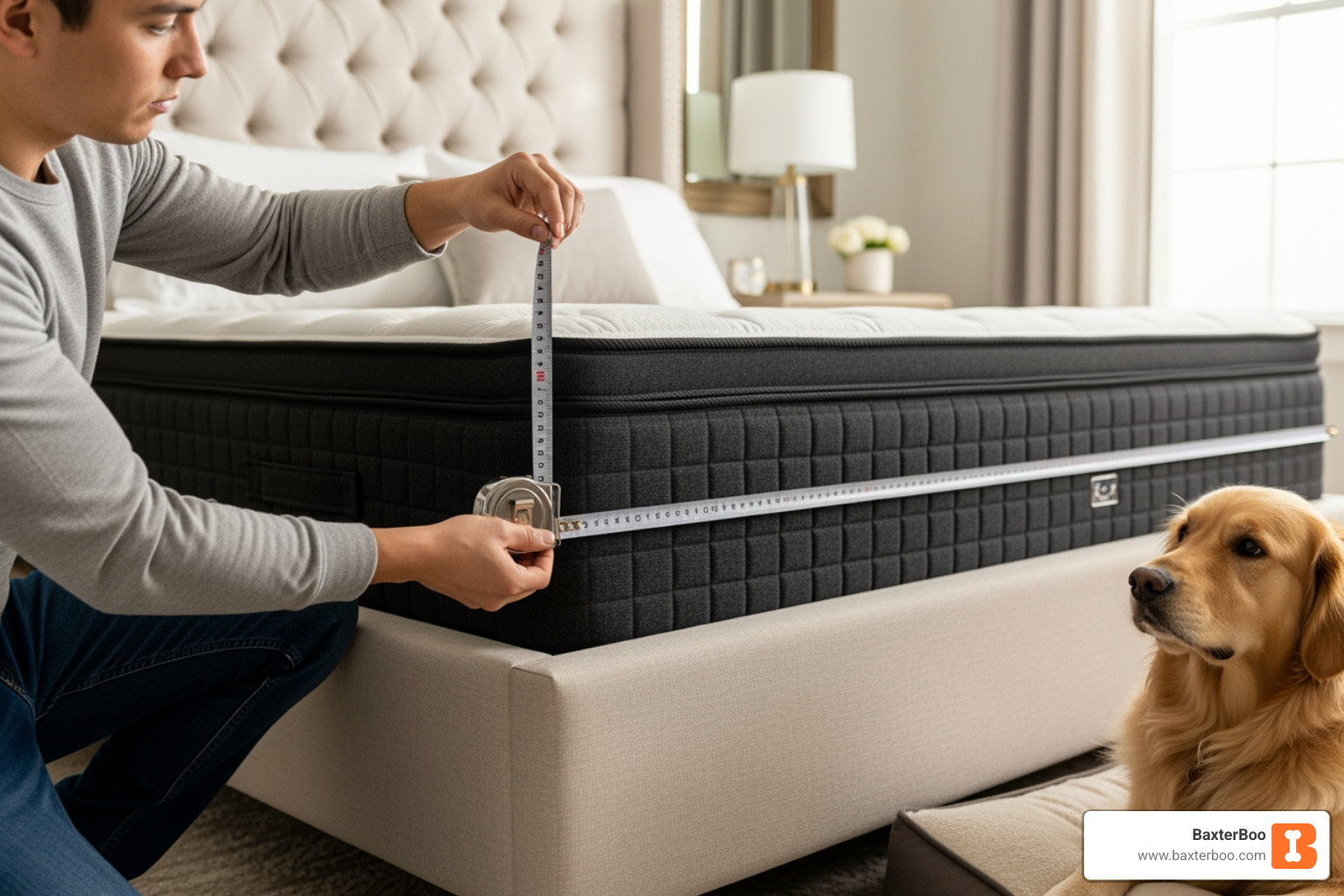
When choosing between dog ramps and stairs, we encourage you to consider the following key factors:
Critical Factors for Selecting Dog Ramps and Stairs
- Height and Length: This is perhaps the most critical consideration. The aid must match the height of the surface your dog needs to access, whether it's a bed, couch, or vehicle. Measure the height of the target surface carefully. For stairs, you'll also need to consider the number of steps and the individual step dimensions to ensure they are appropriate for your dog's gait and leg length. For ramps, the length is important to achieve a gentle slope angle. A longer ramp will have a less steep incline, which is better for dogs with severe mobility issues.
- Dog's Weight Capacity: Always check the maximum weight capacity of the ramp or stairs. For example, some high-quality wooden bed ramps are designed to support dogs up to 120 pounds, while certain aluminum ramps can handle up to 80 kg (approximately 176 pounds). Ensuring the aid can safely support your dog's weight is paramount.
- Sturdy Construction: A wobbly or flimsy ramp or set of stairs can be frightening for a dog and potentially dangerous. Look for products that are sturdy and stable, providing a secure platform for your pet.
- Material Suitability: The material impacts durability, weight, and suitability for indoor or outdoor use.
- Internal Link: To explore a wide range of options, we invite you to browse our selection of Dog Ramps & Stairs at BaxterBoo.
Key Features for High-Quality Dog Ramps and Stairs
Beyond the basic fit, certain features lift the quality and functionality of dog ramps and stairs:
- Non-Slip Surface: This is a non-negotiable safety feature. Look for ramps with high-traction carpet covers or rubber grips, and stairs with textured surfaces or non-slip treads. This ensures your dog has stable footing and prevents slips and falls.
- Durability: High-quality aids are safety-tested for durability, ensuring they can withstand repeated use and your dog's weight over time.
- Materials: Pet stairs are commonly produced from foam, wood, or plastic. Pet ramps are often made of plastic, aluminum, or wood. For indoor use, you might find options professionally upholstered with microsuede or micro velvet, offering a softer feel. Aluminum is great for lightweight, portable ramps, especially for vehicles.
- Ease of Cleaning: Life with pets can be messy! Look for products with machine-washable covers, especially for indoor steps, to make cleaning a breeze.
- Foldable Design and Portability: For vehicle access or easy storage, foldable or telescoping ramps are incredibly convenient. They are often lightweight and easy to store in a car or closet.
Safe and Effective Use of Your Pet's New Mobility Aid
Once you've chosen the perfect dog ramps or stairs, the next step is to introduce them to your dog safely and effectively. Patience and positive reinforcement are key to making this a successful and stress-free experience for your pet.
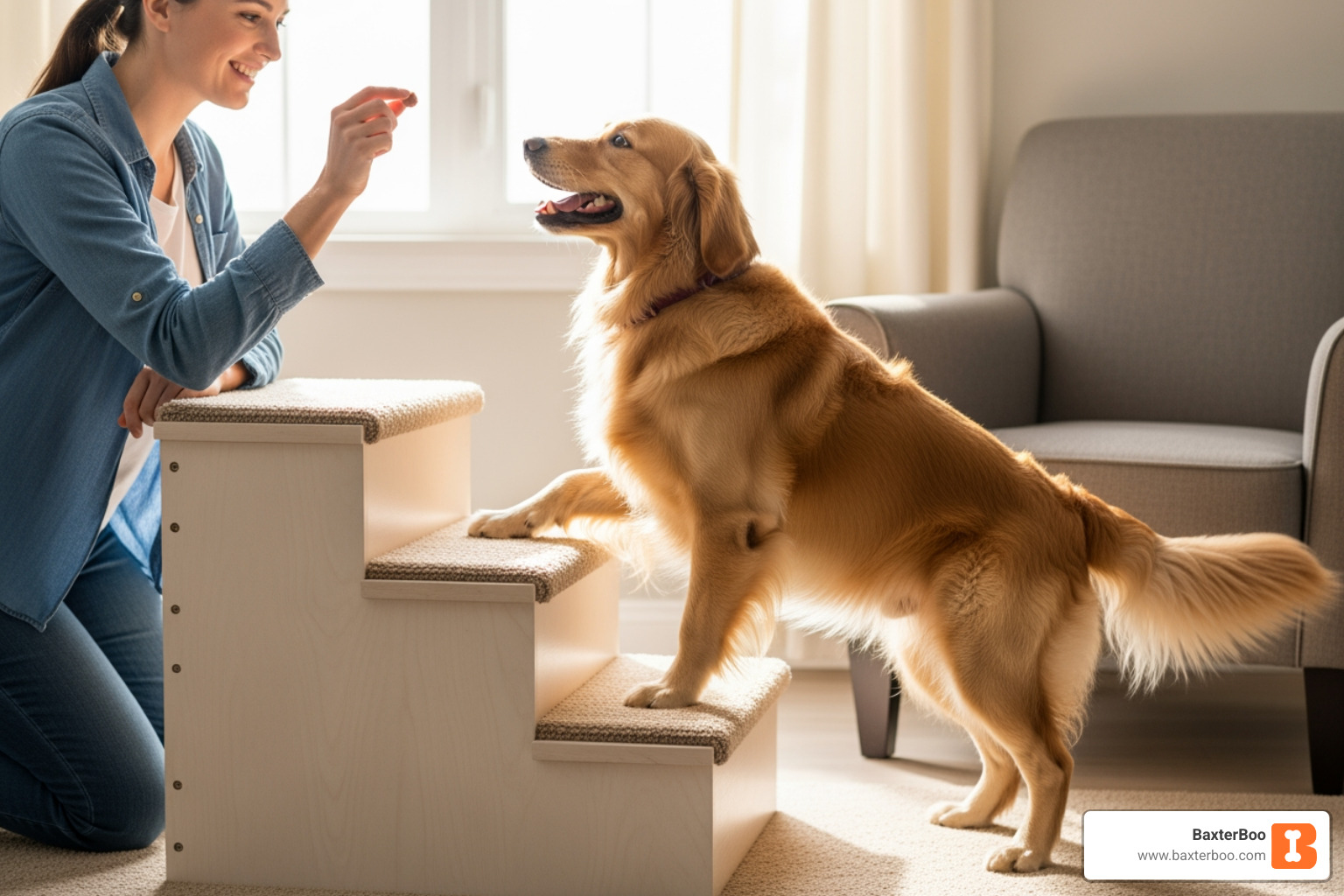
Training Your Pet to Use Dog Ramps and Stairs
- Introduction Process: Begin by introducing the ramp or stairs in a calm, familiar environment. Place them flat on the ground first, allowing your dog to sniff and explore without pressure.
- Luring with Treats: Once your dog is comfortable, place treats on the first step or at the bottom of the ramp to encourage exploration. Gradually place treats higher up, leading your dog slowly up the aid.
- Patience and Encouragement: Use a cheerful voice and lots of praise. Keep training sessions short and positive, ending on a successful note. Never force your dog; this can create fear and aversion.
- Making it a Positive Experience: Associate the ramp or stairs with positive outcomes, like reaching a favorite toy, getting a treat, or simply spending time with you. Consistency is important. For additional training support, explore our Training Aids for Dogs at BaxterBoo.
Using Ramps and Steps for Vehicles
Vehicle access is one of the most common and important uses for dog ramps. They are designed specifically for this purpose, offering a safe alternative to jumping.
- Car and SUV Access: Ramps provide a stable, gradual incline that allows your dog to walk into and out of your car, SUV, or truck with ease. This is particularly vital for larger breeds, senior dogs, or those with mobility issues, as jumping from a vehicle can put immense strain on their joints.
- Why Ramps Are Safer for Cars: We cannot emphasize this enough: dog stairs are not suitable for car access. Their steep angle and the distinct steps are not designed for the height and dynamic movement of a vehicle. Pet ramps, however, are specifically designed to provide easy and safe access to vehicles.
- Foldable and Telescoping Ramps: Many car ramps are designed to be foldable or telescoping, making them lightweight and easy to store in your trunk or back seat.
- Securing the Ramp: Always ensure the ramp is securely positioned against the vehicle and on stable ground before your dog uses it. Some ramps come with safety leashes or rubberized feet for extra stability. For specialized vehicle solutions, check out our Dog Car Ramps & Steps at BaxterBoo.
Frequently Asked Questions about Dog Mobility Aids
We often hear similar questions from pet parents considering dog ramps and stairs. Here are some of the most common ones we address:
Can I use dog stairs for a car?
No, you cannot use dog stairs for cars. Dog stairs are generally designed for indoor use with furniture and are not suited for the height, angle, or stability required for vehicle access. A safe alternative would be pet ramps, which are specifically designed to provide easy access to vehicles for pets. Pet ramps come in a variety of sizes and styles to fit the needs of most pet owners, and they are typically lightweight and easy to store. Using a ramp prevents the awkward jumps and potential injuries that can occur when a dog attempts to enter or exit a vehicle, especially for older or larger breeds.
What if my dog is suddenly afraid of the stairs?
If your dog, who previously had no issues, suddenly becomes afraid of stairs or ramps, it's a red flag. A sudden change in behavior can often indicate pain or an underlying health issue. We strongly recommend that you contact your veterinarian if you notice your dog is suddenly having trouble using steps. It's crucial to rule out any medical problems, such as joint pain, an injury, or another health condition, before attempting any further training or assuming it's just a behavioral issue. Once a clean bill of health is given, you can then reintroduce the mobility aid using positive reinforcement and patience, as discussed earlier.
What are the best materials for dog ramps or stairs?
The "best" material for dog ramps and stairs largely depends on the intended use, your dog's needs, and your home environment.
- Wood: Often chosen for indoor furniture ramps and stairs, wood offers a sturdy, attractive, and durable option. It can be designed to blend seamlessly with home decor. Some wooden ramps are also available with furniture-grade finishes and high-traction carpet surfaces.
- High-Density Foam: This material is excellent for lightweight, soft steps for indoor use. Foam steps are gentle on joints, prevent slipping, and are often easy to move. They're also great for smaller dogs or those who might be hesitant about harder surfaces. Many foam steps come with washable covers for easy cleaning.
- Plastic: A versatile and often economical choice, plastic is used for both ramps and stairs. It can be lightweight, easy to clean, and suitable for both indoor and outdoor use. However, ensure any plastic product has a robust non-slip surface.
- Aluminum: Primarily used for portable ramps, especially for vehicles. Aluminum ramps are known for being lightweight yet incredibly strong, often supporting larger dogs. They are durable, weather-resistant, and frequently feature a foldable or telescoping design for easy storage and transport.
- Upholstered with Microsuede or Micro Velvet: Many indoor dog stairs and ramps are professionally upholstered with these soft, comfortable fabrics. This provides a non-slip surface that is gentle on paws and can be aesthetically pleasing. Look for options with machine-washable covers for hygiene.
The ideal material provides safety, stability, durability, and suits your specific needs, whether that's for a cozy spot by the bed or rugged vehicle access.
Conclusion
We hope this in-depth guide has shed light on the invaluable role dog ramps and stairs play in ensuring the health, happiness, and independence of our beloved pets. From preserving delicate joints and preventing painful injuries to empowering senior dogs and giving puppies a safe start, these mobility aids are a cornerstone of proactive pet care.
Choosing the right solution means considering your dog's age, breed, health conditions, and even their personality, alongside practical factors like height, material, and portability. Whether it's the gentle slope of a ramp for an arthritic senior or the compact steps for a sprightly small breed, making an informed choice is an investment in your dog's long-term well-being.
At BaxterBoo, we are committed to pet wellness, offering a comprehensive range of high-quality products designed to support every aspect of your dog's health. By providing your furry family member with the right tools to steer their world, you're not just buying an accessory; you're giving them the gift of a comfortable, active, and joyful life for years to come.
Ready to find the perfect mobility solution for your cherished companion? We invite you to explore our selection and take a proactive step towards their joint health today.






