
 Save 15% on your 1st Autoship learn more

 Email us
 Live Chat
 FAQs
FAQs





Why Bladder Control Dog Problems Deserve Your Immediate Attention
Bladder control dog issues, or urinary incontinence, affect many dogs, especially spayed females and seniors. If you've noticed wet spots where your dog rests or involuntary urine leakage, you're not alone. Research suggests incontinence affects over 20% of spayed female dogs and up to 30% of large-breed dogs.
Quick Answer: What You Need to Know About Dog Bladder Control Issues
- It's a medical condition, not bad behavior - Your dog isn't aware they're urinating.
- Most cases are treatable - Around 70% of dogs respond well to medication.
- Common causes include - Hormonal changes (especially after spaying), aging, anatomical defects, neurological problems, and infections.
- See your vet if - Your dog leaks urine while resting or shows any involuntary urination.
- Treatment options exist - Medications, surgery, and home management can significantly improve their quality of life.
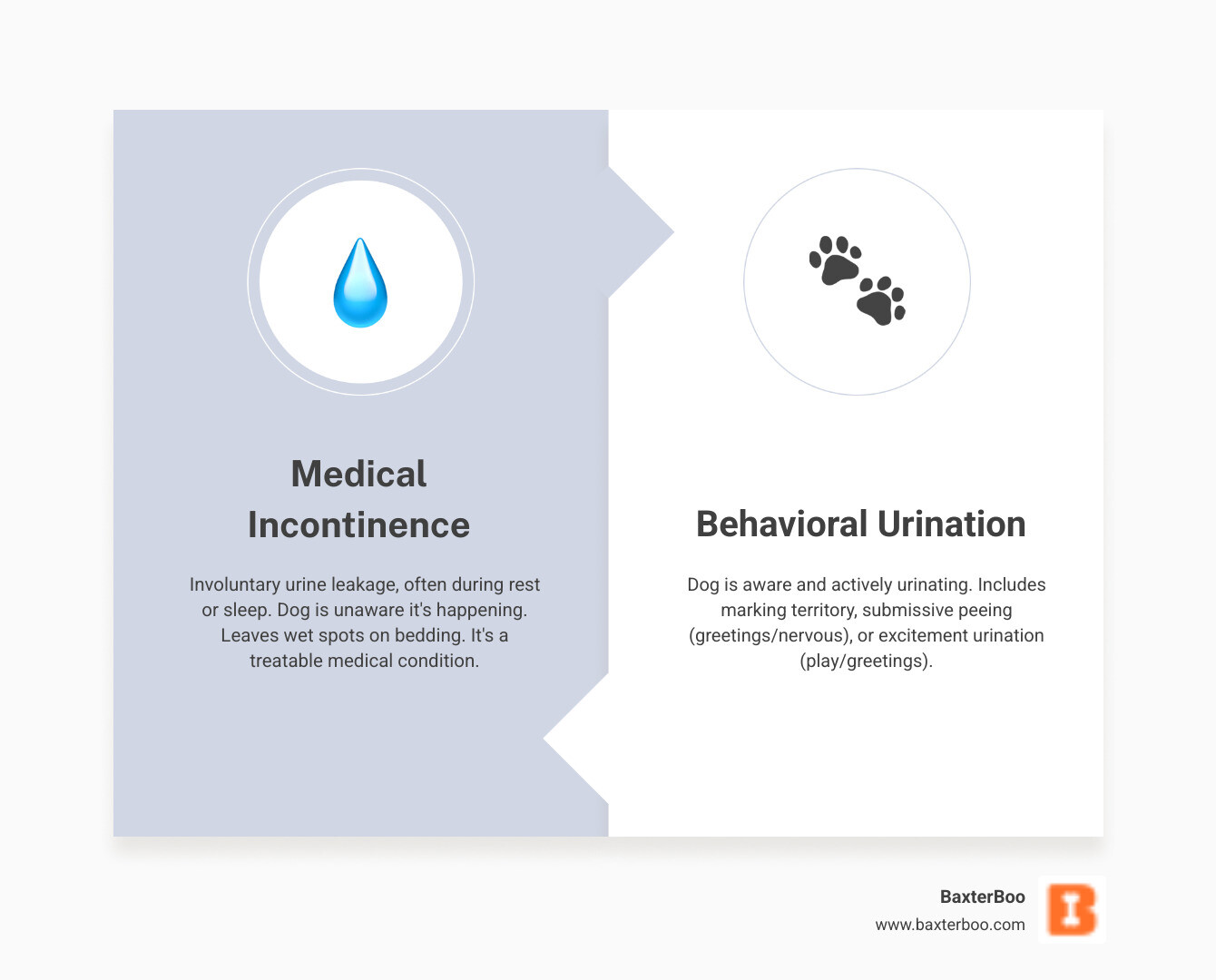
The good news is that urinary incontinence is almost always a treatable medical issue, not a behavioral problem or a sign of irreversible decline. The key is distinguishing true incontinence (involuntary leakage, often during sleep) from behavioral urination like marking or excitement peeing, where the dog is aware they are urinating.
This guide will help you recognize the signs, understand the causes, and learn about proven treatments that can restore your dog's comfort and dignity.
Understanding Canine Urinary Incontinence: Signs and Symptoms
Urinary incontinence is the involuntary leakage of urine. It's a medical issue, not a training problem—your dog loses bladder control without realizing it. A house-trained dog that suddenly leaves wet spots and seems surprised by them is a classic sign of bladder control dog incontinence.
What You'll Actually See
The most telling sign is involuntary urine leakage. You'll find wet spots on bedding where your dog has been sleeping or resting. They may dribble urine when standing up after a nap, often completely unaware it's happening. Instead of a large puddle, you'll see smaller, irregular patches.
Other common signs include:
- Dampness around the vulva or penis from constant, small leaks.
- Excessive licking of the genital area as your dog tries to clean themselves.
Constant contact with urine can cause urine scalding and skin irritation, leading to red, inflamed, or infected skin around the genital area, inner thighs, and abdomen. Early treatment is key to protecting your dog's skin health. For more on managing skin issues, see this resource on dog skin problems.
What Incontinence Is NOT
It's crucial to differentiate incontinence from other urinary issues. Bladder infections cause an urgent need to pee, but the dog is aware and actively trying to urinate. Behavioral urination (marking, submissive peeing, excitement urination) is also a conscious act, even if tied to an emotional response. With true incontinence, the leakage is passive and uncontrollable. Understanding this difference helps your vet make an accurate diagnosis.
Common Causes of Bladder Control Issues in Dogs
Urinary incontinence in dogs can stem from several underlying medical conditions that affect the bladder and urethra. Understanding the cause is the first step toward effective treatment for your bladder control dog.
Causes generally fall into a few categories: hormonal changes, anatomical defects, neurological problems, age-related decline, and other diseases.
Hormonal and Age-Related Factors
The most common cause is Urethral Sphincter Mechanism Incompetence (USMI), often called "spay incontinence." It affects over 20% of spayed females and is caused by an estrogen deficiency that weakens the urethral sphincter muscles, often appearing months or years after spaying. A similar testosterone deficiency can affect neutered males, though it's less common. Estrogen and testosterone are vital for maintaining the muscle tone that keeps the urethra closed.
Age is another major factor. As dogs get older, the muscles controlling the bladder naturally weaken, making seniors more susceptible to incontinence. Large breed dogs (over 33 pounds) are also at higher risk, possibly due to increased abdominal pressure on the bladder. You can find more scientific insights in this research on spay incontinence.
Anatomical and Congenital Problems
Some dogs are born with structural issues that cause incontinence. The most common is ectopic ureters, where the tubes from the kidneys bypass the bladder and connect elsewhere, causing constant urine dripping. A pelvic bladder, where the bladder sits too far back in the pelvis, can also weaken the sphincter's effectiveness. Other congenital abnormalities can also be a cause. For more on this, UC Davis has an excellent resource on ectopic ureters.
Neurological and Other Medical Conditions
Nerve signal disruption between the brain and bladder can cause incontinence. Key causes include:
- Spinal cord issues: Damage from trauma, Intervertebral Disc Disease (IVDD), or degenerative myelopathy can interrupt nerve signals.
- Brain diseases: Tumors or lesions in the brain can interfere with bladder control.
- Urinary tract infections (UTIs): Inflammation can cause involuntary bladder contractions and leakage.
- Bladder stones: These irritate the bladder lining, leading to leakage or urgent urination.
- Urinary tract cancer: Tumors can physically interfere with normal bladder function.
- Prostatic disease: In male dogs, an enlarged prostate can press on the urethra, causing dribbling.
- Endocrine diseases: Conditions like Diabetes and Cushing's disease cause excessive thirst and urination, leading to overflow incontinence. Other hormonal disorders like hypothyroidism or Addison's disease can also play a role.
Fortunately, most of these causes are treatable or manageable with proper veterinary care.
How Your Vet Diagnoses Bladder Control Dog Problems
If you see signs of involuntary urine leakage, it's time to see your veterinarian. Early diagnosis is crucial for effectively treating bladder control dog problems and preventing complications like skin infections. Most cases respond well to treatment, so don't delay. For tips on preparing for your visit, see WebMD's guide on taking your dog to the vet.
Your vet's diagnostic process will be systematic to pinpoint the cause:
-
History and Physical Exam: Your vet will start with a detailed conversation about your dog's symptoms, drinking habits, and overall health. This is followed by a thorough physical and neurological examination, including feeling the abdomen and bladder.
-
Urinalysis: This fundamental test analyzes a urine sample to check for infection, inflammation, crystals, and kidney problems. It helps rule out common issues quickly.
-
Urine Culture: If an infection is suspected, a culture identifies the specific bacteria and the most effective antibiotic to treat it.
-
Blood Work: A complete blood count (CBC) and chemistry panel provide a snapshot of your dog's overall health, helping to uncover systemic diseases like diabetes, kidney disease, or Cushing's disease that can cause urinary issues.
-
Imaging: If needed, your vet may recommend imaging. X-rays can reveal bladder stones or an abnormally positioned bladder. An abdominal ultrasound provides a more detailed look at the kidneys, bladder, and other organs to detect tumors or anatomical defects like ectopic ureters.
-
Advanced Diagnostics: For complex cases, contrast studies (using dye with X-rays) or a CT scan can provide highly detailed images of the urinary tract. In rare instances, urodynamic testing may be used to measure bladder pressure and urine flow directly.
This step-by-step process allows your veterinarian to identify the exact cause of the incontinence and create a targeted treatment plan.
Treatment and Management for a Dog with Bladder Control Problems
The most encouraging news is that most bladder control dog issues can be successfully treated or managed. Approximately 70% of cases respond well to medication alone, and the prognosis is generally positive with consistent treatment.

Treatment depends on the underlying cause identified by your vet.
Medical Treatments for Poor Bladder Control in a Dog
Medication is the first line of defense for USMI (hormone-related incontinence).
- Phenylpropanolamine (PPA): This is the most common medication for USMI. It works by tightening the urethral sphincter muscle and is effective in over 85% of cases.
- Hormone Supplements: For spayed females, Estriol (Incurin) or Diethylstilbestrol (DES) help restore estrogen levels that support urethral muscle tone. Testosterone injections can serve a similar purpose for some neutered males.
- Antibiotics: If a urinary tract infection is present, the right antibiotic can resolve the leakage by eliminating the bladder irritation.
Your vet may prescribe other drugs to manage underlying conditions like diabetes or to relax an overactive bladder. You can find more details on oral medications for USMI.
Surgical and Advanced Interventions
When medication isn't enough or a structural problem exists, surgery may be an option.
- Colposuspension/Urethropexy: These procedures reposition the bladder neck or urethra to help it close more effectively.
- Cystoscopic-guided collagen injections: In this minimally invasive procedure, a bulking agent is injected into the urethral wall to help it seal. It offers full continence to 68% of dogs and significant improvement to another 25%.
- Artificial urethral sphincter: For severe cases, this surgically implanted device provides controlled compression around the urethra.
- Ectopic Ureter Correction: Surgery or minimally invasive laser ablation is used to correct this congenital defect by re-routing urine flow into the bladder. Learn more about surgical correction of congenital abnormalities.
Home Management for a Dog with Bladder Control Issues
While pursuing treatment, home management is key for your dog's comfort and your home's cleanliness.
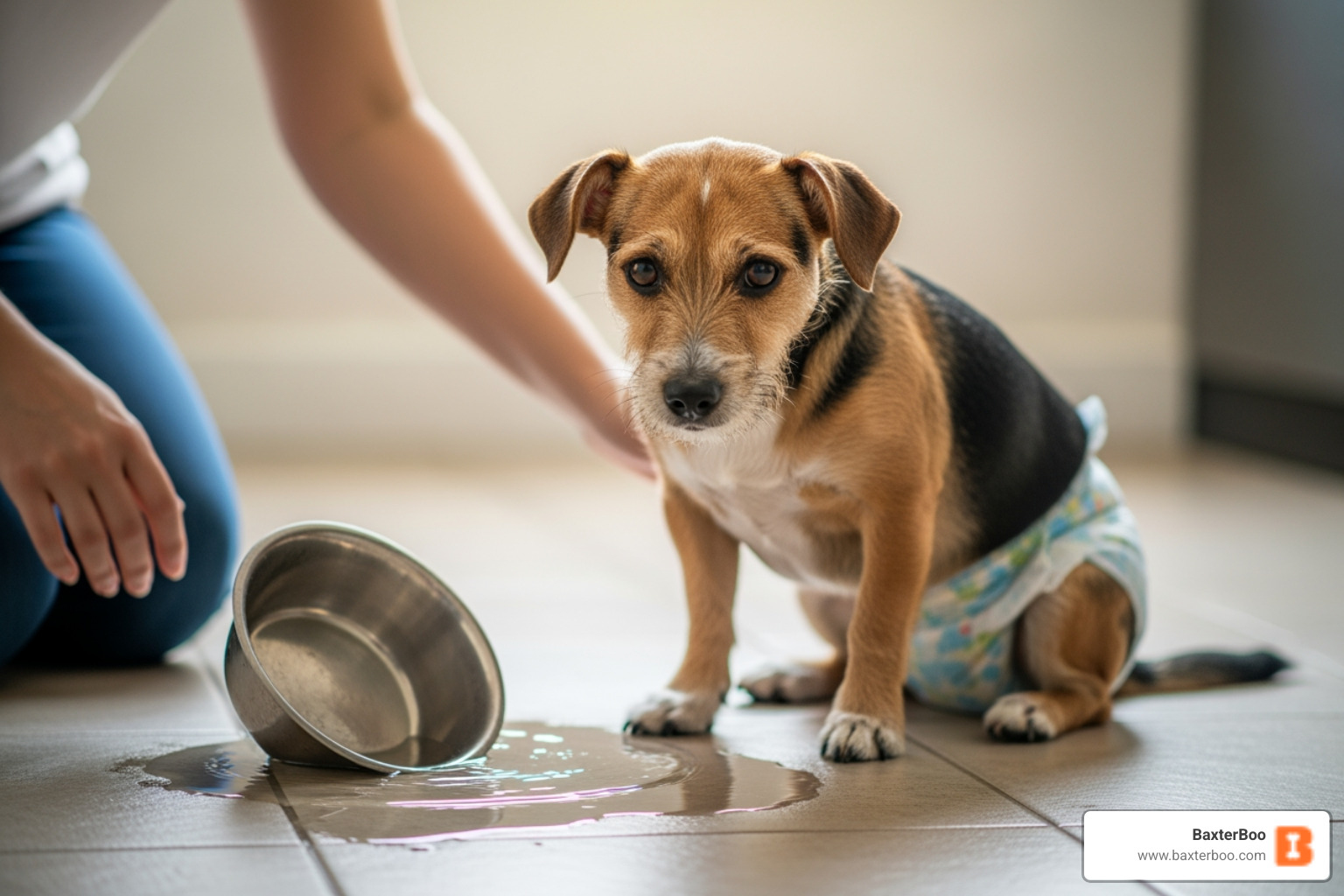
- Dog diapers and belly bands: These are essential for catching leaks and giving you peace of mind. Diapers work for females, while belly bands are designed for males.
- Waterproof blankets and bedding: Protect furniture and make cleanup simple.
- Frequent potty breaks: Take your dog out more often, especially after waking up and after meals, to keep their bladder empty.
- Proper hygiene: Gently clean your dog's genital area with pet-safe wipes to prevent painful urine scalding and skin infections.
- Enzymatic cleaners: Use these to eliminate urine odors from accidents, which prevents your dog from returning to the same spot.
At BaxterBoo, we offer products to help manage incontinence, which you can explore here: more info about dog diapers and pads.
Breeds and Risk Factors for Urinary Incontinence
While any dog can develop incontinence, certain factors increase the risk. Understanding these can help you monitor your dog for early signs of bladder control dog issues.
Key risk factors include:
- Being a Spayed Female: This is the most common risk factor. The drop in estrogen after spaying can weaken the urethral sphincter over time, leading to USMI.
- Being a Neutered Male: Though less common, a decrease in testosterone can have a similar effect in male dogs.
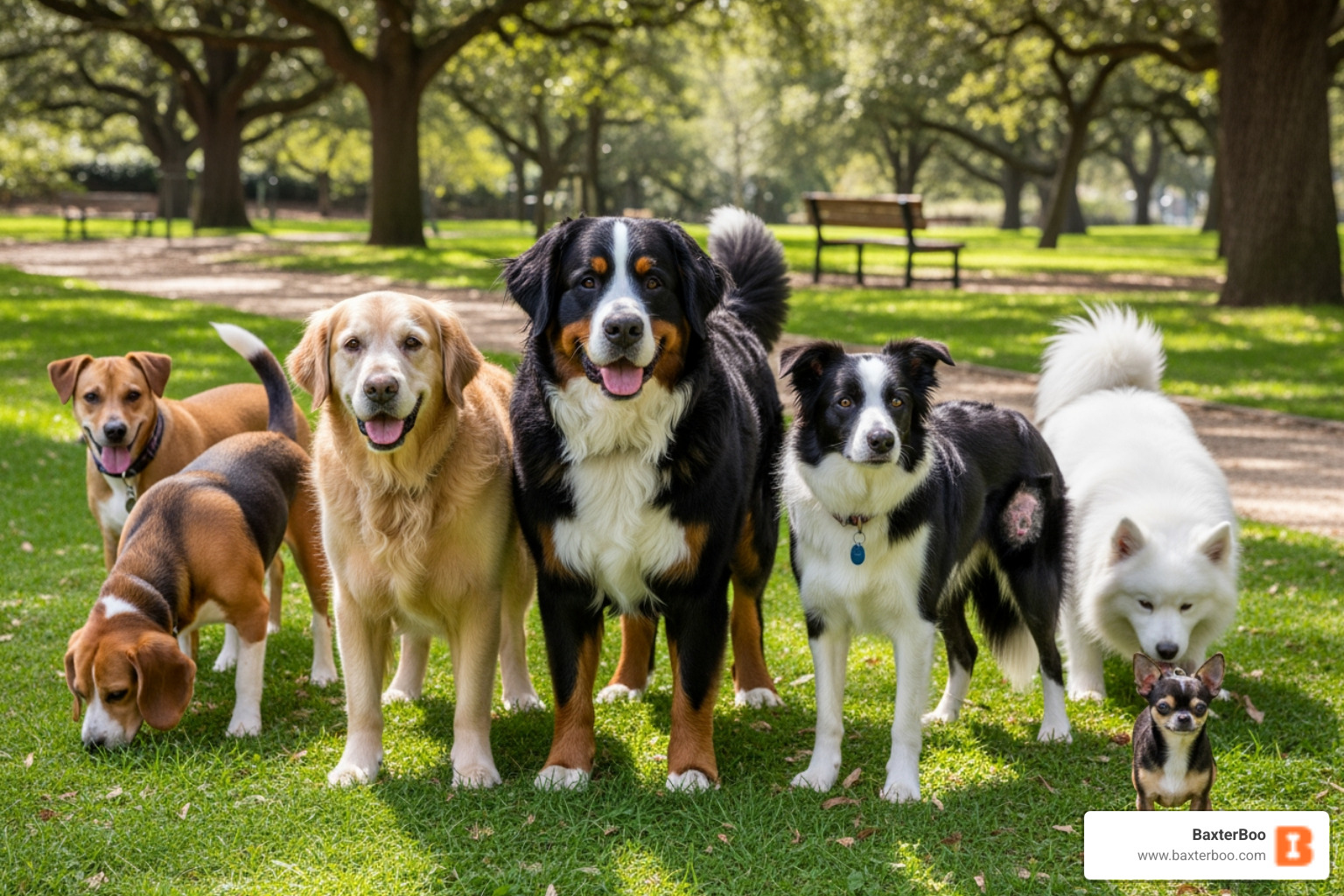
- Size and Weight: Large and giant breed dogs (over 33 lbs) are significantly more likely to develop incontinence. Obesity adds to this risk by putting extra pressure on the bladder.
- Age: As dogs enter their middle and senior years, the muscles controlling urination naturally weaken.
Certain breeds also have a genetic predisposition to urinary incontinence. Breeds with a higher documented incidence include:
- German Shepherds
- Doberman Pinschers
- Old English Sheepdogs
- Rottweilers
- English Springer Spaniels
- Weimaraners
- Boxers
- Bearded Collies, Collies, and Dalmatians
If your dog falls into one or more of these risk categories, be extra vigilant for signs like damp bedding or dribbling. Early detection makes treatment more effective and prevents complications like skin infections.
Conclusion
Dealing with a dog's bladder control issues can be stressful, but remember: urinary incontinence is a treatable medical condition, not a behavioral failure. It affects many dogs, especially spayed females and seniors, and stems from identifiable causes like hormonal changes, age, or other health problems.
Your veterinarian is your best partner in this journey. A proper diagnosis is the key to finding the right treatment, and the options are effective. About 70% of cases respond well to medications that strengthen the urethral sphincter. For other dogs, surgical procedures and advanced interventions can provide relief.
Home management is also crucial. Using dog diapers or belly bands, waterproof bedding, and maintaining a frequent potty schedule can dramatically improve your dog's quality of life—and yours. These simple acts preserve your dog's dignity and comfort.
If you've noticed any signs of involuntary leakage, schedule a vet appointment. Early action leads to better outcomes.
At BaxterBoo, we're passionate about supporting your pet's wellness. From diagnosis to management, we're here for you. Find vet-approved wellness products for your dog to help them stay healthy, comfortable, and happy.






