Save 15% on your 1st Autoship learn more

 Email us
 Live Chat
 FAQs
FAQs





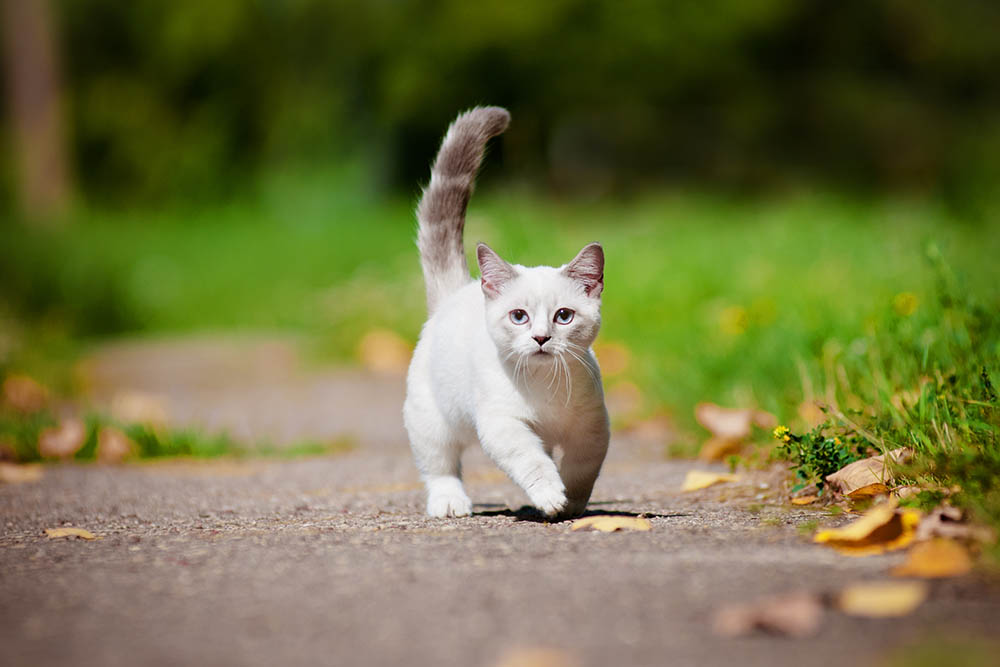
There is nothing cuter than a short-legged, long-bodied cat or kitten running toward you at full speed to cuddle or play a game with you. If you're looking for a high-energy, sociable breed of cat that would make an excellent pet, consider owning a Munchkin cat. Relatively new to the domestic pet world, these cats are exactly what you need in your life.
History of the Munchkin Cat
The short-legged cats known as Munchkin cats were barely known before the 1980s, although briefly mentioned prior to World War II. In the 1930s and 1940s, there were several sightings of what were then called kangaroo cats in the United Kingdom. During the war, the cat disappeared, with the next known report not coming until 1953 in Stalingrad, Russia. The cat then disappeared for another three decades before showing up again in 1982 in Rayville, Louisiana.
During the 1980s, the cats were called "babylegs." The term "Munchkin Cat" came about in 1990 when a cat geneticist named Dr. Solveig Plueger sent the cats to Good Morning America. When the show contacted the cats' owner, Sandra Hochenedel, to ask what the kittens were called, she quickly chose "Munchkins" after The Wizard of Oz. Today, the breed is thriving in the United States.
Physical Attributes of the Munchkin Cat
Munchkin cats have a very unique appearance, standing at only 5-7 inches tall and weighing in at less than 10 pounds. The cat, which has a lifespan of 12-15 years, has either a short or long coat that is shown in a wide range of patterns and colors. Patterns for a Munchkin cat's coat may include being bi-color, solid, calico, tabby, or a color point. Colors include: White, Black, Red, Orange/Blue, Gray, Silver Cream, Beige, Tan/Chocolate, Lavender, Brown, Sable, Fawm, Lilac, Cinnamon.
Munchkin cats have long bodies that are similar to that of dachshunds. Their walnut-shaped eyes and triangular ears round out the breed's notable physical traits.
Typically, Munchkin cats are quite healthy. However, like most breeds of cats, they can develop issues as they get older. Some of the more common ones include urinary tract infections, heart problems, or pancreatitis. Due to their short legs, it's important to avoid obesity in this breed, which means that you need to be sure they are exercising and that you are not overfeeding food or treats. Because the breed is relatively new, there is no long-term research to determine whether the short legs and long body may cause spinal problems or other health issues.
When feeding your Munchkin cat, it is important to consider his overall nutrition and feeding needs. Cats need 41 specific nutrients to thrive. The proportion of the nutrients depends on your cat's overall health, age, and lifestyle. Keep in mind the quantity of food, the quality of the brand, and whether your cat prefers dry or wet options.
Personality Traits of the Munchkin Cat
Munchkin cats are known for being excellent family pets that get along well with children, seniors, other cats, and dogs. These active, friendly cats are highly curious and love exploring the world. If you've always wanted to walk a cat, grab a cat harness and leash because this breed is just curious enough to love walks around the neighborhood. Munchkin cats are known for remaining kitten-like and fun-loving throughout their lives, so expect to invest in lots of cat toys. Sociable and intelligent, these confident felines are extroverted for life. Expect to find their toys in random places, as these cats love hoarding their favorite objects to come back to them later. Because they are so naturally curious and energetic on their own, you won't need to worry about exercising them much, although they'll never turn down a good game with their owners.
Expectations When Owning a Munchkin Cat
As long as they have room to run and play indoors, Munchkin cats thrive in most indoor living situations. The highly active and energetic breed can play alone or with others but will often get the "zoomies" and run throughout the house. Despite having such short and stubby legs, Munchkin cats are quite fast and climb well, often able to jump to the tops of things in a single leap. If you want your Munchkin to explore more safely, invest in a tall cat tree that has a low entry point. The easygoing breed is an excellent family pet.
Choosing the right breeder is essential for ensuring you have a happy and healthy Munchkin cat. Know that a reputable breeder will follow a breeding code of ethics that means not selling to wholesalers, online stores, or pet stores. The right breeder will have proof of performing health certifications.
Grooming a Munchkin Cat
Even with long hair, grooming a Munchkin cat is usually relatively easy. You can brush short-haired cats once per week. Brush long-haired Munchkin cats at least twice per week to prevent their coats from tangling. Because these cats have such short legs, it can be difficult for them to maintain their own hygiene. It's a good idea to bathe your Munchkin cat on occasion to help them stay clean. You should also regularly trim your cat's nails and ensure you clean its ears out.
Muchkin cats are high-energy but high on love as well. With one of these cats in your home, you'll never need to worry about having a pet that is too independent to want to spend time with you. Purchase from a reputable breeder or go to a cat rescue to ensure that you are making a responsible and ethical buying decision.