Save 15% on your 1st Autoship learn more

 Email us
 Live Chat
 FAQs
FAQs





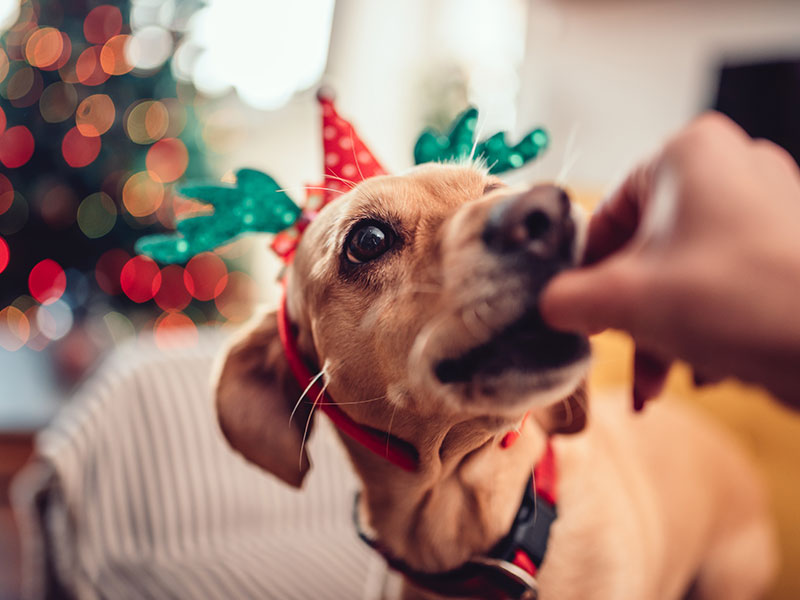
As the holidays draw close, everyone’s thoughts usually turn to all the delicious foods that abound this time of year like turkey, ham, cake, puddings and cookies. Chances are your pet is just as interested once you put that turkey in the oven or start decorating cookies, but as much as you probably enjoy indulging your dog or cat around the holiday, there are a few foods that can make them sick or even poison them, and knowing what they are as you prepare your Christmas goodies can help you keep your beloved animals safe.
1. Dairy Products
Whipped cream, eggnog and other dairy products may make your dog or cat ill, as most cannot ingest it properly. While some dogs seem to enjoy cheese, some dogs are born with different types of allergies that make it difficult to digest.
If your dog likes the taste of cheese, consider buying him a cheese-flavored snack designed especially for dogs, such as Himalayan Yaky Puff Dog Treats . This dog goodie is lactose-free, which may help your pet digest it easier.
2. Chocolate
Chocolate is a popular Christmas treat, whether your neighbors exchange boxes of these treats with you or you stuff your kids’ stockings with chocolate snowmen. However, sharing any kind of chocolate with your dog or cat can make it very sick, especially in the case of dark chocolate. In fact, darker chocolates can poison your pet in large quantities, so remember to put those candy boxes and stockings well out of reach.
All-natural dog treats are a fine alternative for the chocolate goodies your pet might be craving, such as Bocce’s Bakery Crispies . These treats, which come in a bacon and banana flavor, are wheat-free and free of artificial flavors. Stuff your pet’s stockings with yummy treats like these and avoid toxic selections like chocolate.
3. Turkey Bones
While your dog might be begging for a taste of that delicious holiday turkey, offering him even the larger bones could be dangerous. Cooked turkey bones are more likely to splinter and lodge in the throat and intestines. Smaller bones also pose a choking hazard for cats, even though both pets are fond of meat.
If you want to indulge your pets in a bit of holiday turkey, offer white meat and sweet potatoes in their individual dishes once the meal is over. Break up the meat for cats to make it simpler to manage and make sure any servings you offer are at a comfortable temperature for your pets so they do not get burned.
4. Candy
Dogs and cats are often curious about the contents of your kids’ Christmas stockings, including the candy that may be inside. While cats are less likely to have much interest in candy, dogs might crunch up any they find or steal candy canes off the Christmas tree when they can reach them. Encourage your kids to store their candy out of reach by hanging their stockings up high or putting them away in their rooms. The less temptation the candy offers, the less likely your dog might be to search it out.
Candy-shaped toys can give your dog a reason to celebrate. Offer him a Twisted Candy Cane dog toy, which features a soft, fuzzy exterior and a fun squeaker for playtime. A stocking full of toys like this can make your pet’s holiday both safe and enjoyable, and it just might distract him from the real candy canes on the tree as well.
5. Bacon
Big family holiday breakfasts usually include generous portions of bacon, which your dog would probably love to gobble down. While you might be tempted to give your pets a strip or two, it is wise to avoid this practice, as the grease and other ingredients in bacon could cause an attack of pancreatitis, which can be fatal in severe cases.
If your pup craves bacon, there are many bacon-flavored treats on the market that may satisfy him. A smoked treat created especially for the holidays can make for a special surprise, allowing you to indulge your dog a bit without endangering his liver. Remember to offer these treats in moderation to avoid indigestion and vomiting, especially in puppies and young dogs.
6. Stuffing
While bread stuffing may seem harmless for your pet, it usually contains onions, garlic and chives, ingredients that can cause both cats and dogs severe stomach upset. In large quantities, it can even cause blood cell damage. While you can offer your pets a small quantity of white meat with no gravy, skip the stuffing and offer a spoonful of unseasoned cooked sweet potato instead. Remind the family about the dangers of these spices and ask that they not slip your dog food under the table during dinner.
7. Alcohol
While you are not likely to offer your dog or cat a drink, animals are naturally curious and might make a few liberal laps from a glass while your back is turned. Alcohol can cause a variety of symptoms in your pet, including:
-
Tremors or shaking of the limbs
-
Rapid breathing
-
Confusion
If your pets happen to drink any alcohol, you may want to contact your vet about these symptoms right away.
Your pets are an important part of the family, which means you will probably want to include them in the holiday festivities. Knowing what to offer your pet from the dinner table and what might harm them can make sure you both enjoy Christmas safely.