
 Save 15% on your 1st Autoship learn more

 Email us
 Live Chat
 FAQs
FAQs






Understanding Benadryl for Dog Allergies: A Quick Guide
Benadryl for dog allergies is a common over-the-counter solution many pet parents reach for when their furry friends start scratching, sneezing, or showing signs of allergic reactions. If you're losing sleep from your dog trying to scratch away their discomfort, you're not alone—allergies are one of the most common health issues affecting dogs today.
Quick Answer: Can You Give Your Dog Benadryl for Allergies?
Yes, but with important precautions:
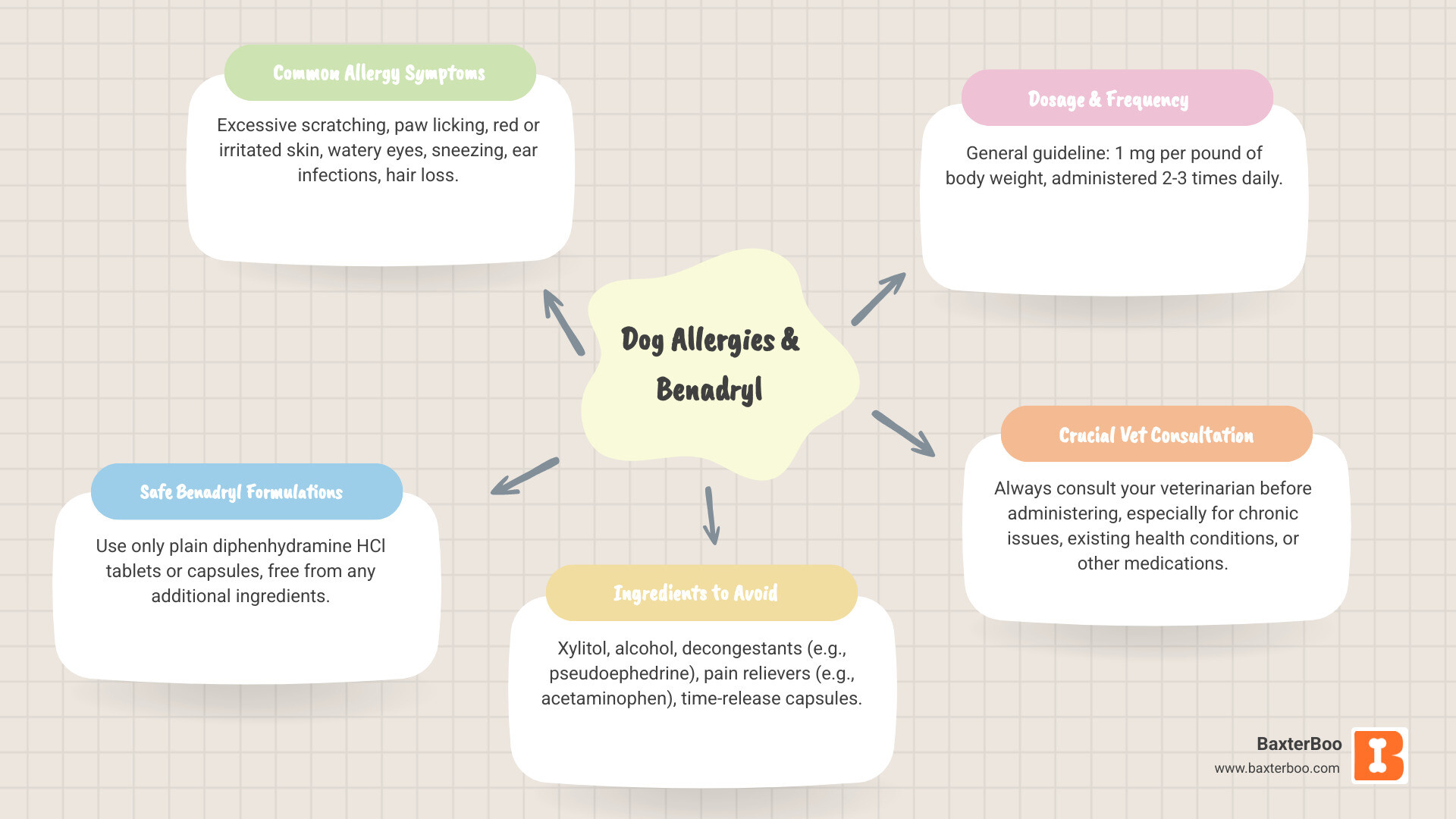
- Dosage: 1 mg per pound of body weight, 2-3 times daily
- Safe for: Mild allergic reactions, itching, hives, insect bites
- Must use: Plain diphenhydramine only (no added ingredients)
- Always avoid: Xylitol, alcohol, decongestants, or combination formulas
- Consult your vet first: Especially if your dog has health conditions or takes other medications
Important: Benadryl works best for acute (sudden) allergic reactions like hives or swelling. Current evidence shows it provides little benefit for chronic skin allergies that many dogs experience year-round.
The active ingredient in Benadryl is diphenhydramine, an antihistamine that blocks histamine receptors in your dog's body. While it can provide relief for certain allergy symptoms, it's not a cure-all solution. Many dogs with ongoing allergies need more comprehensive treatment plans.
Before giving your dog any medication—even something as common as Benadryl—understanding the proper dosage, which formulations are safe, and when to seek veterinary care is crucial for your pet's safety and wellbeing.
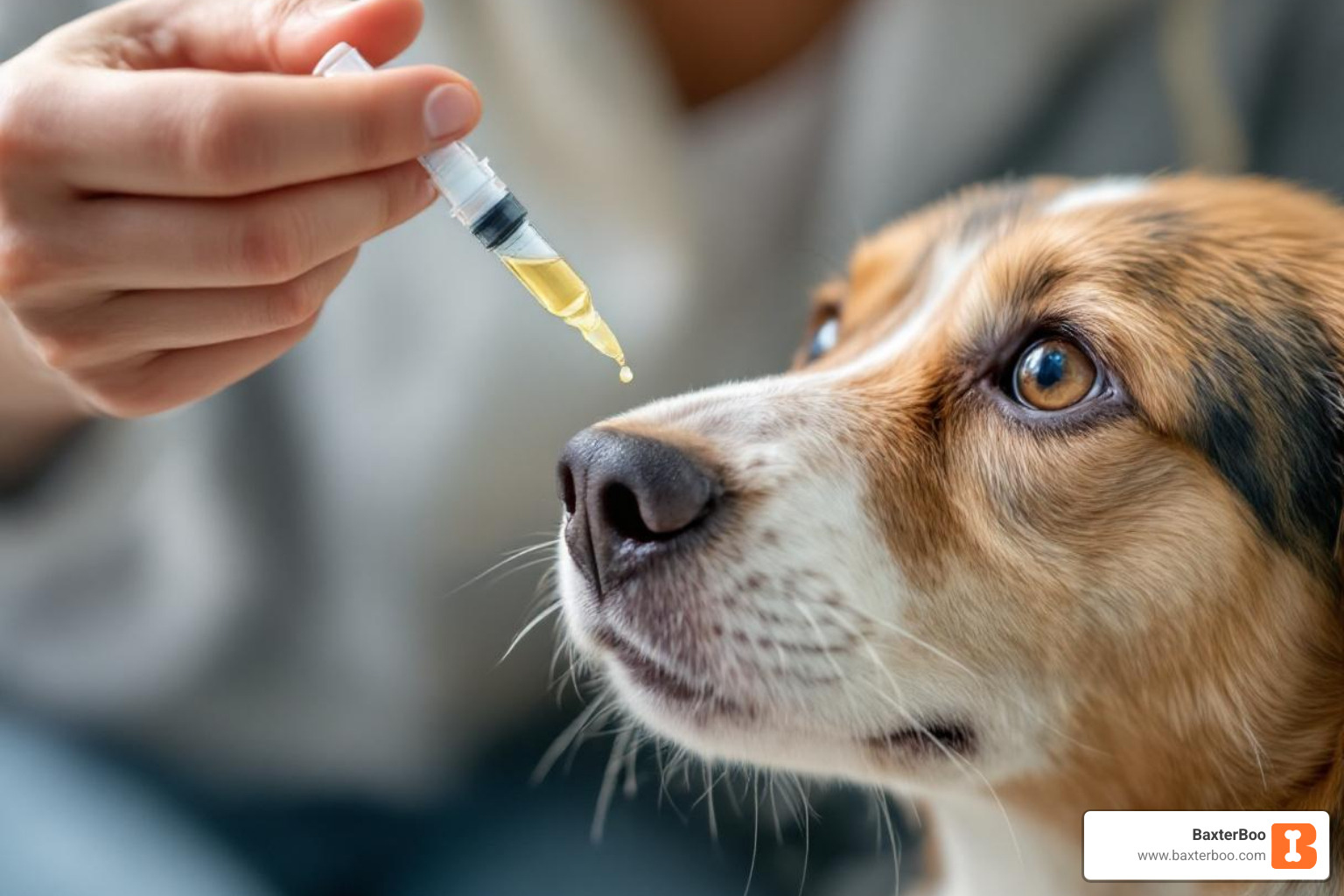
When our beloved canine companions are suffering from allergies, our hearts ache right along with their itchy skin. It’s natural to want to provide them with quick relief, and Benadryl for dog allergies often comes to mind. But how exactly does this human medication work for our furry friends, and what do we need to know to use it safely and effectively? Let’s dive into the details, ensuring we’re making the best, most informed decisions for our dogs' health.
1. What Benadryl Is and How It Works for Allergies
At its core, Benadryl is a brand-name product containing the active ingredient diphenhydramine. This powerful compound belongs to a class of medications known as antihistamines, specifically a first-generation ethanolamine-derivative antihistamine. Think of it as a tiny shield that blocks your dog’s cells from reacting to histamine, the chemical culprit behind many allergic reactions.
Histamine is naturally released by the body in response to an allergen (like pollen, insect venom, or certain foods). When histamine binds to specific receptors on cells, it triggers the familiar symptoms of allergies: itching, swelling, redness, and inflammation. Diphenhydramine works by preventing histamine from binding to these cells, reducing the allergic response. It’s a bit like putting a cork in the bottle before the fizzy reaction gets out of control!
One of the defining characteristics of first-generation antihistamines like diphenhydramine is their ability to cross the blood-brain barrier. This means they can reach the central nervous system, which is why a common side effect of Benadryl is drowsiness. While this can be a welcome side effect for an anxious or overly itchy dog, it's also a key factor in understanding its effects and potential risks. This ability to cross the blood-brain barrier makes them very effective but also increases certain risks, which we’ll discuss further down.
For more in-depth information on how these medications function, you can explore resources on antihistamines that can cross the blood-brain barrier.
2. Allergy Symptoms Benadryl Can Help Relieve
While Benadryl isn't a magic bullet for all dog allergies, it can be quite effective for certain types of reactions. We've found it most helpful for sudden, short-term (acute) allergic reactions. Imagine your dog having an unexpected run-in with a bee or getting into some irritating plant in the yard—that's where Benadryl can shine.

Here are some of the allergy symptoms Benadryl for dog allergies can help alleviate:
- Itching (Pruritus): This is often the most noticeable symptom. Benadryl can help reduce generalized itching, especially if it's sudden and intense.
- Hives (Urticaria): These are raised, itchy welts on the skin that can appear rapidly after exposure to an allergen. Benadryl is a go-to for these.
- Swelling: If your dog experiences mild facial swelling, particularly around the muzzle, lips, or eyes, Benadryl can help reduce it.
- Sneezing and Runny Nose/Eyes: For dogs with mild environmental allergies that cause these "hay fever" type symptoms, Benadryl may offer some relief.
- Mild Reactions to Insect Bites/Stings: A bee sting or spider bite can cause localized swelling and discomfort. Benadryl can help manage these acute allergic reactions.
- Mild Vaccine Reactions: Some dogs might have a mild allergic reaction to a vaccine, such as localized swelling or itchiness. Benadryl can be used as a pre-treatment or treatment in these cases, always under veterinary guidance.
It’s crucial to understand the distinction between acute and chronic allergies. While Benadryl can provide temporary relief for acute reactions, it's generally not the best solution for chronic, ongoing allergies. Many dogs suffer from chronic allergic skin disease (atopic dermatitis) caused by environmental factors, food, or fleas. For these conditions, the itch is often driven by other chemical signals in the body, like IL-31, which antihistamines like Benadryl don't effectively block. So, if your dog is constantly scratching, licking their paws, or having recurrent ear infections, Benadryl might offer minimal relief, and a vet visit is definitely in order for long-term management.
3. Calculating the Correct Benadryl Dosage for Your Dog
Getting the dosage right is perhaps the most critical step when considering Benadryl for dog allergies. We cannot stress this enough: always consult your veterinarian before administering any medication to your dog, including Benadryl. Your vet can provide precise guidance based on your dog's specific health, weight, and any other medications they may be taking.
However, for informational purposes, a commonly cited guideline from the Merck Veterinary Manual recommends administering 2-4 milligrams (mg) of Benadryl per kilogram (kg) of body weight, two to three times a day. If you’re like us and prefer to work with pounds, this translates to approximately 0.9–1.8 milligrams (mg) of Benadryl per pound of body weight. A practical, easy-to-remember guideline that many veterinarians suggest is 1 mg of Benadryl per pound of your dog’s weight, given two to three times a day.
To make this a little clearer, here’s a handy table based on the 1 mg per pound guideline:
| Dog's Weight (lbs) | Recommended Dosage (mg) | Maximum Dosage (mg) (approx. 2mg/lb) |
|---|---|---|
| 5 | 5 | 10 |
| 10 | 10 | 20 |
| 20 | 20 | 40 |
| 30 | 30 | 60 |
| 40 | 40 | 80 |
| 50 | 50 | 100 |
| 75 | 75 | 150 |
| 100 | 100 | 200 |
Frequency of Administration: Benadryl's effects typically last between 8 to 12 hours, so it can be given every eight to twelve hours, or two to three times per day.
How to Administer: Most dogs will readily take a pill hidden in a treat or a small amount of food. We've found that products like Greenies Pill Pockets can be incredibly helpful for this! If your dog is particularly finicky, your veterinarian might be able to prescribe a liquid form or a compounded medication with a flavor they enjoy.
This table is a general guideline. Your individual dog's age, overall health, and specific condition will influence the precise dosage and frequency. Always confirm with your veterinarian first!
4. Choosing the Right Benadryl for Dog Allergies
This is a critical section, as not all Benadryl products are created equal when it comes to our dogs. The wrong formulation can be incredibly dangerous, even toxic. When choosing Benadryl for dog allergies, your mantra should be: read the label, read the label, read the label! We need to ensure the product contains ONLY plain diphenhydramine HCl as the active ingredient.
Safe Benadryl Formulations for Dogs
When your veterinarian gives you the green light to use Benadryl, here are the safest forms to look for:
- Tablets and Capsules: These are generally the easiest to dose accurately. Benadryl tablets typically come in 25 mg or 50 mg strengths. Children's chewable tablets, usually 12.5 mg, can also be a good option for smaller dogs, but again, check the ingredients carefully.
- Xylitol-Free Liquid: If your dog struggles with pills, a liquid formulation might seem appealing. However, it is absolutely essential to ensure it is xylitol-free and alcohol-free. Always double-check the ingredient list. Some children's liquid Benadryl comes in concentrations like 2.5 mg/ml, which can be useful for precise dosing in very small dogs, but only if it's free of harmful additives.
- Hiding Pills: For tablets and capsules, a little trickery goes a long way! We often recommend hiding pills in a small piece of cheese, peanut butter (xylitol-free, of course!), or a specialized treat. At BaxterBoo, we offer various easy-to-administer treats that can make pill time a breeze for you and your pup.
- Compounded Medications: In some cases, your vet might recommend a compounded formulation of diphenhydramine. These are custom-made medications prepared by a pharmacy to your pet's specific needs, often in a palatable liquid or chew form with precise dosing.
Dangerous Ingredients to Avoid in Benadryl for dog allergies
This is where vigilance is key. Many human Benadryl products are combination formulas designed to treat multiple symptoms (like cold, flu, or pain relief) and contain ingredients that are highly toxic to dogs. Never use these products for your dog.
Here’s a list of ingredients that are toxic to dogs and must be avoided:
- Xylitol: This artificial sweetener is found in many sugar-free products, including some liquid medications and chewable tablets. Xylitol is extremely toxic to dogs, causing a rapid drop in blood sugar, liver failure, and even death.
- Alcohol: Liquid formulations sometimes contain alcohol, which can be harmful to dogs, even in small amounts.
- Decongestants (e.g., Pseudoephedrine, Phenylephrine): These are common in "multi-symptom" cold and allergy medications. Decongestants can cause severe neurological and cardiovascular problems in dogs, including agitation, seizures, increased heart rate, and high blood pressure.
- Pain Relievers (e.g., Acetaminophen, Ibuprofen, Naproxen): Human pain relievers like acetaminophen (Tylenol) and NSAIDs (Advil, Aleve) are frequently added to allergy medications. Acetaminophen is highly toxic to dogs, causing liver damage and red blood cell damage. Ibuprofen and naproxen can cause gastrointestinal ulcers and kidney failure.
- Time-Release Capsules: Never use time-release or extended-release capsules for dogs. These formulations are designed to release medication slowly over time in the human digestive system. Dogs metabolize drugs differently, and these capsules can be absorbed unpredictably, potentially leading to an overdose if the entire dose is released at once or if the capsule is chewed.
Before giving your dog Benadryl, it’s important to carefully read the entire ingredients list, not just the "active ingredients" section. If you see any ingredient other than diphenhydramine HCl, or if you are unsure, do not give it to your dog and consult your veterinarian.
5. Recognizing Potential Side Effects and Overdose Risks
Even when used correctly, Benadryl for dog allergies can have side effects. Most are mild, but it's important to know what to look for and when to be concerned.
Common Side Effects:
- Drowsiness/Sedation: This is the most common side effect and often the desired one for overly itchy or anxious dogs. Your dog might seem sleepy, lethargic, or a bit uncoordinated.
- Dry Mouth: You might notice your dog yawning more, or their gums appearing less moist.
- Urinary Retention: In some cases, Benadryl can make it harder for your dog to urinate.
- Mild Gastrointestinal Upset: Less commonly, dogs might experience mild vomiting or diarrhea, or a decreased appetite.
- Agitation/Hyperactivity: While Benadryl usually causes sedation, some dogs (and even cats) can have a paradoxical reaction, becoming agitated, restless, or even hyperactive.
Signs of an Overdose:
While Benadryl overdoses are uncommon when the correct dosage is followed, they can be serious. If you suspect your dog has ingested too much Benadryl, or if you notice any of these severe symptoms, contact your veterinarian or an animal poison control center immediately.
Signs of a Benadryl overdose can include:
- Hyperactivity/Agitation: This is a more severe form of the paradoxical reaction, where the dog is excessively restless, pacing, or unable to settle.
- Disorientation and Incoordination: Your dog might seem confused, stumble, or have difficulty walking straight.
- Rapid Heartbeat (Tachycardia): You might notice their heart racing.
- Dilated Pupils: Their pupils may appear unusually large.
- Tremors or Muscle Twitching: Involuntary muscle movements.
- Seizures: This is a severe neurological symptom.
- Difficulty Breathing: Labored or very shallow breathing.
- Constipation: Due to the anticholinergic effects.
If you suspect an overdose, do not wait. Immediate veterinary attention is crucial. You can reach the Pet Poison Helpline at (855) 764-7661 or the ASPCA Animal Poison Control at (888) 426-4435. Keep these numbers handy!
6. When to See a Vet and What Alternatives to Use
While Benadryl for dog allergies can be a helpful tool in our pet first-aid kit, it's not a substitute for professional veterinary care. Knowing when to consult a vet is paramount for your dog's long-term health and comfort.
When to See Your Vet:
- Chronic Allergies: If your dog's allergies are ongoing, seasonal, or persistent, Benadryl is unlikely to provide lasting relief. For long-term management, a proper diagnosis and comprehensive treatment plan from your vet are essential. Antihistamines are generally not the best option for chronic allergic skin disease.
- Severe Reactions:While Benadryl can help with mild acute reactions, any sign of a severe allergic reaction requires immediate veterinary attention. These include:
- Rapid and significant facial swelling (especially around the eyes, muzzle, or throat).
- Difficulty breathing, wheezing, or choking.
- Vomiting, severe diarrhea, or excessive drooling.
- Weakness, collapse, or pale gums (signs of anaphylaxis).
- Uncertainty: If you’re unsure about the cause of your dog’s symptoms, the correct dosage, or if Benadryl is safe for your dog due to existing health conditions or medications, always err on the side of caution and consult your vet. Symptoms like persistent itching or red eyes could indicate more serious underlying conditions, such as glaucoma or infections, which Benadryl won't treat.
- Lack of Improvement: If your dog's symptoms don't improve or worsen after administering Benadryl, it's time to call the vet.
- Adverse Reactions: If your dog exhibits any concerning side effects after taking Benadryl, contact your veterinarian right away.
Your veterinarian can help determine the underlying cause of your dog's discomfort, which is the first step toward effective relief. They can also provide guidance through virtual consultations in some locations, offering convenient and timely care for issues like itchy skin or allergy flare-ups.
Exploring Alternatives to Benadryl for dog allergies
For many dogs, especially those with chronic allergies, Benadryl is just a temporary band-aid. Thankfully, there are many more effective alternatives and strategies for managing dog allergies:
- Veterinary-Prescribed Medications:Your vet has access to a range of powerful and targeted medications that are much more effective for allergic itch than Benadryl. These include:
- Apoquel (Oclacitinib): A fast-acting oral medication that targets the specific itch pathway in dogs.
- Cytopoint (Lokivetmab): An injectable antibody that specifically targets and neutralizes IL-31, a key protein responsible for allergic itch in dogs. It typically provides about a month of relief with a single injection.
- Corticosteroids: Medications like prednisone can rapidly reduce inflammation and itch, but they come with significant side effects with long-term use and are typically reserved for severe flare-ups or when other options aren't suitable.
- Other Antihistamines: While Benadryl is a first-generation antihistamine, newer generation antihistamines like Zyrtec (cetirizine) or Claritin (loratadine) are sometimes recommended by vets, often with fewer sedative side effects, though their effectiveness for chronic canine allergies can still be limited.
- Allergy Management Plans:For long-term relief, your vet might recommend a multi-modal approach, which could include:
- Immunotherapy: Often called "allergy shots" or "allergy drops," this involves gradually exposing your dog to increasing amounts of the specific allergens they react to, helping their immune system build tolerance.
- Dietary Management: For food allergies, a prescription hydrolyzed protein diet or a novel protein diet is essential.
- Flea Control: Even if your dog isn't overtly allergic to fleas, strict, year-round flea prevention is crucial, as flea bites can exacerbate other allergies.
- Medicated Shampoos and Topical Treatments: For itchy skin, medicated shampoos can provide soothing relief, reduce inflammation, and treat secondary skin infections. Sprays, mousses, and gels can also be applied directly to irritated areas.
- Dog Supplements:Many supplements support skin health and reduce allergic reactions. Look for ingredients like:
- Omega-3 Fatty Acids (Fish Oil/Salmon Oil): These have anti-inflammatory properties that can improve skin barrier function and reduce itchiness.
- Probiotics: A healthy gut microbiome can positively influence immune response and reduce allergy symptoms.
- Colostrum: Supports immune system health.
- Quercetin and Turmeric: Natural anti-inflammatory and antihistamine compounds. At BaxterBoo, we offer a curated selection of dog supplements and skin and coat health products designed to support your dog’s overall wellness and help manage allergy symptoms naturally.
Working closely with your veterinarian to create a custom allergy management plan is the best way to ensure your dog lives a happy, comfortable, and itch-free life.
Frequently Asked Questions about Benadryl for Dogs
We hear a lot of questions from concerned pet parents about Benadryl for dog allergies, so let's tackle some of the most common ones.
How quickly does Benadryl start working for dog allergies?
When given orally, Benadryl typically starts working fairly quickly. We usually see the onset of its effects within 30 to 60 minutes after administration. The peak effectiveness generally occurs within 1-2 hours. The duration of its effects lasts for about 8 to 12 hours, which is why it’s often recommended to be given two to three times a day. If your dog has an acute reaction like hives, you should start to see some relief within that first hour.
Can I use Benadryl for my dog's anxiety or motion sickness?
This is a common question, and the answer is a bit nuanced.
- For Anxiety: Benadryl does have a sedative effect due to its ability to cross the blood-brain barrier. This drowsiness can sometimes help to calm anxious dogs, making it useful for mild, temporary stress, like a short car ride or a stressful grooming appointment. However, it's generally not effective for treating underlying anxiety disorders in dogs, such as separation anxiety or severe noise phobias. In some cases, dogs can even have a paradoxical reaction, becoming more agitated or hyperactive instead of sedated. If your dog struggles with anxiety, we encourage you to talk to your veterinarian. More effective prescription medications (like Clomicalm, Reconcile, or Sileo), behavioral training, and tools such as dog anxiety vests and calming diffusers are often better solutions.
- For Motion Sickness: Yes, Benadryl can help relieve symptoms of mild-to-moderate motion sickness in dogs. It works by affecting the chemoreceptor trigger zone in the brain and reducing the vestibular apparatus's response to motion, which contributes to nausea and vomiting. While it can be helpful, prescription medications like Cerenia are often more effective for severe motion sickness. You can also consider using a dog travel crate to help your dog feel more secure during car rides.
Are there other conditions Benadryl is used for in dogs?
Beyond allergies, anxiety, and motion sickness, veterinarians may use Benadryl for a couple of other specific conditions:
- Mast Cell Tumors: Dogs with mast cell tumors can experience significant histamine release, especially if the tumor is agitated or removed. Veterinarians often prescribe Benadryl for dogs with mast cell tumors to help mitigate the effects of this massive histamine release, reducing symptoms like localized swelling and itching.
- Pre-Medication for Certain Procedures or Treatments: Sometimes, Benadryl is used as a pre-treatment to reduce the risk of allergic reactions to other medications or procedures. For instance, veterinarians sometimes prescribe diphenhydramine during heartworm treatment, as it helps reduce the risk of an allergic reaction to the heartworm medication itself.
In all these cases, the use of Benadryl is under the direct guidance and prescription of a veterinarian.
Conclusion
Navigating pet allergies can be challenging, but understanding the role of Benadryl for dog allergies is a great first step in providing relief for your furry friend. We've learned that Benadryl, with its active ingredient diphenhydramine, is a first-generation antihistamine that can be a valuable tool for acute allergic reactions like hives, swelling, and mild itching. It can also offer some relief for motion sickness and, less effectively, mild anxiety.
However, the key takeaway is that Benadryl is a temporary solution, not a cure, and its use must always be approached with caution. Precise dosage based on your dog's weight, careful selection of plain diphenhydramine formulations (avoiding toxic additives like xylitol, alcohol, or other pain/cold medications), and vigilant monitoring for side effects are non-negotiable.
Most importantly, we cannot overstate the importance of veterinary guidance. Your vet is your best partner in diagnosing the root cause of your dog's allergies and developing a comprehensive, long-term management plan that may include more targeted prescription medications, immunotherapy, medicated shampoos, or supportive supplements.
At BaxterBoo, we are committed to your pet's wellness. While Benadryl can be a helpful short-term aid, prioritizing professional veterinary care and exploring a full spectrum of solutions will ensure your beloved companion receives the most effective and safest treatment for their allergies.
Explore our full range of dog health and wellness products to find everything you need to support your dog’s health, from supplements to grooming essentials, all curated with expertise and care. Together, let's keep those tails wagging and those paws happy!






