
 Save 15% on your 1st Autoship learn more

 Email us
 Live Chat
 FAQs





Introduction
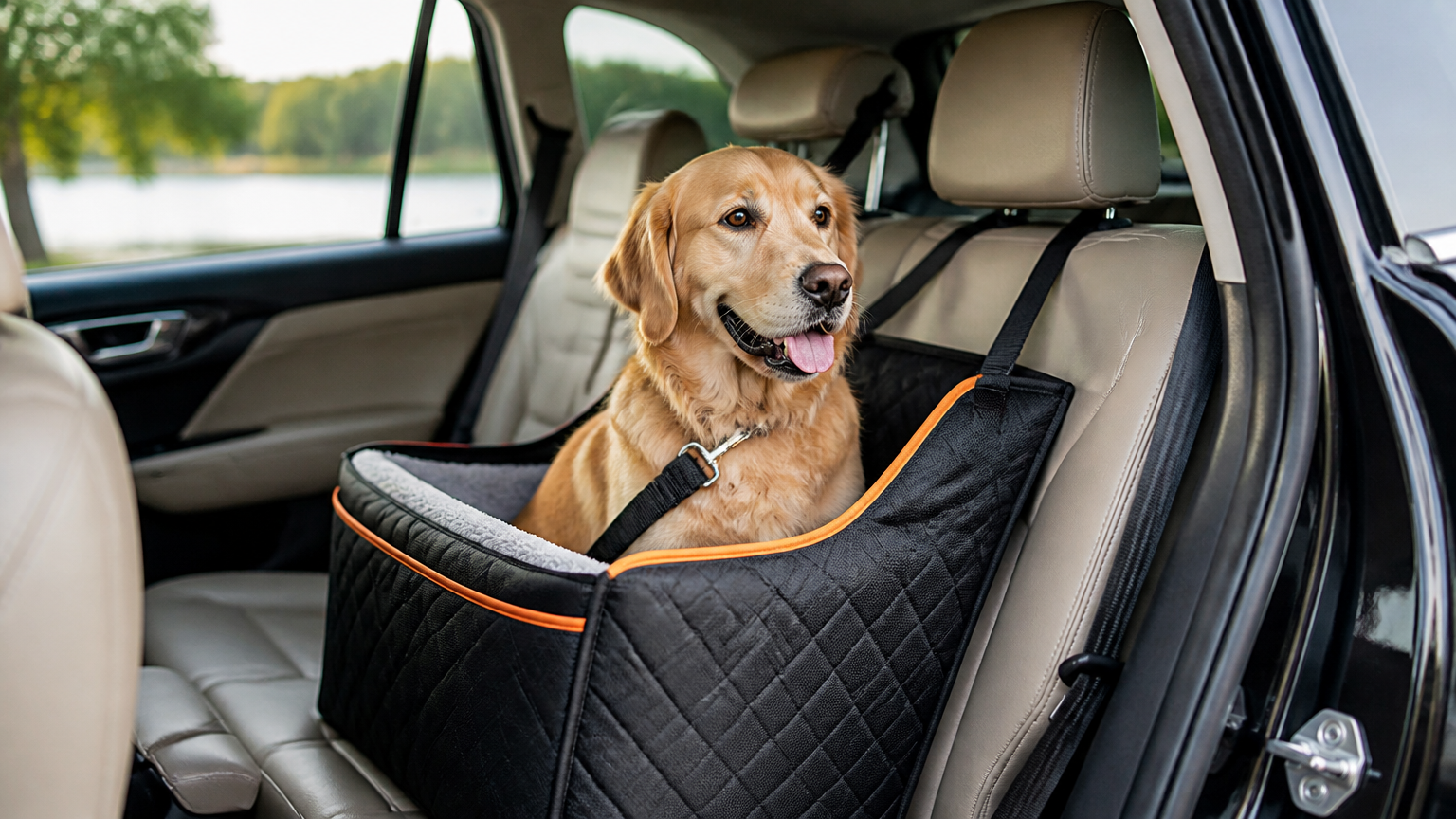
A dog who slides across the back seat or tries to climb into your lap can make even a short drive stressful. A pet dog car seat can give your companion a comfortable place to ride, but the soft sides and padding are not proof of crash protection.
At BaxterBoo, we recommend starting with a travel restraint that fits your dog and works with your vehicle. Then consider a bed, booster or seat cover for comfort and cleanup, provided it is compatible with the restraint.
The right setup depends on more than the size printed on the package. Your dog’s weight, body shape and preferred resting position matter, as do your vehicle’s seats and attachment points. Choose the restraint first, then add comfort without interfering with it.
Car Seat, Booster, Bed or Harness: What Is the Difference?
Shopping gets confusing because several products use the words "dog car seat." They do different jobs.
| Product type | Main purpose | What to check |
|---|---|---|
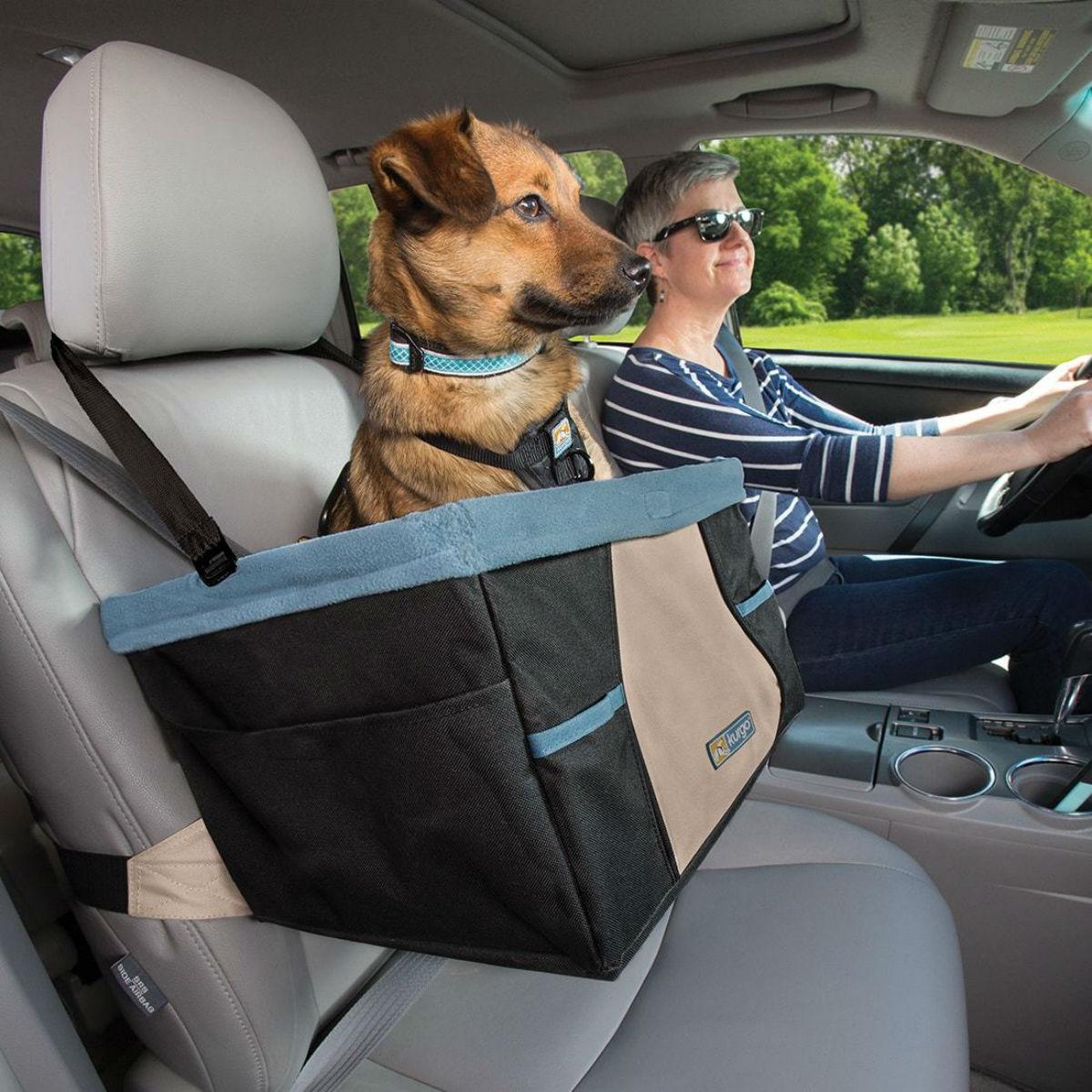
| Booster or elevated seat | Gives a dog a raised place to sit | Weight limit, vehicle fit and compatibility with a separate restraint |
| Back-seat bed | Provides a padded resting area | Interior space, washability and access to the restraint |
| Seat cover | Helps protect upholstery from fur, dirt and moisture | Coverage, attachment points and openings for seat belts |
| Car safety harness | Connects a dog to the vehicle using its specified attachment method | Fit, testing information and installation instructions |
| Travel carrier or crate | Encloses a dog during travel | Size, crash-testing information and approved installation method |
A booster’s strap may hold the booster in place without restraining the dog in a crash. Likewise, a bed with a seat belt slot is not automatically a safety restraint.
For a restraint, look for a car harness, carrier or crate with clear crash-testing information for the specific model and size. Check how it was tested and whether an independent organization certified it. The Strategist’s discussion of dog travel restraints distinguishes crash-tested restraints from booster seats primarily intended for comfort.
If you add a bed or booster, make sure its manufacturer and the restraint manufacturer allow that combination. If either product interferes with the other’s installation, use the restraint without the bed or choose another setup.
Key Takeaway: A seat can make the ride more comfortable. Choose a separately suitable restraint unless the seat itself has documented restraint testing for your dog’s size.
Dog Car Seats




Choose a Size for Your Dog and Your Vehicle
A weight rating is a starting point, not a complete fit guide. Two dogs of the same weight can need very different amounts of room.
Before shopping, check:
- Weight: Compare your dog’s current weight with the exact product’s stated range.
- Body length and width: Measure your dog in a comfortable resting position and compare those measurements with the usable interior, not just the outside dimensions.
- Harness fit: Measure around the chest where the harness maker directs. Check any neck measurements the maker requires too.
- Vehicle space: Measure the seating area and note the position of the buckle, headrest and seat belt.
- Access: Make sure your dog can get into the setup comfortably without a high or awkward jump.
Extra-Small and Small Dogs
For a very small dog, look for a car harness specifically sized to fit a small chest. A loose harness can shift or allow the dog to slip out, while one that is too tight can rub.
A compact booster or carrier may suit a small dog if its dimensions and weight range match. For a dog around 20 pounds, check the individual rating carefully. Some small-dog seats or carriers may be too small even when the dog can curl up inside.
An elevated seat can offer a window view, but height alone does not make the ride safer. Check that the seat installs in a permitted rear seating position and works with your dog’s restraint.
Medium Dogs, Including 30- and 40-Pound Dogs
For a 30-pound dog, compare the interior sleeping area as well as the maximum weight. A seat labeled "medium" might support that weight but still be too narrow for the dog to lie down comfortably.
For a 40-pound dog, a roomy back-seat bed paired with a compatible car harness may be more practical than a compact booster. A medium booster can be an option if its exact specifications fit both the dog and the vehicle. Do not assume a 30-pound rating is suitable for a 40-pound passenger.
A French bulldog may need extra attention to harness shape. Check that the chest panel and straps fit the individual dog without rubbing behind the front legs or pressing awkwardly against the neck. Ask your veterinarian for advice if your dog has breathing difficulties or becomes distressed during travel.
Large and Extra-Large Dogs
For a dog around 50 pounds or a larger breed, start by looking at car harnesses or secured travel crates sized for the dog. A large back-seat bed can add a place to rest, but its padding is not a substitute for the restraint.
For an extra-large dog, check the upper weight range and body measurements of each restraint. Also check that the vehicle has enough space for the dog to sit or lie in the positions allowed by the product instructions.
A large dog car seat advertised with a seat belt may use that belt to secure the bed, the dog or both, depending on its design. Read the instructions before buying. If you cannot tell what restrains the dog, ask the manufacturer.
Are Console Seats Suitable for Medium or Large Dogs?
Console seats sit between the front seats, close to the driver. Size labels alone do not establish that a console seat will fit a medium, large or extra-large dog, or that it will work in a particular vehicle.
We recommend a properly restrained rear-seat setup instead. It keeps your dog away from the driver’s immediate space and avoids the front-passenger airbag area. A roomy rear bed or a suitable travel crate is often a more practical place to start for a larger dog.
Find a Back-Seat Bed or Cover That Fits
A car bed can give your dog a familiar surface on longer rides. A medium bed may fit one seating position, while a large bed may cover much of a rear bench. Measure both the available vehicle space and the bed’s usable interior.
Memory foam is one option if you want a cushioned surface. Compare its thickness, cover removal and washing instructions rather than assuming foam makes a bed safer. The bed must still leave the restraint and its required attachment points usable.
A seat cover has a different job. It can help keep fur and muddy paws off upholstery, but it does not restrain your dog. Look for openings that line up with the buckles and other attachment points your restraint needs.
Captain’s Chairs
A captain’s chair is an individual seat, so a wide bench cover or bed may not fit it neatly. Measure the chair’s width and depth, then check whether the product is designed for an individual seat and its headrest.
For a large dog, check that the chair has enough room for the dog and that the restraint can be installed as directed. Do not use an attachment point just because it is visible. Follow the vehicle manual and the restraint maker’s instructions.
Before ordering a bed or cover, check that:
- The cover is intended for your seating layout.
- The restraint can attach without being twisted or blocked.
- The bed does not lift the harness into an unintended position.
- The liner or cover can be removed for cleaning.
- The setup leaves required vehicle safety equipment unobstructed.
How to Secure Your Dog With a Car Harness
Start with a harness designed for vehicle use and sized for your dog. A walking harness and a short tether are not automatically a tested car restraint.
Step 1: Fit the harness. Adjust it according to the manufacturer’s directions. Check for twisting, rubbing and loose straps, and make sure your dog can sit or lie as the instructions allow.
Step 2: Install the restraint in the rear seat. Use the vehicle belt or other attachment method specified for that exact harness. Do not guess at the belt path.
Step 3: Check any bed or booster. Add one only if it is compatible with the installed restraint. A bed strap that holds the bed to the car is not necessarily a connection for the dog.
Step 4: Check the connection before driving. Make sure the buckle is latched and the straps are not twisted. Keep loose objects away from your dog and the driver.
Never attach a vehicle tether to your dog’s collar. Use only the harness connection and accessories specified by the restraint manufacturer.
A bungee-style dog seat belt may look convenient, but its stretch and hardware do not establish how it performs in a crash. Do not add one to a tested harness unless the harness maker specifies that exact accessory for vehicle use.
An unrestrained pet can distract a driver and may injure vehicle occupants during a sudden stop or crash, according to Buckle Up Minnesota’s pet travel guidance.
Do Dogs Have to Wear Seat Belts?
Dog restraint rules vary by location and by how a dog is transported. Before a trip, check the current state and local rules along your route, including any rules that apply to pickup truck beds.
Even where a particular dog seat belt is not required, a properly installed restraint is a practical part of your travel setup. Keep the product instructions handy so you can check the installation after cleaning or moving it.
Help an Anxious Dog Get Used to the Car
A padded seat marketed for anxiety may give your dog a comfortable place to settle, but it cannot guarantee a calmer ride. Some dogs prefer a view from a booster, while others may be more comfortable resting lower in the back seat.
Introduce the restraint and resting spot gradually. Let your dog explore the setup while the car is parked, then practice brief sessions before trying a short drive. Keep each session manageable and stop if your dog becomes distressed.
Watch for signs such as repeated drooling, vomiting, trembling or reluctance to enter the car. These can have different causes, so a different seat alone may not solve the problem.
Vet Tip: Ask your veterinarian about persistent travel anxiety, motion sickness or breathing concerns. Your vet can help identify what your dog needs and discuss appropriate treatment.
Never leave your dog alone in a parked vehicle. Plan stops on longer trips so your dog can have water and a break from the car.
Protect and Clean Leather Seats
A dog seat cover can help protect leather from claws, fur and spills. Choose one that fits the bench or captain’s chair without blocking the restraint. Trim your dog’s nails as needed, and check the cover for grit that could rub against the leather.
If your dog urinates on a leather seat, act promptly:
Step 1: Blot the liquid. Use absorbent towels and avoid rubbing it farther into seams.
Step 2: Follow the vehicle’s cleaning directions. Use a cleaner suitable for the specific upholstery. Test it on a hidden area first.
Step 3: Dry and inspect. Let the area dry as directed. Check seams and nearby surfaces for remaining moisture or odor.
If urine has reached beneath the upholstery, or the leather has scratches or discoloration, a professional upholstery cleaner may be able to assess it. Avoid guessing with harsh cleaners or abrasive tools.
Compare Value, Features and Country of Origin
A lower-cost car seat can be useful for comfort, but do not judge a travel setup by price alone. First, make room in your budget for a restraint with suitable fit, clear instructions and documented testing.
When comparing an inexpensive seat with a premium one, look at the details you will use: a removable liner, replacement parts, storage size and how easily the seat installs. A washable cover may be more useful than extra padding if your dog often comes home muddy.
If you prefer a dog car seat or cover made in the USA, check the exact product label or ask the manufacturer. A company’s location does not necessarily tell you where every item, component or fabric was made.
Conclusion
The best travel setup fits your dog and your vehicle without asking a soft bed or booster to do the work of a restraint. Check the installation before every trip, including short drives.
- Choose a harness, carrier or crate with clear testing and sizing information.
- Add a bed, booster or cover only when it works with that restraint.
- Measure your dog and the vehicle seating area before buying.
Key Takeaway: A comfortable seat and a properly installed restraint answer different needs. Your dog may benefit from both.
Explore dog travel gear at BaxterBoo as your next step, and keep your dog’s measurements and vehicle details nearby while comparing options.
FAQ
Can a 30-pound dog use a booster seat?
Some boosters are sized for dogs around 30 pounds, but the product’s exact weight range and interior dimensions matter. Check that it fits your vehicle and is compatible with your dog’s car restraint.
What is a good car setup for a 40- or 50-pound dog?
Start with a properly fitted car harness or a travel crate with documented crash-testing information. If you want a back-seat bed for comfort, confirm that it does not interfere with the restraint.
Does a dog car seat cover keep a dog safe?
A cover helps protect the vehicle’s upholstery, but it is not a restraint. Use it only if your dog’s harness or carrier can still be installed according to its instructions.
Can my dog sit in a car seat without a harness?
Do not rely on an ordinary padded seat or its walls to restrain your dog. Use a suitable car restraint, or a carrier or crate designed and installed for vehicle travel, and check whether the seat is compatible with it.



- Site & Contents BaxterBoo.com. BaxterBoo is located in the United States.
- Privacy & Security
- Terms of Use
- Accessibility Statement
