
 Save 15% on your 1st Autoship learn more

 Email us
 Live Chat
 FAQs





Introduction
It is a crisp morning. Your Italian Greyhound is shivering despite being indoors. This breed faces a unique challenge. Their sleek bodies lack the insulation most dogs take for granted. At BaxterBoo, we know that finding the right fit for an Iggy can be frustrating. Standard small dog apparel often sags at the waist or pinches their deep chest. It is not just about fashion. It is about biological necessity. This post covers how to choose functional, safe, and stylish clothing specifically for the sighthound shape. You will learn about the essential pieces every owner needs to maintain their pet's body temperature and skin health. We will explore the S-curve anatomy and how to measure for a perfect fit. Proper gear ensures your dog stays comfortable and safe year round. Your companion deserves clothing that respects their unique physical needs and delicate nature.
Quick Answer: Italian Greyhounds need specialized clothing because they have extremely low body fat and thin, single-layer coats. Look for apparel tailored for their "S-curve" anatomy, which includes a deep chest and a narrow, tucked waist.
The Biological Need for Wardrobes
Most dog breeds have a double coat or at least enough body fat to regulate their temperature. Italian Greyhounds are different. They were bred for speed and agility. This resulted in a body with almost zero fat and a very fine, short coat. While this makes them excellent sprinters, it leaves them vulnerable to the cold. Even a mild draft in a home can cause an Italian Greyhound to shake.
Their skin is also thinner than that of many other breeds. This thinness makes them more susceptible to scratches from brush or irritation from rough fabrics. When the sun is out, their sparse hair provides little protection against UV rays. Clothing acts as a vital barrier. It protects them from environmental stressors that their bodies are not equipped to handle.
If your pet is frequently shivering or seeking out heat sources like floor vents, they need an extra layer. Constant shivering burns calories and causes muscle tension. Providing a simple fleece or cotton shirt can improve their quality of life significantly. It allows them to relax rather than constantly working to stay warm.
Key Takeaway: Clothing for an Italian Greyhound is a health requirement rather than a luxury. It provides thermal regulation, skin protection, and defense against UV rays.
Dog Clothes






Understanding the S-Curve Anatomy
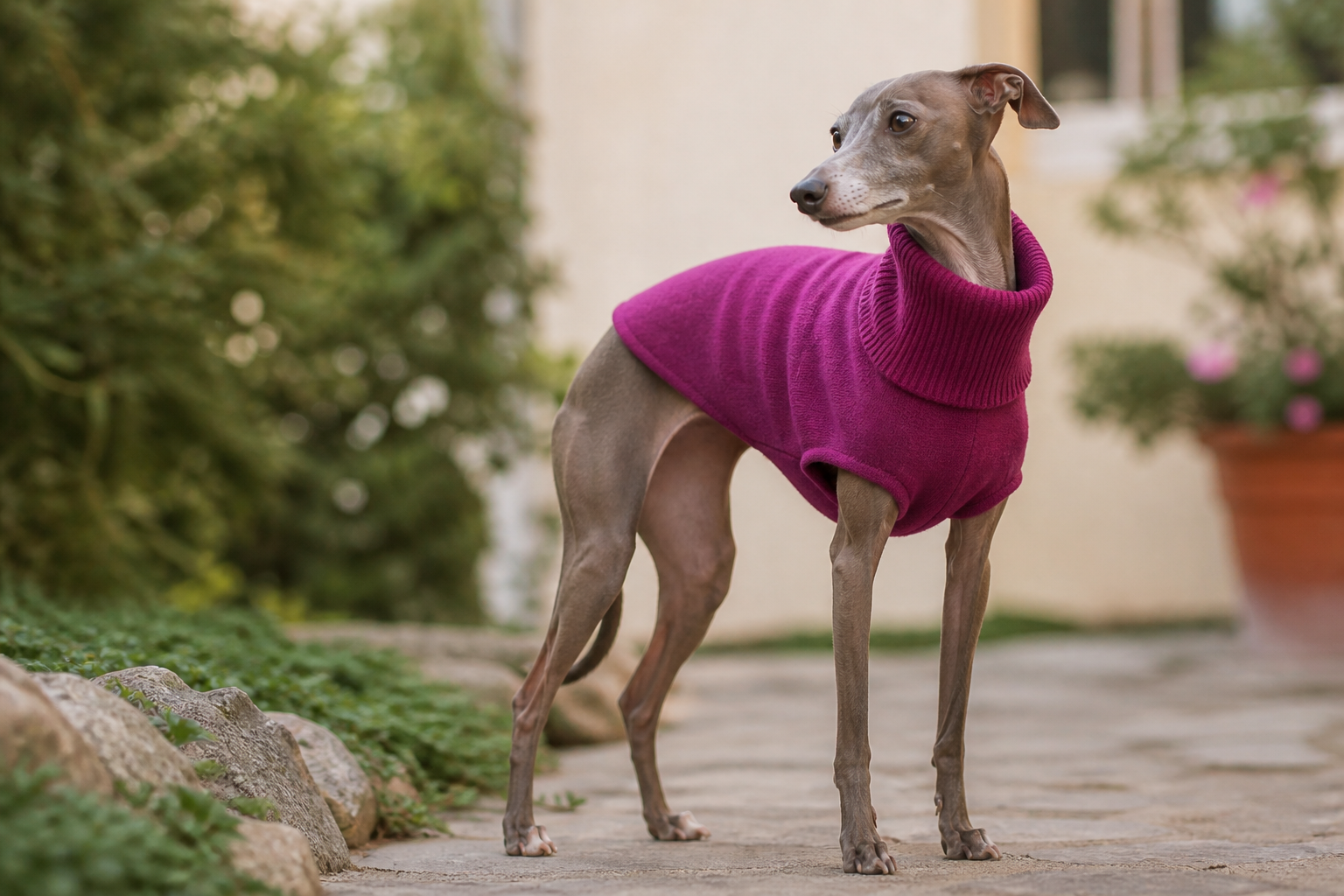
The most common mistake owners make is buying standard dog clothes. Most pet apparel is designed for a barrel-shaped or rectangular body. Italian Greyhounds have a dramatic "S-curve" silhouette. This means they have a very deep, prominent ribcage that tapers sharply into a tiny, tucked-in waist.
When you put a standard shirt on an Iggy, two things usually happen. First, the chest area is often too tight. This can restrict their breathing or cause the fabric to rub painfully against their armpits. Second, the waist area sags. This creates a gap where cold air enters. It also increases the risk of the dog getting a leg caught in the loose fabric.
A specialized sighthound cut accounts for this dramatic taper. The belly of the garment should be cut high. This prevents it from interfering with their movement or becoming soiled. The chest should have enough volume to accommodate their deep ribcage without pulling across the shoulders.
Why Standard Sizes Fail
- Chest Gapping: Standard clothes often gap at the neck and chest, letting heat escape.
- Length Issues: Iggies have long torsos. Standard clothes that fit the chest are usually too short for the back.
- Leg Holes: Generic leg holes are often positioned incorrectly for the narrow, forward-leaning stance of a sighthound.
Safety and the Fragile Bone Structure
Italian Greyhounds are known for having delicate leg bones. This is a critical factor when choosing clothing. Forcing a dog’s leg into a tight, overhead sleeve can be dangerous. If the dog panics or pulls back suddenly, it can lead to fractures or joint injuries. This is why many experienced owners prefer specific garment designs.
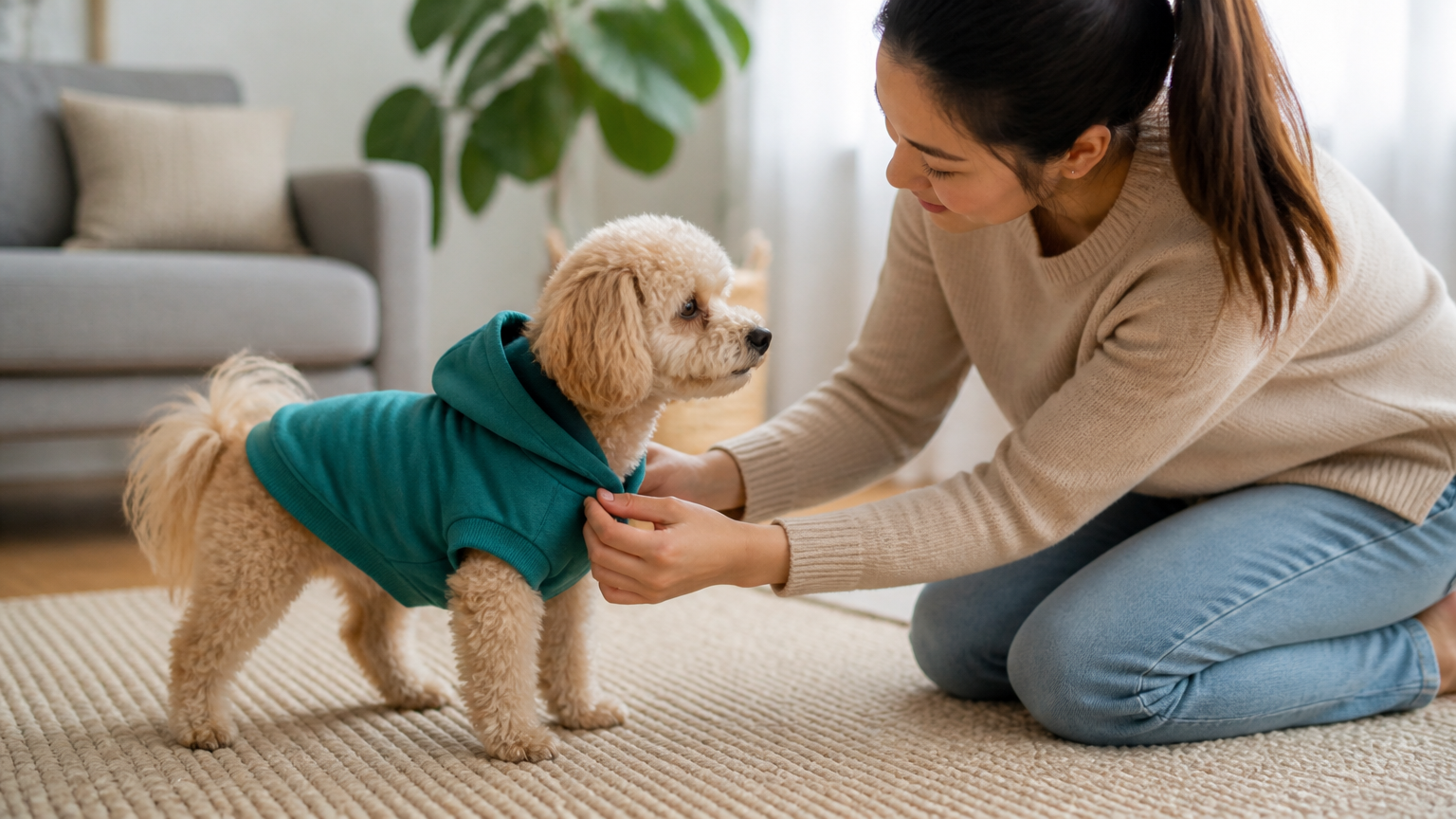
Step-in designs are often the safest choice. These allow the dog to stand still while the garment is wrapped around them and secured on the back. Zippers or snaps located on the spine are much easier to manage than those on the belly. You can see what you are doing, and the dog does not have to be flipped over.
Front-zipper closures are another excellent option. These designs allow the garment to lay over the back first. Then, you gently guide the front legs through the openings and zip up the chest. This minimizes the amount of manipulation required for their limbs. Always look for zippers that have a fabric guard. This prevents the teeth of the zipper from catching on their thin skin or fine hair.
Vet Tip: Italian Greyhounds have famously fragile legs. Always choose clothing that is easy to put on and take off without tugging on their limbs. If your dog shows signs of panic during dressing, consider professional training to build a positive association with their gear.
Essential Wardrobe Items for Every Iggy
Building a functional wardrobe does not have to be overwhelming. You should focus on a few key pieces that handle different environments. Start with the basics and expand as you learn your dog's preferences. Some dogs love heavy coats, while others prefer lightweight layers.
Indoor Pajamas and Onesies
Pajamas are perhaps the most used item in an Italian Greyhound's closet. Because they have so little body fat, they often get cold at night. A soft, stretchy fleece or cotton onesie keeps them warm while they sleep. This prevents them from waking up in the middle of the night to find a warmer spot. Browse our dog pajamas for styles to compare.
Look for pajamas with four legs for maximum warmth. However, ensure the leg openings are not too restrictive. The fabric should have enough "give" to allow them to curl up or stretch out fully. Stretchy materials like cotton-elastane blends are ideal. They hold their shape but move with the dog.
The Everyday Sweater or Fleece
For daily wear during spring and autumn, a medium-weight fleece is perfect. This layer is easy to wash and dries quickly. Fleece is an excellent insulator because it traps air near the body. It is also soft enough for their sensitive skin.
A high-neck or "snood" style is very popular for this breed. It covers their long, slender necks, which are a major source of heat loss. Some sweaters even include a hole for a leash attachment. This allows you to layer the sweater under a harness comfortably. You can compare options in our dog sweater selection.
Winter Weather Protection
When the temperature drops below freezing, a simple fleece is not enough. You will need a windproof and waterproof outer layer. Iggies lose heat rapidly when they get wet. A cold rain or snow can be dangerous if they are not protected.
Look for a winter coat with a warm lining, such as faux fur or thick fleece. The outer shell should be durable enough to withstand wind. A coat that covers the underbelly is vital. The belly is where they are most exposed to the cold ground.
UV Protection Shirts
In the summer, a lightweight UV shirt is a smart investment. White or light-colored Italian Greyhounds are particularly prone to sunburn. A thin, breathable mesh or cotton shirt can block the sun without causing the dog to overheat. These are great for beach trips or long afternoon walks.
| Clothing Type | Primary Purpose | Best Material | Key Feature |
|---|---|---|---|
| Pajamas | Overnight warmth | Cotton or soft fleece | Full leg coverage |
| Fleece Vest | Transitional weather | Polar fleece | Easy step-in design |
| Winter Parka | Extreme cold/snow | Waterproof nylon | Belly protection |
| UV Shirt | Sun protection | Breathable mesh | Light colors |
How to Measure Your Italian Greyhound
Getting the measurements right is the only way to ensure a comfortable fit. You cannot rely on weight alone. Two dogs that weigh the same can have very different chest depths or back lengths. You will need a soft measuring tape for this process. For more fit guidance, see these tips for measuring dog clothes.
Step 1: Measure the neck.
Wrap the tape around the base of the neck where a collar would naturally sit. Ensure it is snug but you can still fit two fingers underneath.
Step 2: Measure the chest.
Find the widest part of the ribcage. This is usually right behind the front legs. This is the most important measurement for an Italian Greyhound. If the chest is too tight, the dog will not be able to move comfortably.
Step 3: Measure the back length.
Measure from the "withers" to the base of the tail. The withers are the point between the shoulder blades. Many sighthound clothes are designed to curve over the rump, so a precise back measurement is essential.
Step 4: Check the waist.
Though less critical than the chest, a waist measurement helps ensure the garment won't sag. Measure around the thinnest part of the belly.
Key Takeaway: Never buy by breed name or weight alone. Always use your dog's specific chest and back measurements against the size chart of the individual garment.
Managing Clothing Anxiety
Some Italian Greyhounds are sensitive about being touched or having their movement restricted. If your dog freezes or "statues" when you put a coat on them, they may be experiencing clothing anxiety. This is a common trait in sighthounds. They are very tuned into their physical surroundings.
To help them, start slow. Let them sniff the clothing and give them a treat. Place the garment on their back for a few seconds without fastening it. Gradually work up to zipping or snapping the garment. Always use high-value treats during this process. This guide to dogs wearing clothes also discusses signs of comfort and discomfort.
If the freezing behavior continues, look for lighter materials. Sometimes the weight of a heavy coat is what causes the anxiety. A very thin, silk-like layer might be more acceptable to a sensitive dog. Once they are used to the sensation of wearing something, you can slowly transition to warmer fabrics.
Fabric Choices for Sensitive Skin
The material of the clothing is just as important as the fit. Because Iggies have such short hair, the fabric is in direct contact with their skin. Rough wool or stiff synthetics can cause redness and itching. Consider soft fleece clothing for dogs when you need a warmer layer.
- Cotton Blends: Great for indoor wear and summer shirts. It is breathable and natural.
- Polar Fleece: Excellent for warmth. It is soft and does not typically irritate the skin.
- Bamboo Fabric: Naturally antibacterial and incredibly soft. It is a premium choice for dogs with severe skin sensitivities.
- Soft Shell: Good for outer layers. It provides wind resistance while remaining flexible.
Avoid any clothing with internal seams that are thick or scratchy. Some high-quality brands use "flat-lock" stitching to ensure the inside of the garment is perfectly smooth. Check the armpit area specifically. This is a high-friction zone where chafing is most likely to occur.
Maintaining Your Iggy's Wardrobe
Since these dogs wear clothes almost 24/7, their wardrobe will need frequent cleaning. Oils from their skin and outdoor dirt can build up quickly. Most specialized dog clothes should be washed on a gentle cycle.
Always secure zippers and velcro before washing. This prevents the fasteners from snagging the fabric of the garment or other items in the load. Use a fragrance-free detergent. Strong scents can be overwhelming for a dog's sensitive nose and might even cause skin reactions.
Air drying is usually better than using a dryer. High heat can shrink cotton or damage the elasticity of performance fabrics. If you must use a dryer, use the lowest heat setting possible. Regularly inspect the clothes for loose threads or hardware that might become a choking hazard.
Bottom line: Proper maintenance extends the life of the clothing and ensures it remains safe and comfortable for your dog to wear every day.
Training for Success with Gear
Using clothing as part of a routine can actually help some dogs feel more secure. For example, putting on pajamas can be a signal that it is time for bed. A specific "walking coat" can signal that an adventure is about to begin. This structure can help an anxious Italian Greyhound feel more confident.
Always monitor your dog when they are wearing a new item for the first time. Watch for any signs of discomfort, such as limping or excessive licking at a certain spot. This could indicate a hidden seam that is rubbing or a fit that is too tight in a specific area.
If you have a puppy, start the habit early. Getting a puppy used to the sensation of clothing will make your life much easier as they grow. They will view a sweater as a normal part of life rather than a strange intrusion. This is especially helpful if you live in a cold climate where they will spend most of their life in gear.
Senior Italian Greyhounds and Mobility
As Italian Greyhounds age, they often develop joint stiffness or arthritis. Keeping their muscles warm is a key part of managing their comfort. Cold joints are stiff joints. A warm fleece can help maintain blood flow to the muscles and spine.
In these cases, the ease of putting on the garment becomes even more critical. Older dogs may have a harder time balancing while you lift their legs. Step-in vests or wrap-around coats are the best choices for seniors. They allow you to dress the dog while all four of their feet remain firmly on the floor.
If your senior dog is struggling with mobility, we also carry a range of mobility aids. Sometimes a supportive harness can be layered over a warm coat to give them the help they need on stairs or during walks. Our pharmacy can also assist with prescription joint support medications through our partnership with Pet's Choice. Keeping them warm is just one piece of the puzzle for a happy senior sighthound. Read more about mobility options for senior dogs.
Conclusion
Finding the right dog clothes for an Italian Greyhound is about understanding their unique biology and anatomy. These dogs are not built to handle the cold on their own. By selecting gear that respects their deep chest, narrow waist, and fragile limbs, you ensure they stay happy and healthy. Start with high-quality basics like a soft fleece and a waterproof winter coat. Always prioritize comfort and safety over fashion trends.
- Prioritize the S-curve fit to avoid chafing and tripping.
- Choose step-in designs to protect fragile leg bones.
- Measure the chest and back accurately for every new brand.
- Use soft, breathable fabrics to protect sensitive skin.
Key Takeaway: A well-fitted wardrobe is essential for an Italian Greyhound's health, providing the warmth and protection their bodies naturally lack.
If you are ready to start building your pup's wardrobe, explore our dog clothing collection. We carry a wide variety of sizes and styles designed to fit different body types, including the slender and deep-chested needs of sighthounds. Our team at BaxterBoo is here to help you find the perfect match for your companion's specific measurements.
FAQ
Why do Italian Greyhounds need to wear clothes indoors?
Italian Greyhounds have extremely low body fat and a very thin, single-layer coat, which makes it hard for them to regulate their body temperature. Even in a climate-controlled home, they can feel cold from minor drafts or tile floors. Indoor layers like pajamas help prevent constant shivering and keep their muscles relaxed.
How do I know if a coat fits my Italian Greyhound's chest?
A proper fit should be snug enough to trap heat but loose enough to allow the dog to breathe deeply and move their front legs without restriction. You should be able to slide two fingers comfortably between the fabric and the widest part of their ribcage. If the fabric pulls tight across the shoulders or leaves red marks in the armpits, the garment is too small.
Are sweaters safe for Italian Greyhounds with thin skin?
Yes, sweaters are safe as long as they are made from soft, non-abrasive materials like fleece or combed cotton. It is important to check the internal seams for roughness and ensure the garment does not use harsh chemicals or dyes. Regularly inspecting your dog's skin for signs of redness or irritation will help you catch any issues early.
What should I look for in summer clothes for an Italian Greyhound?
Summer clothes should be made of lightweight, breathable fabrics like mesh or thin cotton to prevent overheating while providing protection. Look for items specifically labeled for UV protection to shield their thin skin from sunburn. Light colors are preferable as they reflect sunlight rather than absorbing heat.



- Site & Contents BaxterBoo.com. BaxterBoo is located in the United States.
- Privacy & Security
- Terms of Use
- Accessibility Statement
