
 Save 15% on your 1st Autoship learn more

 Email us
 Live Chat
 FAQs
FAQs





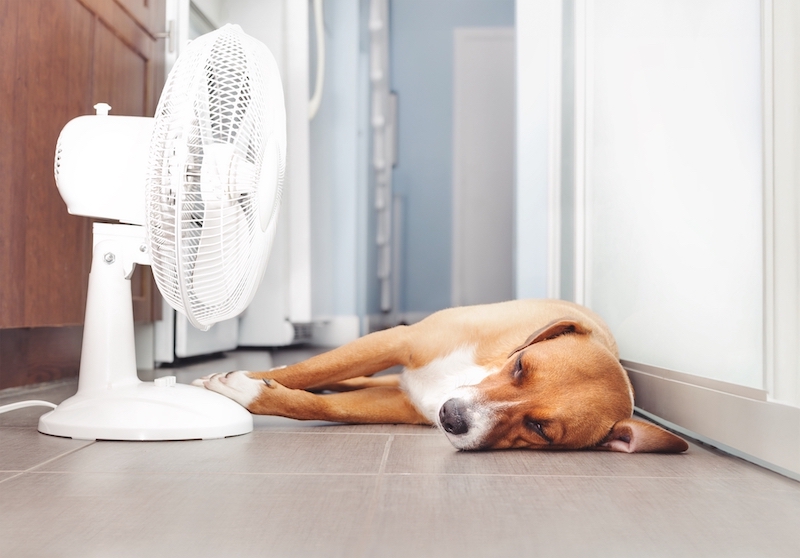
Dogs don't handle heat the same way we do. Overheating can happen quickly, leading to serious health problems or even worse. Don't let the warm weather put your furry friend at risk. Learn how to recognize the signs of heatstroke and discover easy ways to keep your dog safe and happy throughout the summer.
Hydration Is Key
Dogs have a unique way of cooling themselves. Unlike humans, they only have sweat glands in their paws. They rely on panting as their primary cooling mechanism, which, while effective, can lead to rapid fluid loss. When you factor in their fur coat and higher average body temperatures, it's easy to see why dogs can dehydrate faster than humans.
Ensuring your dog stays hydrated is critical. Always have plenty of fresh water available, both indoors and outdoors. When you're out and about, consider bringing a collapsible water bowl or a water bottle with a bowl attachment, like the Messy Mutts Stainless Steel Water Bottle Bowl. These are perfect for extended hikes or walks, providing a convenient way to keep your dog hydrated.
For sweltering days, you can offer your dog a cool, hydrating treat. Frozen watermelon chunks are tasty options with a high water content. It is vital to ensure your pet gets enough to drink on hotter-than-average days. If your pet doesn't like to drink, consider a pet fountain like the Drinkwell 2-gallon Dog and Cat Fountain. The sound of running water can encourage some animals to drink.
Preparation Matters for Outdoor Fun
All dogs need walks and outdoor play, but in the summer, it is crucial to plan for any outdoor activities because of the heat. Owners should also consider a dog's breed, age, and health. Brachycephalic (flat-faced) breeds, senior dogs, and dogs with health issues are more vulnerable to heat.
To limit your pet's risks, focus on early morning and late evening walks — times when the sun is at its lowest. When you let your dog out in the afternoon, keep the activity to a minimum and find areas with shade. It is best to find indoor activities to keep your dog occupied during the hottest parts of the day.
When taking your dog on a walk, test the pavement. Your pet's paws don't have the luxury of shoes to protect them; they are exposed. If you can't hold the back of your hand comfortably to the pavement for five seconds, it is too hot for your canine companion.
Finally, if you are traveling with your dog in a car, never leave the animal alone. Even a car with the windows down can be too hot for your furry friend. It's best to leave your pet at home on hotter days. If you must bring them with you, leave the car running with the air conditioning on.
Cooling Gear Makes a Difference
While simple changes to your daily routine can make a significant difference for your pet, specialized cooling gear can be a game-changer on those sweltering summer days. Products like cooling vests, bandanas, and lightweight clothing, such as the iCool Dog Tank by Dogo, use moisture-wicking and evaporative cooling to help your dog stay comfortable. The fabric absorbs and holds water. As the water evaporates, it draws heat away from your dog's body, creating a cooling sensation.
It's important to choose the right gear for your canine companion. Look for breathable, comfortable materials, and always measure your dog carefully to ensure a proper fit. The RC Pets Zephyr Cooling Vest is an excellent option, with its water-retaining panels for lasting coolness.
Indoor Environments Can Mitigate Heat Problems
Your pet likely spends most of its time indoors. If you have air conditioning, use it. Even if you aren't lucky enough to have air conditioning and climate-controlled environments, you can take steps to maximize your dog's comfort inside the house. It's all about finding ways to create cool, refreshing environments, which ultimately comes down to airflow.
By keeping windows open and placing fans strategically, you can create cross-ventilation. The constant movement of air keeps the warm air circulating out of the house, which can help cool things down. Also, if you place fans around where your dog likes to nap or rest, they get the benefit of a gentle breeze, helping to release trapped heat in their dog bed or fur.
You can further help your pet by investing in a cooling mat, such as the RC Pets Cool Comfort Mat. The mats provide a refreshingly cool surface for your pet to relax on. Depending on the type of mat, your dog can stay cool for up to seven hours. Many mats self-recharge when not in use, but that takes 15-20 minutes.
Warning Signs of Overheating Shouldn't Be Overlooked
While all those cooling tips and gear go a long way in keeping your pup comfortable, it's equally important to recognize when your dog might be getting overheated. Be on the lookout for these signs of heat stress:
• Excessive, labored panting or difficulty breathing
• Bright red or abnormally pale gums and tongue
• Thick, sticky saliva
• Weakness, stumbling, or even collapse
• Vomiting or diarrhea
• Disorientation or unusual behavior
Heatstroke is an emergency, so act quickly if you notice any of these symptoms. Take your dog to a cool place. Wet your dog's coat with cool water, especially under the belly and armpits. Offer them water. If you suspect heatstroke, call your vet immediately.
While the summer can be a fun time for you and your pet, it is also potentially dangerous. The key is to watch your pet and ensure they have a cool environment with plenty of water.






