
 Save 15% on your 1st Autoship learn more

 Email us
 Live Chat
 FAQs
FAQs





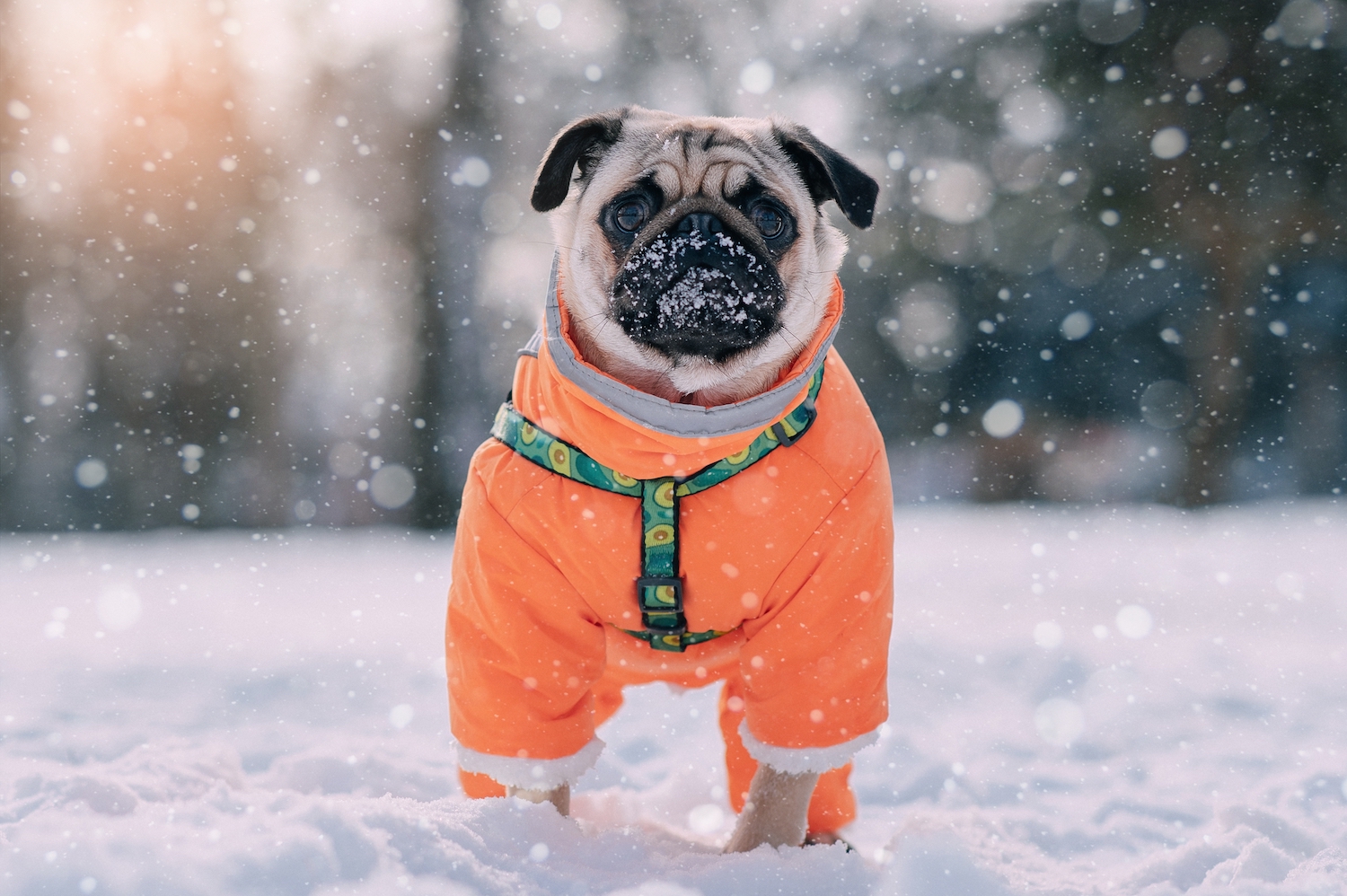
Who says you need to keep yourself cooped up indoors just because it's snowing outside? From sledding to skiing, there are many things you can do outside during the winter. You can even take your dog on your winter adventures, as long as you prepare properly for bringing your pet into the snow.
Keep Your Pet's Hair Long
If your dog has a long coat, keeping it long during the winter is essential for keeping him warm. His coat is what helps protect him from the winter temperatures outside. You can be sure it remains healthy and doesn't shed too much by brushing your pet at least once a week with a hair-catching brush. A good one to try is the Master Grooming Tools Ergonomic Slicker Dog and Cat Brush. Despite keeping hair long, it's a good idea to trim the hair between the paw pads. When too long, the paw pads can pick up snowballs that make your pet's feet cold.
Put Your Pet in a Warm Coat
You aren't the only one who should be wearing a coat when you go outside. Your dog needs a warm coat to help protect him from wind, snow, and other elements during winter excursions. You can choose from a wide variety of options, including:
• Pattern Sweater Dog Coat by Dogo in Gray
• Chilly Dog Southwest Desert Rose Blanket Dog Coat
• Doggie Design Weekender Quilted Hoodie Dog Jacket in Pink
• Pet Life Touchdog Modress Dog Sweater Dress in Brown
• Highline Fleece Dog Coat by Doggie Design in Pink and Brown Polka Dots
Put Your Pup in Some Shoes
Rocks salt, ice, and snow can do major damage to your dog's paws. Luckily, companies make shoes that protect them while they're outside during the winter. Many dogs require time to get used to dog boots, so be sure to purchase them and have your pet get used to wearing them while he's safe in the house. Some dogs work hard to get their shoes off. If yours is a little MacGuyver, try a high-ankle pair such as the Pet Life Helios Traverse High-Ankle Dog Boots in Blue.
Keep Your Dog on a Short Leash
It is important not to let your dog off leash when you're in an unfenced area during the winter months. This is especially true during a snowstorm, which can limit your dog's ability to pick up scents and make it harder for him to return to you. It is a good idea to ensure your dog's ID tags are on and that you have him microchipped. Pick up a Military Large Engravable Pet I.D. Tag to create something custom with your pet's name and your phone number.
Acclimate Your Dog to the Cold
If your dog isn't used to being outside in winter temperatures, it's a good idea to acclimate him to the cold a bit at a time. If he isn't shivering or trying to go back in, he is probably okay. However, if he starts showing signs of being too cold, take him in. You can try to take him out for longer at a later time. Remember, dogs can suffer from frostbite on their tails and ears, even if they are otherwise bundled up well. This means spending roughly 20-30 minutes outside before resting indoors to warm up. The exception is if you have a heavy-coated Northern breed that is used to being outside in cold temperatures.
Avoid Icy Areas
Whether you're walking on slick pavement or heading out to the lake, it's important to avoid icy areas when you're with your pet. At a lake, he could venture onto thin ice and fall in, causing a serious emergency. Even on the pavement, your pet could slip and hurt himself, leading to an emergency vet visit. Furthermore, if your pet falls, you could fall, too, causing even more of a problem.
Watch Out For Dangerous Substances
There are dangerous substances that can hurt your pet's paws or worse during the winter months. The first thing to watch for is rock salt. While it is not toxic, it can irritate paws and may upset your pet's stomach if he licks it off. You must also watch for blue- or green-colored substances in the snow, which is an indication that antifreeze has been used. Avoid these areas, as antifreeze can be deadly. If your pet won't wear shoes, wipe his paws as soon as you come in. If your dog has managed to ingest any antifreeze, contact your veterinarian right away.
Offer Your Pet a Place to Warm Up
After your pup spends time outside, he's going to want to get warm as quickly as possible. Help the task along by investing in a heated dog bed like the Pet Life Dream Smart Electronic Heating and Cooling Dog Bed. In addition to helping your pet warm up, the heat can provide relief for senior dogs that get cold easily or dogs with joint problems related to aging or arthritis. It can even keep them cooler during the summer months, making it an excellent year-round purchase.
Spending time outdoors with your dog during the winter months is a fun way for you both to explore, exercise, and enjoy the season. However, it is important to protect yourself and your pet when you're outdoors in the cold. Use these tips to help your furry family member enjoy the outdoors without sacrificing his health and safety.








