Save 15% on your 1st Autoship learn more

 Email us
 Live Chat
 FAQs
FAQs





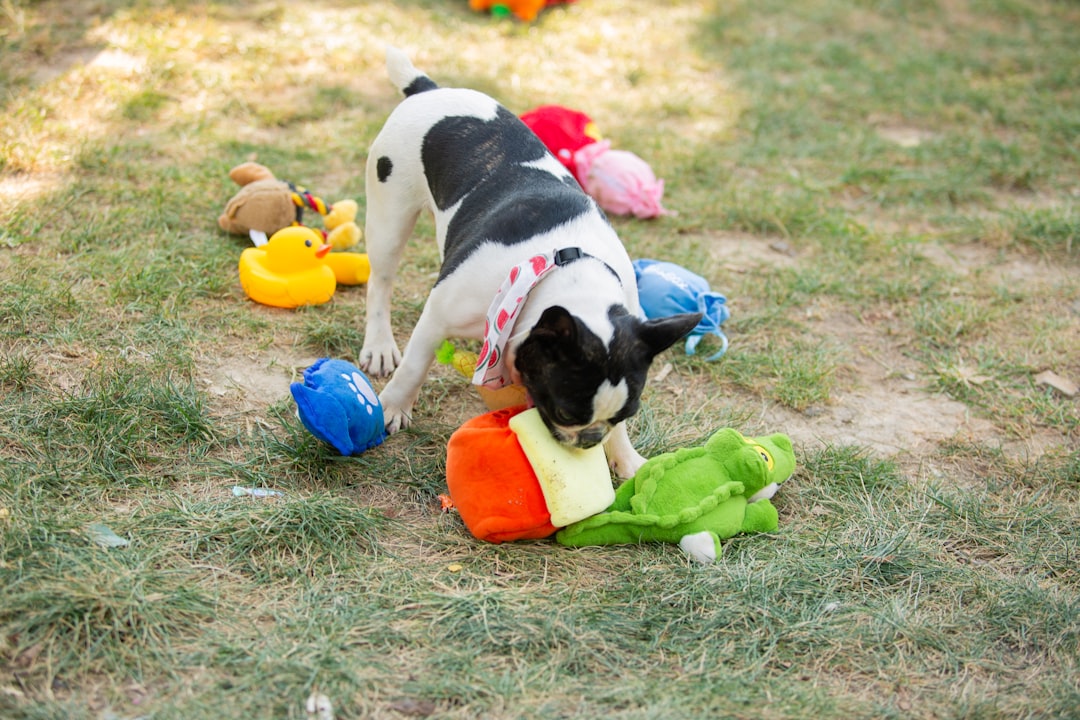
Is Your Dog Anxious? How Calming Toys Can Help
Calming toys for dogs are specially designed products that help reduce anxiety and stress through mental stimulation, physical engagement, and soothing behaviors like licking, chewing, and foraging. These toys work by redirecting your dog's nervous energy into positive activities that naturally calm them down.
Common Types of Calming Toys:
| Toy Type | How It Helps | Best For |
|---|---|---|
| Lick Mats | Repetitive licking releases endorphins | Situational anxiety (storms, vet visits) |
| Puzzle Toys | Mental distraction and engagement | Separation anxiety, boredom |
| Chew Toys | Satisfies natural urge, reduces stress | General anxiety, nervous energy |
| Snuffle Mats | Foraging and sniffing activities | Mental enrichment, food motivation |
| Heartbeat Toys | Mimics companion warmth and comfort | Puppies, nighttime anxiety |
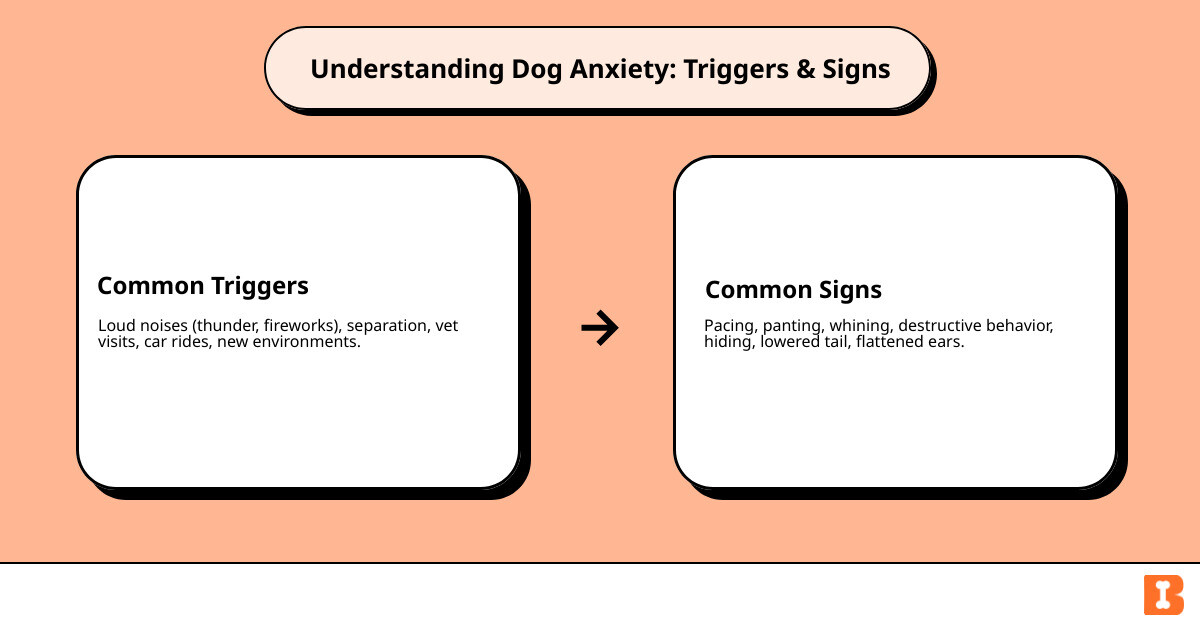
Your dog might feel anxious sometimes—or they might experience a bigger, more consistent problem. Whether it's thunderstorms or fireworks, car rides or vet visits, some things make some dogs very anxious and stressed.
The good news? You don't need a degree in canine psychology to help your pup feel better. Research shows that chewing can decrease stress levels, helping your dog feel calmer. There's also evidence that engaging in sniffing activities through nose work increases dogs' willingness to approach novel objects—making them braver and more confident.
Dogs show anxiety in several ways. You might notice pacing, panting, whining, excessive barking, hiding, or even destructive behavior. Some dogs get a lowered tail or flattened ears. Others lose their appetite or have accidents in the house.
That's where calming toys come in. They work by giving your dog something positive to focus on instead of their fear or stress. A dog working at a puzzle toy or licking peanut butter from a mat is a dog not panicking about being alone. Puzzle toys can help dogs focus on something other than the fact that their beloved human has left for work.
The best part? These aren't expensive solutions. For less than the cost of a single training session, you can give your anxious pup a tool that helps them self-soothe whenever they need it.
The Ultimate Guide to the Best Calming Toys for Dogs
When it comes to addressing canine anxiety, we've learned that a one-size-fits-all approach rarely works. Just like us, every dog is an individual with unique triggers and coping mechanisms. That's why we champion a diverse toolkit of calming toys for dogs. These aren't just ordinary playthings; they're thoughtfully designed to engage your dog's natural instincts in ways that promote relaxation and comfort. From stimulating their minds to satisfying their innate urges, each type of toy offers a distinct path to a calmer, happier pup. Let's explore the different categories and explore how they can become invaluable allies in managing your dog's stress.
1. Lick Mats: For Repetitive, Soothing Action
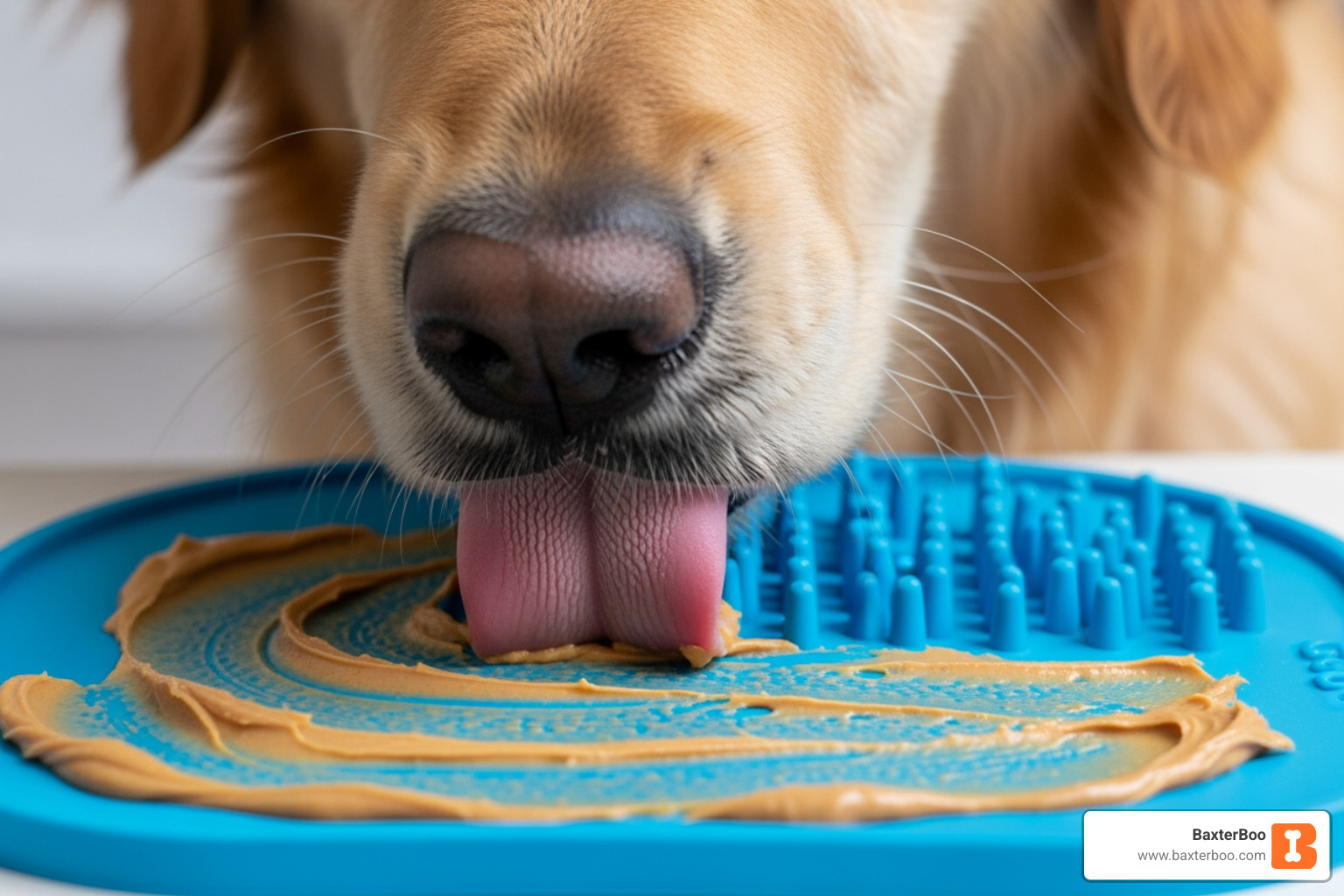
If your dog is a nervous licker, or you're looking for a simple, low-effort way to provide comfort during stressful moments, lick mats are a game-changer. The concept is wonderfully straightforward: a textured mat designed to be smeared with a spreadable treat. The repetitive action of licking to get at the treat is incredibly self-soothing for dogs. This simple act helps release endorphins, which are natural feel-good chemicals that can significantly reduce stress levels.
Lick mats are particularly effective for high-stress situations when your dog might be too distracted or overwhelmed for more complex activities. Think of those moments when a thunderstorm rolls in, fireworks are booming, or you're heading to the vet. Instead of pacing or panting, your dog can focus their attention on the mat, directing their fretful energy toward something fun and rewarding.
To use a lick mat, simply spread a thin layer of a dog-safe treat across its textured surface. Popular choices include peanut butter (xylitol-free, please!), plain yogurt, pumpkin puree, or even wet dog food. For a longer-lasting distraction, you can freeze the mat with the treat on it. This extends the licking time and provides a cool, refreshing sensation that can further aid in calming.
We find that lick mats are perfect for situational anxiety – they provide a largely unchallenging activity that can quickly redirect your dog's focus. It's a fantastic tool to have in your arsenal for those unpredictable moments when your pup needs a little extra help finding their zen.
Find our selection of lick mats, including the BaxterBoo Bones Design Enrichment Lick Mat, perfect for directing your dog's attention toward something fun!
2. Puzzle & Treat-Dispensing Toys: To Distract and Engage the Mind
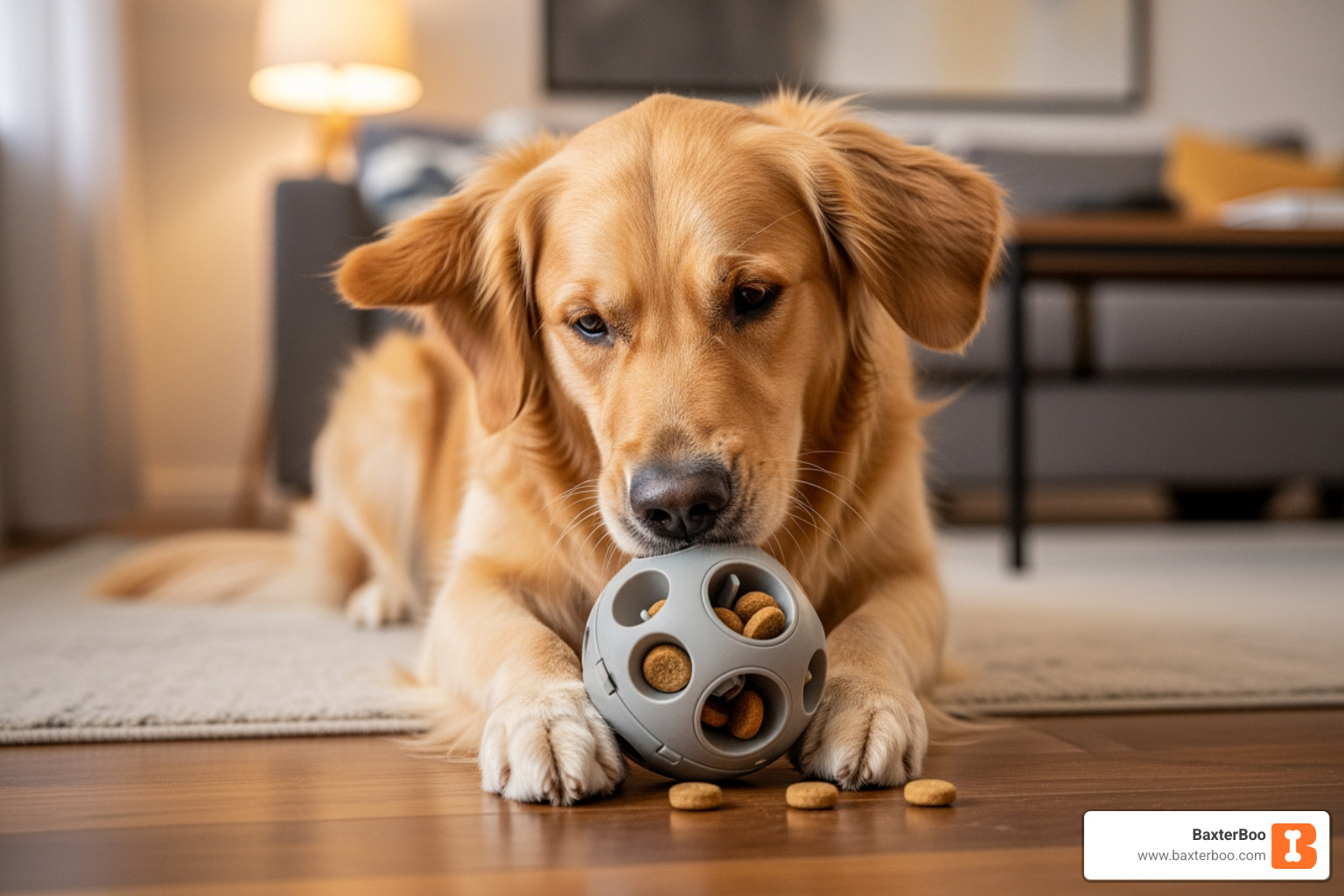
For many dogs, anxiety stems from boredom or a lack of mental stimulation. This is where puzzle and treat-dispensing toys shine. These ingenious devices turn mealtime or snack time into a stimulating challenge, requiring your dog to think, strategize, and work to get their reward. This mental enrichment is crucial because, as we've seen, boredom can even cause stress in a dog. By engaging their problem-solving skills, these toys offer a much-needed distraction and a positive outlet for their energy.
Puzzle toys are incredibly helpful in situations like separation anxiety, where your dog might otherwise fixate on your absence. Puzzle toys can help dogs to focus on something other than the fact that their beloved human has left for work. They also serve as excellent aids for crate training, helping to create positive associations with their kennel by providing a beloved activity within that space. As Dr. Jamie Whittenburg, DVM, Veterinary Director at Senior Tail Waggers, points out, "Puzzle toys are ideal for maintaining your senior dog’s cognition and keeping them occupied. These dogs can use puzzle toys to keep their minds stimulated, which will reduce destructive activity, such as chewing on inappropriate objects or digging."
From simple treat-stuffable rubber toys like the classic KONG, which can be frozen with dog-safe peanut butter for extended engagement, to more intricate multi-step puzzles, the variety is vast. Some, like The Pupsicle, can keep a dog engaged for up to 40 minutes, providing a substantial period of calm. Food-dispensing toys come in various difficulty levels, allowing you to tailor the challenge to your dog's individual smarts and motivation. Trainer Mindy Waite considers them an excellent choice for distracting food-driven dogs in stressful moments or to even reduce stress during training.
3. Durable Chew Toys: To Satisfy a Primal Calming Need
Chewing isn't just a fun pastime for dogs; it's a deeply ingrained, innate behavior that plays a significant role in their emotional well-being. When dogs chew, it's not merely for entertainment; it's a powerful self-soothing mechanism. There is even evidence that the simple act of chewing can decrease stress levels, helping your dog feel better. This means that providing appropriate and durable chew toys is a fundamental strategy in managing anxiety and boredom.
Chewing helps dogs release pent-up energy, relieve frustration, and can be a fantastic way to occupy their time, especially when they're left alone or are experiencing stress. The physical action of gnawing and grinding can be incredibly therapeutic, acting as a natural stress reliever.
However, choosing the right chew toy is paramount for both effectiveness and safety. Dr. Whittenburg highlights the importance of matching the toy's strength to your dog's size and chewing power, cautioning that "pet parents should not allow their dog to chew on anything that is too hard to easily press their thumbnail into." Toys that are too hard can pose a risk of dental fractures, while those that are too soft for an aggressive chewer can quickly disintegrate and become a choking hazard. For power chewers, we often recommend toys made from tough nylon or durable rubber that can withstand vigorous chewing.
4. Snuffle Mats: For Scent-Based Stress Relief
Our dogs experience the world primarily through their noses, and engaging their powerful sense of smell can be a profound way to induce calm. Snuffle mats are brilliant tools that tap into this innate canine behavior. These mats, often made of fabric strips or crevices, are designed to hide treats, encouraging dogs to use their nose and "snuffle" for their reward. This activity mimics natural foraging behavior, which is inherently rewarding and stress-reducing for dogs.
Snuffle mats are ubiquitous as the go-to enrichment toy, but did you know this type of toy can help your pup reach some serious calm? Mindy Waite, Ph.D., CAAB, CPDT-KA, a certified dog trainer and behaviorist, notes that "there is some literature (although not much) suggesting that engaging in sniffing activities through nose work increased dogs’ willingness to approach novel objects." This suggests that nose work, like that provided by snuffle mats, can not only calm anxious dogs but also build their confidence.
Beyond calming, snuffle mats offer numerous benefits. They provide mental enrichment, help slow down fast eaters, and can be incredibly useful for keeping highly anxious dogs busy. By focusing on the task of finding hidden treats, dogs can redirect their nervous energy away from destructive behaviors, making these mats a key tool for managing separation anxiety or general boredom. It's a simple yet effective way to engage their minds and bodies in a constructive, calming activity.
Explore our range of engaging snuffle mats, perfect for stimulating your dog's natural foraging instincts and providing a calming, scent-based activity.
5. Heartbeat & Companion Toys: Mimicking Comfort
Sometimes, the simplest comforts are the most profound. Heartbeat and companion toys are designed to replicate the soothing presence of a mother or littermate, offering a unique form of comfort that appeals to a dog's most primal instincts. These plush toys often incorporate a battery-operated pulsing "heart" that simulates a real heartbeat and sometimes include a heat pack for gentle warmth.
This combination of warmth, softness, and a rhythmic pulse is particularly helpful for nervous puppies transitioning to new homes, away from their mother for the first time. The simulated heartbeat sound may be soothing to orphaned puppies or young puppies experiencing their first nights alone. Dr. Jamie Whittenburg, DVM, highlights that "plush heartbeat toys combine warmth, softness, and a rhythmic pulse to recreate the experience of snuggling with littermates—which makes them particularly helpful with nervous puppies."
Beyond puppies, these calming toys for dogs can be a godsend for adult dogs experiencing separation anxiety, loneliness, or general stress. The Snuggle Puppy, for instance, uses low heat and a heartbeat function to mimic a companion for your anxious dog, providing a consistent source of comfort when you can't be there. The SmartPetLove Snuggle Puppy even comes with a single-use heating pad and a battery-operated pulsing "heart" disc, which can be secured with Velcro in the toy’s belly pouch. This sensory experience can significantly reduce feelings of isolation and help your dog settle down, whether in their crate or simply resting.
Provide your dog with the ultimate comfort and companionship with our BaxterBoo Calming Heartbeat Plush Toy, designed to soothe and reassure with its gentle warmth and rhythmic pulse.
How to Choose the Right Calming Toys for Dogs
Finding the perfect calming toy for dogs is less about buying the most expensive option and more about understanding your dog's unique personality and anxiety triggers. As veterinarian Chris Roth, DVM, wisely advises, "It is going to be a trial-and-error process to see what works for your dog, and so you may need to try a few or a combination of solutions to find what works best for your pet." We couldn't agree more! Think of it as a personalized journey to find your dog's happy place.
Matching the Toy to Your Dog's Anxiety Type
The first step in choosing the right toy is to identify the specific type of anxiety your dog experiences. Calming toys work best when you know your dog’s anxiety triggers—the event that sparks their feelings of fear or stress.
- Separation Anxiety: If your dog struggles when left alone, toys that provide long-lasting mental engagement are key. Puzzle toys, treat-dispensing toys, and frozen lick mats can keep their minds occupied, helping to redirect their focus from your absence. Heartbeat toys can also provide comfort, mimicking a companion.
- Noise Phobia (Thunder, Fireworks): For dogs fearful of loud noises, distraction is often the best strategy. Lick mats, especially frozen ones, or easy-to-use puzzle toys can help shift their attention away from the alarming sounds. The key is to offer something engaging but not too challenging, as high-stress situations can make complex puzzles frustrating.
- Travel Stress: Car rides can be daunting for some pups. A lick mat attached to a surface in the car, or a favorite treat-dispensing toy, can provide a comforting distraction, making the journey more pleasant.
- Situational Anxiety (Vet, Groomer): Similar to noise phobias, these situations benefit from simple, highly rewarding distractions. Lick mats are excellent for keeping your dog focused and calm during procedures or waiting times.
- Boredom: A bored dog can quickly become an anxious or destructive dog. Puzzle toys, snuffle mats, and durable chew toys are perfect for providing ongoing mental and physical stimulation, preventing boredom from escalating into stress.
Key Features and Safety in Calming Toys for Dogs
Once you've identified the anxiety type, consider the features that will make a toy safe and effective for your individual dog.
- Durability for Chew Style: This is non-negotiable. For safety reasons, the strength of your dog’s chew toy must be appropriate for their size and chewing power. Dr. Whittenburg strongly advises against any toy that is "too hard to easily press their thumbnail into," as these can cause dental damage. For aggressive chewers, opt for extra-durable models. A toy that breaks easily can pose a choking hazard.
- Material Safety: Always choose toys made from non-toxic, pet-safe, and preferably hypoallergenic materials. Look for reputable brands and check product descriptions carefully.
- Size Appropriateness: A toy that’s too small can be swallowed, while one that’s too large might be difficult for your dog to manipulate. Many popular brands, like KONG, offer variations for different life stages and sizes, such as KONG Senior and KONG Puppy.
- Ease of Cleaning: Especially for treat-dispensing toys, ease of cleaning is important to prevent bacteria buildup. Many options, like the Snuggle Puppy (after removing electronic components), are machine washable.
- Sensory Features:
- Heartbeat Sounds: Mimic a comforting presence, ideal for puppies or dogs seeking companionship.
- Calming Scents: Aromatherapy toys infused with dog-safe essential oils like lavender can be soothing for some dogs. However, exercise caution. As Dr. Whittenburg warns, "essential oils, though soothing for humans, can be overwhelming for dogs." Ensure your dog can move away from the scent if they find it too strong.
- Treat-Dispensing Mechanisms: These provide a rewarding and distracting element, encouraging positive engagement.
Pro Tips for Maximum Effectiveness
Getting the most out of your calming toys for dogs involves more than just handing them over. A few strategic approaches can significantly boost their effectiveness:
- Toy Rotation: Dogs, like humans, can get bored with the same old things. Keep a selection of calming toys for dogs and rotate them regularly to maintain your dog's interest and novelty.
- Using Toys Predictively: For anticipated stressful events (like thunderstorms or vet visits), introduce the calming toy before the stressor begins. This allows your dog to engage with the toy in a calm state and build a positive association. As veterinarian Alejandro Caos, DVM, notes, "An important aspect of reducing stress and anxiety is predicting the event that may cause your pet to be triggered into an unwanted state of anxiety.” Planning for predictable stressful events like fireworks by giving calming aids about two hours before the noise happens can be very effective.
- Creating Positive Associations: A major part of crate training, for example, is creating positive associations with your dog’s kennel. To that end, it’s helpful to offer your dog something they really love while they’re in their crate, like a treat-filled KONG.
- Combining Toys with Other Aids: Sometimes, a single toy isn't enough. Certified trainer and behaviorist Susie Aga suggests, "Try a combination of several things until you find out what works... When your dog starts to respond and get better, then you can slowly take things away to see what works." You might pair a lick mat with a calming supplement, or use a puzzle toy alongside a calming hoodie.
Beyond the Toy Box: When to Consult a Professional
While calming toys for dogs are incredibly valuable tools in managing anxiety, it's crucial to understand that they are part of a broader strategy, not a standalone solution. Severe anxiety or escalating behavioral issues may require a multi-faceted approach involving veterinary care and professional training.
Recognizing When You Need More Help
Calming toys are designed to alleviate mild to moderate anxiety and provide temporary relief or distraction. However, if you observe any of the following, it's a strong indicator that you need to seek professional help:
- Persistent Anxiety: Your dog's anxiety doesn't improve, or even worsens, despite consistent use of calming toys and environmental adjustments.
- Escalating Behaviors: You notice an increase in destructive chewing, excessive barking, house-soiling, or self-mutilation (like excessive licking or chewing of paws).
- Aggression: Your dog shows signs of aggression (growling, snapping, biting) towards people or other animals when anxious.
- Self-Harm: Your dog's anxiety leads to behaviors that cause physical harm to themselves.
- When Toys and Training Aren't Enough: If the calming toys, along with your efforts in positive reinforcement training, aren't making a significant difference, it's time to consult an expert.
It's always best to consult your dog's vet if you notice these symptoms. They can rule out any underlying medical conditions contributing to the anxiety and help you develop a comprehensive treatment plan. A certified professional dog trainer or veterinary behaviorist can also provide invaluable guidance on behavior modification techniques custom to your dog's specific needs. Calming aids should not be a substitute for proper training, socialization, or medical treatment.
Other Calming Aids to Consider
In conjunction with calming toys for dogs, other products can provide additional support:
- Calming Supplements: Many supplements contain ingredients like L-theanine, valerian root, chamomile, and passionflower, which have traditionally been used for their calming properties. Probiotic supplements can also support a dog's digestive system and neutralize stress hormones. Always consult with your veterinarian before adding any supplements to your pet's diet, especially if they have chronic diseases or are on other medications. Explore our range of supplements, including the BaxterBoo Nutrisource Amplifull Mobility Soft Chew Dog Supplement, which can offer additional calming support.
- Pheromone Diffusers: These devices release synthetic pheromones that mimic the natural calming pheromones produced by a mother dog. Annie Grossman, a certified dog trainer, notes, "You’ll often see these pheromone diffusers plugged in at vet offices or training centers... It’s been shown to help calm some anxious dogs in stressful situations." They can be particularly useful for separation anxiety or general household stress.
- Anxiety Vests: Products like the ThunderShirt apply gentle, constant pressure, similar to swaddling a baby, which can have a calming effect on some dogs. These are often used for noise phobias, travel anxiety, and separation anxiety.
Frequently Asked Questions about Calming Toys for Dogs
Are calming toys a substitute for training or medication?
No, absolutely not! While calming toys for dogs are fantastic tools, they are not a substitute for proper training, socialization, or, when necessary, medication prescribed by a veterinarian. Think of them as a supplementary aid, an important piece of a larger, holistic approach to managing your dog's anxiety. They work best when used in conjunction with positive reinforcement training and a consistent routine that builds your dog's confidence. For severe anxiety, medication may be a crucial component, and that should always be determined by your vet.
How do I introduce a new calming toy to my anxious dog?
Introducing a new calming toy for dogs to an anxious pup requires a gentle, positive approach. Here's how we recommend doing it:
- Choose a Calm Environment: Introduce the toy when your dog is already relaxed, not when they're actively anxious.
- Make it Appealing: For treat-dispensing toys or lick mats, fill them with high-value treats (like peanut butter or cream cheese) that your dog absolutely loves.
- Show Them How it Works: If it's a puzzle toy, demonstrate how to get the treats out a few times. Make it easy initially so they succeed quickly and build confidence.
- Supervise Initial Interactions: Always supervise your dog with a new toy, especially if they are anxious, to ensure they use it safely and don't become frustrated.
- Don't Force It: If your dog isn't interested, put the toy away and try again later. Never force them to interact with a toy, as this can create negative associations.
The goal is to create a positive experience, so keep it light and rewarding!
Can I leave my dog alone with a calming toy?
Whether you can leave your dog alone with a calming toy for dogs depends heavily on the specific toy and your dog's chewing habits.
- Supervise New Toys First: Always supervise your dog with any new toy initially to ensure it's safe for their chewing style and that they won't ingest small pieces.
- Avoid Small or Easily Destroyed Parts: Toys with small, detachable, or easily ingested parts should generally not be left with your dog unsupervised, especially if your dog is a strong chewer.
- Durable, One-Piece Toys are Safer: Durable, one-piece toys that are designed to withstand heavy chewing, like a classic KONG, are generally safer for unsupervised use. Even then, check the toy regularly for wear and tear.
Always err on the side of caution. If you have any doubts about a toy's safety for unsupervised use, it's best to offer it only when you can actively monitor your dog.
Find Your Dog's Zen
Navigating canine anxiety can feel overwhelming, but with the right tools, you can make a profound difference in your dog's well-being. Choosing the right calming toy for dogs can significantly improve your dog's quality of life by providing constructive outlets for their energy, easing stress, and offering comforting distractions.
We encourage you to observe your dog's unique preferences and anxiety triggers. Start with one or two types of toys that seem most appropriate, and remember that it's a process of trial and error. What works wonders for one dog might not be the perfect fit for another, and that's perfectly normal! We're here to help you every step of the way in Vernon Hills, IL, and beyond, with expertly curated, high-quality pet products.
At BaxterBoo, we're committed to pet wellness and offer a comprehensive range of products designed to support your furry family member.