Just like people, your pets can experience an upset stomach from time to time. Whether they found something in the yard to munch on or got into the trash, tummy trouble in your dog can range from food refusal to diarrhea to vomiting. While consulting your vet is the first step to discovering the trouble, in the meantime, there are a few ways you can treat tummy trouble at home while you wait for an appointment.
Skip a Meal
If your dog shows signs of stomach upset, consider withholding his next meal and allowing his digestive tract time to settle. This can be especially useful if your dog vomited earlier in the day and stomach acid is disrupting his appetite. Remember that the usefulness and safety of allowing your dog to fast can depend on the breed, as smaller dogs may not handle it as easily as larger breeds. You can ask your vet if withholding food is helpful for your dog.
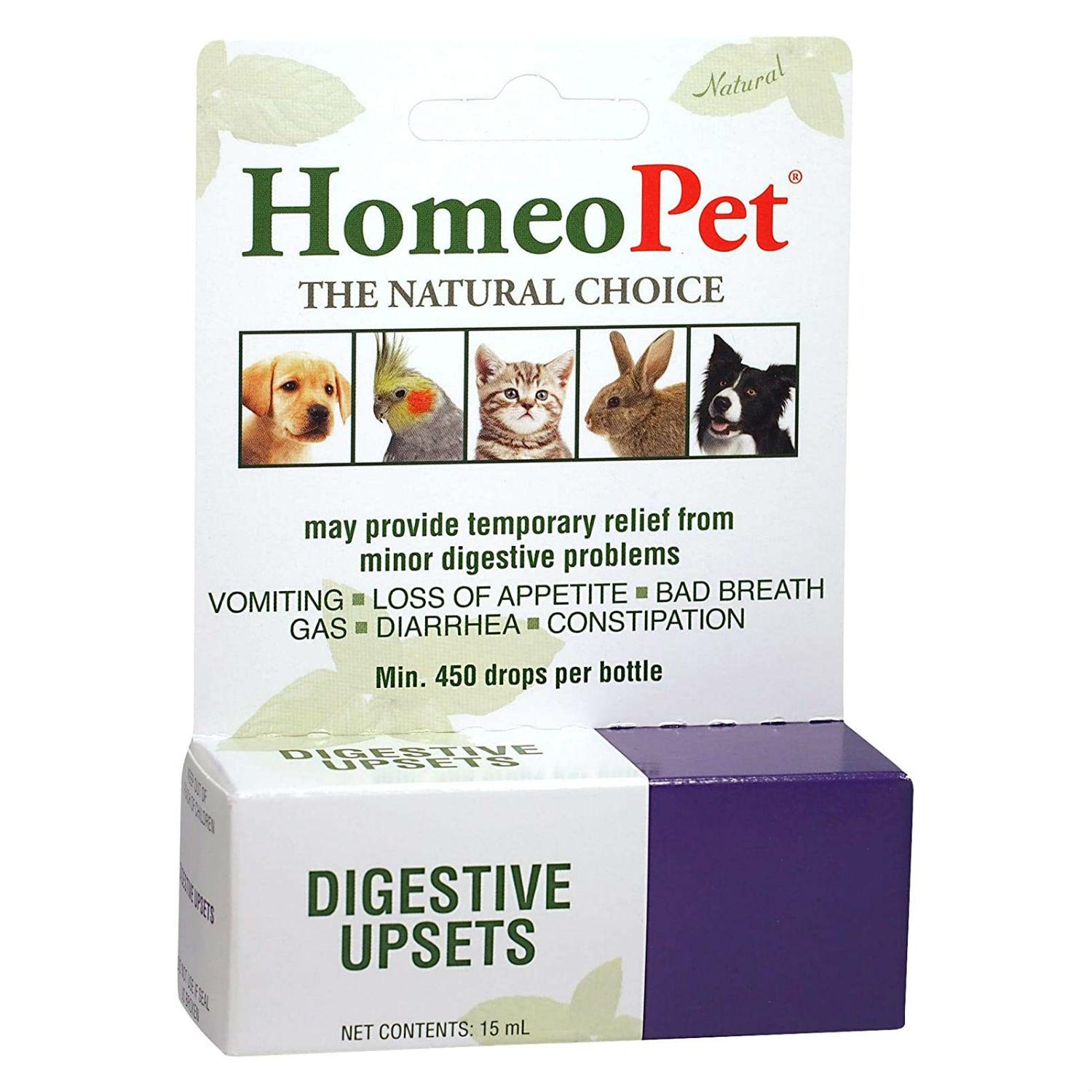
If you do choose fasting, you can treat your dog's stomach upset in the meantime with HomeoPet Digestive Upsets Supplements. They contain 100% natural ingredients and can help soothe your pet's symptoms. This, along with 12-24 hours of fasting, can help your dog feel better.
Offer a Bland Diet
When your dog suffers from an upset stomach, his rich wet food may not be the best choice when it comes to helping him feel better. Instead, offer small meals comprised of bland foods, including:
- Boiled chicken
- Chicken broth
- Rice
- Pumpkin
Allow your dog to set the pace when it comes to accepting these foods. If he refuses the first meal, do not be alarmed; he may just not feel up to eating if his stomach is sore from vomiting. Remain calm and offer the meal once every few hours and have fresh water available at all times. If your dog accepts the food, you can add a VetriScience Vetri Mega Probiotic capsule as well. This probiotic can help your dog's stomach settle by reducing gas and bloating, which may help bring back his normal appetite.
Offer Ice Cubes
Dogs can dehydrate quickly when they vomit or have the runs, so ensuring they drink plenty of fluids can help balance their electrolytes. One way to make sure your dog is getting fluids is by providing them with a few ice cubes in a bowl they can lick. One or two medium-sized cubes should suffice, and remember to monitor your dog during this time. You can check for signs of dehydration by looking at your dog's gums, as they may turn pale if he is not getting enough fluids.
If you have concerns about how tummy trouble might affect your dog's kidneys, you can add a supplement to his water or ice cubes, such as PetAlive Kidney Support. This can help maintain proper kidney function and is free of additives that might further upset your dog's stomach or prolong a current episode.
Let Your Dog Set the Pace
Sometimes your pet knows his own routines and bodily functions better than you do, so when he shows signs of an upset stomach, let him set the pace when it comes to eating and resting. Rest can be especially important after an episode of vomiting; after all, think about how it makes you feel when you have the flu. Allow your pup to rest and monitor his breathing and other vitals, but overall, giving him and his stomach time to heal is often the best medicine.
When dogs have mild stomach upset, the episode may last up to 48 hours. However, if your dog continues to vomit or refuses food after a few days, he may need veterinary treatment. A rundown of symptoms over the phone can let your veterinarian know whether your dog needs immediate treatment.
Prevent Grass Grazing
Many dog owners believe that dogs eat grass to relieve stomach upset or induce vomiting, but some studies show that ingesting grass or other plant material actually makes a dog ill instead of curing indigestion. Dogs that eat grass often do so out of boredom or because their diet is missing elements the grass might provide.
When your dog has an upset stomach, it is a good idea to monitor him outdoors during potty time so he does not eat grass, which can increase episodes of vomiting. A nutritious meal topper like Natura Petz Organics Kryptonite can offer missing nutrients with 19 amino acids and plenty of vitamins and minerals to help balance your dog's diet and reduce the chance of future digestive upset.
Prevent Digestive Upset
One of the best ways to treat digestive upset in your dog is to head it off before it can begin by adding supplements that help balance the enzymes in his digestive tract and reduce feelings of indigestion. NaturPet Intesti Care can provide your dog with a grain-free, herbal supplement that is suitable for dogs of any size or age and kills off worms or other parasites your dog might pick up in the yard or at the dog park.
Intestinal parasites can cause your dog considerable digestive upset, and if worms are visible in your dog's feces, you may want to consult your vet for initial treatment as well. Puppies are especially vulnerable to worms, so having a preventative supplement on hand can reduce the chances of infection.
Your dog's health can affect his quality of life and cause you to worry about the symptoms he shows. Knowing how to treat his tummy troubles while you wait to see a vet can provide you with peace of mind and ease his discomfort.