
 Save 15% on your 1st Autoship learn more

 Email us
 Live Chat
 FAQs
FAQs





Introduction
You are relaxing on the couch when your dog leans in for a friendly lick, and the smell hits you. That "dog breath" is more than just a minor annoyance. It is often the first sign that plaque and tartar are taking over your dog's mouth. Since 2006, we have helped pet owners navigate the world of oral care. While a toothbrush is the gold standard, many dogs simply will not tolerate it. Fortunately, the right diet can act as a secondary defense against dental disease. This article explores natural foods, specialized treats, and dental diets that help keep your dog's teeth sparkling. We will look at how mechanical scrubbing and natural enzymes can work together to improve oral health.
The Mechanical Power of Crunchy Vegetables
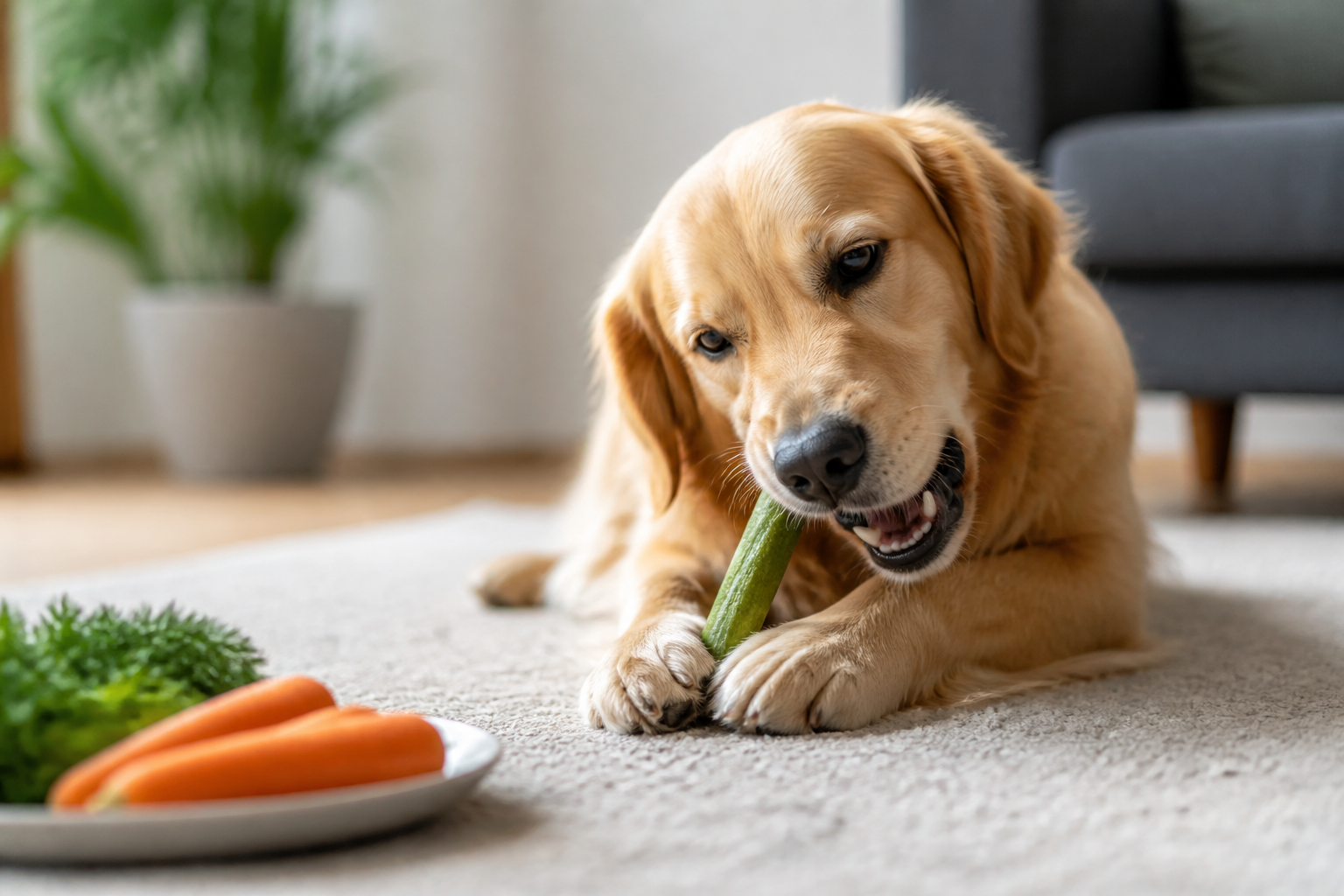
Crunchy vegetables are one of the simplest ways to help clean a dog’s teeth. When your dog bites into a firm, fibrous vegetable, the texture acts like a natural scrubber. It helps scrape away soft plaque before it has a chance to harden into tartar.
Carrots are a top choice for this task. They are inexpensive, low in calories, and most dogs love the sweet crunch. For the best dental benefits, serve them raw and in large enough pieces that your dog must actually chew rather than swallow them whole. Broccoli stalks are another excellent option. The tough, woody texture of the stalk provides significant resistance, which helps clean along the gum line.
Celery is often called nature's floss for dogs. The long fibers in celery can help clean between teeth as the dog chews. It also has a high water content, which can help wash away food particles and stimulate saliva production. Saliva is a natural defense against bacteria in the mouth.
Key Takeaway: Raw, crunchy vegetables provide mechanical abrasion that helps scrub plaque off teeth while offering a low-calorie snack.
Best Vegetables for Dental Scrubbing
- Raw carrot sticks or whole large carrots
- Broccoli stalks (peeled or unpeeled)
- Fresh celery sticks
- Slices of raw sweet potato
Fruits That Fight Plaque
Not all fruits are good for teeth, but a few can be very helpful. Apples are a classic example. The firm texture provides a good scrub, and the malic acid in apples can help break down stains on the teeth. Always remove the core and seeds before giving an apple to your dog. Apple seeds contain trace amounts of cyanide and are not safe.
Slices of pear offer a similar benefit. They are crunchy enough to provide some mechanical cleaning. Berries like blueberries and strawberries are also beneficial. While they are not crunchy enough to scrub the teeth, they are packed with antioxidants. These antioxidants help support healthy gums and reduce inflammation. Healthy gums are essential because they hold the teeth firmly in place and prevent bacteria from entering the bloodstream.
Vet Tip: While fruits are healthy, they do contain natural sugars. Limit fruit treats to about ten percent of your dog's daily calories to prevent weight gain or dental issues related to sugar.
The Role of Raw Meaty Bones
Feeding bones is a controversial topic, but many experts agree that raw, meaty bones are excellent for dental health. When a dog gnaws on a raw bone, the abrasive surface of the bone and the attached meat and cartilage rub against the teeth. This action is incredibly effective at removing plaque and tartar.
It is vital to never feed your dog cooked bones. Cooking makes bones brittle and prone to splintering, which can cause life-threatening internal injuries. Raw beef knuckles or marrow bones are generally the safest choices because they are hard enough to clean but less likely to shatter.
Always supervise your dog when they have a bone. Some dogs are "aggressive chewers" and may try to crack the bone, which can lead to fractured teeth. If you notice your dog is chewing too hard, it might be time to take the bone away.
Quick Answer: Dogs can eat raw, meaty bones, crunchy vegetables like carrots, and specialized dental treats to help clean their teeth. These items work by mechanically scrubbing plaque off the surface of the teeth during the chewing process.
Dental Superfoods and Enzymes
Some foods clean teeth through chemistry rather than just friction. Kelp is a notable dental superfood. It contains a specific bacterium called Bacillus licheniformis. This bacterium releases an enzyme that breaks down the bacterial biofilm that forms plaque. Many high-quality supplements use kelp as a primary ingredient for oral health.
Coconut oil is another helpful addition to the diet. It contains lauric acid, which has natural antibacterial and antifungal properties. Reducing the number of harmful bacteria in the mouth can lead to fresher breath and less plaque buildup. You can add a small amount of coconut oil to your dog's food or even use it as a pet-safe toothpaste.
Dill and fennel are herbs that can help freshen breath and fight oral bacteria. Fennel is particularly good for reducing inflammation in the gums. You can sprinkle dried or fresh herbs over your dog's meals for a quick dental boost.
Nutrients for Strong Teeth
- Calcium: Essential for maintaining the strength of the jawbone and teeth.
- Phosphorus: Works with calcium to keep tooth enamel hard.
- Vitamin D: Helps the body absorb calcium effectively.
- Omega-3 Fatty Acids: Reduces gum inflammation and supports overall oral health.
Probiotics for a Healthy Oral Microbiome
The mouth is home to billions of bacteria, some good and some bad. When the bad bacteria outnumber the good, you get bad breath and gum disease. Feeding your dog foods rich in probiotics can help balance this microbiome.
Plain, unsweetened yogurt or kefir are great sources of probiotics. These "good" bacteria can help crowd out the bacteria that cause plaque and bad breath. When choosing a yogurt, ensure it is free of Xylitol, a common sugar substitute that is highly toxic to dogs. A tablespoon of yogurt added to a meal is a simple way to support both gut and oral health.
Commercial Dental Diets and Treats
Sometimes, natural snacks are not enough, especially for dogs prone to dental issues. We carry several brands that specialize in dental health. For example, Greenies dental treats are a popular choice because they have a unique texture that allows the tooth to sink in, cleaning all the way to the gum line.
Specialized dental kibble is also an option. Unlike standard kibble, which often shatters immediately when bitten, dental kibble is larger and has a more fibrous structure. This forces the dog to chew more thoroughly. The kibble stays in contact with the tooth surface longer, providing a better cleaning effect.
If your dog has significant dental disease, your veterinarian might recommend a prescription dental diet. Our pharmacy carries prescription pet foods and medications through our pharmacy services. These diets are specifically formulated to tackle heavy tartar and support dogs with advanced oral health needs.
Key Takeaway: Commercial dental treats with the VOHC (Veterinary Oral Health Council) seal are proven to reduce plaque and tartar buildup through specific textures and ingredients.
What to Look for in a Dental Treat
- VOHC Seal: This ensures the product has been tested for effectiveness.
- Appropriate Size: A treat that is too small can be a choking hazard or swallowed whole.
- Flexibility: The treat should be firm but have some "give" to prevent tooth fractures.
- Digestibility: Ensure the ingredients are safe for your dog's stomach.
The Myth of Standard Dry Kibble
A common misconception is that all dry kibble cleans teeth simply because it is crunchy. In reality, most standard kibble is too small to provide much benefit. Most dogs swallow kibble after only one or two bites, or even whole. Additionally, many commercial kibbles are high in carbohydrates and starches. These starches can actually stick to the teeth and promote the growth of plaque-forming bacteria.
If you rely on kibble for dental health, look for "dental health" formulas specifically designed for this purpose. These usually have much larger pieces and a cross-hatched fiber pattern that scrubs the tooth as the dog bites down.
Safe Chewing Practices
Chewing is a natural instinct for dogs, and it is their primary way of keeping their own teeth clean. However, not all chew toys or edible chews are safe. Very hard items like elk antlers, dried hooves, or nylon bones can actually be too hard. These items often lead to "slab fractures," where a piece of the tooth breaks off.
A good rule of thumb is the "fingernail test." If you cannot make a small dent in the chew with your fingernail, it is likely too hard for your dog's teeth. Items like rubber toys from Kong can be stuffed with healthy, tooth-cleaning foods like yogurt or coconut oil. This encourages long periods of licking and chewing, which stimulates saliva and cleans the tongue.
For more ideas, explore these dental chews for dogs.
Vet Tip: If you notice your dog is bleeding from the gums, losing teeth, or refusing to eat hard food, please consult your veterinarian. These are signs of advanced dental disease that requires professional treatment, not just a change in diet.
Transitioning to a Dental-Friendly Diet
When introducing new foods to help clean your dog's teeth, it is important to go slowly. A sudden change in diet can lead to an upset stomach. Start by offering small pieces of vegetables or fruits as treats before incorporating them into regular meals.
Step 1: Consult your veterinarian. / Ensure your dog's teeth are healthy enough for crunchy snacks. Step 2: Start small. / Introduce one new fruit or vegetable at a time to check for any digestive upset. Step 3: Monitor the chewing. / Watch how your dog handles raw bones or dental chews to ensure they are not biting too hard. Step 4: Rotate options. / Offer a variety of textures, from crunchy carrots to chewy dental treats. Step 5: Maintain regular checkups. / Diet is a supplement to, not a replacement for, professional veterinary cleanings.
Managing Dental Health for Seniors
As dogs age, their dental needs change. Senior dogs often have more sensitive gums or missing teeth. For these dogs, very hard carrots or raw bones might be too painful. You can still support their oral health by using softer options.
Frozen apple slices or slightly steamed broccoli stalks can provide some cleaning action without being too difficult to chew. Probiotics and dental water additives are also excellent for older dogs. These work through the saliva to keep bacteria levels down without requiring heavy chewing.
Our pharmacy offers various mobility aids and health supplements for seniors. Maintaining oral health in senior dogs is vital because dental infections can quickly spread to the heart, kidneys, and liver.
Building a Dental Routine
Cleaning your dog's teeth is an ongoing commitment. By combining natural foods with high-quality treats and regular veterinary care, you can significantly reduce the risk of periodontal disease.
We recommend using our Autoship programme for your dog's favorite dental treats and food. This ensures you never run out of the supplies you need to keep their mouth healthy. Plus, you will save on every order and earn rewards through the MVP Rewards programme.
Bottom line: Diet is a powerful tool for maintaining canine dental health, using a combination of mechanical scrubbing from crunchy foods and chemical cleaning from enzymes and probiotics.
FAQ
Can carrots really replace brushing my dog's teeth?
No, carrots cannot replace regular brushing or professional veterinary cleanings. While the crunch of a carrot helps scrub away soft plaque, it cannot reach the bacteria hidden under the gum line. Think of carrots as a helpful supplement to a complete oral hygiene routine rather than a total replacement.
Are dental water additives safe for dogs?
Yes, most dental water additives are safe and effective when used as directed. They typically contain enzymes or antibacterial agents that help break down plaque and freshen breath as the dog drinks. Look for products with the VOHC seal of approval and always introduce them gradually to ensure your dog likes the taste.
Is it safe to give my dog raw bones for their teeth?
Raw meaty bones can be safe and very effective for cleaning teeth, but they require strict supervision. You must choose the right size and type of bone for your dog to prevent choking or tooth fractures. Always avoid cooked bones, as they are brittle and can cause serious internal damage if swallowed.
Why does my dog still have bad breath even though I give them dental treats?
Bad breath can be caused by more than just dirty teeth. It could be a sign of advanced periodontal disease, an underlying digestive issue, or even kidney problems. If dental treats and diet changes do not improve your dog's breath, it is important to visit a veterinarian for a thorough physical exam.






