
 Save 15% on your 1st Autoship learn more

 Email us
 Live Chat
 FAQs
FAQs





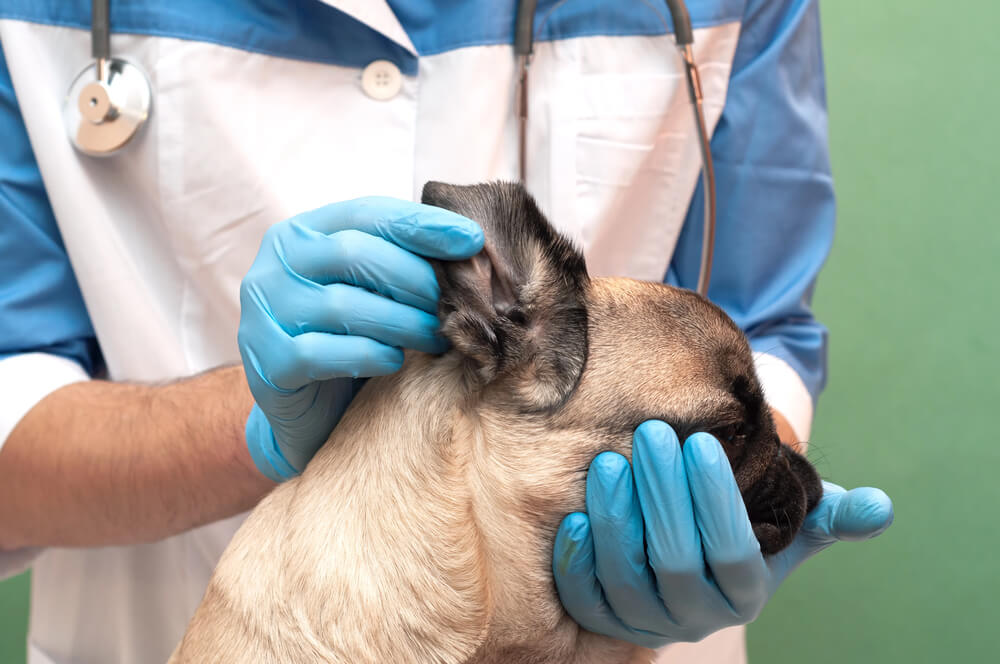
Ringworm is a common fungal infection that any domesticated animal can get. But what does ringworm look like on a dog? Understanding the symptoms, causes, and treatments for ringworm can help you stop the spread of the fungus to other pets and yourself.
Ringworm On a Dog vs. Fungal Infection On a Dog
Dogs can get many kinds of fungal infections, including ringworm. Let’s look at a few varieties to better determine whether the infection you are looking at is ringworm or something else.
Ringworm
In spite of what ringworm looks like on a dog, it is not actually a worm. It is an unfortunately common fungal infection found in dogs and most other domesticated animals worldwide. Most of these infections are caused by the fungus Microsporum canis, though other less common funguses, including Microsporum gypseum and Trichophyton mentagrophytes, can also cause ringworm. However, not all fungal infections are ringworm.
How to Identify Ringworm on Your Dog
The ringworm fungus lives in the skin's uppermost layer and hair follicles. It can also live and grow in dogs' nails. Ringworm is generally characterized by its round, raised, red ring appearance. If you notice any symptoms, including round patches of hair loss, brittle hair, swollen skin, or brittle nails, in your beloved furry friend, take them to the veterinarian as soon as possible.
Other Fungal Infections
Several other types of fungal infections found in dogs include
-
Yeast Infections: Usually found in warm, moist areas, including ears, paws, or folds in the skin. Characterized by redness, itching, odor, and discharge.
-
Aspergillosis: Found in soil, plants, and decaying organic matter, and causes respiratory issues characterized by nasal discharge, sneezing, coughing, difficulty breathing, etc.
-
Blastomycosis: Found in moist soil and decaying organic matter. It generally affects the lungs but can move to other body parts. Symptoms include coughing, difficulty breathing, fever, weight loss, skin lesions, and eye issues
If you notice signs of any fungal infection, call and make an appointment with your veterinarian as soon as possible.
When to Take Your Dog to the Vet for Ringworm

If you notice any symptoms of fungal infections or ringworm on your dog, contact your veterinarian as soon as possible for an appointment. They will perform various diagnostic tests, including fungal cultures, microscopic examination, biopsy, or blood tests, to determine whether it is a fungal infection or something else.
Treatment and Prevention
Once your veterinarian determines your dog's type of fungal infection, they may discuss various treatment options with you. Depending on the infection's type and severity, here are some options for treating your furry friend's ringworm or other fungal infections.
Anti-fungal Oral Medications
This option involves a pill that inhibits the ringworm’s growth and helps prevent it from spreading. There are several types of pill hiders to help your dog take the pills more easily.
Topical Treatments
This is the most common treatment for ringworm in dogs. However, your vet may prescribe oral medication and topical treatment in more severe cases or if you have other pets or children in your home. Common topical treatments include:
If your dog has ringworm, you will need to clean, vacuum, and disinfect any area of your home where it has been. Ringworms can live for months on surfaces that infected hair and dander have touched.
Now You Know What Ringworm Looks Like on a Dog
So, your answer to what ringworm looks like on a dog is pretty simple. Your dog may have ringworm if it has circular, red, swollen, hairless patches. If you see this on your beloved dog, call your veterinarian right away to get your dog tested.
At BaxterBoo, we have the products you need to treat ringworm in your furry friend. Reach out to us so we can help you get the proper products to treat the ringworm so you do not have to worry about your dog, other pets, or your family members.






