Save 15% on your 1st Autoship learn more

 Email us
 Live Chat
 FAQs
FAQs





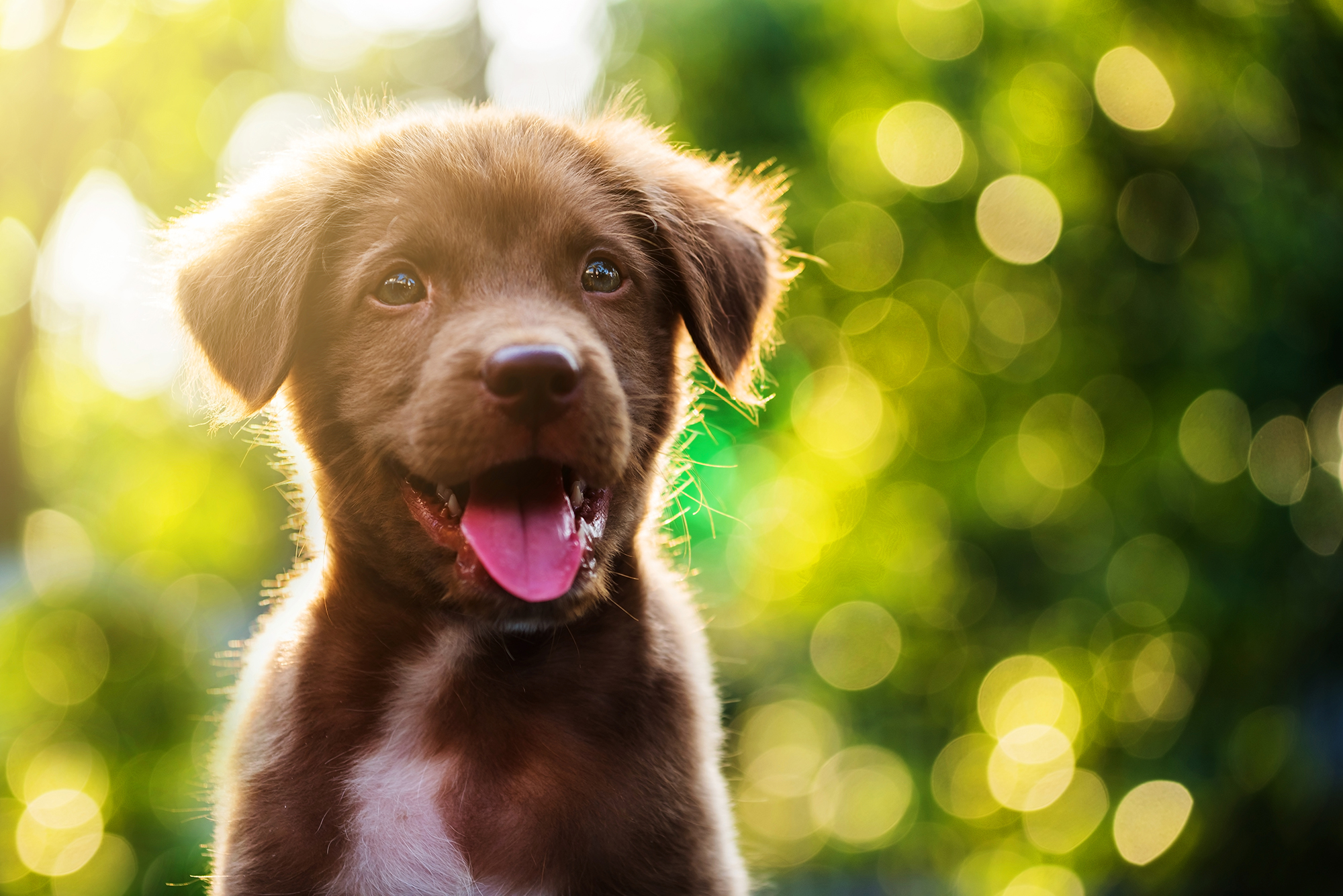
There is nothing quite as exciting as the feeling you get when you bring a new puppy home for the first time. As he gets to know his new surroundings on his wobbly little legs, you are instantly falling in love. Of course, puppies are just like human babies in that they need to learn and grow. They can't easily communicate what they want or need, so it's important to understand what kind of behaviors to watch for in a new puppy.
1. Chewing
One of the biggest behaviors that you're likely to notice in your new puppy is his willingness to chew on anything and everything. For your puppy, chewing is a way to ease the pain that occurs as new teeth are coming in, as well as a way to learn about all the new things in his surroundings. For you, a chewing puppy means money spent to replace your belongings, not to mention the potential for large vet bills. Luckily, you can curb the habit with the right tools.
First, puppy-proof your house just like you would for a human baby. Get down to his level and see what you find that might interest him. Tie up power cords and keep them out of his reach, put your shoes in closets or on a shelf, and keep jewelry, small children's toys, and anything else that makes its way onto your floor out of your puppy's reach.
Next, redirect his attention. Your puppy needs lots of chew toys to help him through the teething process and teach him not to chew on your belongings. From basic toys like the foufou Dog Birthday Cake Chew Latex Dog Toy to Ethical Spot Scent-Sation Bone Dog Toys that smell like bacon, there's a little something for every type of dog. Just remember to get something that's good for his size. If it's too big, he'll not want to chew on it. On the other hand, a big puppy shouldn't have a small one's toys because they pose a choking hazard.
2. Jumping
When you bring your puppy home, his little jumps onto you may be cute, but it's still something that you should get a hold of while he's small. As your puppy grows, jumping on people can be annoying and may even be dangerous if he will grow to be a large dog. Start training your puppy not to jump on you from the day you bring him home. Work on teaching him basic commands such as "sit," "stay," and "lay down." Use positive reinforcement by praising him when he listens and giving him plenty of his favorite dog treats.
Like human children, puppies won't always pick up on their commands right away. If your dog continues to jump on you after you've told him no or used one of the aforementioned commands, then try to redirect his attention with a toy. If he doesn't show any interest in the toy and continues to jump, ignore him. Eventually, he will realize that jumping does not get him the attention that he wants.
3. Sniffing
Dogs sniff to get to know their surroundings, so it won't be unusual to see your pup sniff new things that you bring into the house. However, it is important to keep in mind that dogs also sniff when they need to use the bathroom. If you want to avoid your puppy turning your carpets into their own personal bathrooms, it's important to start potty training early and often.
The day you bring your puppy home, put a collar and harness on him. Grab a sturdy leash and take him to the area where you want him to use the bathroom. Let him sniff around and give him commands such as "go pee" or "go potty." Keep in mind that your puppy probably won't pick up on potty training right away. For this reason, it's important to take him outside every couple of hours as well as right after he wakes up, right before bed, and about 30 minutes after he eats.
Ideally, you will stick to an outside schedule with no need to use training pads, as pads give your puppy the illusion that he can use the bathroom inside and may confuse him. It is a better idea to teach your puppy to sleep in his crate and to be crated when you aren't home to watch him. This not only keeps him safer but helps to prevent messes during the potty training stages.
4. Biting
Puppies tend to be natural biters, which may seem cute but can lead to much bigger problems as they grow and get stronger teeth. If your puppy bites you to get your attention or bites you when you're playing, it's important to train him in bite inhibition. This is especially true once your puppy reaches about 12 weeks of age. In addition to providing appropriate chew toys for your puppy, it is important to avoid any aggressive play that could lead your new dog to try to bite your hands. If he does bite you, use a high-pitched "ouch" sound to startle him into not biting. When your pup continues to bite, stop giving him attention. Walk away and ignore him until he focuses on something else. This teaches him that biting means being ignored.
Keep in mind that just like human babies, puppies take a while to learn their environments and develop emotional regulation. The key to being a good dog parent is to be a patient dog parent. Additionally, if you find that you have trouble training your puppy on your own, don't be afraid to ask for professional help. Doing so means a happier and healthier life for you and your dog alike.