
 Save 15% on your 1st Autoship learn more

 Email us
 Live Chat
 FAQs
FAQs






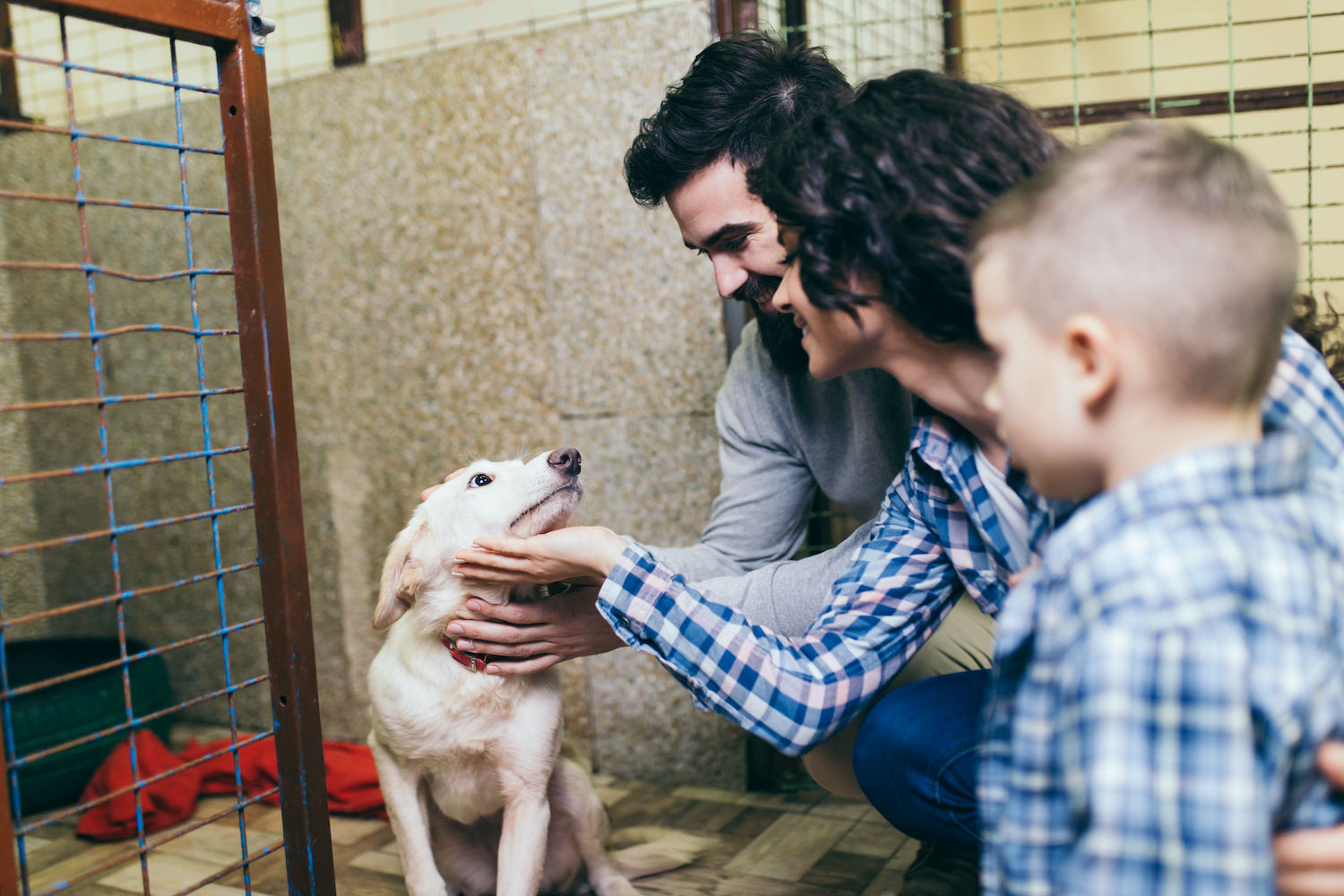
Millions of pets enter animal shelters every year and not nearly enough of them find homes. Adopting a pet from a shelter gives you a chance to rescue an animal while bringing a lifelong friend into your home. However, it is important to keep in mind that you'll need the right resources for a pet. Consider the following before bringing your new dog or cat home.
1. Your Pet Will Want Your Time and Attention
Too often, people get dogs and think it will be okay to be alone for hours while the person is working, running errands, or doing other tasks outside of the home. While it's true that some adult dogs can spend a few hours alone without a problem, this isn't an option for puppies, senior dogs, or breeds that often suffer from separation anxiety or boredom.
Leaving your pet alone for too long can lead to accidents in the house (even trained dogs may show regression if alone too long), destructive behaviors, depression, or even aggression. If you work very long hours, consider getting a cat instead, as they are much more independent. Alternatively, you can see if your job will allow you to bring your dog to the office, take your pet to doggie daycare, or hire someone to spend time walking and playing with them while you're at work.
2. Your New Pet Will Need Time To Adjust
Many times, an animal that has been to a shelter has come from the streets or a less-than-stellar home situation. Even a dog that was well-loved but had to be surrendered can become frightened when thrust into a noisy, crowded shelter. This means that any animal you bring home is likely to be scared and will need time to adjust.
If you adopt a cat, expect him to hide for several days. If you already have cats in the home, it's important to keep them separate for a few days and introduce them gradually to prevent fighting. Leave fresh water and food for your new pet and ensure he has access to a litter box. Even if you don't see him much during the day, he'll probably come out at night to eat and explore the house. Eventually, he'll realize you're safe and start coming to you.
Dogs can be much the same when it comes to being nervous. Always introduce new dogs to pets and kids in the home gradually. If you can, take current dogs or your children to the shelter with you to help acclimate them in a safe and controlled environment. When you get your new pet home, expect him to whine or bark at night for a few days. He may also be too nervous to allow you to pet him much at first. Fun dog treats or new toys can help him to get used to you.
3. Expect to Spend Money on Supplies
People often don't realize just how much money they'll spend to bring a new pet into the home. In fact, you'll need items from the moment you put your pet in the car, as you'll need a travel crate or a dog seat to take your new pet safely. Once you get home, expect to spend even more money. You'll need the aforementioned treats and toys, as well as bowls, food, and animal shampoo for when your new pet needs a bath.
Think about hidden costs as well. If you live in a rental, you'll likely need to pay a non-refundable pet deposit and a monthly pet rent. Your new pet will need to see a vet for a checkup, even if he has received vet care at the shelter. You'll also need to pay for registration tags, ID tags , and may need to spend money on obedience classes if your dog could use some help learning manners.
4. A Dog or Cat Is a Lifetime Commitment
Consider your long-term plans when deciding whether to add a dog or cat to your family. Most dogs live at least 10 years, and smaller breeds can live up to 20. Cats also have long lifespans. If you are a newlywed, will you want a pet to take care of when you have a newborn? If you are in college, will you be able to take a dog with you when you begin your new career path? Older adopters should also consider whether the dog can go to a family member if something unexpected happens. Remember, a pet is fun and lovable, but it's also a lot of responsibility. If you prefer to live your life without putting down roots, choose a dog breed that loves to be on the road with you, for example.
5. You Won't Know Exactly What You're Getting
Pets that come into shelters are often mixed breeds and veterinarians do "best guesses" to determine their genetic makeup. You may end up with a dog that looks like he's all lab but has a bit of German Shepherd in him, for example. Additionally, pitties in shelters often make great pets, but most are actually mixed breeds. Finally, keep in mind that vet care is typically basic in a shelter, so you may learn that your pet has allergies or needs other special care once it has a more comprehensive exam.
Go into a shelter with an open mind and an open heart when you decide it's time to add a new pet to your family. Doing so means you might notice a lovable baby that everybody else has overlooked. With the right frame of mind and the right budget, you're likely to find a lifetime friend.









- Site & Contents BaxterBoo.com. BaxterBoo is located in the United States.
- Privacy & Security
- Terms of Use
- Accessibility Statement
