Save 15% on your 1st Autoship learn more

 Email us
 Live Chat
 FAQs
FAQs





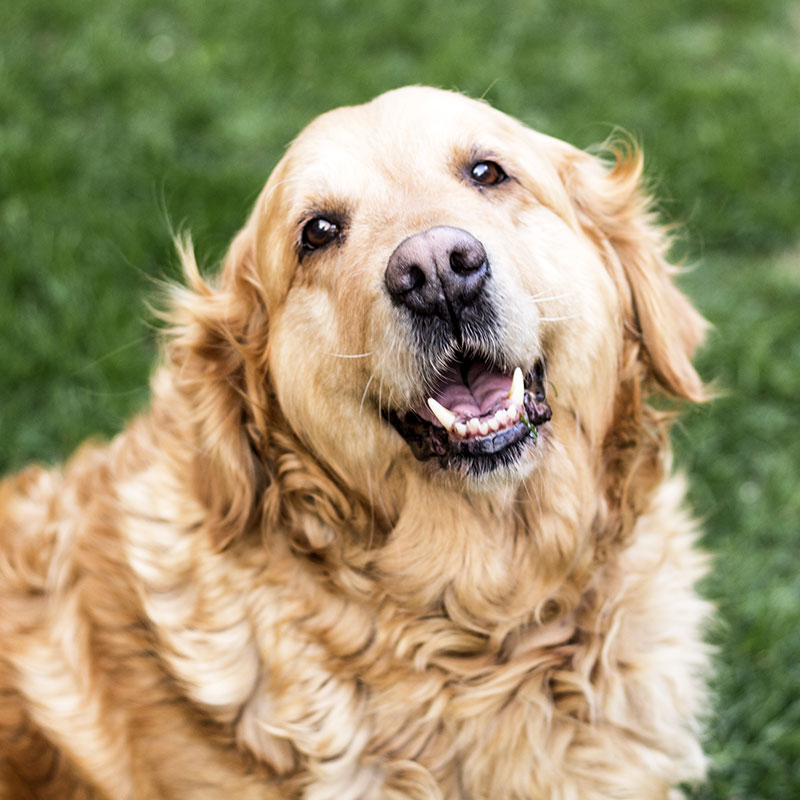
In an ideal world, dogs are socialized as puppies and live happy lives. The world isn't ideal, though, which means you may find yourself the new human to an older dog who hasn't been well-socialized. Regardless of the situation, you'll be happy to know that your new family member can still be socialized, as long as you take the proper precautions to keep him and others safe during the process. Use these tips and tricks to help you dog begin living the happy, playful life he has always deserved.
1. Walk Your Dog Daily
The easiest way to begin socializing your dog is to walk him through your neighborhood each day. Because you will be in control of how far he can travel at once, it will help him get used to a variety of situations without posing a threat to himself or others. He will come across new people, new animals, cars, and a variety of other neighborhood noises that can help him to acclimate.
Using the right safety system is essential for a productive walk, especially if your dog tends to pull on his leash. A leash and collar alone leaves your pet vulnerable to trachea damage that could lead to expensive vet bills or worse. Use a harness instead. A dog harness wraps around your pet's body to ensure that he doesn't hurt himself if he pulls on his leash. It also provides you with more control, which is especially beneficial if your dog is large or strong.
2. Use Plenty of Positive Reinforcement
If your dog is pulling too hard or shows aggressive behavior, your natural instinct may be to yell. However, while you're socializing your dog, it is important to focus on rewarding good behavior over scolding the bad. What does your dog love the most? If he is food-motivated, giving him treats for positive behavior will reinforce it in his mind. Maybe he loves to play. Good behavior could result in extra play time or a new favorite toy.
When giving rewards, keep a couple of things in mind. If you use food, choose healthy dog treats that aren't too rich or high in fat. Dogs that eat too many high-fat treats or food can develop pancreatitis. If your dog's reward is extra playtime, remember not to let him become too distracted from his surroundings. After all, remaining aware of them is part of helping him to become more comfortable in situations he normally fears.
3. Introduce Your Dog to New People
Some older dogs have trouble meeting new people. If you want him to socialize with more humans, invite your friends or family members over to your home. Of course, you'll need to take things slowly to avoid overwhelming your dog. Keep him in a separate room until your guests are settled and in a comfortable sitting position. When you do let him into the common area, do not let anyone approach him or speak to him. This can spook him and may lead to aggression.
Your dog should be the one to approach new people first. Once he begins to, you can as your guests to crouch down and hold out treats or drop them on the floor, but avoid eye contact. Be patient, as he may take a while to accept the treats. However, do not provide him more if he continues to avoid new guests. This only reinforces his lack of socialization.
4. Have a Date for Your Dog
Take extra care if you want to introduce your dog to other dogs. Dogs may become territorial and aggressive, so avoid meeting at your home, the other dog's home, or even in a favorite park. Instead, choose a new park or another neutral space. Meet during the early morning hours or another calm time to ensure the meeting goes as well as possible.
When choosing which dog for your own to meet, consider how well-trained the other dog is. A friend who has a well-socialized, well-mannered, and confident dog is the best choice. The other dog will set a good example for your own, and your friend can help you learn how to lead a successful introduction in the future.
Take the introduction slowly. Keep both dogs leashed and keep your distance. Approach slowly, rewarding your dog for calm behavior along the way. When the two dogs reach each other, allow them to circle and sniff before walking away again. Avoid using leashes that are too tight or trying to pull the dogs away from each other, as this can lead to further aggression. Keep in mind that a very shy dog may need to repeat the introduction process many times before he remains calm.
5. Monitor Your Own Behavior
Minding your own reactions is essential for socializing an older dog and teaching him not to be fearful. If you show signs of nervousness, stress, or aggression during introductions, your dog will pick up on them and display the same emotions. Your body language and tone are equally important. Stand tall, avoid pulling back from new situations, and keep your voice calm and confident. As hard as it may be, avoid comforting your dog if he shows signs of being scared. Comforting him reinforces his belief that the situation is a scary one. Instead, stay calm, don't acknowledge his fear, and show him that the situation is routine and not something to worry about.
Remember, never force your dog to socialize. Calming treats may help in individual situations, but if the overall process is simply too overwhelming for him, call in a professional. Your vet can recommend an experienced trainer who can help you and your dog learn how to thrive together during the socialization process.