Save 15% on your 1st Autoship learn more

 Email us
 Live Chat
 FAQs
FAQs





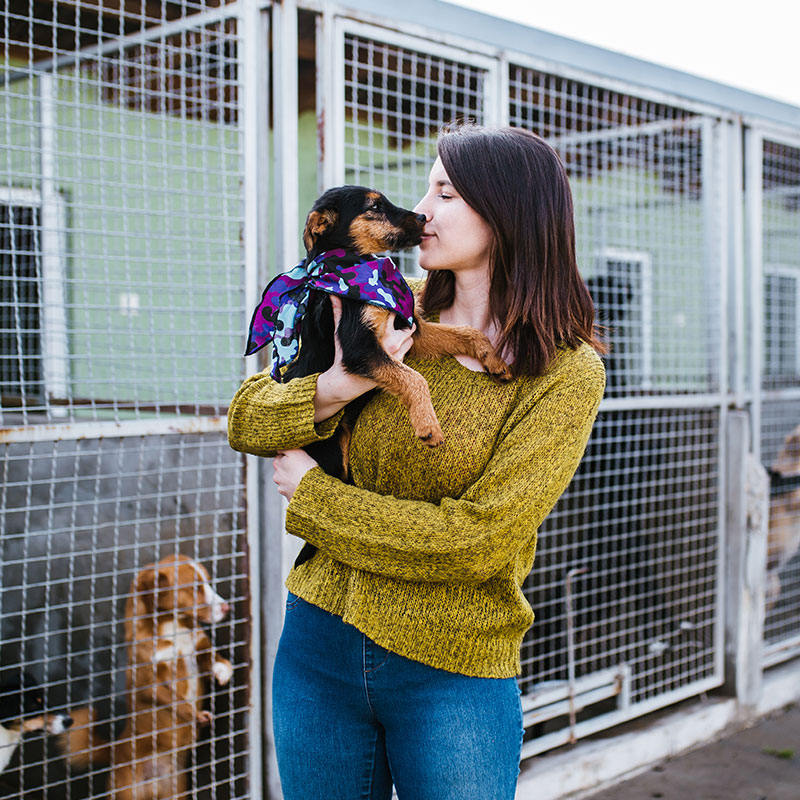
Bringing a new dog home for the first time can be exciting, but there’s a lot you need to do to prepare for your furry family member. If you’re planning to adopt a dog, it’s not a good idea to just rush out and do it. Preparation is going to take some time, so you’ll need to start at least a few weeks ahead of time. The following is a checklist for adopting your new pup.
1. Look Over Your Finances
Dogs aren’t free! There are actually a lot of costs associated with owning any type of pet, and depending on the type of dog you get, it could cost you quite a bit. First you’ll need the adoption fee to consider, as well as funds for all the items you’re going to need right off the bat. Your dog will need a comfortable bed, some toys, dog food, food bowls, a collar and a leash. You’ll also need to invest in dog insurance, safety items for your home, a doggy car seat, furniture protectors and other items to keep your life running smoothly.
Once those initial costs are taken care of, consider the ongoing future costs of having a dog. First off, he’ll need a regular flow of dog food and treats. You might need to replace his bedding once in a while. He may need future veterinary care, and possibly medication . Your dog will need to be groomed regularly, so you should plan for those expenses as well, and if you adopt a dog with special needs, he could need regular therapy or other special care.
2. Have a Family Conversation
Taking care of your new dog is going to be a family affair. You really need to have everyone on board. Even if you have children who are quite small, they’ll need to start understanding there is going to be a dog in the house. It might help to take your little ones to a shelter or to a neighbor’s home to spend some time around dogs so it’s not super stressful when your new pup comes home for the first time.
If you’ve got an elderly parent or a special needs family member living in your home, you should be sure to take their needs into consideration. Does anyone have allergies? Are your teenagers willing to help you bathe, walk and play with the dog? It might help to come up with a schedule for who will do what when it comes to taking care of the dog. Once everyone’s on board, the fun really begins.
3. Prepare Your Home
You’ll have a lot of physical preparations to make before you can bring your new dog home. Some of these items were previously mentioned when discussing the financial aspects you’ll need to prepare for, but there are some other factors to consider as well. For example, where are you going to set up the dog’s bed or kennel? Do you have an empty room or an empty corner he can call his own? Have you purchased the food bowls and filled them with a healthy food that’s right for his breed, age and size?
You could also decorate your home to make it cozier and to make it feel more like the dog’s home as well. For example, a dog-themed doormat will let everyone know you’ve got a dog in the house. A pet-safe pet-odor neutralizing candle will cover up that dog smell so the atmosphere is pleasant for everyone. You may need to put up some gates and take down some breakable décor until the dog is trained, similar to the way you’d baby-proof the home if you were having a baby.
4. Understand Various Restrictions
There’s a possibility you’ll have some restrictions on the type of dog you can get. For example, some HOAs don’t allow dogs over a certain size, which would limit you on the type of breed you could adopt. You may be able to adopt a toy poodle, but not a Great Dane.
If there are other restrictions you came up with while discussing the adoption with your family, keep those in mind as well. For example, if you feel you won’t be able to care for a dog with arthritis, you may want to steer clear of those at high risk, such as German shepherds and golden retrievers. If you travel a lot, you may want to restrict the option of dogs that have high anxiety while traveling, such as dachshunds and Chihuahuas.
5. Meet Some Adoption Candidates
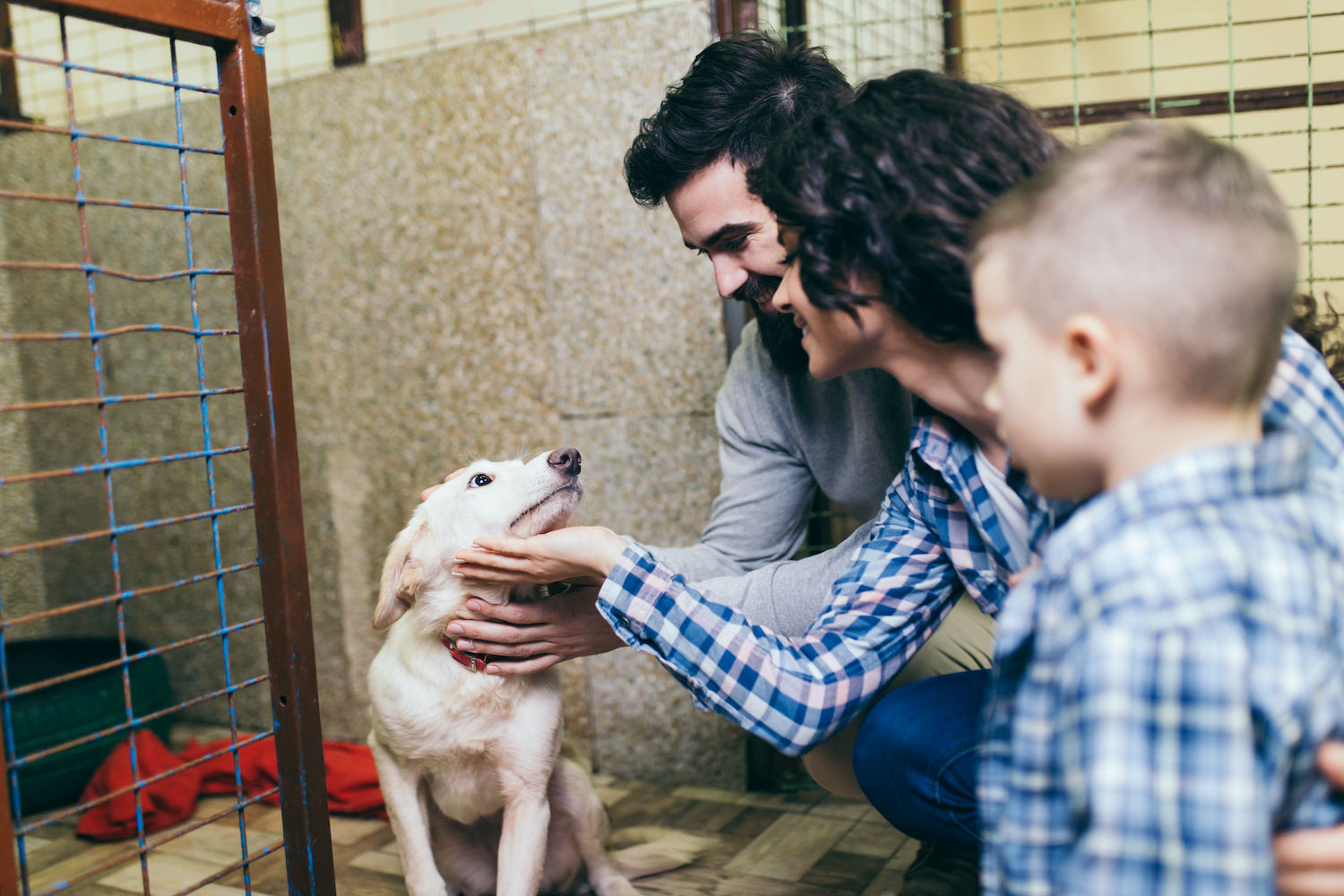
Whether you’re adopting from a shelter, a local breeder or a dog rescue, you’ll want to meet a few candidates before making your decision. Some dogs have behavioral issues that may not fit in with your family. Other dogs just may not connect with you. It’s important your family spends time with each of the dogs you’re considering to get a feel for how everyone is going to get along. Bring each dog a little gift, such as a small toy or a healthy dog treat so they can begin to feel that trust and that connection, then see where it goes from there.
6. Adopt Your Dog and Be Patient
Being patient is perhaps one of the most important things you’ll need to do when you bring your new dog home. He’ll be in a completely new environment with a bunch of people he doesn’t know, and you can’t predict how he’s going to act. Be patient and give him some space and time. Help him understand the rules, but also show him a lot of love so he knows he’s welcome. Enjoy your new dog!