Save 15% on your 1st Autoship learn more

 Email us
 Live Chat
 FAQs
FAQs





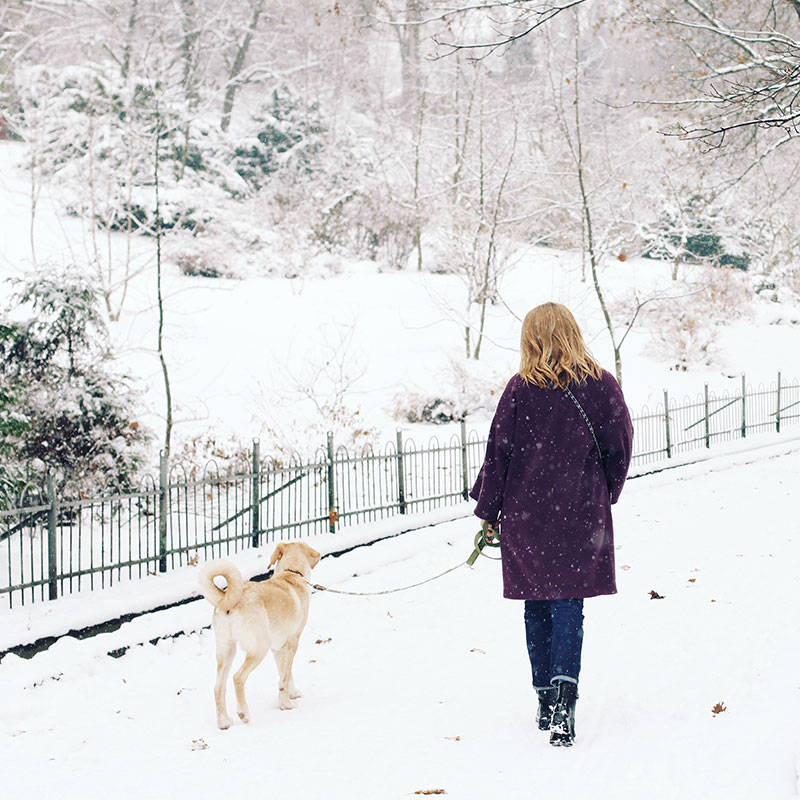
Winter weather often makes it hard to get outside for consistent walks with your dog. This is particularly true when you live in part of the country that is cold, wet, and windy. However, your dog's need for consistent exercise and fresh air doesn't diminish during the winter.
When dogs don't get enough exercise, it isn't uncommon for them to start doing things owners don't like, such as digging, chewing, and increased barking. As the seasons roll around, those behaviors are likely to continue even when walks begin again. Of course, a lack of exercise and perhaps too many scraps from holiday tables can lead to unhealthy weight gain which carries a lot of other health risks.
Remember that if you're cold, your dog is probably cold as well. Don't just send your dog outside and think that it is a good substitute for regular walks. As temperatures drop and you start feeling tempted to skip daily walks, remember the risks associated with becoming sedentary. Next, plan your own walking outfit, so you aren't rushed through walks. Finally, take a look at these tips for helping your dog remain comfortable, safe, and happy to be outside.
1. Understand the Requirements for Your Breed
Some dogs do well in the snow; Malamutes and Huskies, for example, love to play in cold, snowy weather. Smaller breeds, older dogs, puppies, and those with short hair, however, can become very cold, very quickly. This is especially true when snow hits unprotected undersides. Hypothermia sets in quickly and often goes unnoticed. One tip is to stay on sidewalks and paths that have been cleared. Another tip is to protect your dog with a coat or sweater.
2. Watch for Signs of Discomfort
Dogs are usually pretty good about showing that they're cold or uncomfortable, but some dogs won't let you know as clearly. Make sure you understand your own dog's temperament and personality before taking long walks. Some signs of discomfort include
-
Whining
-
Trying to turn home
-
Shivering
-
Licking paws
There are some health issues that can make winter outside time difficult for dogs. These include arthritis, metabolic diseases, and endocrine disorders. Make sure you've talked with your veterinarian about your dog's health before heading out into the snow.
3. Walk During the Day's Best Weather
If there's bad weather during the part of the day that you usually go walking, push your walk forward or back a little. Pay attention to the forecast or download a weather app and adjust your walk schedule as necessary. You could also take a couple of shorter walks instead of your normal walk if you're both eager to get back to warmth. If it's going to be cold and windy or wet all day, prepare yourself and your dog for the unpleasant weather. Remember the Swedish proverb: There is no bad weather, only bad clothing.
4. Prepare Winter Clothing
New and inexperienced owners often believe that the hair on a dog is adequate protection against the cold. This is only true for certain breeds of dogs, however. When it gets cold outside, little dogs, breeds with short hair, and elderly animals suffer the same way people would. A sweater can really help during dry weather, but it will absorb water when it's raining or snowing. During wet weather, a coat or waterproof jacket is a better option.
5. Avoid Winter Risks
More dogs get lost during the winter than during other seasons; this probably happens because it's harder for dogs to find their way home through the snow and wet ground. Avoid this risk by leaving your dog on a leash when going walking, or only let your dog off the leash in a fenced-in area, such as a dog park.
Another risk to avoid is strangulation. Many owners switch for a collar to a harness. If your dog loses her footing on the ice, a collar could strangle your dog while a harness allows you to help the dog regain her footing.
Sprains, torn ligaments, and joint injuries are more common during the winter. Walking on hard, icy surfaces and plowing through snowdrifts put a lot of strain on your dog's legs and feet. Supervise your dog's outside playtime and watch for potential injuries. If you see something happen, schedule an appointment with your veterinarian.
6. Pay Attention to Those Feet
Keeping your dog's nail trimmed should be a monthly step in grooming, and during the winter it's especially important to trim the hair around the toes. Long foot hair gathers ice, dirt, rock salt, and other debris that causes discomfort during and after walks. When you get home and your dog starts licking his toes, he may ingest salt and chemicals. In addition to keeping toe hair trimmed, you can consider putting dog booties on before walks.
7. Clean Up After Walking
Once you get home from your time outside, it's time to wipe down your dog's paws. Leave your boots and your dog's boots by the front door to avoid carrying in dirt and contaminants from outside. A slightly warm cloth is best for wiping off paws, then use a dry towel to be sure those toes are dry. Products such as dog wipes and doormats can make this task easier. You may also want to moisturize paws to protect against dryness. Don't use products for humans as these often contain ingredients that are risky for animals; choose moisturizer or coconut oil that has been prepared for animals. Finally, make sure sweaters, coats, and booties dry thoroughly before they are used again.
8. Play Games Inside
If it's just too cold to get outside for a good walk, consider some indoor activities, such as a game of tug or hide and seek. While these games aren't a replacement for walking, they can help you get through a day or two when the weather is too severe for outside time.
Your dog needs outside time and exercise for her best health. While understanding that winter weather can be more dangerous for your dog than other times of the year, you can still enjoy daily walks with the right preparation. Use these tips to keep your dog safe during consistent winter walks.