
 Save 15% on your 1st Autoship learn more

 Email us
 Live Chat
 FAQs
FAQs





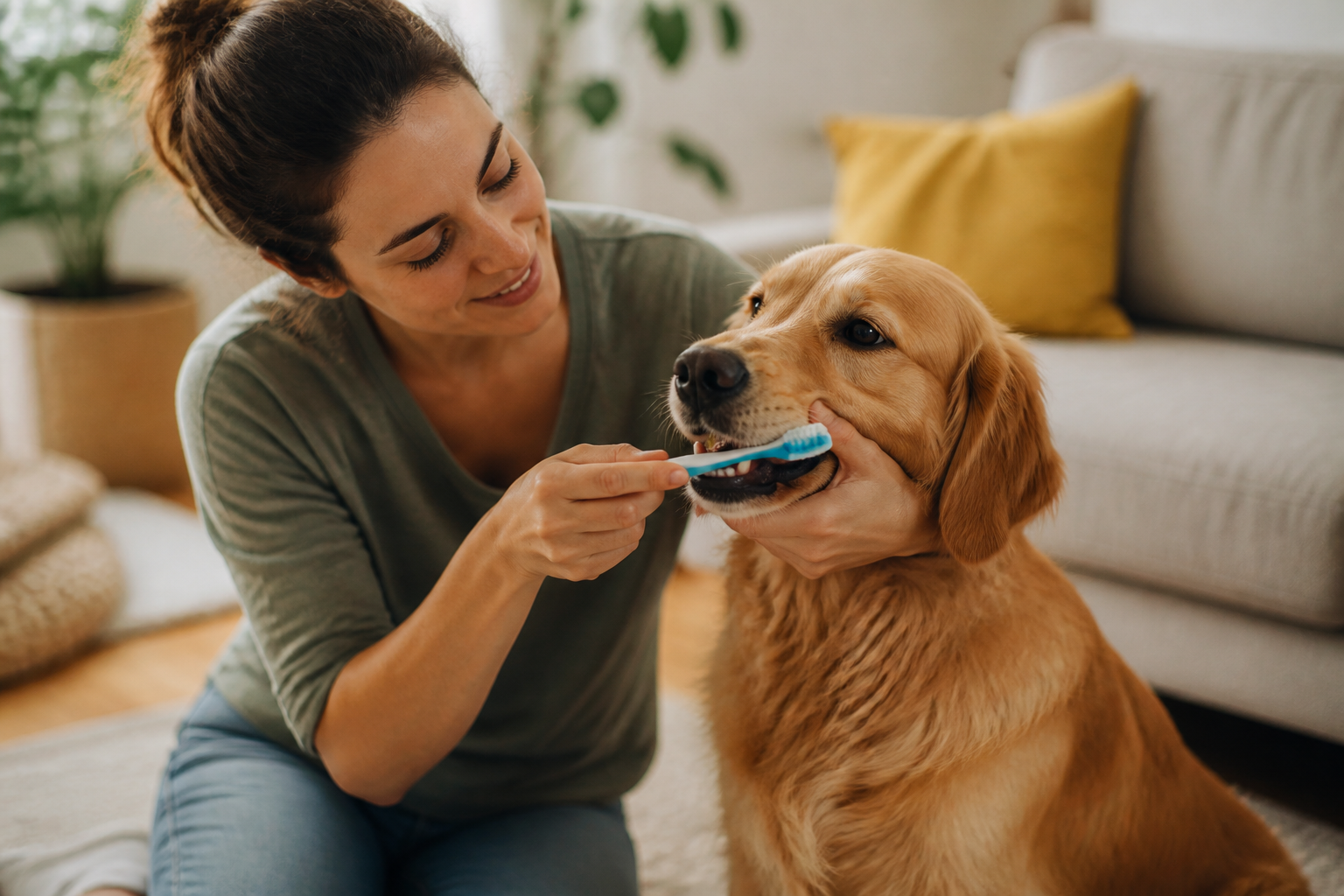
Introduction
You are relaxing on the couch when your dog leans in for an affectionate lick, but the smell that follows is anything but sweet. Bad breath is often the first sign of dental trouble that many pet owners notice. While it might seem like a minor annoyance, oral health is a vital pillar of your dog's overall wellness. You might have heard that pantry staples like baking soda can do the trick for a quick DIY cleaning. At BaxterBoo, we know that finding the right balance between natural care and effective hygiene is important for every pet parent. This article explores the safety of using baking soda, the best tools for the job, and how to build a routine that keeps those pearly whites sparkling. Understanding the right way to brush can prevent painful infections and long-term health complications.
Quick Answer: While baking soda is technically non-toxic in tiny amounts, it is not recommended for cleaning a dog's teeth. Its high alkalinity can cause significant stomach upset if swallowed, and most dogs find the salty taste very unpleasant.
The Problem With Using Baking Soda
Many people consider baking soda a natural solution for scrubbing away stains and odors. While it works well for your kitchen sink, your dog's mouth is a very different environment. Baking soda is highly alkaline. When a dog swallows it, it can disrupt the natural pH balance of their stomach. This often leads to digestive distress or more serious electrolyte imbalances if consumed in larger quantities.
Dogs do not have the ability to spit like humans do. Everything you put in their mouth during a cleaning session will eventually be swallowed. This makes the safety of your cleaning agent the top priority. Beyond the physical risks, the taste is a major hurdle. Baking soda is salty and bitter. If you use it for your first few attempts at brushing, your dog may develop a negative association with the process. This makes it much harder to maintain a consistent routine as they get older.
Why Dental Hygiene Is Not Optional
Dental care is about much more than just fresh breath. It is a preventive measure against periodontal disease, which is the most common health issue seen by veterinarians. Plaque is a sticky film of bacteria that begins forming on the teeth just hours after eating. If it is not brushed away, it mixes with minerals in the saliva and hardens into tartar within 48 to 72 hours. For additional guidance, read our tips for maintaining your pet’s dental care routine.
Once tartar forms, it cannot be removed with a toothbrush. It requires professional scaling by a veterinarian. This buildup often leads to gingivitis, which is the inflammation of the gums. If left unchecked, the bacteria can enter the bloodstream. From there, it can travel to major organs like the heart, liver, and kidneys. This can cause systemic infections and long-term damage that shortens a dog's lifespan.
Key Takeaway: Consistent home dental care can significantly reduce the risk of systemic organ damage caused by oral bacteria entering the bloodstream.
Choosing the Right Toothbrush
The tools you choose can make the difference between a successful session and a stressful struggle. You have several options depending on the size of your dog and their comfort level with handling. You can explore our dental and breath care collection for brushes, toothpaste, gels, and other oral-care supplies.
Soft-Bristled Pet Brushes
These are designed specifically for the angles of a dog's mouth. Many have long, angled handles that help you reach the back molars without putting your hand too deep into the mouth. Some even feature double heads to clean the top and bottom of the tooth simultaneously.
Finger Brushes
A finger brush is a small silicone or rubber sleeve that fits over your index finger. These are excellent for puppies or dogs that are intimidated by a long plastic handle. They provide a high level of control and allow you to feel exactly where the bristles are touching. However, be cautious if your dog is prone to nipping, as your finger is directly in the line of fire.
Human Toddler Brushes
If you are in a pinch, a soft-headed toddler toothbrush can work for small breeds. The bristles must be very soft to avoid damaging the delicate gum tissue. Avoid adult human brushes, as the heads are usually too large and the bristles are often too stiff for a dog’s mouth.
Vet Tip: Always inspect your dog's mouth for bleeding gums, loose teeth, or brown buildup before starting a new brushing routine. If you notice these signs, consult your veterinarian for a professional exam to ensure brushing will not cause pain.
The Superiority of Enzymatic Toothpaste
Since you should avoid baking soda and human toothpaste, enzymatic pet toothpaste is the gold standard. Human toothpaste often contains xylitol, which is a sweetener that is deadly to dogs. It also contains foaming agents like sodium lauryl sulfate that are meant to be spat out, not swallowed. One option is Virbac C.E.T. Enzymatic Pet Toothpaste for Dogs and Cats.
Enzymatic formulas use specific proteins to break down the biofilm of plaque chemically. This means that even if you cannot reach every single surface with mechanical scrubbing, the enzymes continue to work after you are done. These pastes come in flavors that dogs actually enjoy, such as poultry, beef, or peanut butter. This turns the cleaning session into a treat rather than a chore.
Step-by-Step Brushing Guide
Training your dog to accept brushing is a gradual process. It should not be rushed. If your dog becomes stressed, stop and try again the next day.
Step 1: Get them used to mouth handling. / Gently lift your dog's lips and touch their teeth with your finger for a few seconds. Follow this with a high-value reward so they associate mouth touching with good things.
Step 2: Introduce the taste of the toothpaste. / Let your dog lick a small amount of enzymatic paste off your finger. Do this for several days until they are excited to see the tube.
Step 3: Use a piece of gauze. / Wrap a small piece of gauze around your finger and put a bit of paste on it. Rub it gently over the front teeth in a circular motion to get them used to the sensation of scrubbing.
Step 4: Transition to the brush. / Apply a pea-sized amount of paste to the bristles. Aim for a 45-degree angle toward the gum line. Focus on the outside surfaces of the teeth, as this is where most plaque accumulates.
Step 5: Work toward the back. / Gradually move toward the molars as your dog becomes more comfortable. You only need to spend about 30 to 60 seconds on the entire mouth.
Bottom line: Patience during the training phase ensures your dog remains cooperative for years of dental care.
Natural Cleaning Support Options
While brushing is the most effective method, other natural options can support oral health. These are especially helpful on days when you are short on time or for dogs that are still learning to tolerate a brush.
- Crunchy Vegetables: Raw carrots or apple slices (without seeds) can act as mild abrasives. They help scrape away loose debris while your dog chews.
- Coconut Oil: This oil has natural antimicrobial properties. You can rub a small amount on the gums or add it to a homemade toothpaste mixture for its flavor and health benefits.
- Plain Parsley: Adding a bit of fresh, chopped parsley to your dog's food can help neutralize bad breath at the source.
- Chew Toys: Rubber toys with nubs or ridges, like those from Kong, help massage the gums and scrape the teeth during play.
The Role of Diet and Dental Chews
What your dog eats has a direct impact on their dental health. While some people believe that dry kibble cleans teeth better than wet food, most kibble is too small and brittle to provide significant mechanical cleaning. It often shatters upon the first bite.
Specialized dental diets are formulated differently. The kibbles are often larger and have a fibrous texture that does not shatter immediately. This forces the tooth to sink into the kibble, providing a scrubbing action all the way to the gum line. Brands like Farmina Vet Life or Royal Canin offer prescription dental diets for dogs with chronic issues. Our pharmacy at BaxterBoo provides access to these prescription diets through our partnership with Pet's Choice, ensuring you have the right tools for your dog's specific needs.
Dental chews, such as Greenies or Virbac C.E.T. VeggieDent, are another great tool. These are designed to be chewed for an extended period. They contain ingredients that help prevent plaque from mineralizing into tartar. Always supervise your dog when they are enjoying a chew to ensure they do not swallow large chunks. You can browse our selection of Greenies products for dental chew options.
When to Seek Professional Veterinary Care
Home care is a supplement to, not a replacement for, professional veterinary cleanings. Just as humans visit the dentist despite brushing daily, dogs need a deep clean under anesthesia. This allows the vet to clean under the gum line where a toothbrush cannot reach. Our article on warning signs of dental disease in dogs can help you recognize when professional care may be needed.
You should schedule a professional exam if you notice:
- Heavy brown or yellow tartar buildup that does not brush away.
- Red, swollen, or bleeding gums.
- A sudden change in eating habits or dropped food.
- Excessive drooling or pawing at the mouth.
- Extreme bad breath that persists even after brushing.
Our pharmacy carries FDA-approved medications and treatments for oral infections and pain management. These are available through our Pet's Choice partnership for pets who are managing ongoing dental conditions. Using these professional resources ensures your dog stays comfortable while you manage their health at home.
Managing Dental Care for Different Life Stages
A dog's dental needs change as they age. Puppies have different requirements than seniors, and adjusting your approach can prevent issues before they start.
Puppyhood (8 Weeks to 6 Months)
Puppies have 28 deciduous teeth that eventually fall out to make room for 42 permanent adult teeth. This is the perfect time to start mouth handling. Even though they will lose these teeth, building the habit now is vital. Use a very soft finger brush and focus on making the experience fun. Our guide to when dogs lose their puppy teeth offers additional information about this stage.
Adult Maintenance
Once the adult teeth are in, the focus shifts to preventing tartar buildup. This is the stage where daily brushing is most effective. If your dog is a heavy chewer, provide appropriate toys to help keep the surfaces of the molars clean.
Senior Years
Older dogs are more prone to cracked teeth and advanced periodontal disease. They may have sensitive mouths due to receding gums. You may need to switch to a softer brush or use dental wipes if brushing becomes painful. Regular checkups are crucial for seniors, as underlying dental pain can often be mistaken for general aging or lethargy.
Key Takeaway: Early intervention in puppyhood leads to easier dental management and better health outcomes in the senior years.
Creating a Consistent Routine
The key to success is consistency. Brushing once a month will not provide much benefit because plaque hardens so quickly. Aim for at least three times a week, though daily is the gold standard.
Try to link brushing to an existing habit. You might brush your dog's teeth right after you brush your own in the evening. Or, make it part of their post-walk wind-down routine. When it becomes a predictable part of their day, most dogs will eventually sit patiently for their "chicken-flavored" cleaning.
We carry a wide variety of supplies to make this easier. From enzymatic pastes to specialized brushes, we have helped pet owners maintain healthy smiles since 2006. Our curated selection ensures you are getting products that are safe and effective. For a ready-to-use option, consider the Virbac C.E.T. Pet Oral Hygiene Kit.
Common Mistakes to Avoid
Even well-meaning pet owners can make mistakes that hinder their dog's progress. Avoid these common pitfalls to keep your dog's mouth healthy:
- Using too much pressure: You do not need to scrub hard. The enzymatic paste does most of the work. Heavy pressure can irritate the gums and cause bleeding.
- Focusing only on the front: While the incisors are easy to see, the real trouble usually starts in the back molars. Make a concerted effort to reach the very back of the mouth.
- Using human products: As mentioned, human toothpaste and mouthwashes are dangerous. Stick to pet-safe products only.
- Ignoring the inner surfaces: While the outside of the teeth accumulates the most tartar, the inside surfaces still need attention. If your dog is cooperative, try to give the inside a quick pass.
Vet Tip: If your dog is extremely resistant to a toothbrush, do not force it. Start with dental wipes or even a clean washcloth. Any mechanical action that disturbs the plaque film is better than doing nothing at all.
The Financial Benefit of Home Care
It is worth noting that a tube of toothpaste and a brush are significantly cheaper than a veterinary dental extraction. Severe dental disease often requires X-rays, anesthesia, and surgical extractions. These procedures can cost hundreds or even thousands of dollars. By investing a few minutes a day into brushing, you are likely saving a significant amount of money over the lifetime of your pet.
Our MVP Rewards program allows you to earn back on these essential maintenance supplies. By stocking up on toothpaste and dental chews through us, you can earn up to 5% back on your purchases. This makes it easier to stay consistent without stretching your budget.
Summary of Best Practices
Maintaining your dog's oral health is a journey, not a one-time task. While baking soda is a popular DIY suggestion, the risks of stomach upset and the poor taste make it a poor choice for most dogs.
To keep your dog's teeth in top shape, remember these points:
- Use enzymatic toothpaste designed for dogs.
- Choose a brush size that fits comfortably in their mouth.
- Start slowly and use positive reinforcement.
- Incorporate dental chews and healthy vegetables for extra support.
- Consult your vet for professional cleanings and prescription needs.
Bottom line: Effective dental care relies on the right tools and a gentle, consistent routine rather than quick household fixes.
Keeping your dog's mouth clean is one of the most impactful things you can do for their longevity. We are here to help you every step of the way with expert-selected products and trustworthy guidance. Whether you need a starter kit for a new puppy or a specific dental diet for a senior, our warehouse is stocked with the brands you trust. For pets requiring specialized dental care or prescription gels, our pharmacy partnership with Pet's Choice is ready to fill your veterinarian's orders and deliver them right to your door.
FAQ
Is it safe to use baking soda on my dog's teeth once in a while?
While a tiny amount used once is unlikely to be fatal, it is still not recommended. Baking soda is very alkaline and can cause nausea, vomiting, or more serious digestive issues if your dog swallows a significant amount. It is much safer and more effective to use a toothpaste formulated specifically for canine biology.
Why does my dog's breath still smell bad after I brush?
If persistent bad breath remains after brushing, it may indicate that tartar has already hardened or that there is an underlying infection. It could also be a sign of a health issue elsewhere in the body, such as the digestive tract or kidneys. In these cases, a veterinary exam is necessary to find the root cause of the odor.
How often do I really need to brush my dog's teeth?
Ideally, you should brush your dog's teeth every single day. Plaque can begin to harden into tartar in as little as 48 hours. If daily brushing is not possible, aim for at least three times a week to significantly slow down the accumulation of tartar and protect the gum line.
Can I use a human toothbrush for my dog?
You can use a human toothbrush if it has very soft bristles and a head size appropriate for your dog's mouth. A toddler-sized soft brush is often the best choice for small to medium dogs. However, avoid medium or firm bristles, as these can be too abrasive for a dog's gums and may cause discomfort or bleeding.






