
 Save 15% on your 1st Autoship learn more

 Email us
 Live Chat
 FAQs
FAQs





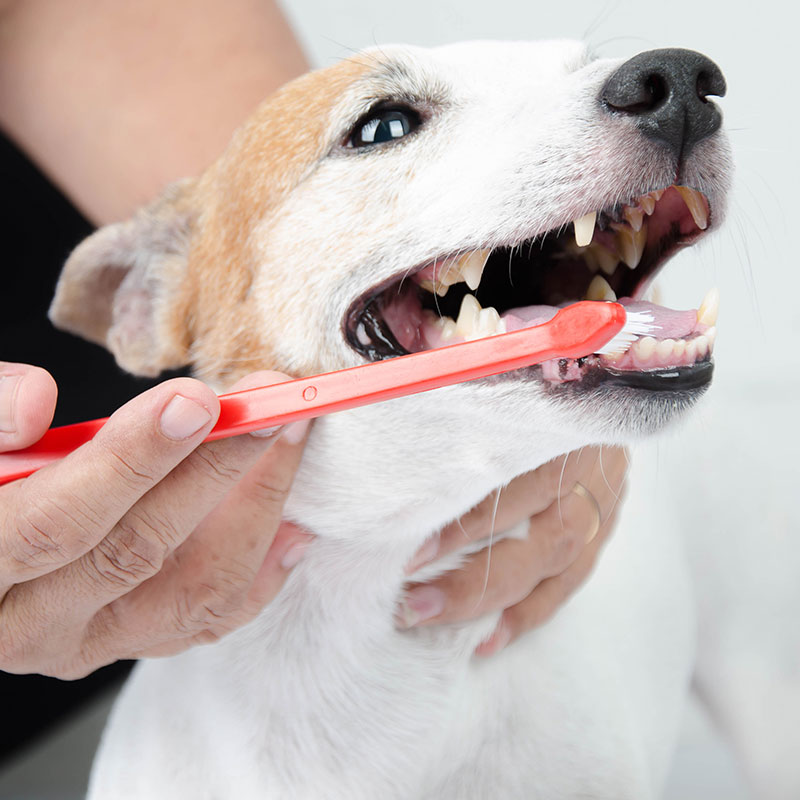
Whether you have recently adopted a pet or are concerned about the dental health of your dog or cat, there is no better time than now to start or improve a dental care routine. February is National Pet Dental Health Month to raise awareness of the importance of caring for pets’ teeth. Here are 10 of the best dental care tips for pets at every life stage, from puppies and kittens to senior dogs and cats.
1. Get To Know Your Pet’s Mouth
Getting your pet used to having you visually examine and make gentle contact with his or her teeth and gums is essential for oral health. Ideally, you should start building trust while your pet is still a puppy or kitten. Even if you adopt an older pet, you can still work toward familiarity with oral checks and cleaning.
Regular examinations are helpful for monitoring early-life issues related to teething such as retained deciduous or milk teeth. Throughout the life cycle, the ability to lift your pet’s lips and check conditions in his or her mouth can make it possible to spot plaque or tartar buildup or the earliest signs of serious dental issues.
2. Introduce Dental Care Early
Whether your pet is young or you have recently adopted a new dog or cat, you should start working toward dental care as soon as possible. Start by moving your finger around your pet’s lips and gums while providing praise. Gradually introduce pet toothpaste and a finger toothbrush or start using dental wipes .
Allow your pet to smell and taste toothpaste on a finger toothbrush or a dental wipe before attempting to clean teeth. Even if your dog or cat does not seem likely to tolerate brushing, it is still helpful to be able to check the condition of his or her teeth and schedule professional cleaning as needed.
3. Slowly Build Up to Brushing
Once your pet has gotten used to oral examinations and gentle contact inside his or her mouth, try using a pet toothbrush to clean a few teeth. Brush at an angle near the gum line, focusing particularly on the canines or fang teeth and the larger molars where plaque tends to accumulate.
Increase the length of brushing sessions over time until you can clean all of your dog’s or cat’s teeth. Plaque buildup hardens into tartar within just 36 hours. For this reason, you should try to brush your pet’s teeth at least three times a week.
4. Use Pet Toothpaste
Dogs and cats are more likely to cooperate during brushing if you use a toothpaste made for pets . Some toothpastes feature flavors such as peanut butter, poultry or malt to make dental care more pleasant for your pet. Enzymes are helpful for balancing bacteria levels to reduce plaque and freshen breath. Human toothpaste is toxic for pets and straight baking soda can cause an upset stomach.
5. Give Pets Dental Treats
Treats approved by the Veterinary Oral Health Council or VOHC can be a great way to supplement tooth brushing and professional cleanings. Daily dental treats can help to manage plaque and prevent the formation of tartar.
Dental treats are not a substitute for regular cleaning, as these edible substances only remove plaque deposits from the surfaces of teeth and do not reach the gum sockets. Whether you have a dog or a cat, you can find treats in your pet’s favorite flavors.
6. Try a Water Additive
If your pet has bad breath, try adding a breath-freshening additive to drinking water. These treatments are formulated to balance bacteria levels in dogs’ and cats’ mouths. If your pet does not like to have anything added to water, consider using a dental spray .
Bad breath can be an indication of a serious dental condition. Arrange for an oral examination with a veterinarian to make sure that no underlying issues are present before using treatments to promote fresh breath.
7. Monitor Tooth and Gum Condition
Regardless of whether you clean your pet’s teeth or rely on professional cleanings, it is a good idea to perform a mouth inspection once a week. Gently tilt your pet’s head back and open his or her mouth. Examine teeth for tartar buildup and any indications of damage or wear. Gums should be a healthy pink color, not bright red and swollen or pale. Be sure to check every part of your pet’s mouth. You may also want to get your pet used to having you use a small penlight to get a better look.
8. Schedule Regular Dental Exams
Even if you brush your pet’s teeth on a regular basis, it is still necessary to have a veterinarian inspect the mouth of your cat or dog during regular checkups. If you see signs of plaque buildup at any point in time, go ahead and make an appointment. A vet can recommend whether you should adjust your pet’s dental care routine or get a professional cleaning.
9. Arrange for Annual Cleanings
Professional cleanings establish a basis for good oral health throughout your pet’s lifetime. Consider making an annual appointment during National Pet Dental Health Month or at any other time of year. Check with your veterinarian to determine whether cleaning is necessary and to arrange for the best method. Some pet dentistry specialists administer anaesthesia to allow for the most thorough cleaning with minimal stress.
10. Bond Through Dental Care
Daily dental care can be a great opportunity to form a close connection with your pet. Whether you simply perform a weekly inspection or brush a cat’s or dog’s teeth several times a week, examining and making contact with your pet’s mouth requires trust. Be sure to work up to brushing slowly and to give your pet plenty of praise and positive reinforcement.
Follow these tips to improve and maintain the oral health of your dog or cat. Healthy teeth and gums are essential for overall well-being. While National Pet Dental Health Month is a great opportunity to establish good habits or schedule annual cleaning appointments, it is important to continue to care for your pet’s teeth all year round.






