Save 15% on your 1st Autoship learn more

 Email us
 Live Chat
 FAQs
FAQs





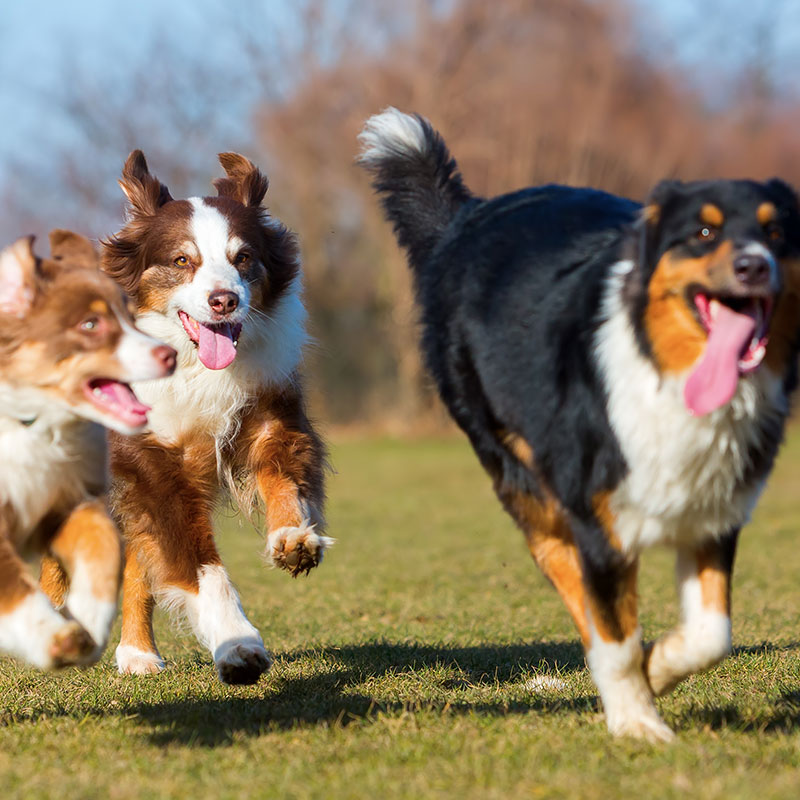
While it may be tough to ever be strict or firm with a sweet furry face when the time comes, it's important to instill good behavior in your pup early. After all, dogs learn best in their younger, formative years, and this can create a lifetime's worth of good behavior that can lead to greater emotional health and happiness for everyone in the household. If you're looking for ideas on how to properly socialize your new best friend, here are a few key techniques to help jumpstart your dog's new social way of life, for the benefit of you, your pup and any other human or canine friend you two come across in the future.
Consider the Greatest Avenues of Exposure
Unfortunately, in today's uncertain times, it can be challenging to try and socialize too closely with other people or their dogs in public settings. However, when things turn back to some sense of normalcy, the best way to help your pup gain an understanding of how to behave around others is simply to provide him with a means for gaining exposure to everyone and everything. Even today, you can start taking your pup for daily walks , showing him the outside world in small increments. Taking a different walking route each day in your neighborhood can give him a taste of the variety of adults, children and other animals that exist in the world around him. Certain occasions where he may spot things such as cars driving down the street or the mail person wandering past your house can help broaden his horizons as well, encouraging him to listen to your commands in the process. Teaching him safety is key for his own survival, but teaching him how to treat others and how to act in their presence can be highly beneficial for a well-behaved future. Meanwhile, you also need to remain relaxed and confident around him when coming into contact with the public as well, as your canine is taking cues from your behavior, too. The more accustomed your lovable dog becomes to the outside world, and the large assortment of different beings within it as a result of your conditioning, the better chance he has of acting more calmly and well-behaved whenever he encounters anyone new.
Set a Clear Agenda at the Right Time
There is what is considered to be a crucial stage of your pup's life where socialization techniques are the most easily taught and retained for the long-term. This window is often between three to twelve weeks of age, so introducing your newfound strategies during this time is said to promote the greatest results for your time and effort. With this in mind, there are a certain number of experiences your little fur baby should have by this point in his life, all pertaining to the same exposure concept that is stated above. By the end of those twelve weeks, new puppies should generally be used to unfamiliar people; different kinds of clothing styles like hats and sunglasses; urban environments and public parks; various transportation vehicles; every day objects like stop signs, bicycles, strollers, etc.; and an assortment of other animals like dogs, cats, squirrels and more. As a side note, it's essential that you also hand out tasty dog treats to your dog after handling such experiences, as this can encourage good behavior when it's presented to you, and help him associate such endeavors with a delicious reward. Overall, once this timing window passes in your pup's mental development, it's not impossible to teach your dog these same techniques, but it can be more difficult for him to retain after about eighteen weeks into his growth.
Don't Forget About Training Classes
Again, it can be hard to find group activities that can be handled in a safe manner these days, but if simple exposure and timing still aren't cutting it in terms of your dog's behavior and learning, it could be time to consider proper training in behavioral classes. Such opportunities can help your dog become more accustomed to life through the techniques of a professional, and it gives your pup greater reason to be social with his fellow peers at the same time. A safe and stable controlled environment such as this can offer more structure and one-on-one time for the both of you as well, helping you to further bond with your new best friend and achieve a stronger connection.
Pay Attention to His Needs
Though you may find yourself solely focused on the task at hand, it's also highly important to pay close attention to your dog's responses as you go throughout this process. You could put your four-legged friend in a certain situation that seems completely harmless, but end up finding your usually excitable and hyper puppy now looking anxious, scared or even downright frightened by what he's seeing. It's best to start slow, gauging his reactions as you move forward. If at any time he appears to be overwhelmed or exhausted by a situation, give your pup a proper reward for his good behavior so far. Food treats , a fresh new toy , or just an extra close snuggle at the end of the day can do the trick.
Socializing your new pup while he's young and curious about the world is a great way to get a good head start on his future behavior. Look to any of these helpful techniques to guide him in the right direction towards success, and both of you can feel accomplished as a result.