
 Save 15% on your 1st Autoship learn more

 Email us
 Live Chat
 FAQs
FAQs





Introduction
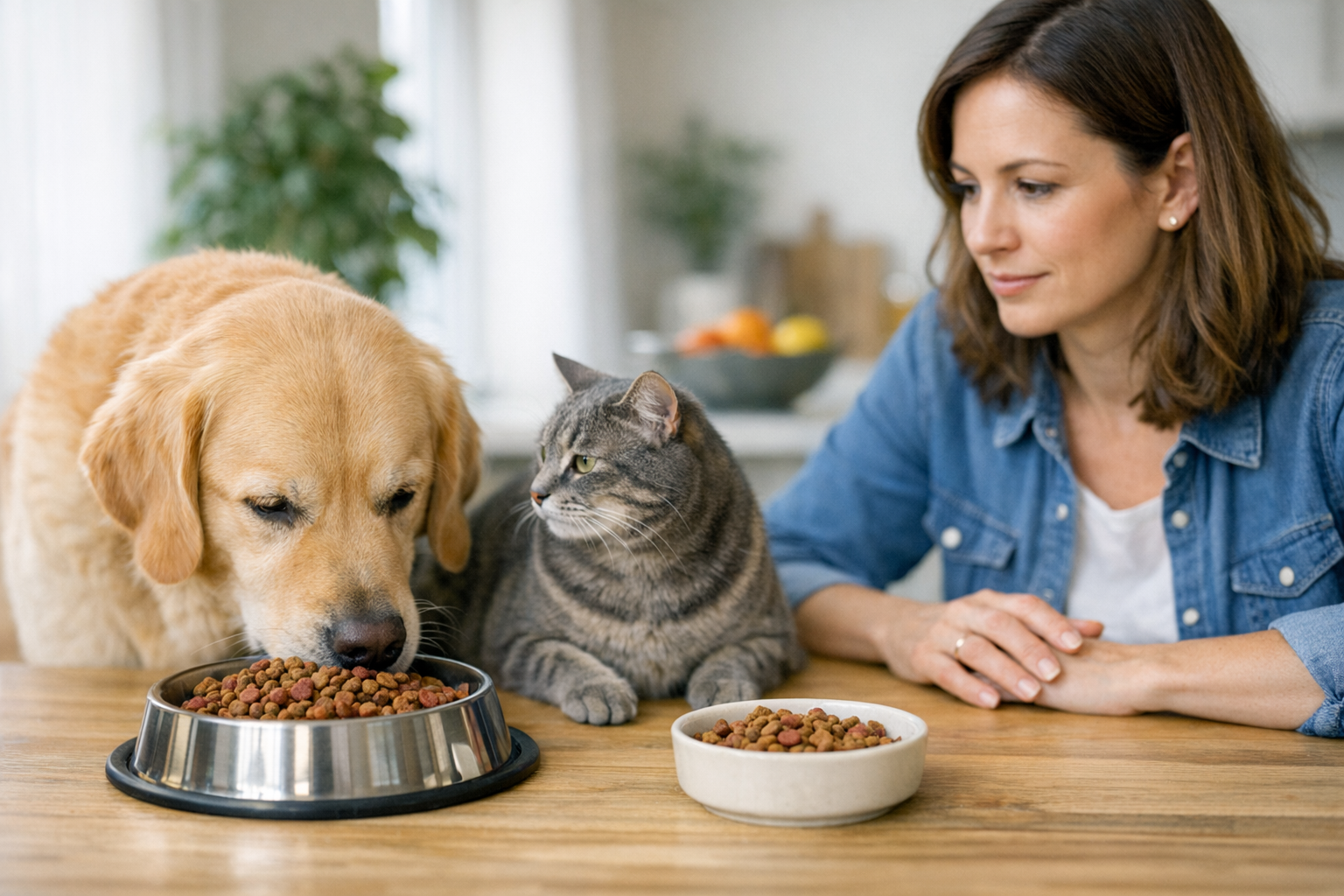
We have all been there. You walk into the kitchen to find your dog with their head buried deep in the cat's bowl. They look up with a guilty but satisfied expression. Cat kibble seems to be a magnet for many dogs. The smells are stronger and the fat content is higher. This leads many pet owners to wonder if it is okay to let this habit continue.
At BaxterBoo, we understand that managing a multi-pet household comes with unique challenges. While a single stolen bite of cat food is rarely an emergency, the long term effects on a dog's health are significant. This article covers the nutritional differences between the species and the risks of regular consumption. We will also look at practical ways to keep your pets in their own bowls. Every animal has specific needs. Understanding those needs is the first step toward a healthy home.
The Quick Answer: Is Cat Food Safe?
Quick Answer: Most healthy dogs can eat a small amount of dry cat food without immediate danger. However, it is not a safe or balanced long term diet for dogs. Regular consumption can lead to obesity, stomach upset, and serious conditions like pancreatitis.
If your dog just finished the cat's breakfast, do not panic. It is not toxic in the same way that chocolate or grapes are. Most dogs will experience nothing more than a bit of gas or perhaps a soft stool. The real danger lies in making it a habit. Cat food is formulated for the unique biology of an obligate carnivore. Dogs are omnivores. Their bodies are designed to process a wider variety of ingredients.
Why Do Dogs Love Cat Food So Much?
It can be frustrating when you buy premium dog food only for your dog to prefer the cat's kibble. There is a biological reason for this. Cat food is packed with animal proteins and fats. Manufacturers design cat food to be highly palatable because cats can be notoriously picky eaters.
The aroma of cat food is often much stronger than dog food. To a dog, that bowl of cat kibble smells like a concentrated treat. It is rich, salty, and savory. Because dogs are opportunistic scavengers, they see a high calorie resource and want to take advantage of it. It is rarely about the quality of their own food. It is simply the allure of a high fat snack that is sitting right in front of them.
The Nutritional Gap: Obligate Carnivores vs. Omnivores
To understand why dogs should not eat cat food, you have to look at how these two species differ. Cats are obligate carnivores. This means they must eat meat to survive. Their bodies cannot produce certain essential nutrients on their own. They must get them directly from animal tissue.
Dogs are omnivores. They have evolved to eat both animal and plant material. This flexibility has allowed them to thrive alongside humans for thousands of years. Because of these different biological paths, their food is engineered very differently.
Protein and Fat Levels
Cat food is significantly higher in protein and fat than dog food. AAFCO standards require adult cat food to have a minimum of 26 percent protein. Adult dog food only requires 18 percent. The fat minimums are also higher for cats.
When a dog eats this high concentration of fat and protein regularly, their organs have to work overtime. Their kidneys and liver must process the excess. This can cause strain over time. For a healthy puppy, it might not show immediate effects. For a senior dog or one with underlying health issues, it can be a major problem.
Specific Nutrient Requirements
Cats require several nutrients that dogs can produce internally or do not need in the same amounts.
- Taurine: This is an essential amino acid for cats. They cannot make it themselves. If a cat eats dog food, they can develop heart disease. While dogs can benefit from taurine, their food is not usually fortified with the high levels found in cat diets.
- Vitamin A: Cats cannot convert beta-carotene from plants into Vitamin A. They must eat preformed Vitamin A found in animal liver or supplements. Dog food often relies on plant sources for this vitamin.
- Arachidonic Acid: This is a fatty acid that cats must get from their food. Dogs can produce it on their own.
Feeding a dog cat food means they are getting a "hot" mix of nutrients they do not necessarily need in those concentrations. It is like a human trying to live entirely on protein shakes and multivitamins. You might survive for a while, but your system will eventually suffer.
Key Takeaway: Dog food and cat food are not interchangeable because they serve two different biological machines. One is a high protein specialist, and the other is a versatile generalist.
Health Risks of Regular Cat Food Consumption
If a dog begins to eat cat food as a significant part of their diet, several health problems can emerge. Some of these are minor, while others can be life threatening.
Gastrointestinal Upset
The most common immediate symptom is an upset stomach. Because cat food is so rich, it can overwhelm a dog's digestive system. You may notice vomiting, diarrhea, or excessive flatulence. If your dog has a sensitive stomach, even a few nuggets of cat kibble can cause hours of discomfort.
Weight Gain and Obesity
The high calorie density of cat food makes it very easy for a dog to pack on the pounds. Even if they are eating a small volume, the calorie count is much higher than the equivalent amount of dog food. Obesity in dogs leads to joint pain, respiratory issues, and a shorter lifespan.
Pancreatitis
This is perhaps the most serious risk. The pancreas helps digest fat. When a dog consumes a massive amount of fat at once, the pancreas can become inflamed. This is known as pancreatitis.
Symptoms of pancreatitis include:
- Severe abdominal pain (the dog may hunch their back)
- Repeated vomiting
- Lethargy and weakness
- Loss of appetite
- Fever
Vet Tip: Pancreatitis is a medical emergency. If your dog shows signs of severe abdominal pain or cannot stop vomiting after eating high fat food, contact your veterinarian immediately. Early intervention is vital for recovery.
Kidney and Liver Strain
Dogs with early stage kidney or liver disease are especially vulnerable. High protein diets can be difficult for compromised kidneys to filter. If your dog is managing a chronic condition, keeping them away from the cat's bowl is a top priority. Our pet pharmacy carries prescription diets for these specific health needs. These foods are formulated to support organ function rather than strain it.
When Cat Food Might Be Used as a Short Term Solution
There are very few times when a veterinarian might actually suggest cat food for a dog. These are usually extreme cases.
If a dog is suffering from a terminal illness like cancer and has lost all interest in food, a vet might suggest cat food. The strong smell and high fat content can sometimes tempt a dog who refuses to eat anything else. In these cases, the goal is simply to get calories into the animal.
Another scenario is a temporary emergency. If you run out of dog food late at night and the stores are closed, a single meal of cat food is fine. It is better than letting the dog go hungry. However, you should return to their regular diet as soon as possible.
Bottom line: Cat food is a high calorie "emergency" fuel, not a daily meal plan for dogs.
Practical Ways to Stop the Food Stealing
Preventing a dog from eating cat food is usually a matter of management and environment. You cannot reason with a dog when it comes to a bowl of tasty kibble. You have to change the situation.
Use Elevation
Cats are natural climbers. Dogs, for the most part, stay on the ground. One of the easiest solutions is to move the cat's feeding station. Try a sturdy counter, a cat tree, or a dedicated feeding shelf. If the dog cannot reach the bowl, the problem is solved. Ensure the cat feels safe and has enough space to eat comfortably without fear of falling.
Controlled Access Doors
Small cat doors or door straps can be very effective. These allow a door to stay open just wide enough for a cat to pass through. The dog is left on the outside. This works well for laundry rooms or bathrooms where the cat's food and litter box are kept.
Microchip Feeders
If you have a dog and cat that are similar in size, elevation might not work. In these cases, a microchip feeder is an excellent investment. These bowls only open when they detect the specific microchip or RFID tag of the assigned pet. When the cat walks up, the lid slides back. When the dog approaches, the lid stays shut.
Scheduled Feeding
Free feeding (leaving food out all day) is the most common way dogs get into trouble. If you switch both pets to a schedule, you can supervise the meal. Put the bowls down, wait fifteen minutes, and then pick up whatever is left. This also helps you monitor exactly how much each pet is eating.
Transitioning and Choosing the Right Dog Food
Sometimes dogs seek out cat food because they are bored with their own diet. If your dog is a picky eater, we carry many high quality brands that prioritize palatability. Stella & Chewy's or The Honest Kitchen offer meal mixers and toppers. These add that "special" smell and taste your dog might be looking for in the cat's bowl.
Step 1: Identify your dog's preferences. / Some dogs prefer the crunch of kibble while others want the moisture of wet food. Step 2: Introduce new food slowly. / Mix a small amount of the new, highly palatable dog food with their current kibble over 7 to 10 days. Step 3: Use healthy toppers. / Instead of letting them steal cat food, add a spoonful of plain canned pumpkin or a splash of low sodium bone broth to their own bowl.
At BaxterBoo, we stock over 500 brands. This includes premium options like Farmina, Acana, and Orijen. These brands use high quality animal proteins that can satisfy a dog's craving for meat without the dangerous fat levels found in cat food.
Managing the Multi-Pet Household Budget
We know that buying separate premium foods for multiple pets can add up. To make it more manageable, we offer several programs to help our customers save.
- MVP Rewards: You can earn up to 5 percent back on every purchase. This is great for households buying both dog and cat supplies.
- Autoship: Never run out of food again. You can schedule regular deliveries and save on your orders. It also includes a free MVP Gold membership.
- Frequent Buyer Program: Many of the brands we carry participate in programs where you can earn free bags of food over time.
What to Do If Your Dog Raids the Cat Bowl
If you catch your dog finishing a large bowl of cat food, stay calm and follow these steps:
- Remove the source: Take away any remaining cat food immediately.
- Monitor for symptoms: Watch for vomiting, diarrhea, or a bloated stomach over the next 24 hours.
- Adjust their next meal: If they ate a significant amount, you might want to skip their next scheduled meal. This gives their digestive system time to process the heavy load of fat.
- Provide water: Ensure they have plenty of fresh water, as the high protein content can increase thirst.
- Call the vet if needed: If the dog is lethargic, in pain, or cannot keep water down, seek professional help.
For owners of dogs with chronic health issues, a cat food raid is more serious. If your dog is on a prescription diet for kidney or liver issues, call your vet. They may want to adjust their medication or perform a quick checkup to ensure the sudden nutrient spike didn't cause a flare up.
The Role of the BaxterBoo Pharmacy
If your dog has developed a sensitivity or a condition like pancreatitis from poor diet habits, they may need medical support. Our pet pharmacy partnership with Pet's Choice allows us to provide FDA approved medications. We carry treatments for digestive issues, nausea, and chronic pain.
We also offer prescription diets. If your vet determines your dog needs a specific therapeutic food to recover from a high fat incident, we can fulfill those orders. This combination of a physical warehouse in Illinois and an online pharmacy makes us a one stop shop for pet health.
Key Takeaway: Proper nutrition is the foundation of health. When that foundation is shaken by a dietary indiscretion, we have the tools to help your pet get back on track.
Conclusion
Feeding your dog dry cat food is a bit like a human eating fast food for every meal. It tastes great to them and provides energy, but it lacks the balance needed for a long and healthy life. While an occasional stolen bite is not a cause for alarm, consistent consumption leads to serious health risks. From obesity to the danger of pancreatitis, the costs of a cat food habit are high.
By using elevation, scheduled feedings, and high quality dog food, you can keep your pets healthy and satisfied. We are here to help you find the right gear and nutrition for your specific household. Whether you need a microchip feeder or a more appetizing dog kibble, our curated selection has you covered.
Take the next step in protecting your pet's health. Explore our wide range of premium dog food or visit our pharmacy section if you are managing a vet-prescribed health plan. Protecting your dog's diet today ensures more happy years of tail wags tomorrow.
FAQ
Can a dog die from eating cat food?
It is very unlikely for a dog to die from a single instance of eating cat food. However, it can happen if the high fat content triggers a severe case of pancreatitis. Over the long term, the nutritional imbalances and strain on the kidneys can also lead to life shortening illnesses. Always monitor your dog for signs of distress after they eat something they should not.
Why is cat food worse for dogs than dog food is for cats?
Cat food is much higher in fat and protein, which can cause immediate physical illness like pancreatitis in dogs. While dog food is not good for cats because it lacks essential nutrients like taurine, the effects on cats are usually more gradual. Dogs face more immediate risks from the "richness" of cat food. Both species should stay with food designed for their specific biology.
What should I do if my dog is addicted to cat food?
If your dog refuses their own food in favor of the cat's, you need to increase the palatability of the dog food. Try adding a healthy topper like freeze dried raw morsels or a splash of warm water to bring out the aroma. Simultaneously, move the cat's food to a place the dog cannot reach. Once the "option" of cat food is gone, most dogs will return to their own meals.
Is wet cat food more dangerous for dogs than dry cat food?
Both types pose similar risks because they are both formulated with high fat and protein levels. Wet cat food often has an even stronger aroma and higher fat content, which can make it even more enticing to a dog. It may also lead to looser stools more quickly than dry kibble. Regardless of the texture, neither should be a regular part of a dog's diet.






